










Pashinyan gets carte blanche for Armenia’s reset Expert opinions on Caliber.Az
Armenia’s decisive parliamentary elections have ended with the victory of Prime Minister Nikol Pashinyan’s “Civil Contract” party. As DW notes, the results of the vote will determine the country’s foreign policy course for the coming years.
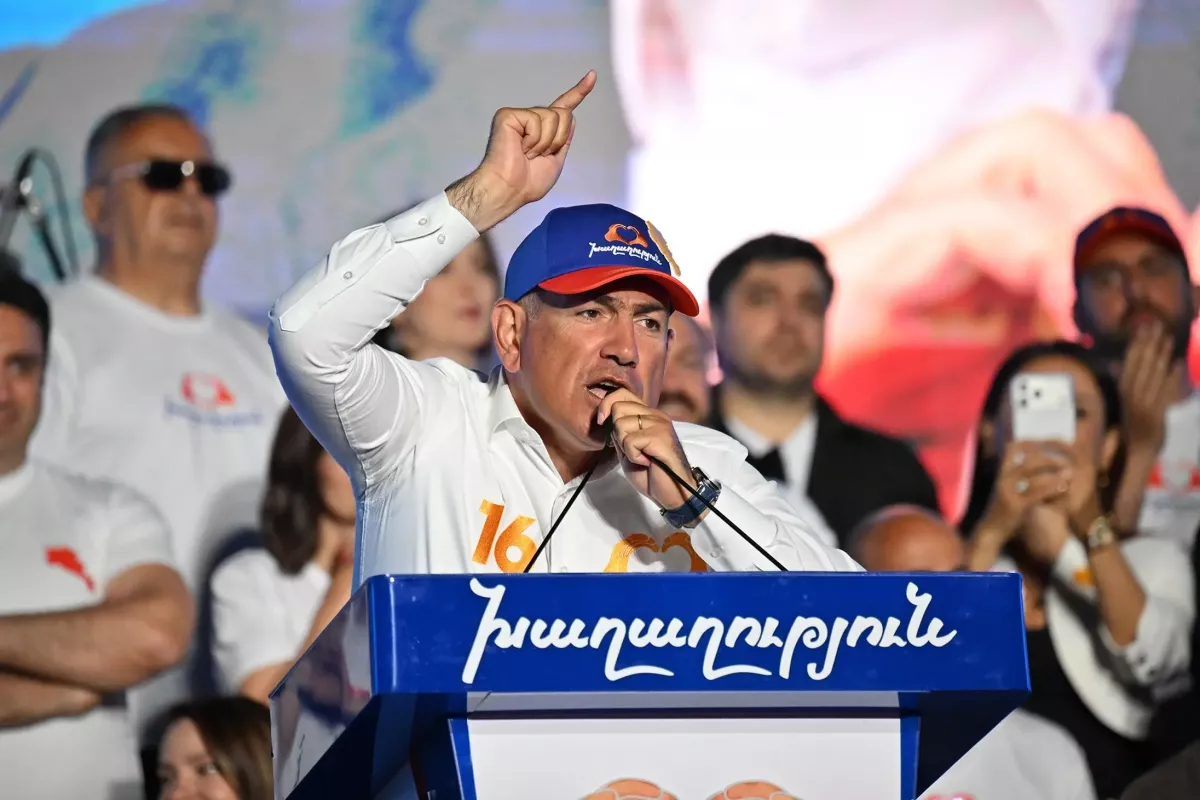
As the country's Central Electoral Commission reported on the morning of June 8, after processing all ballots, "Civil Contract" received 49.81% of the votes.
The opposition alliance “Strong Armenia,” led by Samvel Karapetyan, a Russia-based Armenian-origin businessman, secured 23.29% of the vote. Another opposition bloc, “Armenia,” led by former President Robert Kocharyan, received 9.94%.
In fourth place was the opposition Prosperous Armenia party of businessman Gagik Tsarukyan, which failed to cross the 4% electoral threshold and will therefore not enter parliament. The same applies to the “Wings of Unity” party of former ombudsman Arman Tatoyan, which received 2.3% of the vote.
Overall voter turnout stood at 58.97%, higher than in the 2018 and 2021 elections.
The Parliament of Armenia (National Assembly) currently consists of 105 deputies.
How can these elections be assessed? How fair and transparent were they? What should be expected from the victorious force? What will Armenia’s domestic and foreign policy look like? And how significant is this result for our region?
Prominent experts shared their assessments on this matter with Caliber.Az.
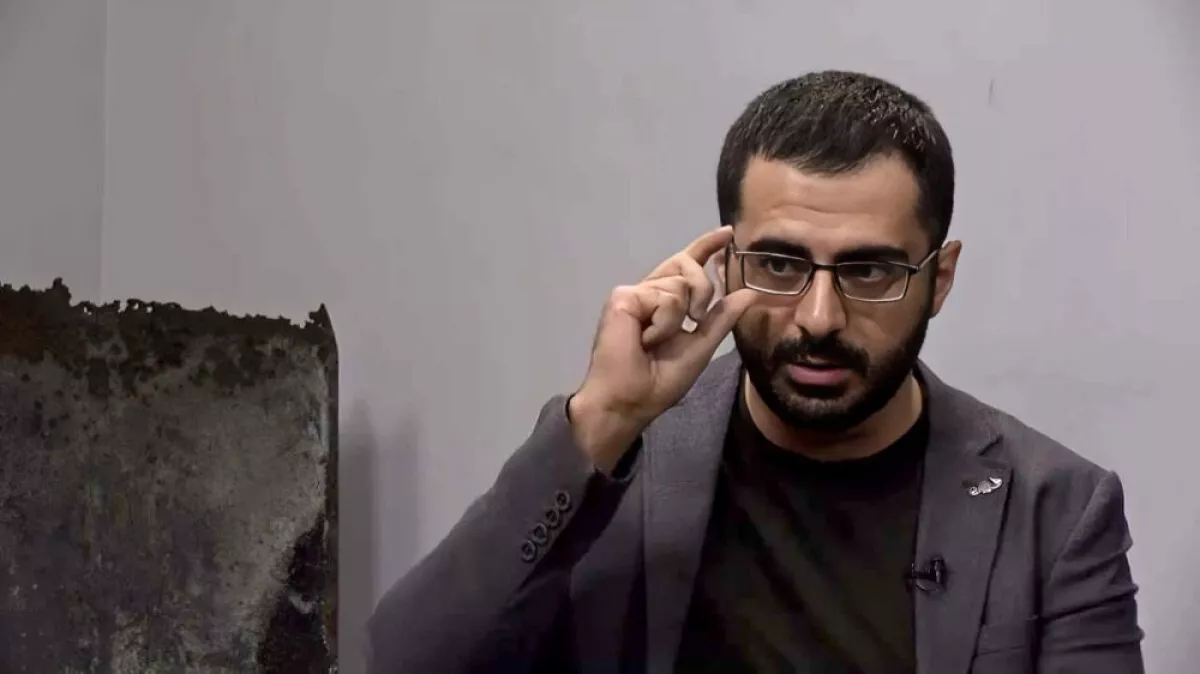
Associate expert at the Centre for Security Policy Studies and the Armenian Council, Samvel Meliksetyan, noted that the recent elections in Armenia were marked by the longest and most expensive campaigning period in the country’s history, as well as unprecedented external political influence. In his view, Donald Trump supported Nikol Pashinyan, while the President of Russia backed Samvel Karapetyan.
“In addition, Russia imposed restrictions on a number of Armenian goods, and warnings about the consequences of a ‘wrong choice’ began to be voiced at a high level, including direct parallels drawn between Armenia and Ukraine. As a result, the elections acquired a distinctly geopolitical character, unprecedented for independent Armenia.
Another important outcome was the very high voter turnout. Although turnout was higher in the 2012 and 2017 elections, taking into account the existing practice of ‘ghost voters’, the current figure appears to be the highest in parliamentary and presidential elections in Armenia over the past quarter of a century.
The elections can be considered fair and transparent, since, firstly, high turnout indicates trust in the process, and secondly, after the results were announced there was no significant wave of protests or attempts to challenge them, which suggests that all participants broadly accept the outcome of the vote,” the researcher believes.
At the same time, according to him, Samvel Karapetyan’s relatively strong electoral result was partly driven by his financial resources and ties within the business community, while law enforcement agencies reported widespread cases of voter bribery.
“The result achieved by Pashinyan’s party allows it to form a government, pursue legislative initiatives and carry out other standard procedures requiring a simple majority, as well as appoint the ombudsman, Constitutional Court judges, and other officials, which requires a three-fifths majority. The ‘Civil Contract’ party has such a majority based on the distribution of mandates.
However, initiating a constitutional referendum requires at least a two-thirds majority in parliament (a minimum of 70 deputies), which the ruling party does not have. Therefore, either the implementation of this initiative will prove impossible, or Pashinyan will have to negotiate with political opponents who hold fundamentally different positions on this issue.
At least part of the opposition’s success can be explained by the exploitation of distrust toward the Armenian–Azerbaijani settlement process.
Currently, the opposition forces that entered parliament collectively secured 33% of the vote, compared to 26% in the previous convocation. At the same time, the ‘I Have Honour’ bloc at that time failed to cross the required threshold but was still included in parliament due to legal requirements, as the presence of three political forces in parliament is mandatory.
Therefore, compromise is only possible if Russia’s position has changed or its influence over these forces has become so insignificant that they would support such an initiative. For now, such a scenario appears unlikely.
Therefore, both Armenia and Azerbaijan are faced with the question of how the peace process will continue and in which areas positive changes may be possible. Undoubtedly, the key importance lies in strengthening trade and economic cooperation and implementing projects to unblock communications, including TRIPP,” Meliksetyan believes.
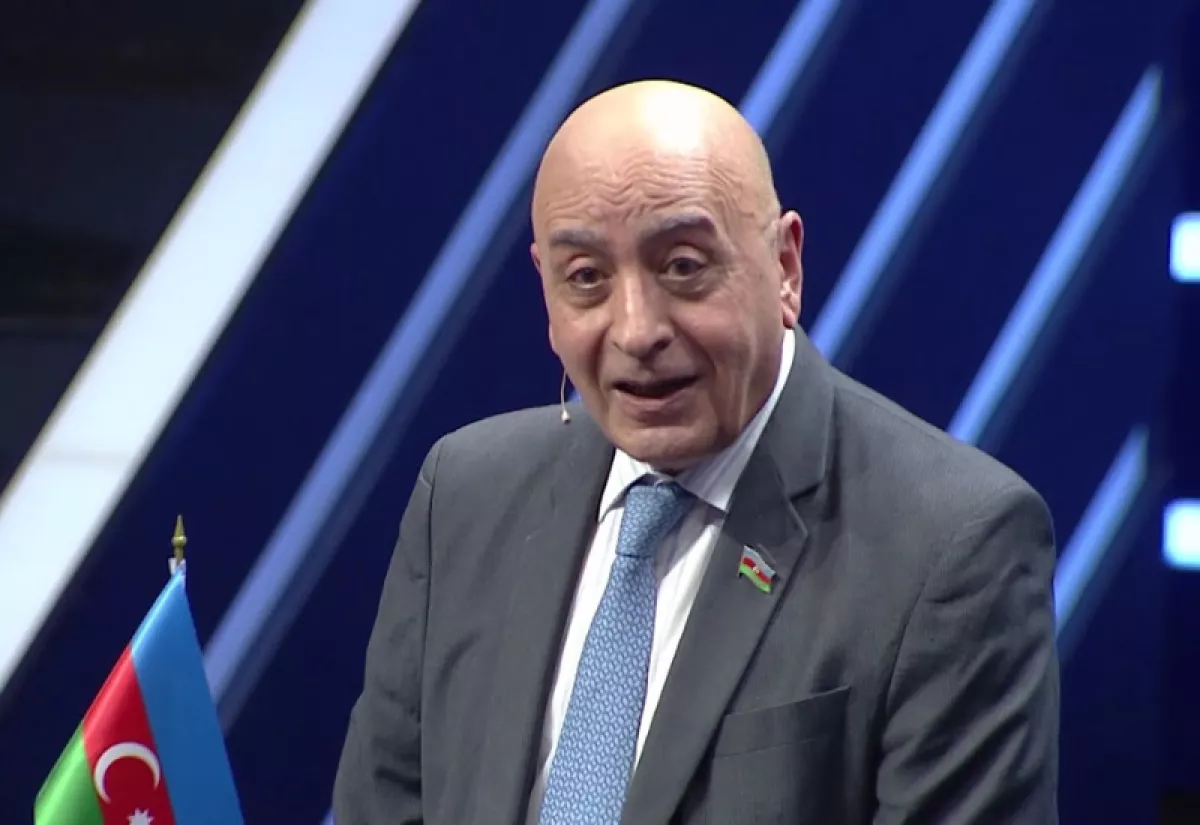
Member of the Azerbaijani Parliament (Milli Majlis) and political analyst Rasim Musabayov, for his part, stated that if one looks at the balance of power in the Armenian parliament, the “Civil Contract” party has essentially maintained its previous position: it held 65 seats before and now has 64.
“The number of opposing parties has also remained unchanged — there are still two of them.
The main difference lies in the programme and political platform with which ‘Civil Contract’ won these elections. In 2021, there were calls for the separation of Karabakh ‘for the sake of salvation’ and for continuing the struggle against Azerbaijan, at a time when revanchist sentiments were quite strong. Today, however, Nikol Pashinyan has prevailed with a fundamentally different agenda.
The new political programme is based on:
— recognising the Karabakh movement as a mistake;
— the concept of ‘Real Armenia’;
— peace and the normalisation of relations with both Azerbaijan and Türkiye;
— the opening of transport communications and the restoration of regional cooperation;
— Armenia’s European choice.
This represents a serious revision of the domestic political agenda, including the adoption of a new constitution. One of the first issues Pashinyan promised to address was the ratification of the TRIPP agreements signed with the United States.
Although the overall political balance has remained largely unchanged, the ruling party now feels significantly more confident. The opposition — in particular the ‘Strong Armenia’ party of Samvel Karapetyan — appears rather loose, lacking both a clear ideological foundation and a stable organisational structure. It is assumed that the leader of this force, after resolving matters in Armenia, will seek to return to his business interests in Russia as quickly as possible.
As for the region, in my view, this is a positive outcome. It signals a course toward ensuring that the South Caucasus is no longer perceived as a ‘backyard’ by any major power.
Russia will no longer be able to dictate conditions to Armenia. At the very least, Nikol Pashinyan has demonstrated that he does not intend to remain a Russian outpost. He advocates for the development of regional cooperation.
What we are seeing is a shift in the political agenda, a rejection of the Karabakh movement and of initiatives related to the rights or return of Karabakh Armenians. All of this is no longer part of the current government’s agenda. I believe this will also have a positive impact on the situation in the region. It is no coincidence that Pashinyan was first congratulated by his Georgian counterpart,” Musabayov concluded.







 editor@caliber.az
 +994 55 444-88-98
 Азербайджан, Баку, ул. Низами, 203, Af Business House, 5-й этаж