










Trump and Netanyahu run out of patience Iran crisis enters critical phase
The negotiation process between the United States and Iran, which is currently drawing the attention of the entire international community, increasingly resembles the motion of a pendulum swinging back and forth between positive and negative extremes.
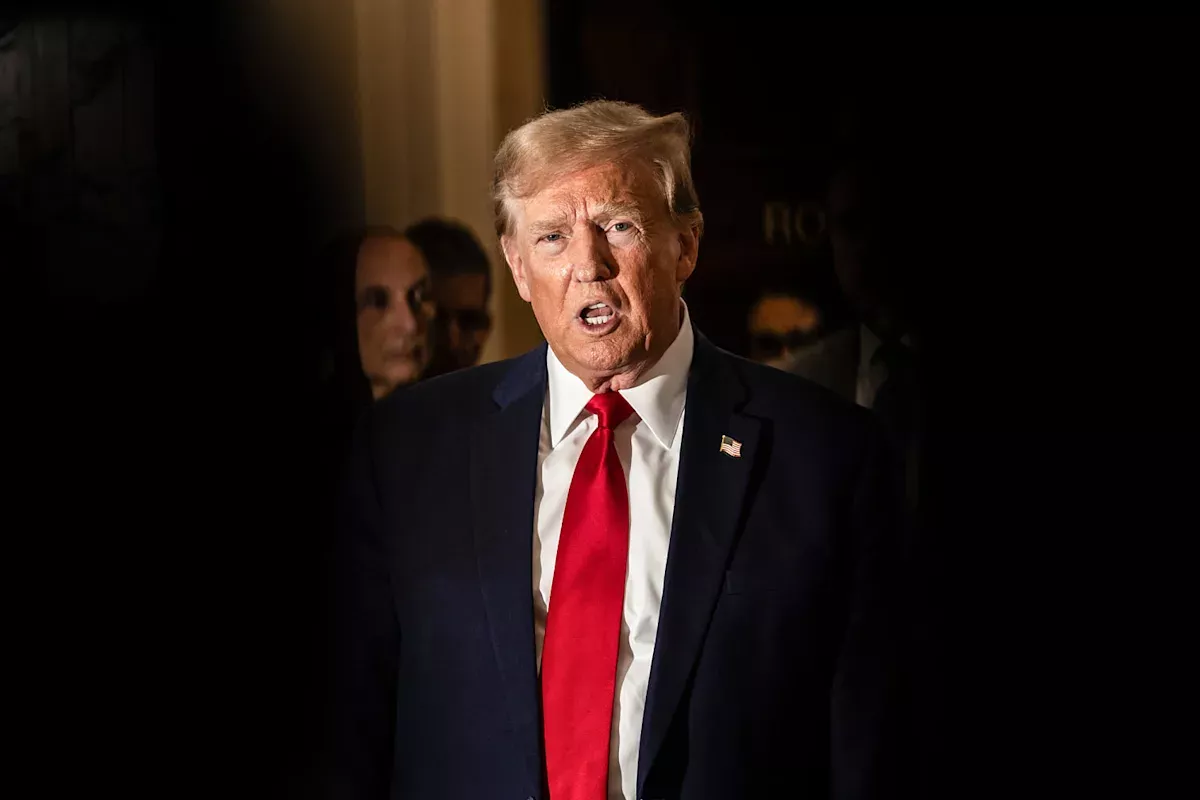
As a positive development, President Donald Trump stated that he was postponing a planned strike on Iran scheduled for May 19 at the request of Gulf states. He wrote on his Truth Social platform: “I have been asked by the Emir of Qatar, Tamim bin Hamad Al Thani, the Crown Prince of Saudi Arabia, Mohammed bin Salman Al Saud, and the President of the United Arab Emirates, Mohamed bin Zayed Al Nahyan, to hold off on our planned Military attack of the Islamic Republic of Iran, which was scheduled for tomorrow, in that serious negotiations are now taking place, and that, in their opinion, as Great Leaders and Allies, a Deal will be made, which will be very acceptable to the United States of America, as well as all Countries in the Middle East, and beyond.”
Meanwhile, on May 16, Trump met with senior members of his national security team to discuss further steps regarding Iran. According to CNN, the meeting, held at the president’s golf club, was attended by Vice President JD Vance, Secretary of State Marco Rubio, CIA Director John Ratcliffe, and special envoy Steve Witkoff. In addition, it was reported that the U.S. Department of War had already developed a range of military plans concerning the Islamic Republic.
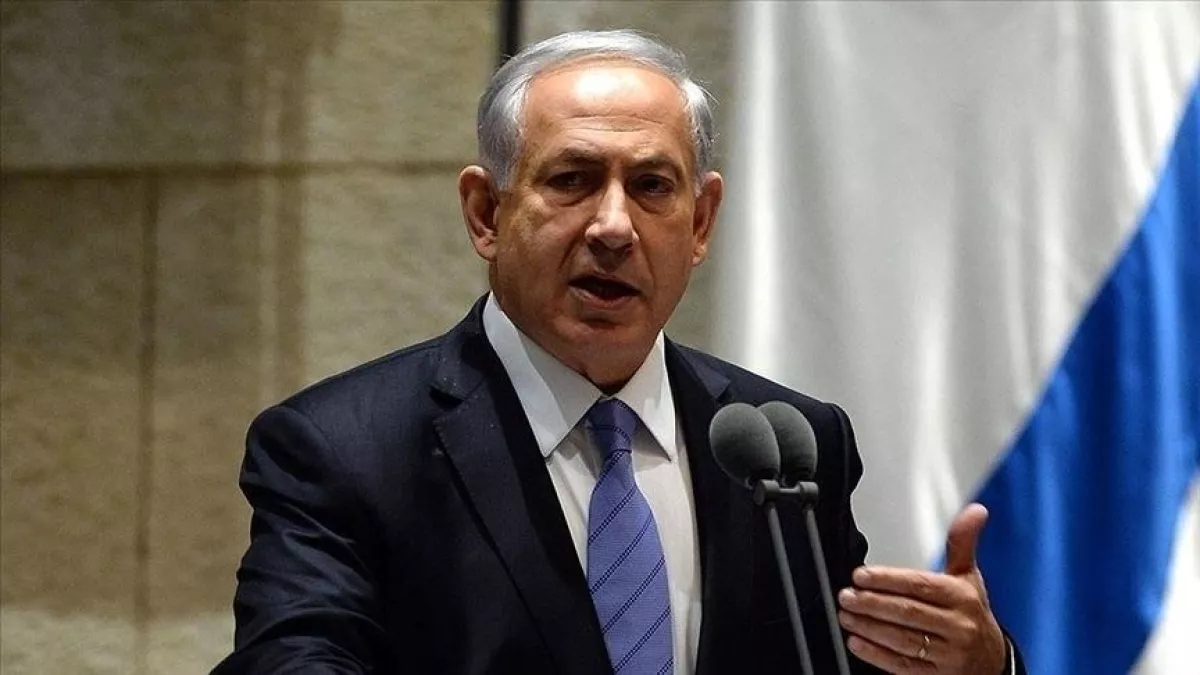
In turn, Israeli Prime Minister Benjamin Netanyahu held a phone call with the American president on May 17, ahead of a closed-door Security Cabinet meeting on the war with Iran. According to Israeli media reports, the leaders discussed the possibility of a new phase of military action against Tehran, as well as Trump’s recent visit to China.
So how are events likely to develop further? How high is the probability of a new American strike on Iran? Or do the prospects of advancing the negotiation process with Tehran on terms acceptable to both sides still remain? These questions are addressed by American and Israeli experts in an interview with Caliber.Az.

In particular, American analyst Andrew Korybko believes that Trump still hopes that a partial blockade of the Strait of Hormuz by the United States would force the Iranian side to make concessions on such a sensitive issue as uranium enrichment. However, Iran has so far remained steadfast, and it appears that both Trump and Netanyahu are beginning to lose patience.
“Military actions in the summer of 2025 reached their peak precisely after the United States decided to join Israeli strikes against Iran. Accordingly, some analysts assume that this time Israel may again act first in order to prompt the United States to follow its example.
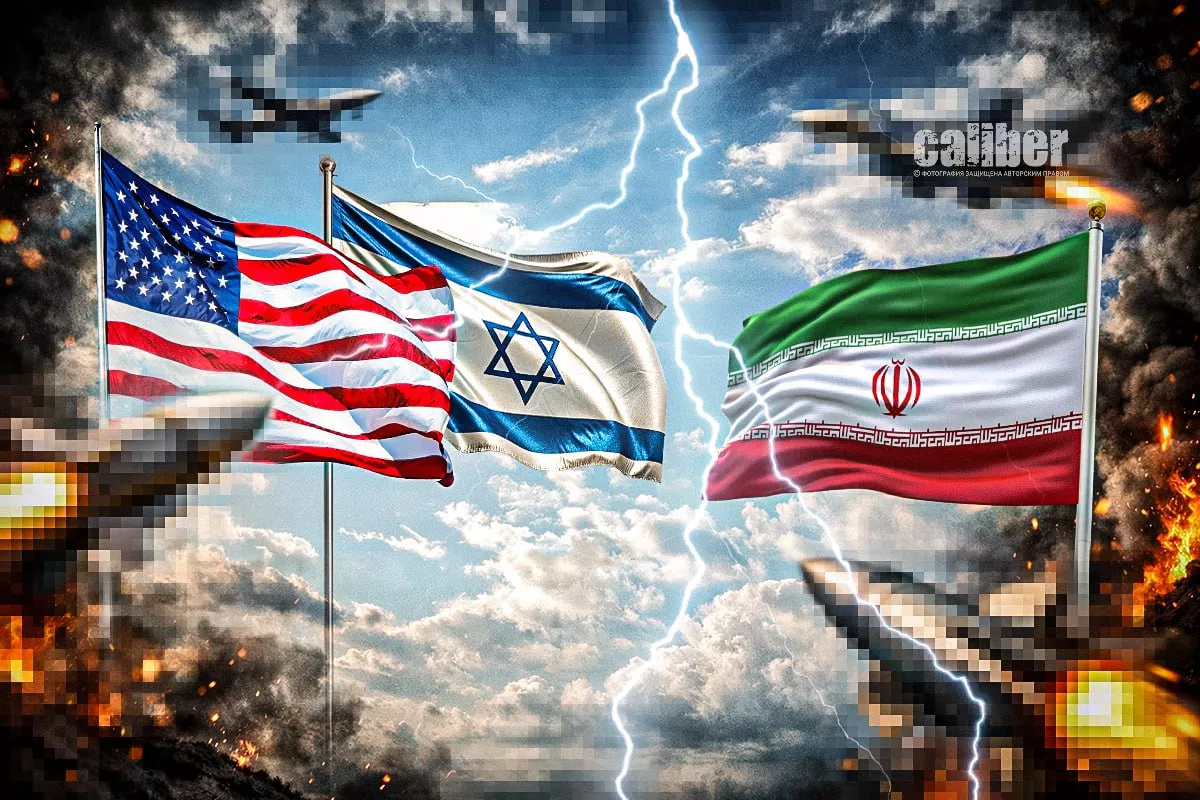
In any case, the American president wants to reach a deal no later than the beginning of summer, in order to give the U.S. economy time to recover and thereby soften the blow that Republicans are expected to face in the November midterm elections. And if the head of the White House fails to achieve this through diplomatic means, he may once again resort to military measures.
I believe that this time Trump will not restrict the U.S. armed forces and will deliberately target Iran’s critical infrastructure, as he has repeatedly stated,” said Korybko.

In turn, Israeli specialist on Iran and author of the Telegram channel Oriental Express, Michael Borodkin, considers new strikes on Iran to be quite likely.
“As we can see, the Iranian authorities are not prepared to make any compromises in the negotiations and instead keep putting forward new demands. Among the latest are claims over submarine infrastructure cables in the Strait of Hormuz. Therefore, the likelihood of a resumption of hostilities is higher than that of a compromise,” he said.
According to the expert, Trump is concerned about the outcome of the operation carried out and would like to demonstrate at least some positive result from this campaign.
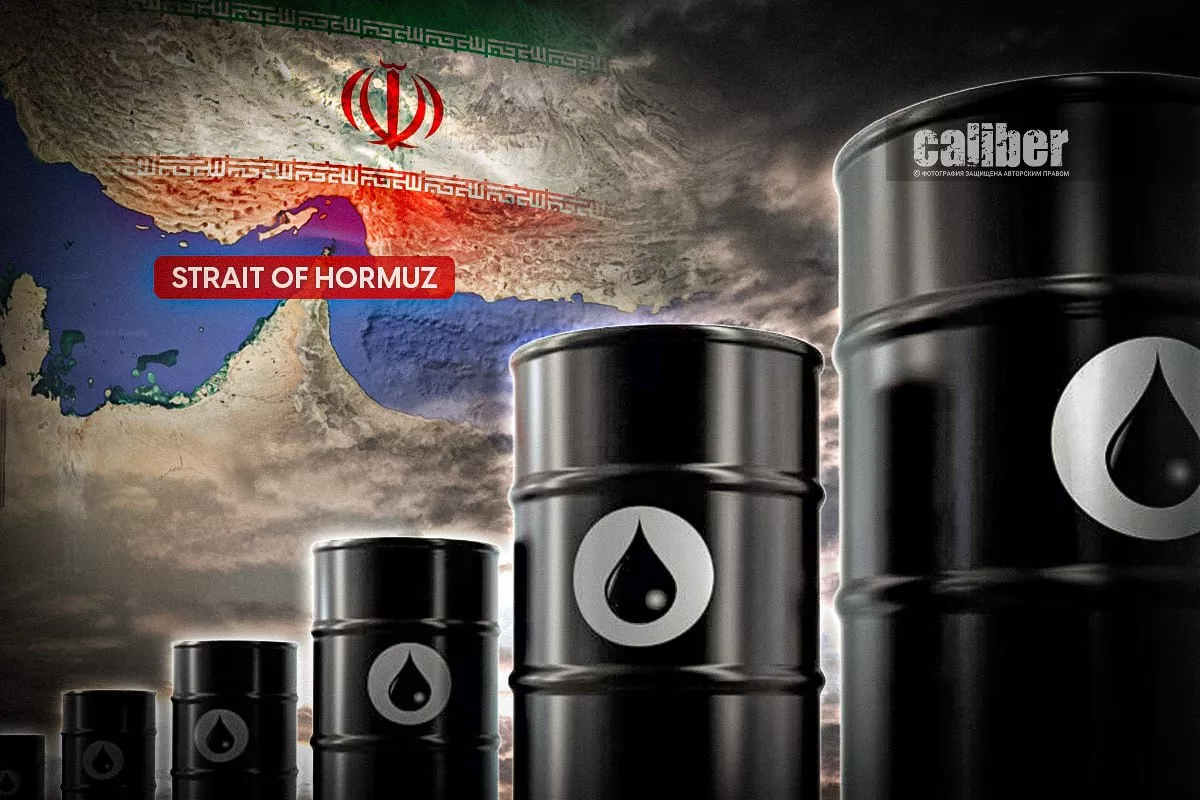
“To present this war in a favourable light, he would need to fully reopen the Strait of Hormuz to shipping. Only then could it be argued that the confrontation has at least not worsened the global situation. However, the Iranian side is not prepared to make concessions on this either; Iranian officials repeatedly state that there will be no return to the pre-war status of the strait.
Thus, the resumption of hostilities appears to be a rather logical move for Trump. The only question is what form it would take: full-scale bombings, a series of special forces operations, the seizure of coastal areas, or something else entirely, including even an attempt to forcibly remove uranium.
In any case, one of these scenarios is likely to be implemented. The only alternative would be acknowledging the failure of the campaign, but that does not align with the behaviour pattern of any U.S. president,” Borodkin concluded.







 editor@caliber.az
 +994 55 444-88-98
 Азербайджан, Баку, ул. Низами, 203, Af Business House, 5-й этаж