










Minsk–Washington “big deal”: what lies behind the curtain? Belarusian political analysts on Caliber.Az
Recently, there has been noticeable activity on the Washington–Minsk track, marked by a series of meetings and negotiations which, according to certain information, are expected to lead to a “big deal” between the United States and Belarus.
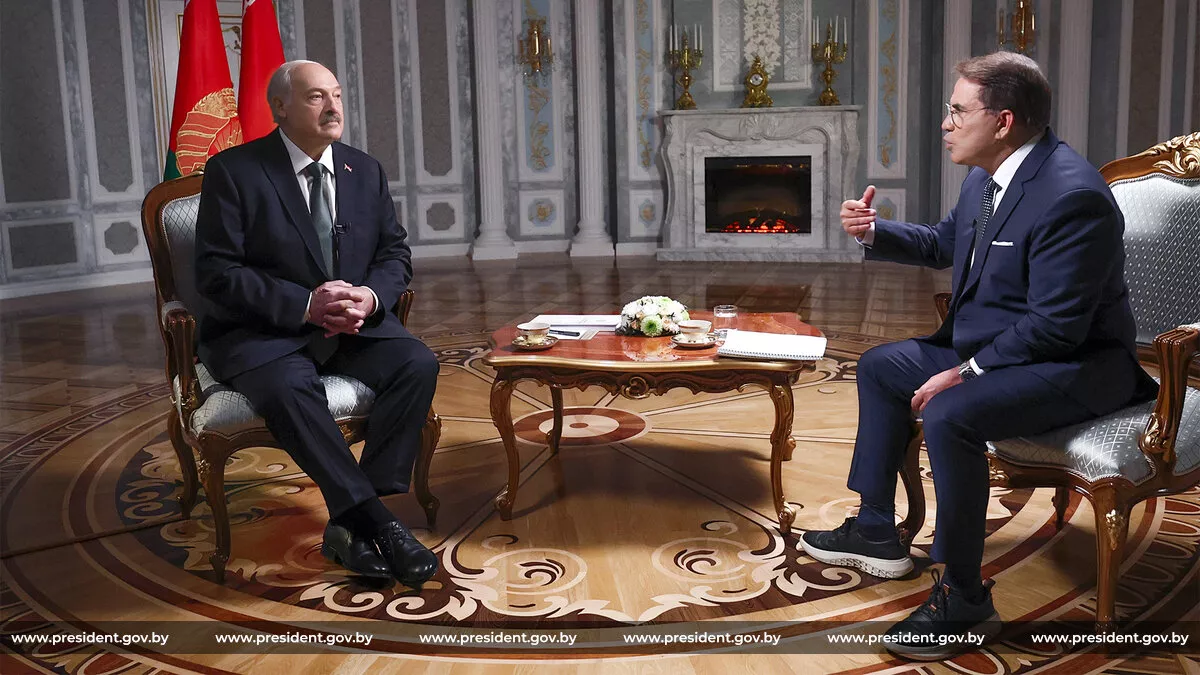
This topic was addressed in a recent interview with RT by the Belarusian President, Alexander Lukashenko, who noted that “Belarus is ready for a ‘big deal’ with the United States, but it must be prepared in such a way that the interests of both countries are taken into account.”
The Belarusian leader also emphasised that although he seeks a deal with the U.S., he is not going to “ask for anything”: “It is not true that I am eager to visit the United States and simply shake hands with Donald Trump… I am not Volodymyr Zelenskyy, who would run to Donald Trump asking for money or weapons.”
The president emphasised that he would be glad to meet with Trump, but the meeting itself is not an end in itself. Responding to a question about whether the ultimate goal of contacts and a “deal” with Minsk could be the normalisation of relations with Russia, he said that this is “quite possible” and would be “normal and reasonable.”
So what exactly is the essence of this “big deal”? What are Minsk and Washington negotiating about? Belarusian political analysts and experts answer this question for Caliber.Az.
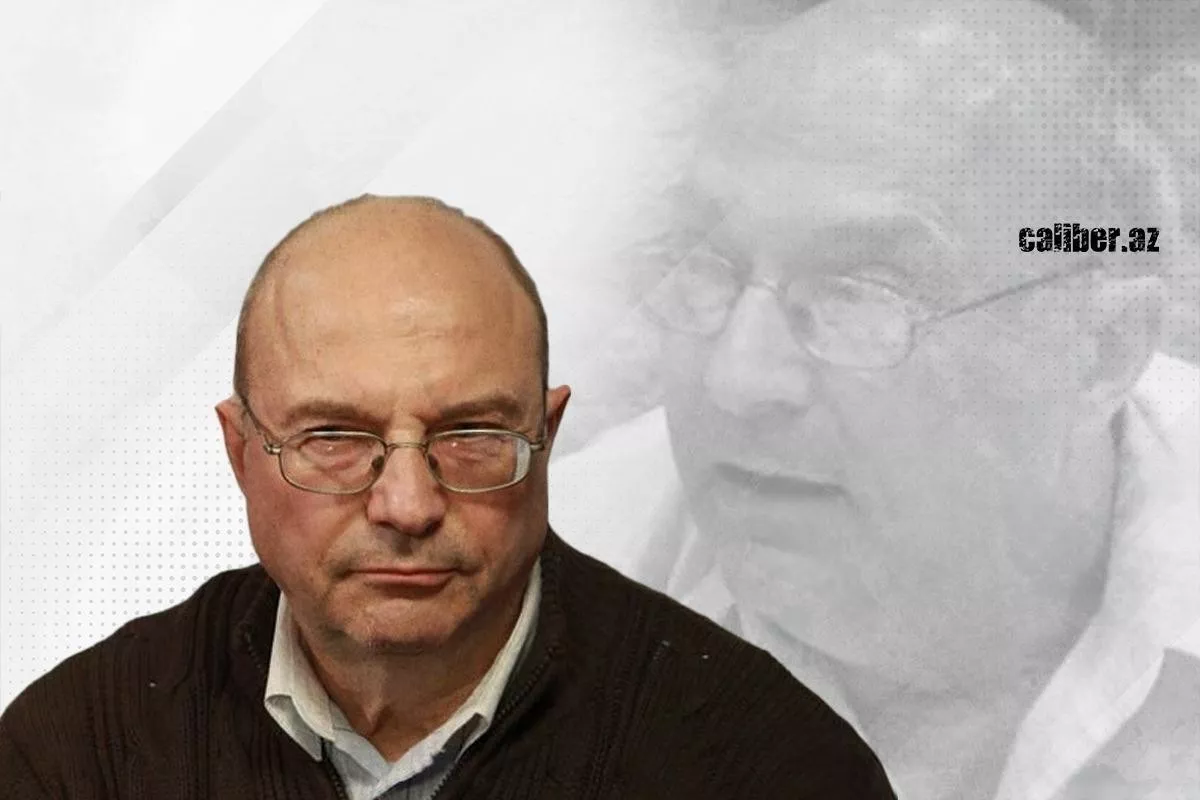
In particular, an independent observer and Belarusian expert on defence and the military-industrial complex, Alexander Alesin, believes that the so-called “deal” will not affect the military sphere and is not connected to the conflict between Russia and Ukraine.
“Without Russia, Lukashenko cannot resolve military issues, since Belarus is Moscow’s forward outpost. This is where cheap oil and gas and free access to the Russian market come from. One step to the left or right—and all of this will disappear. Then the Belarusian miracle will come to an end,” he said.
In his opinion, the issue most likely concerns the transfer of control over a number of potash mining enterprises to the United States in exchange for the lifting of sanctions: “The United States has also found itself in a certain deadlock, and Washington has complicated relations with its main supplier of potash fertilisers—Canada. Hence the desire to diversify supplies. Belarus, meanwhile, is among the world’s top five producers, and in order to create favourable conditions for negotiations, Lukashenko is apparently ready, at the request of the U.S., to release some participants of the 2020 events.”
The expert also noted that a number of Belarus’s key enterprises are currently experiencing difficulties in selling their products, and lifting sanctions would help resolve this: “The removal of sanctions would mean lifting the ban on Belarusian goods entering the markets of Western Europe and the United States, as well as ending the transport blockade—that is, restrictions on access to European ports, Belavia flights to Europe, and the movement of cargo transport to Western Europe, Poland, and the Baltic states. These are important priorities for Belarus.”
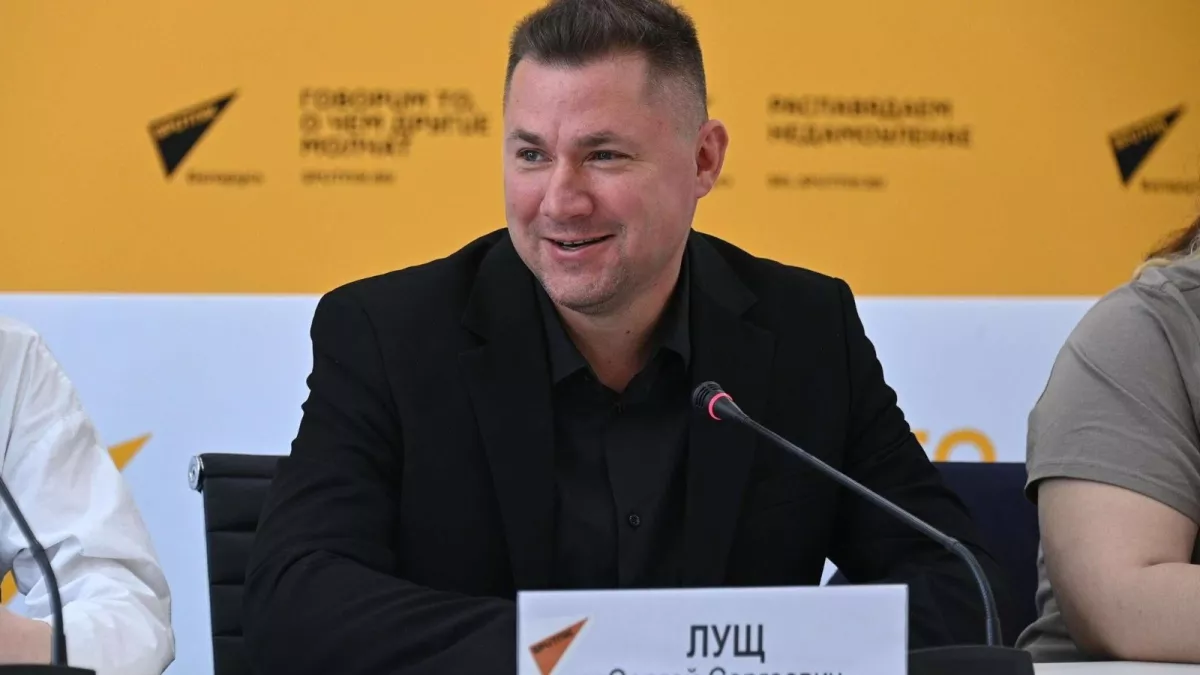
Belarusian politician, chairman of the organising committee of the Soyuz political party, Sergey Lushch, noted that the interview of Alexander Lukashenko sparked extensive discussion about a supposed “deal” with the United States—triggering a real media buzz.
“However, if we think soberly, we should start with the main point: today, no one knows what exactly is being discussed, except for a narrow circle of people directly involved in this work. Everything else is speculation and attempts at interpretation.
At the same time, the president of Belarus highlighted an important point: even such steps as the partial lifting of sanctions on certain enterprises or the release of those convicted of extremism and nationalism do not represent any independent value for him. And this is an important signal. This is not about small-scale exchanges or tactical concessions,” the politician stated.
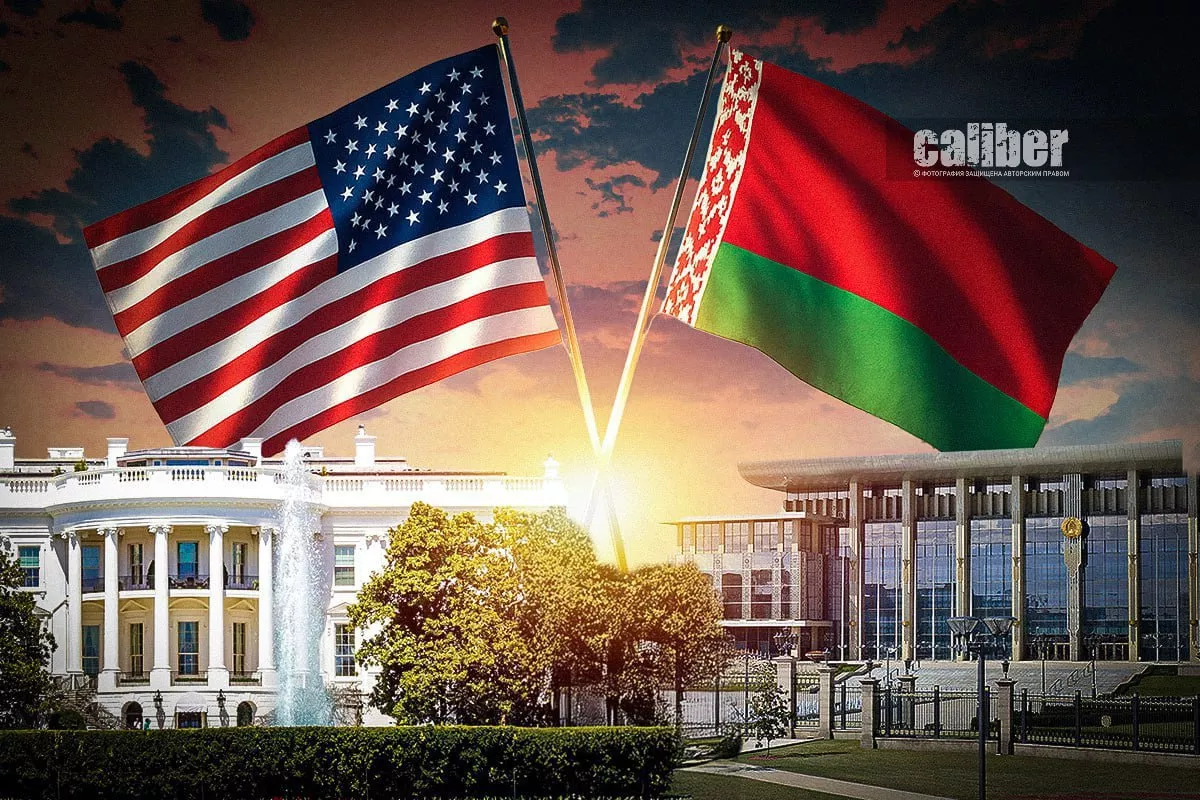
In his opinion, if one looks at the international situation more broadly, it becomes clearer in what sphere the real subject of discussion may lie. Europe is rapidly moving along the path of escalation, the level of tension is increasing, and in this context, issues of security—rather than economic details—are coming to the forefront.
“Lukashenko has repeatedly emphasised that peace is not an abstract concept for him. It is a concrete vision of the future of the country and its people—a matter of survival and development. And if there is an opportunity to influence the reduction of tensions, de-escalation, and the creation of a more stable security architecture, then this is precisely what could be the subject of the so-called ‘big deal.’
Therefore, it is important now not to speculate about the details, but to correctly understand the level of what is happening. If such talks are indeed taking place, they are most likely not about sanctions or individuals. They may concern much more fundamental issues on which the situation in the region as a whole depends,” concluded Lushch.







 editor@caliber.az
 +994 55 444-88-98
 Азербайджан, Баку, ул. Низами, 203, Af Business House, 5-й этаж