










Europe without the American shield Expert opinions on Caliber.Az
The United States Department of Defense (the Pentagon) plans to withdraw approximately 5,000 troops stationed in Germany within the next 6–12 months.
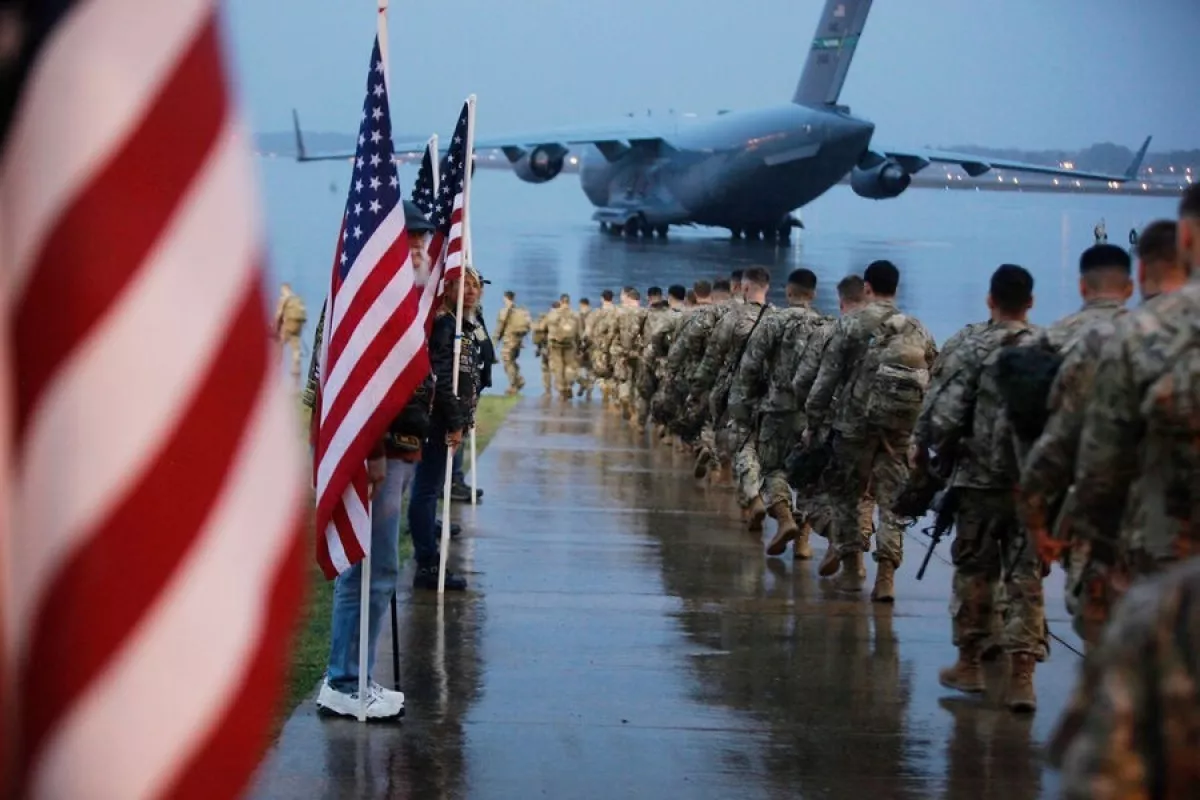
Pentagon spokesperson Sean Parnell stated that the decision was made after a thorough review of the U.S. military presence in Europe. The needs of the deployment area, as well as local conditions, were taken into account. He noted that U.S. President Donald Trump had previously considered reducing the number of American troops in Germany, after which the corresponding announcement was made. The service members will be reassigned to the United States and other overseas bases.
The Department of Defense also abandoned a plan developed under the Biden administration to deploy an artillery unit equipped with missiles in Europe. As a result of these steps, the number of American troops in Europe will return to the 2022 level.
German Defence Minister Boris Pistorius said the U.S. decision to reduce its military presence in Europe was expected and called on European countries to strengthen their own defence capabilities.
Commenting on U.S. plans to withdraw 5,000 troops from Germany, Pistorius stated that Europe must assume much greater responsibility for the security of the continent, reducing its dependence on the American military presence. The minister emphasised that Germany is already moving in the right direction: expanding the size of the Bundeswehr, accelerating weapons procurement, and developing military infrastructure.
Can Europe, if necessary, defend itself without decisive U.S. support? Are the financial resources allocated by European countries to military needs sufficient, and is the pace of these efforts adequate?
Well-known Western experts provided answers to these questions to Caliber.Az.
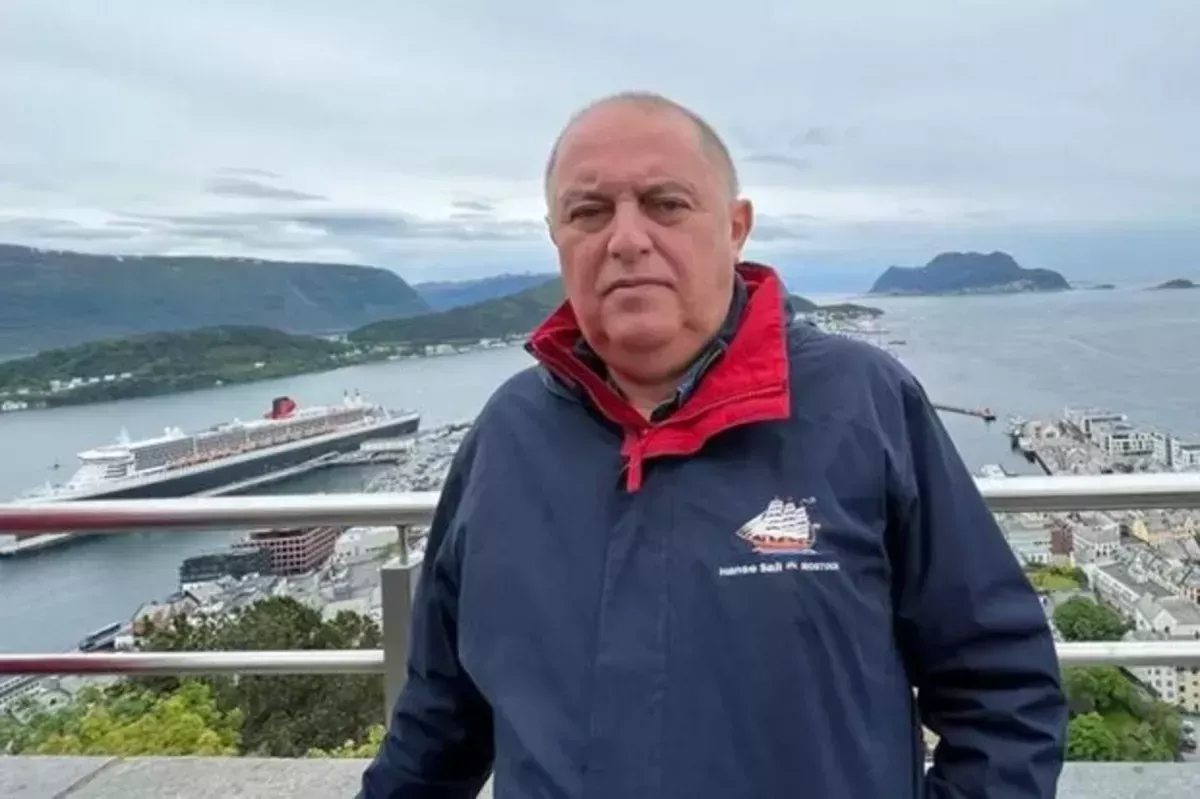
Alexander Cherkassky, analyst, publisher, and editor-in-chief of the magazine Neue Zeiten and the YouTube channel Neue Zeiten TV (Germany), argues that Germany is indeed making a serious effort to strengthen its defence capabilities and rebuild the Bundeswehr, which, during Angela Merkel’s tenure, was reduced from around 500,000 personnel to approximately 150,000.
“Initiative alone is not enough, but I can see that a lot is now being actively attempted. I am not a military expert, so it is difficult for me to judge whether they will succeed or not, and whether they will manage to do so in time. However, we are currently witnessing how reforms in Germany’s economy are effectively stalling due to disagreements within the governing coalition. As the saying goes, when there is no unity among comrades…
So I also have doubts about the success of military reform.
As for other EU countries, the situation is uneven—each is moving in its own direction. Spain’s socialist government is largely reluctant to take major steps, while in Northern Europe, by contrast, countries are actively working to strengthen their defence capabilities,” Cherkassky said.

Estonian political scientist Peeter Taim noted that, first, statements about NATO and potential U.S. withdrawal from the Alliance have effectively shaken Europe into action. In his view, European countries have been forced to “wake up,” or more bluntly, to “pull their heads out of the sand” and begin actively reassessing their position—rethinking their position, rearming, restructuring their armed forces, and so on.
“The second important aspect of this situation is that even during the first three and a half years of Russia’s full-scale aggression against Ukraine, many European countries—Estonia included, despite being one of the most pro-Ukrainian societies in terms of public support for Ukraine’s struggle for independence—still saw numerous voices arguing against increased defence spending. The core of these arguments was that countries should not arm themselves further, should avoid militarisation, and should not invest in new missiles or weapons systems. Instead, they emphasised prioritising healthcare, social welfare, and education—in other words, not to sacrifice Western European living standards. Such views were widespread across many societies, and naturally, political leaders in Western Europe had to take this public sentiment into account.
However, developments in European countries now suggest that much of this was happening even before the United States, under President Donald Trump, began raising the possibility of withdrawing American armed forces from Europe.
In reality, European politicians have gained a strong additional argument: the potential departure of U.S. troops and military bases from the continent is forcing a serious reassessment of the situation. European states may ultimately have to begin sacrificing the level of prosperity that ‘old Europe’ has enjoyed for the past 80 years, and that ‘new Europe’ has experienced over the past 35 years,” the analyst says.
Now, he argues, it is necessary to seriously reconsider priorities and allocate significantly more real funding to rearmament and military preparedness in order to strengthen national defence capabilities.
“One example I can give regarding the strengthening of defence capacity is the so-called project of the century, Rail Baltica. This is a high-speed railway that is planned to run from Berlin to Tallinn, with a potential connection for transporting goods and trains across the Gulf of Finland to Finland.
Many sceptical voices are asking: ‘Why do we even need such a project? Do we really need a high-speed railway when you can fly to Berlin by plane?’
However, few people look deeper into the issue or understand that, in reality, this is primarily a military and defensive project. We need a logistical corridor that would allow the rapid transfer of heavy military equipment from Western and Central Europe to the Baltic states in the event of an attack from a ‘reckless eastern neighbour.’
It is difficult to judge exactly what stage the modernisation, rearmament, or broader militarisation of the armed forces in Poland, Germany, or Spain has reached. However, taking the example of the Baltic—or Pan-Baltic—high-speed railway, it is clear that this project alone will not be completed before 2030.
Therefore, I believe that many other infrastructure projects in different countries, as well as the direct production of weapons, ammunition, and even the sewing of military uniforms for the soldiers of all our armies, will require time. And this is not so much due to a lack of money, but rather to the need to reach a level at which we — without the help of our American, now unfortunately former allies — would be able to mount a full-scale response in the event of aggression from Russia,” Taim said.







 editor@caliber.az
 +994 55 444-88-98
 Азербайджан, Баку, ул. Низами, 203, Af Business House, 5-й этаж