










“Pay to play’’: Trump puts NATO on a “paid mode” Expert opinions on Caliber.Az
U.S. President Donald Trump delivered sharp criticism of NATO. He is considering plans for a radical reform of the Alliance based on the “pay to play” principle, under which participants could be excluded from making key decisions if they do not raise their defence spending to 5 per cent of GDP, according to The Telegraph.
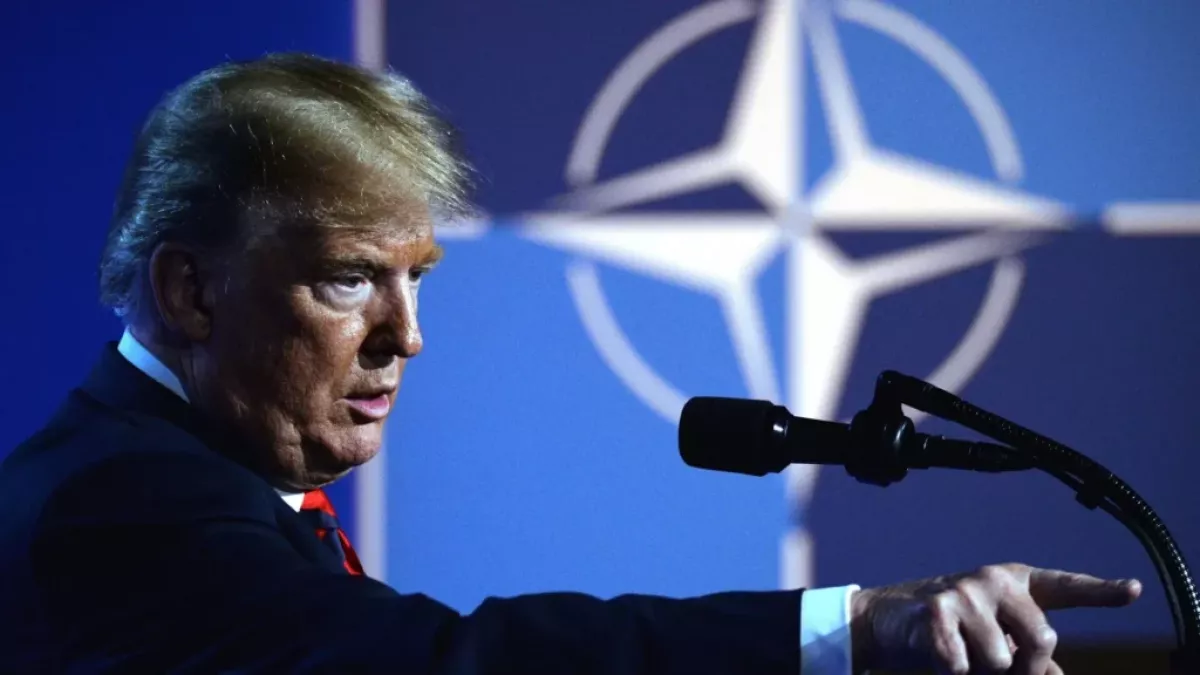
According to the publication, the restrictions could affect decisions on participation in joint missions, NATO enlargement, and even the invocation of Article 5 on collective defence.
“You shouldn’t be able to vote to spend future money if you’re not paying,” journalists quote one U.S. official as saying.
NATO, in turn, stated that in Brussels, U.S. representatives have not yet formally presented these plans, although they have already promoted the “pay to play” idea in several discussion forums.
The discussion of potential changes comes amid the White House’s frustration with European allies, who did not support U.S. actions regarding Iran. In recent weeks, Trump has repeatedly emphasised that he will “remember” the behaviour of these partners. The American leader also pointed out that the U.S. spends hundreds of billions of dollars each year defending its NATO allies, without, in his view, receiving adequate return.
“We would have always been there for them, but now, based on their actions, I guess we don't have to be, do we?” he said on air on March 27.
Not all NATO countries agree on the need for a sharp increase in military spending. In particular, Spain has consistently opposed it, while simultaneously criticising Washington’s actions in the Middle East and other regions.
Thus, the question of NATO’s future and its cohesion is once again on the agenda. Diverging trends are already emerging within the bloc: some countries are seeking closer ties with the U.S., while others are distancing themselves. The question arises: could these contradictions lead to the breakup of the Alliance and the formation of new military blocs?
Foreign analysts shared their assessments of the situation with Caliber.Az.
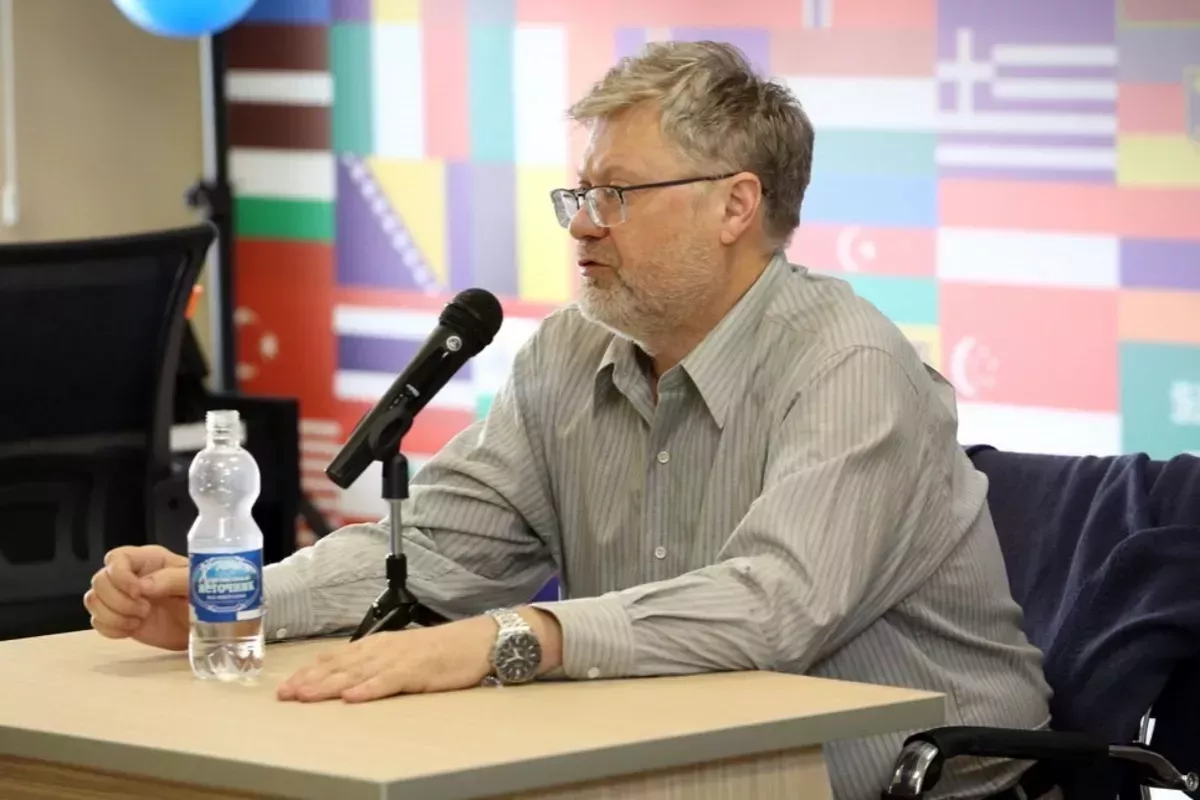
A professor of political science and international relations at Tennessee State University (USA), Andrei Korobkov, reminded that Trump has been signalling a reconsideration of relations with NATO since 2015, when he announced his presidential ambitions.
“His position is driven by two factors. First, he believes it is necessary to shift the focus of American foreign policy from Europe to the Pacific region to contain China.
Second, he points to the asymmetry within the Alliance, where the main financial burden falls on the U.S., while NATO is largely more essential to the Europeans themselves.
By 2017, only five countries — the U.S., the U.K., Poland, Greece, and Estonia — met the defence spending commitment of 2 per cent of GDP. Under Trump’s pressure, more than twenty countries now meet this requirement, but he is now insisting on raising the benchmark to 5 per cent.
Trump’s approach involves reducing the U.S. presence and obligations to European partners. As an argument, he points to Europe’s restrained response to U.S. operations in the Persian Gulf and the Iran–U.S. conflict: if Europe does not provide military support to the U.S., then the U.S. should not be obliged to assist Europe.
It is expected that Trump may initiate a discussion on revising the ‘core’ of the Atlantic Treaty — Article 5, which envisages the automatic involvement of the U.S. in a conflict if one of the NATO members is attacked,” the professor noted.
According to him, Trump employs various pressure tools, including threats to withdraw U.S. security guarantees and full representation in NATO for countries that fail to meet their financial and military commitments.
“On one hand, he will consider political loyalty — currently, Spain has been chosen as an example for a ‘symbolic reprimand.’ On the other hand, pressure on smaller states may increase, including new NATO members in Eastern Europe and the post-Soviet space.
At the centre of the current agenda is the conflict over Ukraine, which Trump intends to resolve. His motivation is not so much to end the war as it is to remove an obstacle to reducing the U.S. presence in Europe and focusing resources on the primary goal — containing China.
The situation with Iran provides Trump with additional leverage: he uses it to accuse Europeans of failing to meet their obligations and to justify similar steps by the U.S.,” Korobkov believes.
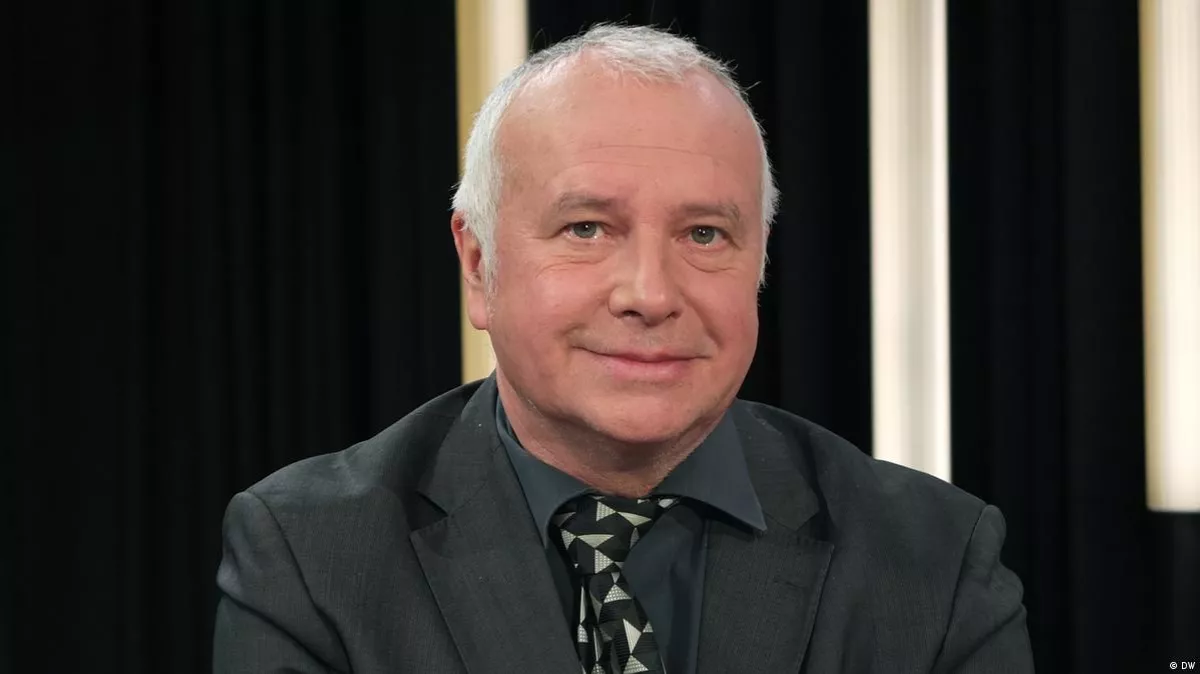
German political scientist Alexander Rahr, professor at the Institute for International Politics WeltTrends (Potsdam), noted that, although it is rarely acknowledged publicly, NATO in its current form is approaching its end.
“Trump will not forgive Europeans for their lack of solidarity in the conflict with Iran. The division within NATO is becoming increasingly apparent. Northern European countries will rally around the U.K. and Germany and try to build up their military potential against Russia, while distancing themselves as much as possible from the U.S. However, they lack sufficient financial resources for independent defence — even Germany.
Southern European countries, by contrast, will not confront the U.S. and will seek agreements with Trump. Their economies are critically dependent on American energy supplies, and they have no alternatives in the necessary volumes,” Rahr concluded.







 editor@caliber.az
 +994 55 444-88-98
 Азербайджан, Баку, ул. Низами, 203, Af Business House, 5-й этаж