










Brussels and Amsterdam bowing to Armenian lobby pressure Experts respond to Caliber.Az
On April 16, the Belgian Chamber of Representatives adopted a resolution proposed by MP Michel De Maegd, which states the “right of the residents of Karabakh to return under international security guarantees, the creation of an effective international monitoring mechanism, the withdrawal of Azerbaijani Armed Forces to positions as of May 12, 2021, as well as the resolution of the issue of Armenian prisoners and civilians held in Baku.”
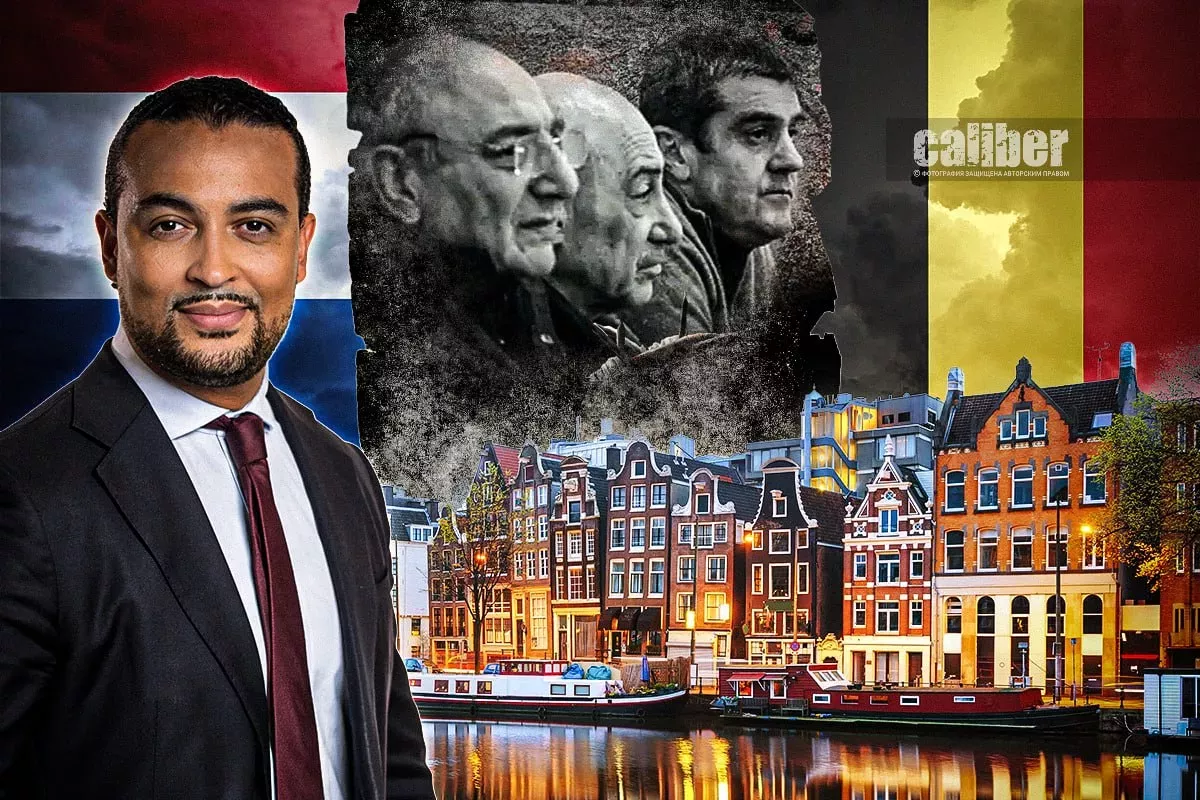
On the same day, the House of Representatives of the Dutch Parliament adopted two motions proposed by MP Don Ceder — “on the release of Armenian prisoners of war in Azerbaijan” and “on the recognition of the Armenian genocide.”
Against this backdrop, Armenian Prime Minister Nikol Pashinyan made clear statements on the same issue in his video address, presenting the election programme of the Civil Contract party.
“The inclusion on the agenda of the issue of the return of Armenians who voluntarily left Karabakh is not productive,” he said.
“We will no longer dig into who lived where and who had what. We are closing this topic. Only in this way can we achieve peace,” the Armenian leader emphasised.
Naturally, Baku did not remain on the sidelines. According to the Azerbaijani Ministry of Foreign Affairs, the ambassadors of the Kingdom of Belgium and the Kingdom of the Netherlands — Julien de Fraipont and Marianne de Jong — were separately summoned to the Ministry.
The Azerbaijani side expressed a strong protest over the actions of the Belgian and Dutch parliaments, which it said are aimed at undermining Azerbaijan’s sovereignty and territorial integrity, as well as the ongoing peace process between Baku and Yerevan. The MFA of the Republic of Azerbaijan firmly rejected the false claims regarding the country’s sovereign territories, accusations of violating Armenia’s territorial integrity, and statements about the alleged illegal detention of persons of Armenian origin.
“[...] the adoption of these documents is particularly paradoxical considering that they were coincided with the latest meeting between the Speakers of the Parliaments of Azerbaijan and Armenia,” the ministry stressed.
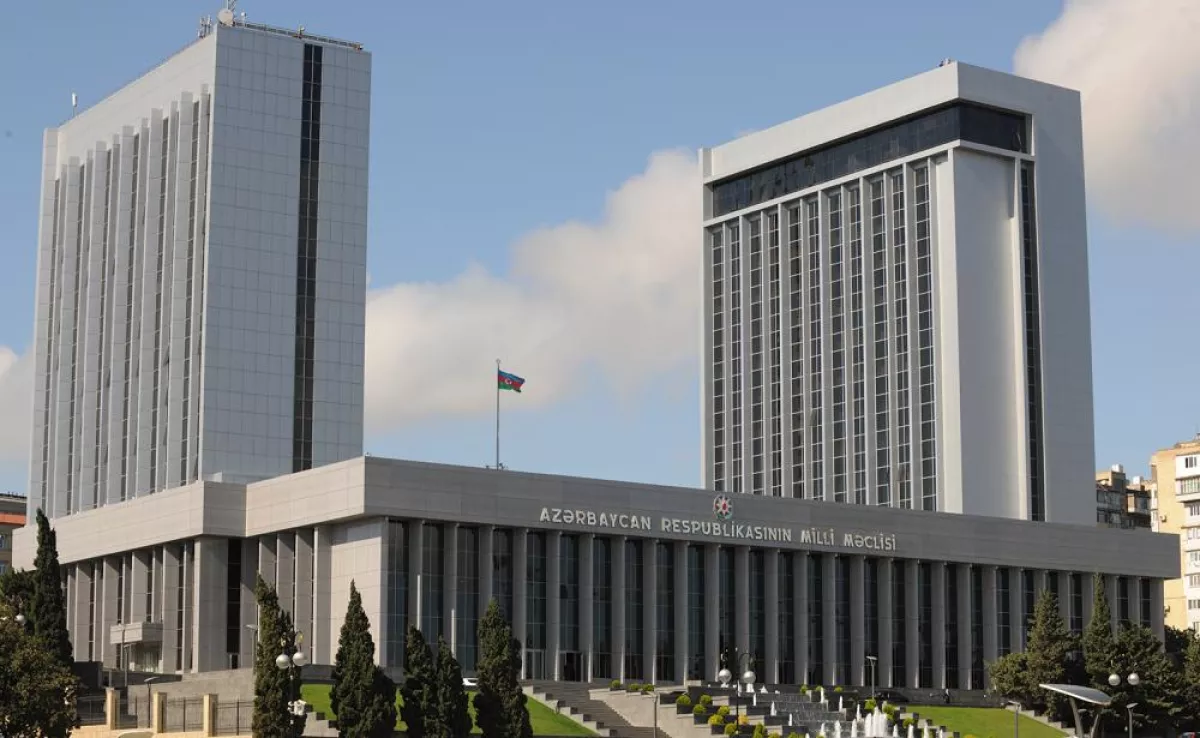
Next, a statement was issued by the Azerbaijani Parliament. The Milli Majlis called on the parliaments of Belgium and the Netherlands to put an end to what it described as a campaign of hostility against Azerbaijan and to steps that undermine efforts to strengthen peace in the region.
The statement of the Milli Majlis noted that such actions at the current sensitive stage not only encourage anti-peace revanchist forces, but also harm the declared security and economic interests of the European Union in the region.
What are the parliaments of European countries thinking when adopting such decisions? Do they not understand that this may be qualified as gross interference in the internal affairs of a sovereign state? What drives them to support such questionable initiatives — ignorance of the subject, or the influence of the Armenian lobby?
Well-known analysts shared their assessments of the situation with Caliber.Az.

Irish political scientist and historian Patrick Walsh notes that, while official Yerevan is seeking progress within the framework of the peace agenda, European countries, apparently, remain in their previous positions.
“The adopted resolutions are quite likely the result of lobbying activity by the Armenian diaspora, since European public opinion, with the exception of narrow groups of radical Christian activists, has never shown deep interest in the events in Karabakh.
This situation serves as further confirmation that the Armenian diaspora continues a destructive policy towards Azerbaijan, while Armenia itself is attempting to draw a line under its tragic past and move towards a peace agreement,” the expert states.
A similar picture, he says, is observed in the United States. The local diaspora continues its militant activity, despite the fact that the political will and resources of the Armenian state itself have long been exhausted.
“It is logical to assume that European countries have far more pressing internal problems directly affecting their populations than the situation in Karabakh. This regional conflict belongs to those that can be definitively resolved through peaceful means, provided that the parties are given the opportunity to reach an agreement without external interference,” Walsh believes.
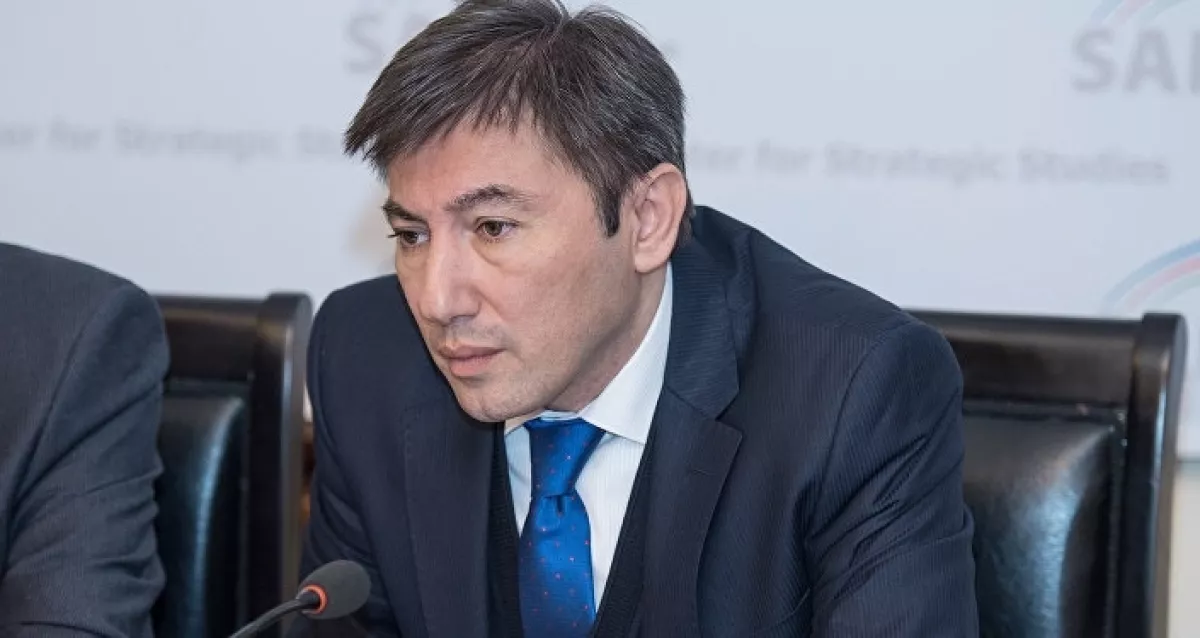
International affairs expert and head of the “South Caucasus” political scientists’ club, Ilgar Velizade, in turn, stated that the situation reflects several factors at once — both a lack of knowledge of the subject and a reluctance to engage with it, as well as the activity of lobbying structures that have been working in this direction for decades.
“They have primarily advanced their own interests, exploiting the conflict, which served as a source of livelihood and justification for their activity. We are talking about a structured Armenian diaspora and its lobbying networks, widely represented in Brussels. It was there that targeted work was carried out with members of the Belgian parliament, and we are seeing the results today. Similar activity is observed in the Netherlands and in France.
This coincided with the intensification of Azerbaijani–European political dialogue. Today, a document on a strategic partnership with the European Union is under discussion. It is evident that for certain circles in Brussels, the prospect of elevating relations to a new level based on mutual interests, as well as the implementation of a large-scale energy and transport agenda, is undesirable. They believe that in this case, Azerbaijan will strengthen its position and the chapter of the conflict will be definitively closed, which would deprive these groups of the results of their questionable activity.
Such resolutions have been numerous in recent times. In the end, all of them remained without practical implementation, but they continue to stir certain circles and stimulate new anti-Azerbaijani campaigns,” the political analyst noted.
With the EU facing a wide range of internal problems, such an unusually strong focus on a region located thousands of kilometres away from Brussels raises questions, he said.
“If members of parliament have nothing to do, they should pay attention to the situation in the Middle East, Latin America or Africa. For example, Sudan is in a state of humanitarian catastrophe, yet these topics do not attract their interest — the EU simply lacks the corresponding lobbying groups.
Their attention is concentrated exclusively on the South Caucasus, where they are trying to undermine the settlement processes. At the same time, Prime Minister Pashinyan himself speaks about a peace agenda and the implementation of agreements signed in Washington last year.
These deputies demonstrate a complete lack of understanding of real processes. They choose the path of least resistance: they avoid criticising the United States — for example, on issues related to Vatican–Washington relations — fearing consequences, including possible travel restrictions. In relation to Azerbaijan, however, they assume they can pass another resolution without consequences.
Their position has no real weight, but it negatively affects the international environment of the negotiation process. This explains the reaction of the Azerbaijani Foreign Ministry. Overall, both in Armenia and Azerbaijan, there is an understanding that the fate of the region is in our own hands, and the parties will continue moving along the path of the peace agenda,” Velizade concluded.







 editor@caliber.az
 +994 55 444-88-98
 Азербайджан, Баку, ул. Низами, 203, Af Business House, 5-й этаж