










Pashinyan’s new Armenia, Azerbaijan’s regional push, and Trump’s Iran strategy Caliber.Az weekly review
The Caliber.Az editorial team presents a new edition of the “Events” programme, hosted by Murad Abiyev, in an analytical review of the key developments of the week.
Azerbaijan
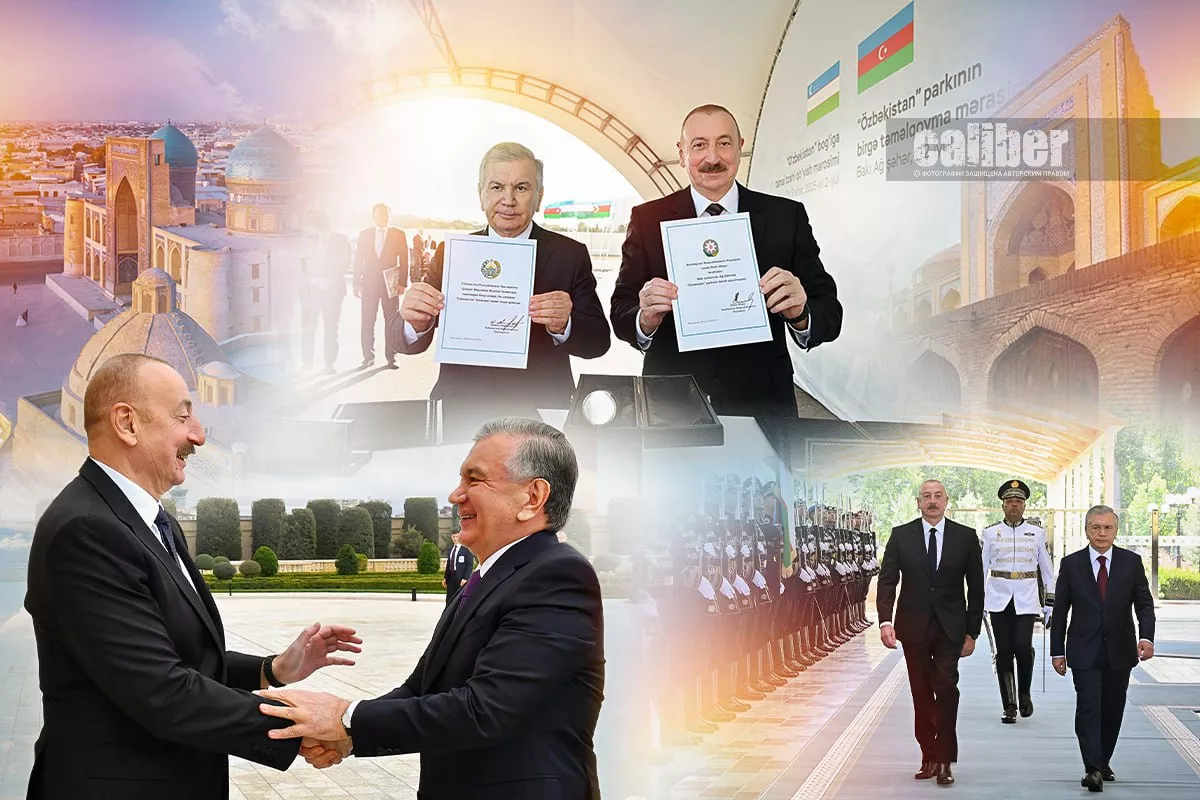
Ahead of his state visit to Tashkent, President Ilham Aliyev gave an interview to the Uzbekistan National News Agency. Highlighting the comprehensive development of bilateral ties, the President also pointed out that relations between Azerbaijan and Uzbekistan extend beyond their bilateral alliance. At the heart of their cooperation is the creation of a unified space linking Central Asia and the South Caucasus.
The main focus is transport and logistics. Aliyev emphasized the advantages of connecting the China–Kyrgyzstan–Uzbekistan railway project with the Middle Corridor and TRIPP. This would bring Uzbekistan into a route that could connect Central Asia with Türkiye and European markets via the Caspian Sea and Azerbaijan.
Another key area is energy. Baku, together with Uzbekistan and Kazakhstan, is advancing a “green corridor” project across the Caspian Sea. Taken together, these initiatives show that this is no longer about individual infrastructure projects. A broader network of transport and energy links is taking shape.
Aliyev also highlighted Azerbaijan’s new position in its relations with Central Asia. Following Baku’s participation in the consultative meetings of the heads of state, the format has effectively evolved from C5 into C6. This gives Azerbaijan an opportunity to take part in shaping the regional agenda not as an external partner, but as one of its participants.
Uzbekistan is regarded as one of the key partners in creating the Central Asia–Caspian–South Caucasus link, while Azerbaijan is consolidating its role as one of the main transit and energy hubs within this emerging framework.
Thus, the upcoming visit of the President to Tashkent is of major importance for both Azerbaijan and Uzbekistan.
Armenia
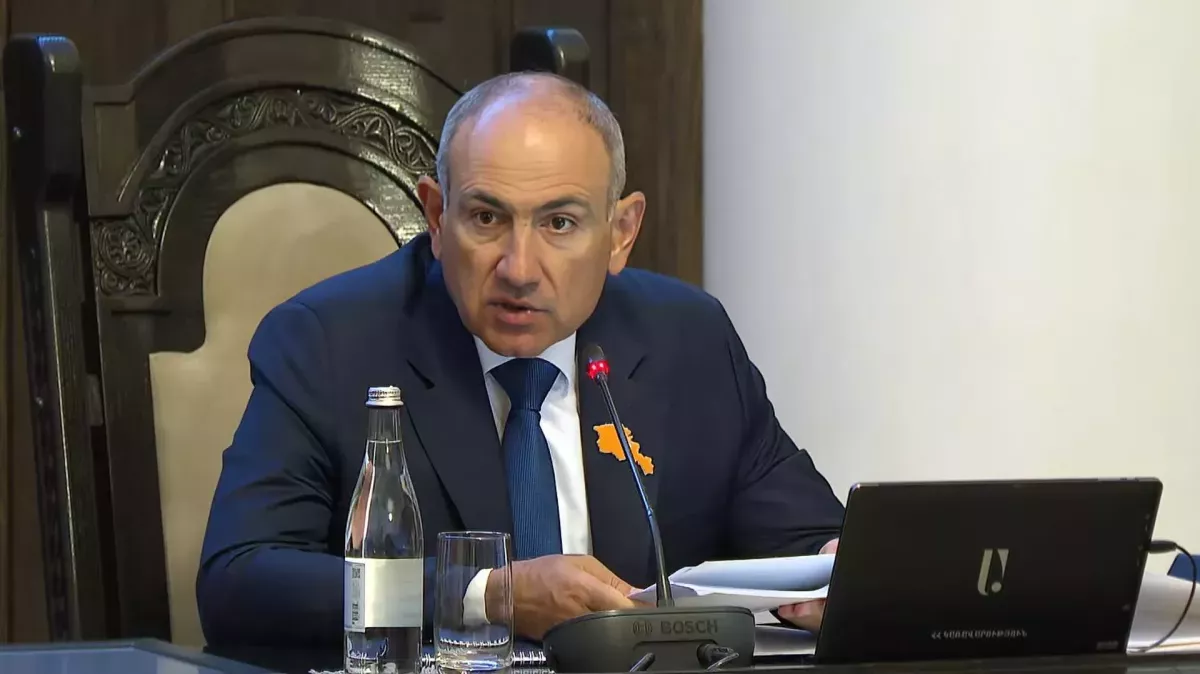
The Armenian government has approved its 2026–2031 Programme of Activities. Parliamentary hearings on the document are scheduled for August 24.
The programme sets out a course toward a “Real Armenia” and the establishment of a “Fourth Republic.” Its main foreign-policy principle is regionalization: Yerevan wants to create conditions that would allow the country to exist within its regional environment without relying on external support.
Azerbaijan is listed as the first priority. Peace with Baku is regarded as an established fact. The next steps are the signing and ratification of the peace agreement, border delimitation, and the development of trade and contacts. The unblocking of regional communications through the TRIPP project is also given major importance.
At the same time, Yerevan intends to normalize relations with Türkiye, develop transport and energy ties with Iran, and expand cooperation with Georgia. The EU and the United States are identified as strategic partners. Armenia will continue aligning itself with European standards and working toward visa liberalization. At the same time, the programme does not set EU membership as a direct objective.
The most notable changes concern relations with Russia. Instead of the previous “strategic alliance,” the document now refers to the “transformation and deepening of partnership relations.” Moscow has moved from first to eighth place on the list of foreign-policy priorities, while the CSTO is not mentioned in the document at all.
The EAEU and CIS are retained solely as pragmatic formats. At the same time, Yerevan has formally stated in the programme its intention to seek full membership in the SCO.
At the same time, the Armenian government intends to draft a new Constitution and put it to a referendum, although no timeframe has been specified. Separate sections address the transformation of relations with the diaspora and the Armenian Church, with the aim of reducing their influence. A decision on the future of the Metsamor Nuclear Power Plant is to be made by the end of 2027.
Overall, the programme demonstrates Yerevan’s intention to diversify its foreign policy: develop regional ties and deepen cooperation with the EU and the United States while maintaining economic relations with Russia.
And although the document states that post-election Armenia is already a “Fourth Republic,” it is clear to everyone that, in the strict sense, the country can only be called that after the adoption of a new Constitution. And while there is little doubt that the National Assembly will approve the government’s programme without difficulty, the adoption of a new Constitution is likely to face certain challenges.
At the very least, however, the programme confirms that the ruling party intends to pursue this goal — which in itself is a positive sign.
US – Iran
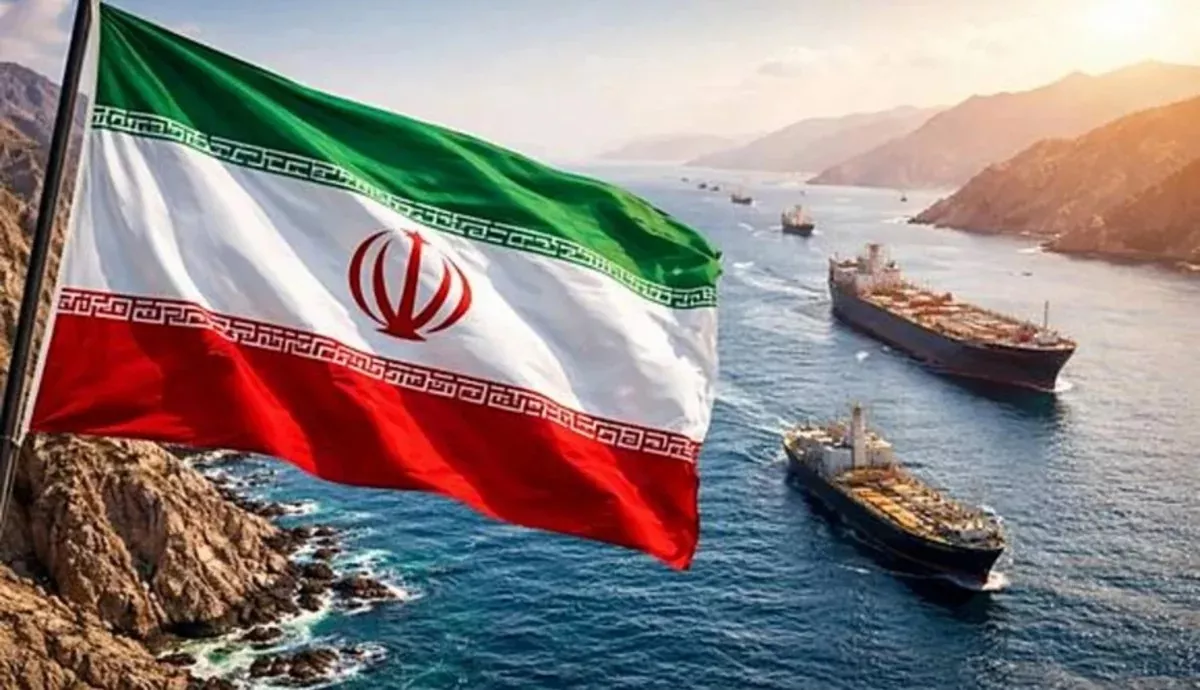
The 60-day period set out in the June memorandum between the United States and Iran has expired, but the two sides have still failed to reach an agreement. Moreover, the situation has shifted somewhat in Washington’s favor during this period. The United States used the pause to strengthen its position around the Strait of Hormuz — Tehran’s main leverage in this war.
Washington’s real success has been the creation of a covert security corridor. Under the cover of darkness, U.S. forces are secretly escorting groups of tankers — 15 to 20 vessels at a time — through Oman’s southern territorial waters. This allows roughly 10 million barrels of oil per day to be transported, or about half of the pre-war volume. Added to this is the fact that some hydrocarbons are being exported through overland pipelines that bypass the Strait of Hormuz. Taken together, these factors have prevented the global energy market from experiencing a catastrophic price spike.
Washington is now moving to the next stage. Trump has announced a sweeping economic war against Iran and threatened sanctions against countries that continue to trade with Tehran. In other words, the Americans are now relying less on military pressure and more on gradually strangling the Iranian economy while keeping the Strait of Hormuz at least partially operational.
For Tehran, this represents a serious shift. Back in June, Iran had a powerful bargaining chip in its ability to threaten to shut down the world’s main oil artery. Now, however, the United States appears to have significantly weakened that leverage.
The key question is whether Iran still has the capacity to inflict enough serious military damage on the United States and the Gulf states to shift the balance of power once again — or whether Tehran will have to return to the negotiating table from a much weaker position.







 editor@caliber.az
 +994 55 444-88-98
 Азербайджан, Баку, ул. Низами, 203, Af Business House, 5-й этаж