










The "Cleansing Fire": Hungary’s bold campaign to overhaul governance Matanat Nasibova on Magyar’s political calculus
Hungary is undergoing sweeping political and institutional transformations that mark a historic shift in the country's governance. Having succeeded Viktor Orbán as prime minister, Péter Magyar initiated a campaign dubbed "Cleansing Fire" aimed at replacing key state officials and carrying out comprehensive constitutional reforms.
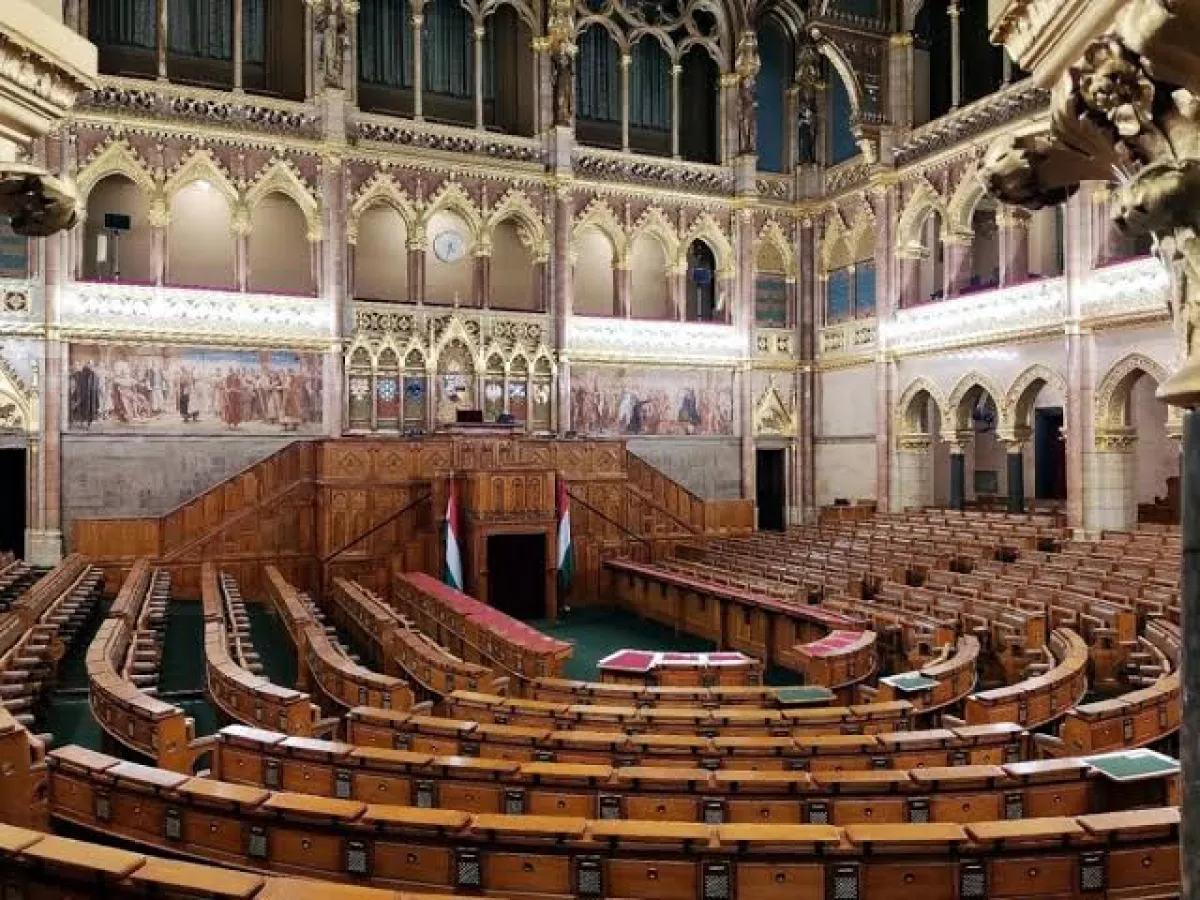
As part of these structural measures, the Hungarian parliament enacted a constitutional amendment limiting the prime minister's tenure to a maximum of two terms. Additionally, authority was granted for the creation of a specialised agency tasked with identifying and recovering misappropriated public funds back into the state budget. The government also announced plans to draft an entirely new Fundamental Law to replace the existing Constitution, declaring that the new document is designed to restore a traditional system of checks and balances.
In parallel, Péter Magyar announced a political course aimed at dismantling the influence of the previous political establishment. As part of this effort, Tamás Sulyok, who had supported the former political line, was removed from the presidency. He was succeeded by András Baka, who officially assumed office on August 19 following an August 11 parliamentary vote in which his candidacy received the support of 140 lawmakers.
Who is Hungary's new president, elevated to the post under Prime Minister Péter Magyar's administration? András Baka’s political and legal trajectory began in the 1990s, when he served as a Member of the National Assembly representing the conservative Hungarian Democratic Forum.
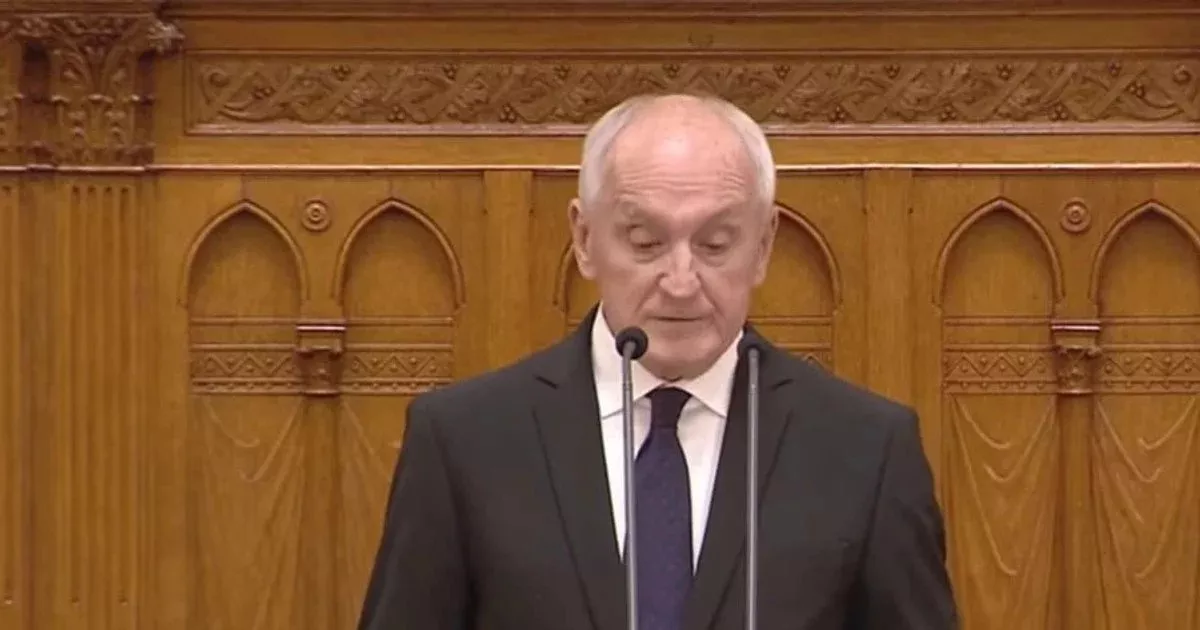
Following his parliamentary tenure, Baka built an extensive judicial career, serving as Hungary's judge at the European Court of Human Rights (ECHR) before being appointed President of the Supreme Court of Hungary. His tenure as Chief Justice lasted just two years and ended in premature dismissal due to his vocal criticism of judicial reforms enacted by the government at the time, which included renaming the Supreme Court to the Kúria.
This history of judicial independence likely served as a decisive factor in selecting Baka for the presidency. As a figure who operates outside standard party politics, his appointment aligns with Prime Minister Magyar's broader strategy to restore the presidency as an institution independent of executive influence and committed to classical checks and balances.
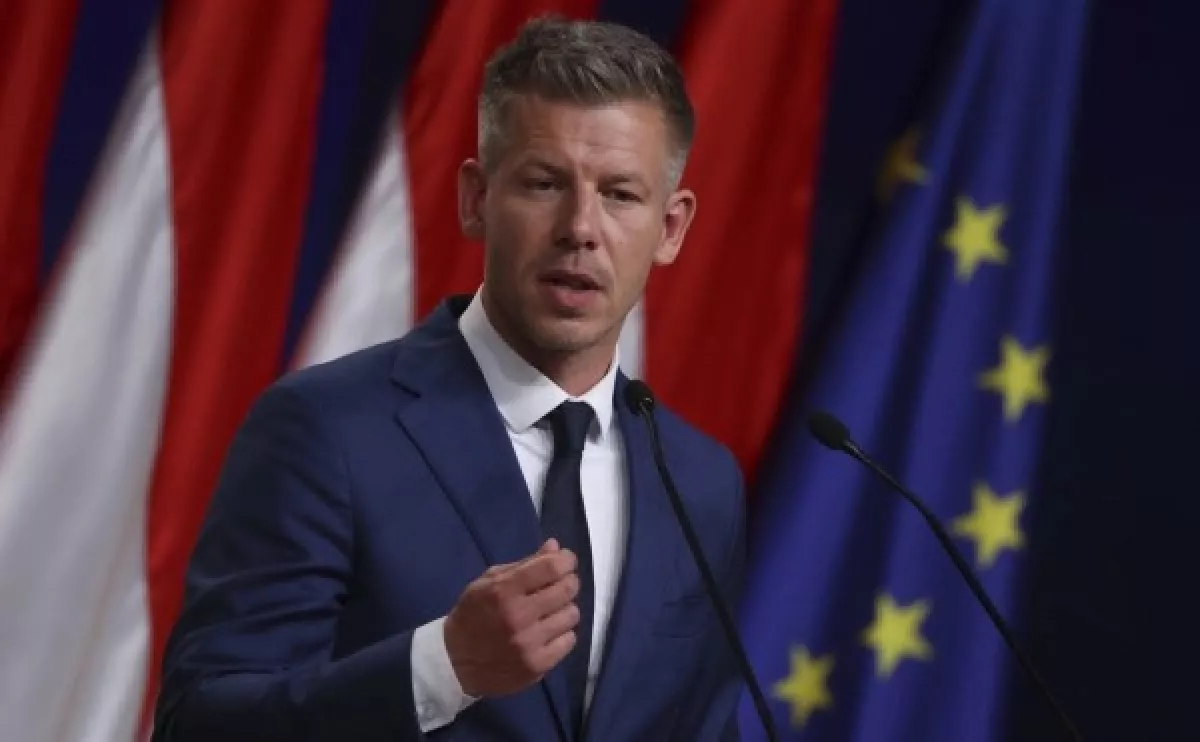
From a broader structural perspective, Prime Minister Péter Magyar’s appointment of András Baka signals a comprehensive dismantling of the previous political order and a definitive break from the Viktor Orbán era. While Hungarian law accords the presidency substantially less executive authority than the prime minister, the head of state retains critical constitutional levers, including the power to return passed legislation to parliament for reconsideration or refer bills directly to the Constitutional Court. Viewed through this lens, it is notable that in his inaugural address following his swearing-in, President Baka explicitly pledged to help restore the rule of law and ensure that the executive branch does not exercise unchecked power.
This institutional transition carries significant foreign policy implications. President Baka’s background aligns closely with European legal standards, positioning him favorably with Brussels compared to the previous presidential structure. Crucially, the newly appointed president has designated the restoration of ties with Hungary’s international partners as a core priority — a direction welcomed by the European Union as it seeks to maintain Budapest within its broader institutional and strategic framework.
Based on these factors, President András Baka’s elevation represents a positive signal for the European Union and an optimal outcome for Prime Minister Péter Magyar, who aims to return Hungary to a more predictable European political and legal framework.
However, international analysts are raising a key question from this very perspective: Will Baka serve as a legal guarantor of Magyar’s reform agenda, or will he gradually emerge as an independent center of institutional oversight examining the new government? Observers note that Baka could face a fundamental dilemma between supporting the political platform of the Respect and Freedom (TISZA) party and upholding the strict legal principles he has advocated throughout his career.
While the coming months are expected to provide answers to these questions, the current landscape makes one trend clear: Prime Minister Magyar, working alongside the new head of state, intends to press forward with restructuring Hungary's state institutions and drafting a new Fundamental Law aimed at fully dismantling the previous political framework.







 editor@caliber.az
 +994 55 444-88-98
 Азербайджан, Баку, ул. Низами, 203, Af Business House, 5-й этаж