










New momentum: are Washington and Tbilisi testing a reset? American and Georgian analysts on Caliber.Az
It is no secret that relations between Washington and Tbilisi have not been particularly dynamic or trouble-free. A very accurate assessment of the current state of these ties was given in March 2026 by the Speaker of the Georgian Parliament, Shalva Papuashvili, who described the partnership between the two countries as “paper-based” and emphasised that Georgia is aiming for a genuine strategic partnership with the United States.
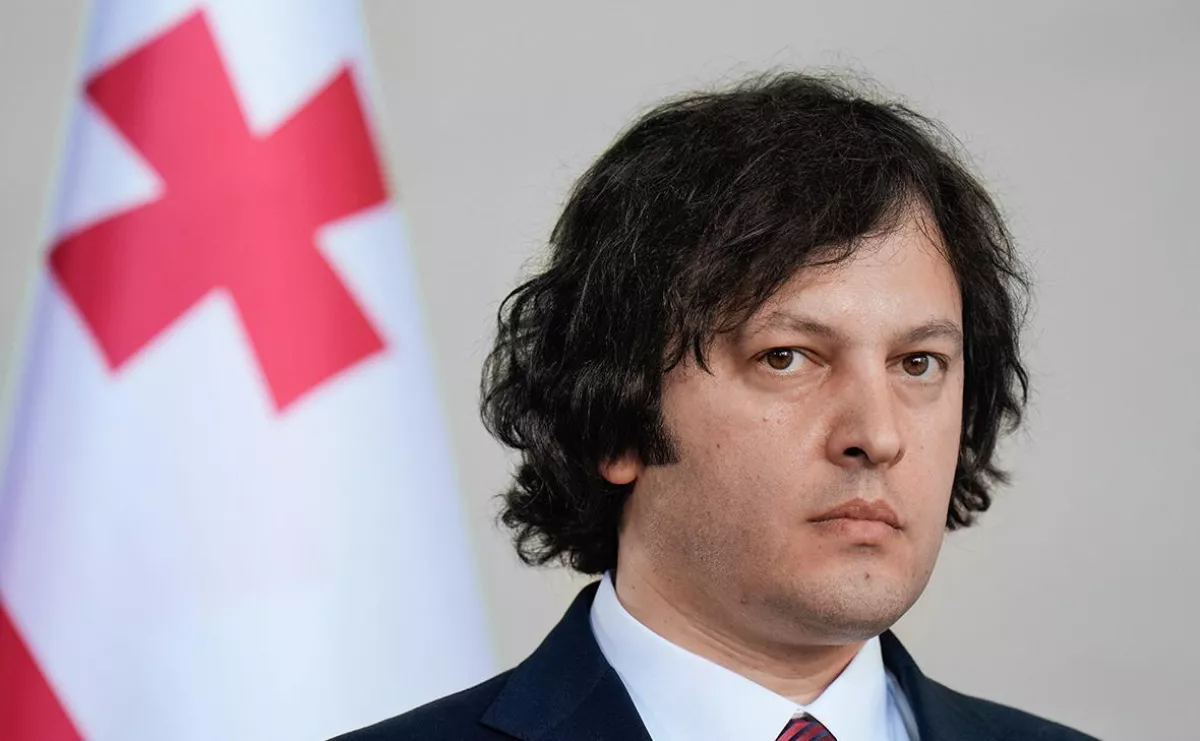
Just recently, Georgian Prime Minister Irakli Kobakhidze announced on his social media page on X that he had a productive phone conversation with U.S. Secretary of State Marco Rubio.
“I had a productive phone conversation with US Secretary of State Marco Rubio. We emphasised the importance of resetting our partnership and reinforcing Georgia’s role as a strong partner in the South Caucasus. Committed to strengthening Georgia–U.S. ties and advancing regional stability and connectivity,” the Georgian prime minister wrote, adding that Georgia’s role as a strong partner in the South Caucasus will continue to grow.
Can this contact be interpreted as a full-fledged start of a reset in Tbilisi–Washington relations, and is the dialogue capable of influencing the restoration of diplomatic contacts between the EU and Georgia? American and Georgian political analysts answer these questions for Caliber.Az.

An expert in geopolitics and security, editor-in-chief of The Washington Outsider, Irina Tsukerman, believes that the conversation between the Georgian prime minister and the U.S. Secretary of State marks the beginning of a cautious political movement, which can be seen as a gradual restoration of working dialogue after a period of noticeable cooling.
“The very fact of contact at such a high level indicates a mutual interest in stabilising relations, as such conversations usually become possible only when both sides see practical value in reducing tensions. In diplomatic practice, such signals rarely mean quick breakthroughs. They typically reflect the beginning of a longer process of testing intentions and defining the boundaries of possible cooperation,” she said.
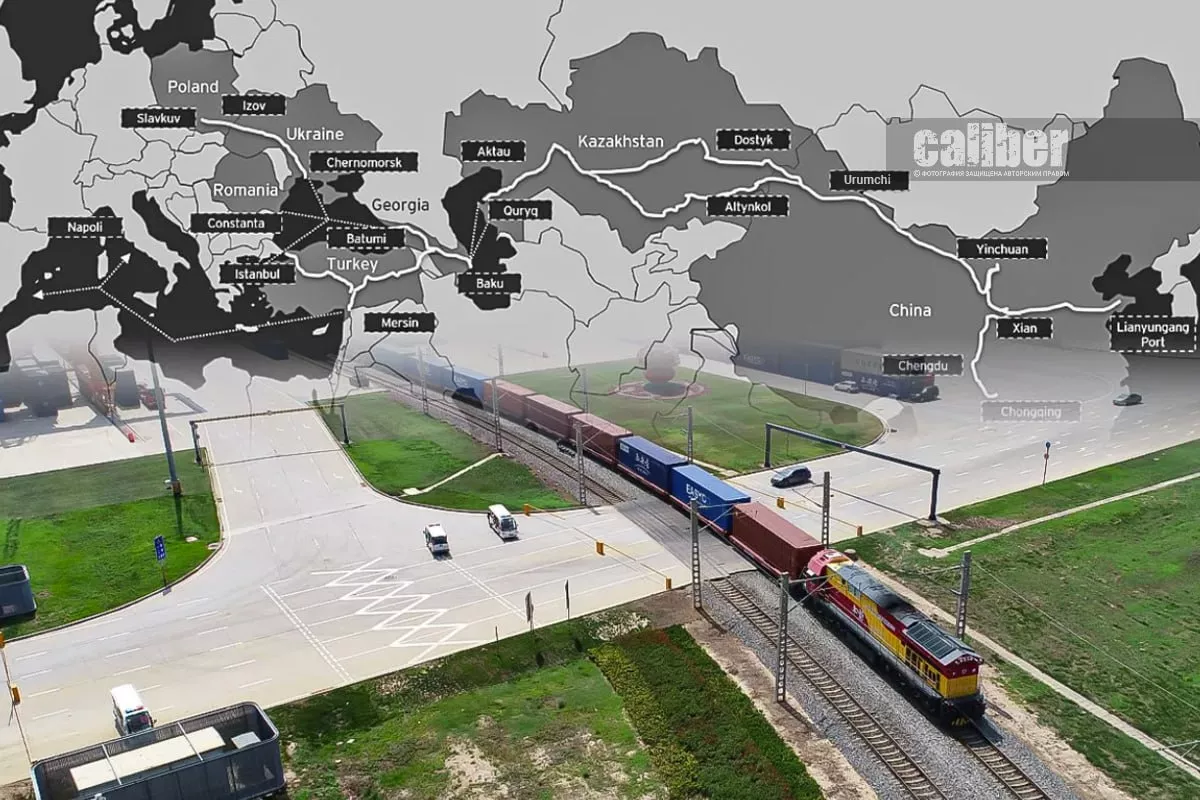
According to the political analyst, from the U.S. side such contact may reflect a broader recognition that the South Caucasus is gaining increasing importance in the context of a changing security architecture: “The weakening of previous mechanisms of Russian influence, the conflict surrounding Iran, the ongoing transformation of transport routes between Europe and Asia, and the growing importance of the Middle Corridor are bringing the region back into Washington’s more active focus. In this context, Georgia remains a geographically important transit hub, regardless of the complexity of political relations in recent years.”
She also noted that for Georgia, this process could open up a number of opportunities, particularly in the field of security: “This may involve the resumption of certain forms of military dialogue, consultations on defence planning, technical cooperation in cybersecurity, and the expansion of training programs. Even a limited restoration of such contacts is usually perceived in Tbilisi as strengthening the country’s strategic resilience, since cooperation with the United States has traditionally been viewed by the Georgian political elite as a key element of long-term security.”
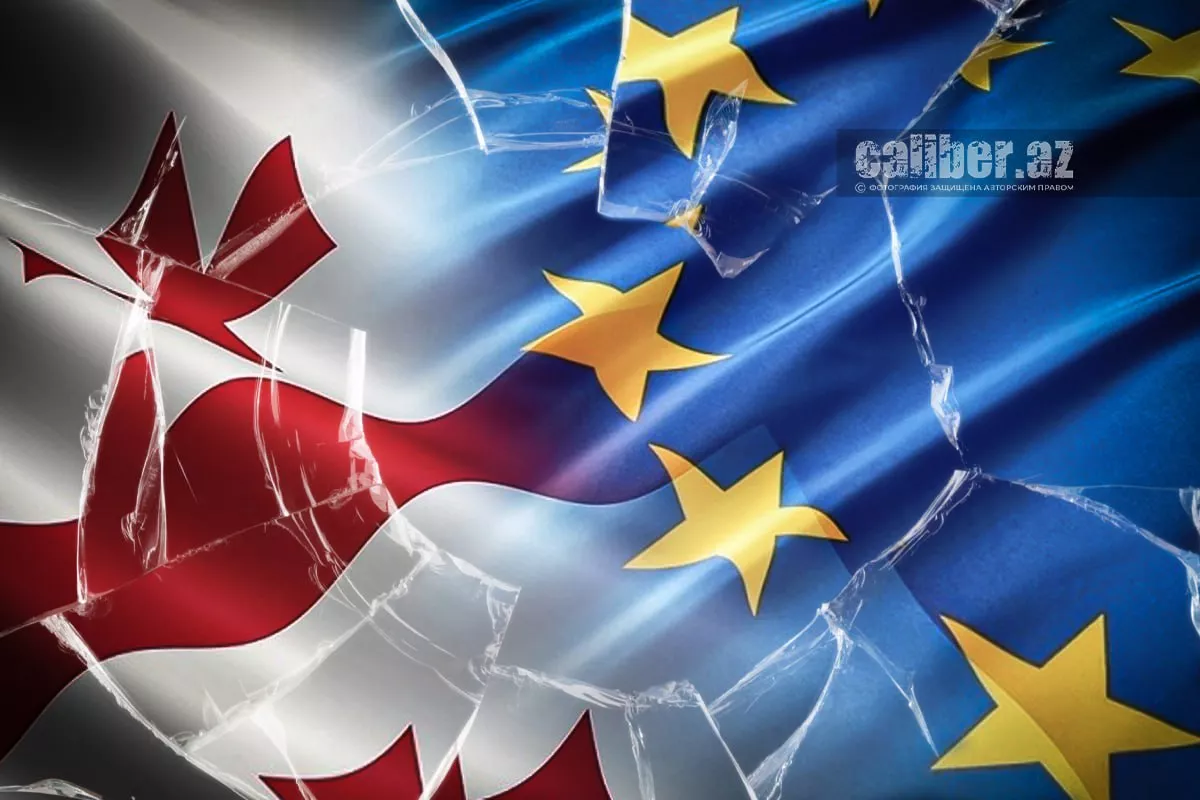
In addition, the expert believes that an improvement in relations between the United States and Georgia could halt the regressive trends in the interaction between Brussels and Tbilisi, where relations have not only stalled but have become increasingly complicated.
“European institutions traditionally closely monitor the state of U.S.–Georgia relations, as Washington remains an important indicator of the political acceptability of partners within the broader Western space. Improved ties with the United States may be perceived in European capitals as a signal that dialogue with Tbilisi remains possible. The process of normalising relations with the EU depends on a more complex set of factors related to domestic reforms, the state of political competition, and institutional standards.
European policy toward Georgia has always been based on a combination of geopolitical interest and normative expectations. Even with an improvement in the geopolitical climate, it is the country’s internal processes that will determine the pace of restoring trust between Brussels and Tbilisi. The European Union is interested in the stability of transport routes through the South Caucasus, energy diversification, and the reduction of regional risks, and Georgia remains part of these calculations due to its geographical location and infrastructural role,” said Tsukerman.

Georgian analyst, editor of the “European Perspective” project, Beso Kurtanidze, believes that the issue of Iran and Georgia’s regional proximity to the Middle East are prompting Washington to reset its relations with Tbilisi.
“The United States is concerned about Iran’s influence and pressure on Georgia, as well as potential attempts by Tehran to destabilise the situation in the country. How justified these concerns are is another question, but in any case, at this stage, in its communications with Tbilisi, Washington places critical importance on protecting the Baku–Tbilisi–Ceyhan oil pipeline and the Middle Corridor. This, in turn, requires internal stability — that is, preventing unrest, ensuring resilience to provocations — as well as diplomatic coordination together with Azerbaijan and Armenia, so that the region does not turn into a ‘playground’ for Russia and Iran,” he said.
According to the analyst, the United States does not require active military assistance from Georgia against Iran; rather, it needs passive stability to ensure that the South Caucasus does not become an additional problem and continues to function as an energy and logistics alternative to Russia and Iran.
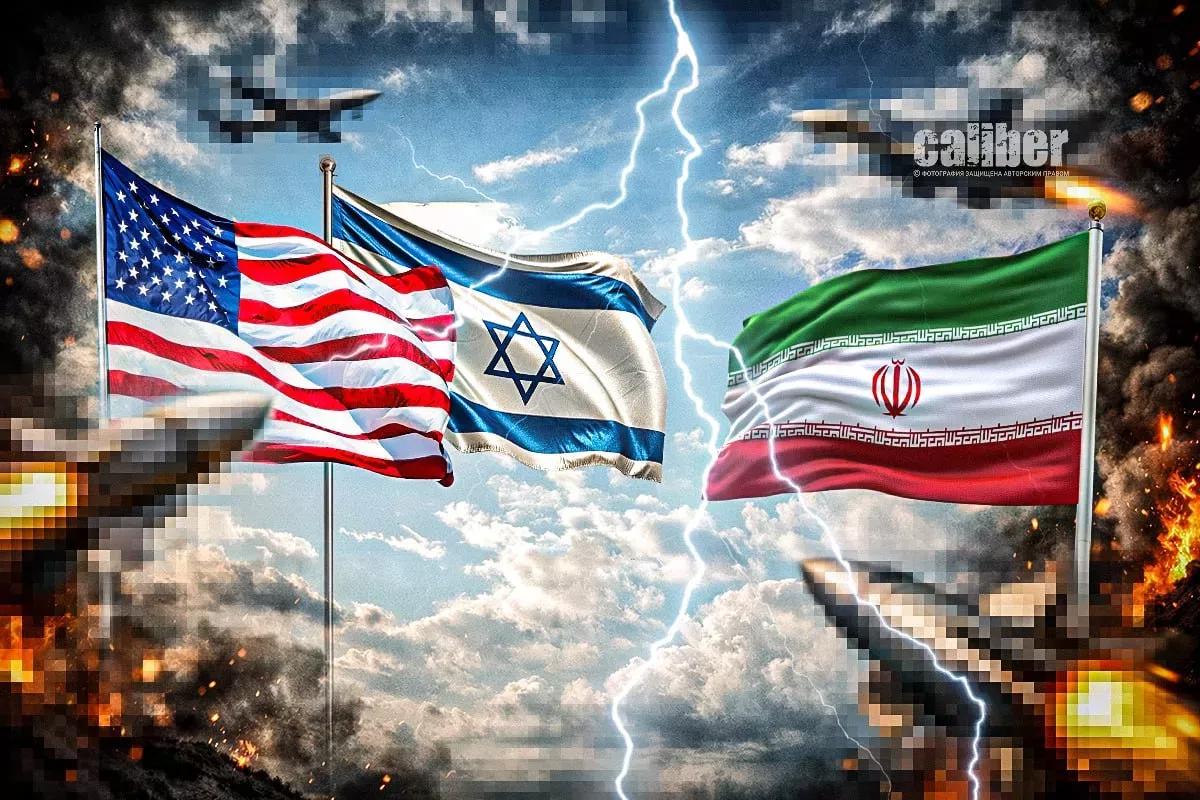
“The United States has no military bases in Georgia, and for operations against Iran, Washington relies on bases in the Persian Gulf. An open-sky arrangement is also unlikely; routes from Europe and the United States toward Iran typically pass through Türkiye or other pathways. Thus, Georgian airspace holds limited tactical value in such operations. However, the dialogue between Rubio and Kobakhidze has generated unexpected resonance, which underscores the factor of competition between Washington and Tehran for influence over Georgia.
Specifically, Iran’s ambassador to Tbilisi, Seyed Ali Mojani, posted on social media a warning that no country is immune to the consequences of a regional crisis, and that states assisting the United States would have to ‘pay a price.’ Many interpreted this statement as a direct threat to Georgia: if the country sides with the Americans in the conflict with Iran or simply fails to maintain strict neutrality, the regional crisis—terrorism, hybrid attacks, economic damage—could affect it as well. As we can see, the Islamic Republic of Iran reacts very sharply to any signal that Georgia or another South Caucasus country could become a ‘logistical or political support’ for the U.S. and Israel in confronting Tehran.
While the Iran–U.S.–Israel conflict continues, the Islamic Republic is trying to limit regional support for Washington. The ambassador’s post was a form of diplomatic pressure: ‘Be careful in your actions.’ Although the diplomat’s Facebook page soon became inaccessible (likely removed by the ambassador or the embassy), a brief version remained on X. This is typical of Iranian diplomacy: issuing a strong statement as a message, then softening or deleting it later to avoid permanently damaging relations.
Iran has long viewed Georgia, along with Azerbaijan, as a potential threat due to the Middle Corridor, cooperation with Israel, and the possibility of using Tbilisi to tighten the sanctions regime against Tehran. The conversation between Rubio and Kobakhidze, which emphasised ‘regional security,’ was interpreted by the Iranian side as a signal that ‘something is happening,’” the expert said.
As for the EU, according to Kurtanidze, if Tbilisi’s relations with Washington improve, this will automatically lead to a restoration of ties with the European Union: “Recognition of the legitimacy of the Georgian authorities by the United States will compel Brussels to reconsider its policy toward Georgia.”







 editor@caliber.az
 +994 55 444-88-98
 Азербайджан, Баку, ул. Низами, 203, Af Business House, 5-й этаж