










Connecting Eurasia: How the Zangezur Corridor boosts OTS Expert opinions on Caliber.Az
During his visit to Baku to attend the second meeting of the heads of governments/vice presidents of the Organisation of Turkic States (OTS), Turkish Vice President Cevdet Yılmaz gave an interview to the Azerbaijani APA agency, in which he made several defining statements. In particular, he indicated that challenges and conflicts in the region do not affect the goals of Turkic states, nor the strategies of Baku and Ankara, and that their implementation is proceeding as planned.
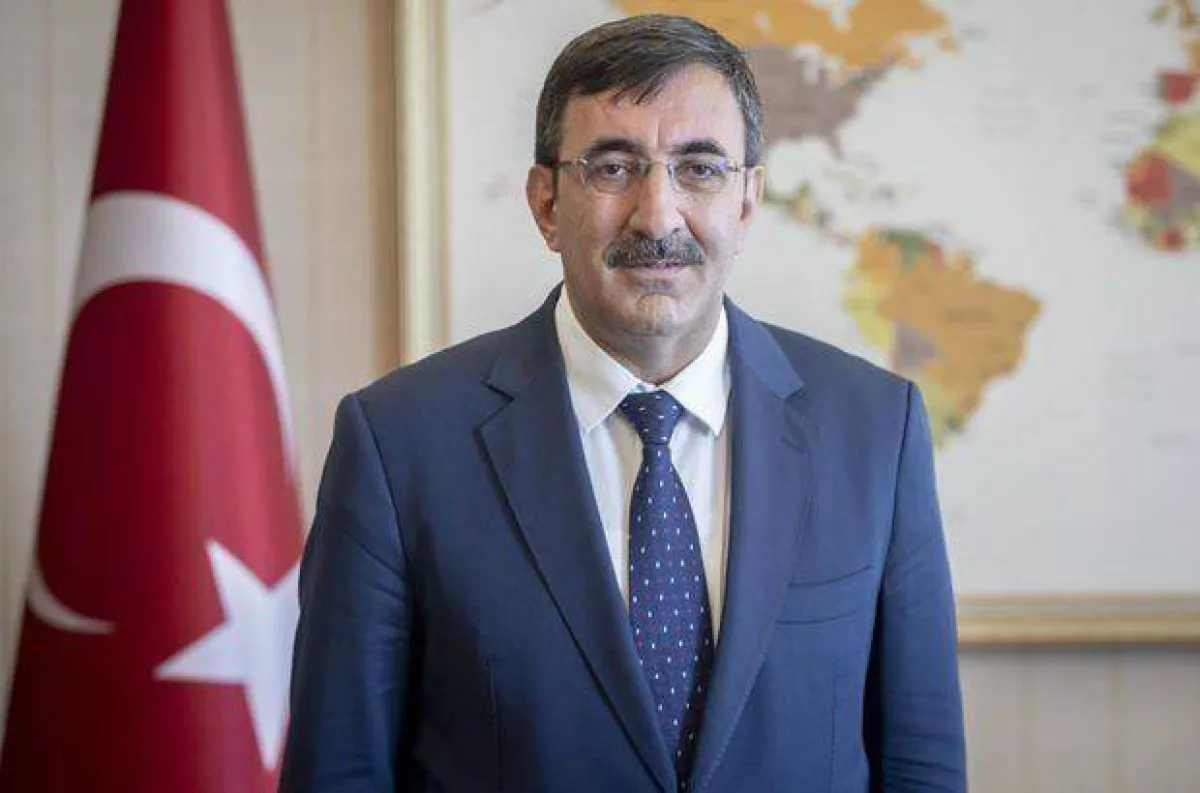
Speaking about the development of the Türkiye — Azerbaijan — Central Asia logistics line, the Turkish vice president emphasised that with the opening of the Zangezur Corridor, a direct land connection will be established between Nakhchivan and the main territory of Azerbaijan, enabling continuous transport communication between Türkiye and “mainland” Azerbaijan.
“In this context, a direct road link will be created between our country and the Turkic republics. The launch of the Zangezur Corridor will have a significant impact on accelerating and diversifying regional trade and investment flows, as well as on achieving our country’s target trade volumes with the states of the region,” he stressed.
In his view, “the opening of the Zangezur Corridor, alongside its positive impact on trade between the Turkic world and the rest of the world, will also contribute to the normalisation of relations between Türkiye and Armenia and to a healthier development of ties between Azerbaijan and Armenia, deepening regional economic cooperation and integration through the unifying power of trade.”
On the other hand, according to Yılmaz, OTS, thanks to mechanisms of intensive consultations and coordination, is becoming a structure better prepared to face the multifaceted risks of the modern world, both in terms of political will and institutional capacity. The recent meeting of the Council of Foreign Ministers held in Istanbul clearly demonstrated this joint will to act.
But what do foreign experts think about the Turkic countries’ roadmap, the unblocking of communications in the South Caucasus, and the impact of conflicts in neighbouring regions on OTS? Caliber.Az turns to Turkish and Azerbaijani political analysts to answer these questions.

Turkish political analyst Kerim Has notes that Ankara apparently does not doubt that Nikol Pashinyan will remain in power in Armenia following the elections, and is shaping its policy based on this scenario.
“I think that if he retains power, the process of signing a peace agreement between Baku and Yerevan could most likely be completed by the end of this year. In addition, a constitutional referendum is expected in Armenia. Thus, Pashinyan’s victory in the elections will show to what extent Armenian society supports the peace process, since, on the one hand, these are parliamentary elections, and on the other, a kind of referendum on the peace process between Azerbaijan and Armenia. In my view, the Armenian opposition is not capable of winning, although some forces, such as the parties of Karapetyan or Kocharyan, may enter parliament. However, overall, the situation is such that there is no serious threat to Pashinyan, so both Baku and Ankara expect that everything will proceed according to plan,” he said.
Continuing on the topic, the expert highlighted practical steps being taken by Ankara: “Türkiye is already preparing for the opening of the border with Armenia, and possibly even before the elections, citizens of third countries may be allowed to cross the border. Other positive measures from Türkiye in support of the peace process—both between Yerevan and Baku, and between Armenia and Türkiye—cannot be ruled out. This could serve as an incentive for the Armenian authorities to take further steps, while also creating public understanding that peace is beneficial for all parties.”
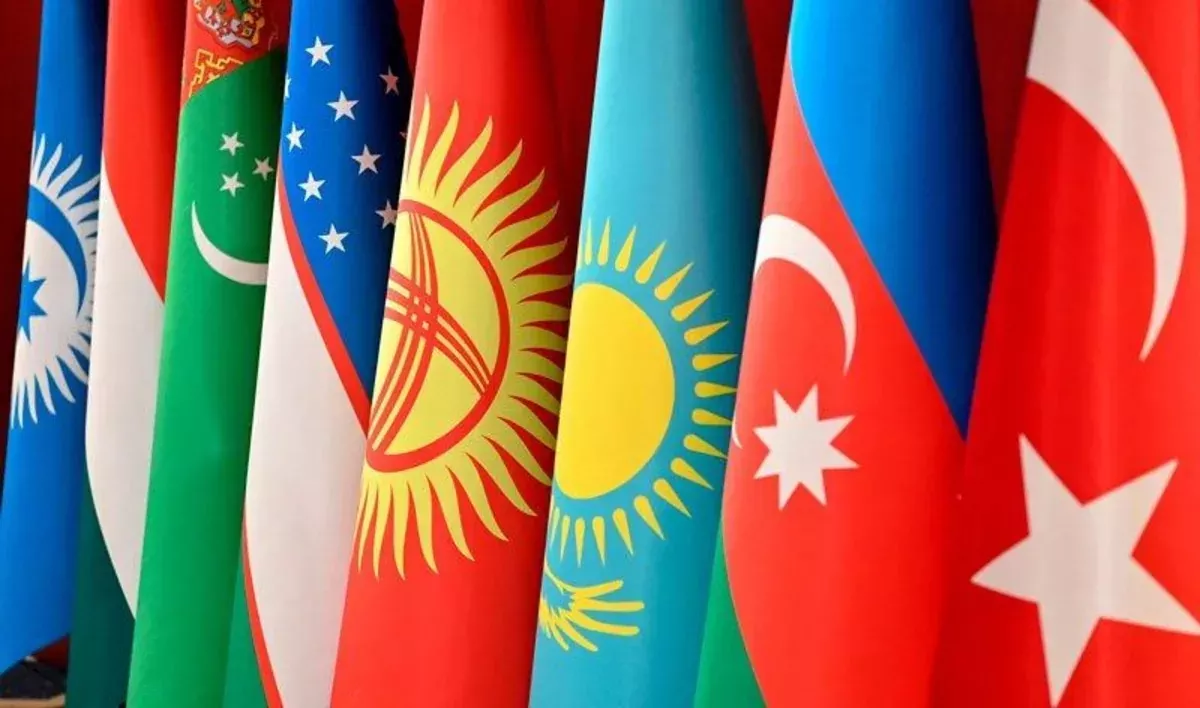
Speaking about OTS, the political analyst noted that the organisation encompasses countries spread across a vast territory: “This is one of the most promising regional platforms. After the signing of a peace agreement between Azerbaijan and Armenia, borders will open and active unblocking of communications will begin, giving an additional boost to cooperation among OTS member states. The relatively new C6 format, which includes the Central Asian countries and Azerbaijan, also fits into this context.”
Touching on geopolitical factors, the expert pointed out that, in light of the armed confrontation in the Middle East, Iran is currently unable to actively influence processes in the post-Soviet space, particularly in the South Caucasus, while Russia’s attention remains largely focused on Ukraine.
“In these conditions, among the key regional powers—Russia, Iran, and Türkiye—Ankara has a serious opportunity to increase its influence both in the South Caucasus and in Central Asia. This is precisely why Vice President Cevdet Yılmaz stated that the likelihood of extraordinary circumstances that could derail this process is extremely low. To be honest, I share this view. On the one hand, such a scenario does not appear unexpected; on the other, it demonstrates how prepared the Turkish authorities are for a new phase of relations with the South Caucasus countries, and, prospectively, with Central Asia,” said Has.
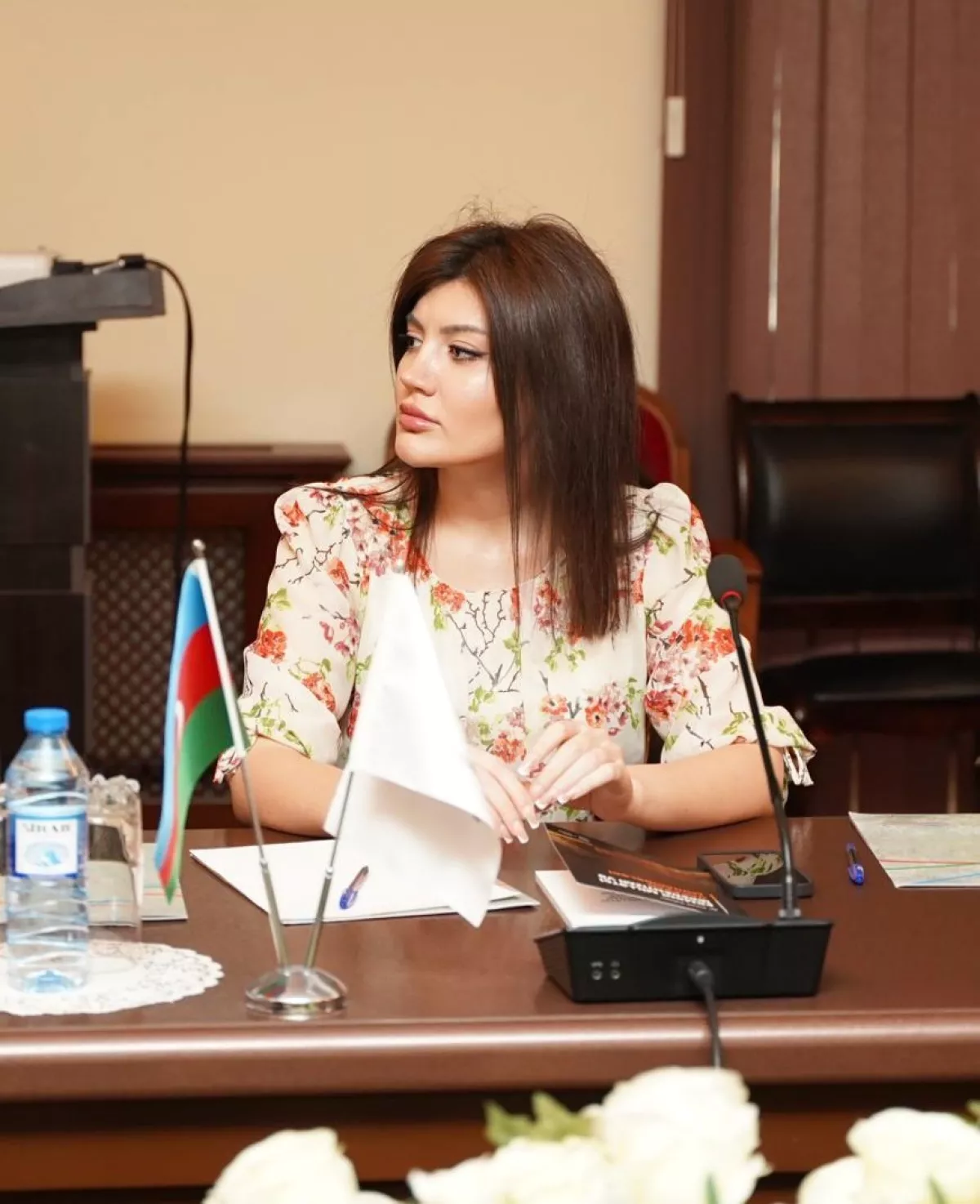
Meanwhile, PhD candidate and analyst at the Caucasus Policy Analysis Center, Elmira Talibzade, believes that a number of Vice President Cevdet Yılmaz’s statements should be seen as a broader reflection of a political decision already adopted by Ankara at the level of strategic planning.
“Türkiye’s position specifically regarding our region follows three main lines: the launch of the Zangezur Corridor, the normalisation of Turkish-Armenian relations, and the strengthening of the Turkic world. But, in my view, the key point here is precisely the Zangezur issue, while everything else is built around it as derivative, yet nonetheless essential, elements,” she said.
According to her, Türkiye demonstrates a level of political and strategic clarity that is rare for a region located so close to the epicentre of instability.
“In particular, this refers to the shift from a ‘conditional project implementation’ model to a model of deterministic geoeconomic inevitability, meaning that the project is no longer considered dependent on external factors. Where does this confidence come from? Because the very structure of external risks has changed. The priorities of those key actors who could potentially influence the dynamics of the South Caucasus—including the pace or format of the Zangezur Corridor’s implementation—have now shifted. They are focused on their own strategic issues, whether security challenges, internal stability, or the redefinition of foreign policy directions.
As a result, a classic ‘window of geopolitical opportunity’ emerges, which should be properly leveraged, because any instability along traditional routes (from the Persian Gulf to the Middle East) automatically increases the value of alternative overland connections, the necessity of which now outweighs any temporary external factors—especially those passing through the relatively stable South Caucasus,” the political analyst emphasised.

She also noted that the Zangezur Corridor is ceasing to be a subject of debate and is becoming an element of Eurasian transport-logistics convergence. For example, even now, when the capacity of alternative routes in the region is limited, the potential throughput of the Middle Corridor could reach 15–20 million tons of cargo annually, and in the longer term—up to 30 million tons with full infrastructure integration. Only with the implementation of the Zangezur segment will these figures become practically achievable.
“Ankara operates on the logic that neither Iran, nor the Middle East, nor even the side effects of the Russia-Ukraine war can stop this process. The world has entered a phase of high turbulence, tensions around Iran persist, but in essence, they work in the opposite direction, increasing the significance of the South Caucasus as a stable transit space. The paradox is that this instability accelerates processes within the Turkic space: regional actors are seeking to fix new points of leverage, and when the Strait of Hormuz or the Eastern Mediterranean remain risk zones, overland routes through (mostly) OTS countries become more attractive.
This logic is generally confirmed in Turkish expert circles, and the most frequently cited benchmark is the medium-term period, 2027–2030, as the time when the Zangezur Corridor is expected to reach full operational capacity. Although the launch of basic infrastructure is possible earlier in a phased manner, it requires gradual ramping up of functionality rather than a one-time opening, with transport, energy, and digital components being introduced sequentially,” the political analyst said.

Another interesting point, which, in her view, was highlighted in Baku, is the idea that OTS is gradually ceasing to be just a platform for coordination and is beginning to function as a unified geoeconomic and geopolitical space.
“Already, 58 areas of cooperation have been recorded, and this involves the synchronisation of transport policies, energy projects, and digital standards. As is well known, when such parameters begin to align, a scale effect emerges that automatically strengthens political influence. It is possible that, within this configuration, OTS will gradually move toward a model of participation in the soft coordination of various other projects, including the Zangezur Corridor.
This brings us to the second line—the Turkish-Armenian border. From Ankara’s perspective, this is no longer a political issue in the classical sense, as it was before Azerbaijan liberated its territories and restored sovereignty, but rather an element of necessary regional economic normalisation. Naturally, once a transport link is established, political decisions begin to adapt to economic feasibility, which is a standard model.
In this configuration, Azerbaijan acts as the system-forming, anchor element of stability, through which the entire architecture of these constructs is built. Türkiye understands this perfectly, which is why its position is synchronised with Azerbaijan’s, and, as Yılmaz noted, confidence in the imminent launch of the Zangezur Corridor remains unwavering despite everything,” concluded Talibzade.







 editor@caliber.az
 +994 55 444-88-98
 Азербайджан, Баку, ул. Низами, 203, Af Business House, 5-й этаж