










New security strategy in the South Caucasus Expert opinions on Caliber.Az
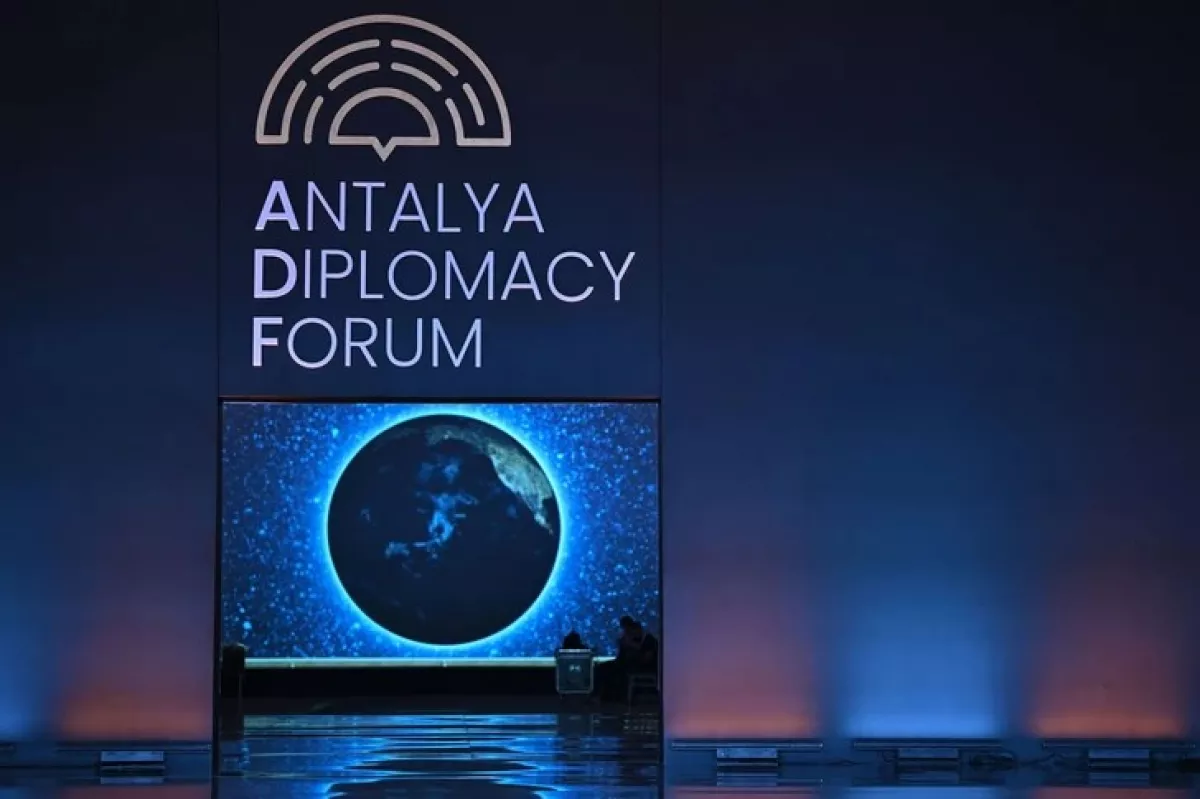
The 5th Antalya Diplomacy Forum (ADF 2026), recently held, attracted the attention of global media and analysts due to both the scale of the issues discussed and the statements made by high-ranking representatives of various countries.
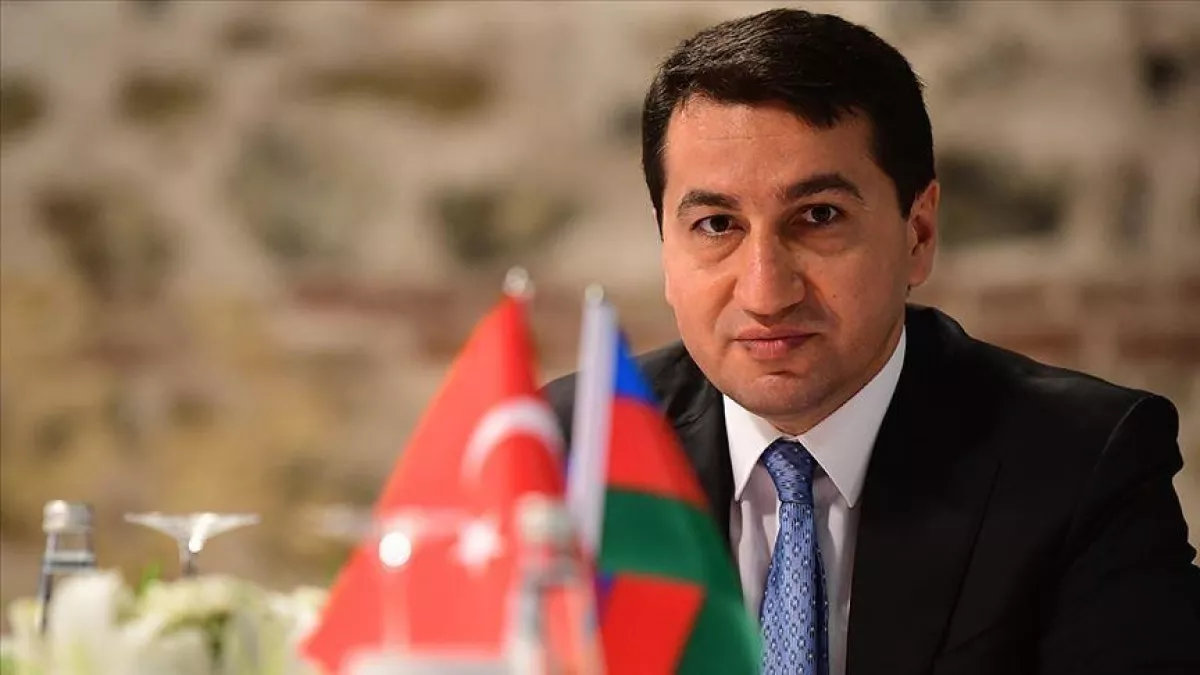
In particular, Hikmet Hajiyev, Assistant to the President of Azerbaijan and Head of the Foreign Policy Affairs Department of the Presidential Administration, made a number of significant statements during the panel sessions “The Role of Regional Ownership in a Transforming World” and “South Caucasus: A Strategic Hub in the Making,” held as part of ADF 2026. The Presidential Assistant noted that “Azerbaijan has been a firm advocate of regional ownership from the very beginning,” and emphasised that “ we should build our own order in our region instead of waiting for some others to come in our place to fulfil their own missions in our region. That's one fundamental issue.” According to Hikmet Hajiyev, regional ownership includes a number of key elements: “one among many other important elements is a full regional shared responsibility to the regional affairs. It should also be complemented with a regional leadership that we are also trying together with our sister and brotherly countries in our region to fulfil.”
Similar ideas were also expressed by Turkish Foreign Minister Hakan Fidan.
Azerbaijani and Turkish experts shared their views on this topic with Caliber.Az.
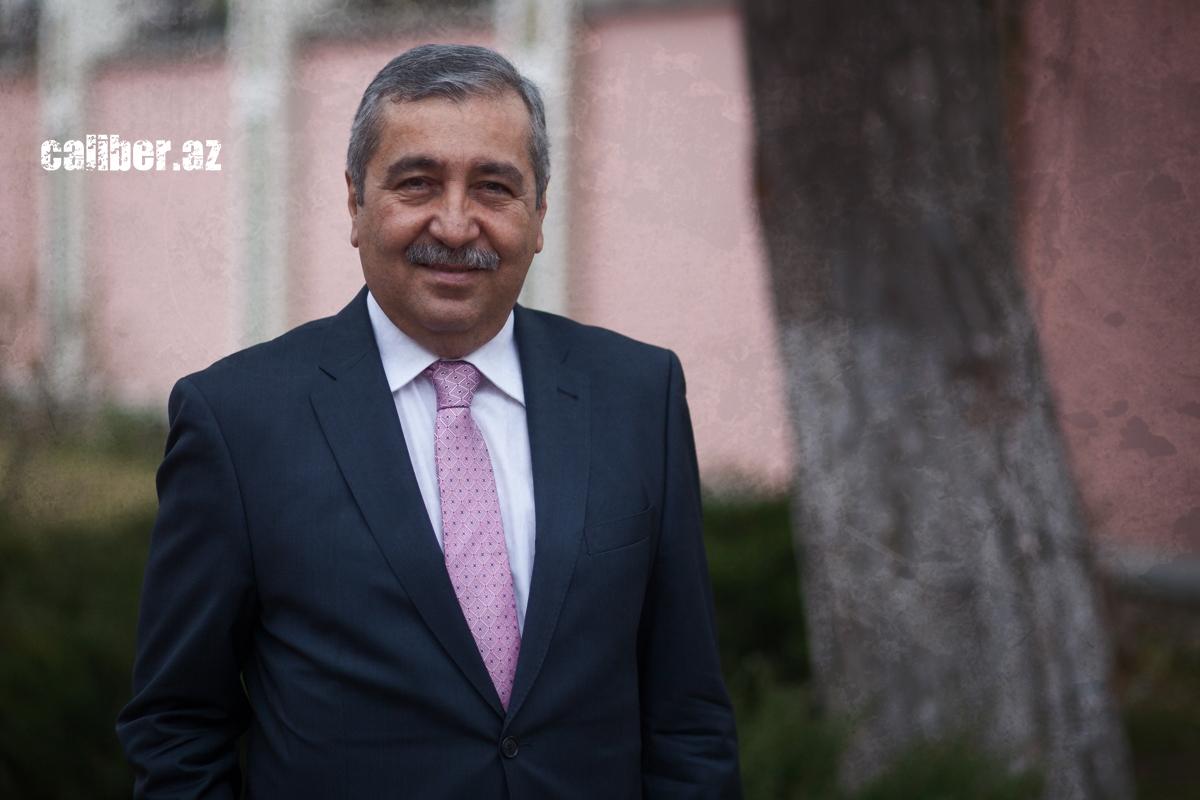
Doctor of Law, Ambassador Extraordinary and Plenipotentiary, Head of the Department of International Relations and Foreign Policy at the Academy of Public Administration under the President of the Republic of Azerbaijan, Professor Namik Aliyev, believes that, analysing Azerbaijan’s foreign policy, it can be stated with confidence that the emphasis is placed on “regionalism without intermediaries”.
“Assistant to the President of Azerbaijan Hikmet Hajiyev, in his speech at ADF 2026, in essence articulated the idea that the South Caucasus should move away from the dominance of external actors, and that Azerbaijan seeks a model in which key decisions are made within the region, while the role of global powers (the EU, the US, Russia) is secondary or limited. This is a signal of an attempt to reconfigure the balance of influence,” he said.
According to the political analyst, the peace process today is in a “grey zone.”
“This indicates that Baku considers the current situation to be transitional, and it signals the need to accelerate the fulfilment of conditions required for the signing of a peace agreement, first and foremost, constitutional amendments in Armenia. In other words, to consolidate the peace process, practical steps are required from the Armenian side, not declarations. The speech also emphasised that initiatives should not remain ‘on paper’. All of this suggests that Azerbaijan sees delays on the Armenian side and is exercising patience, while at the same time seeking to push the Armenian side towards concrete actions,” the political analyst stressed.
In his view, references to “regional ownership” are not an abstraction, and the parties must strive to entrench the peaceful status quo as the new norm.
“All participants must accept the current balance of power as a starting point. Azerbaijan has become a regional centre. Therefore, when leadership and responsibility are mentioned, these are not neutral words. Our country plays a leading role in shaping the rules of the game in the South Caucasus, which should be seen as part of a broader foreign policy strategy of strengthening influence.
Thus, if we bring everything together and frame it as theses, Azerbaijan’s position as presented by Hajiyev can be expressed through the following narratives. One of them is that the region should ‘turn inward’, and that the current situation represents a window of opportunity. It is also clear that peace must be formalised quickly and with the understanding that Azerbaijan plays a key role in this architecture,” Aliyev stated.
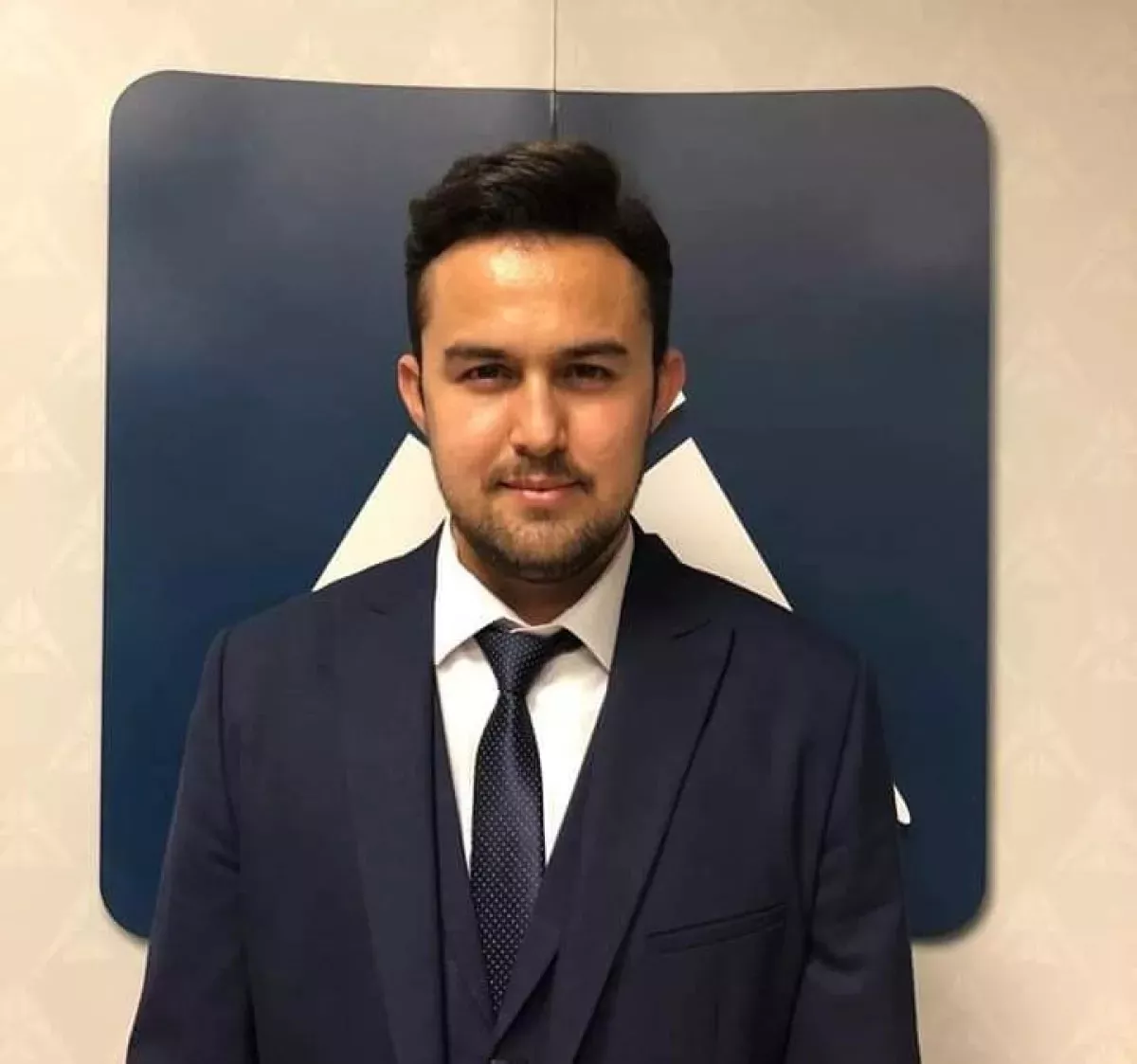
In turn, international relations specialist at the Ankara Center for Crisis and Policy Studies (ANKASAM), Göktuğ Çalışkan, is convinced that the statements by Hajiyev and Fidan show that Türkiye and Azerbaijan are now positioning themselves not as “regional players” but as foundational actors shaping the political landscape and security architecture of the region.
“The message delivered at the Antalya Diplomacy Forum can be interpreted as a readiness to move from the classical equation of ‘the Middle East and the Caucasus as a playground of great powers’ to a geopolitical formula in which regional states take the initiative and establish their own security order. Three main points stand out in Hikmet Hajiyev’s speech: ‘taking responsibility for the region’, ‘sharing responsibility’, and defining Turkish-Azerbaijani cooperation as the cornerstone of regional peace.
This triad, in fact, describes the fundamental parameters of a new era. ‘Taking responsibility for the region’ means abandoning a passive approach to security, which opens the door for external actors, and asserting the right to address problems through intra-regional mechanisms. The emphasis on ‘sharing responsibility’ implies that the Ankara–Baku line is seen not as a bilateral strategic partnership, but as the core of a broader regional security and development architecture.
Presenting cooperation as a ‘cornerstone’ indicates that the axis of the new order, stretching from the South Caucasus to Central Asia, is being defined through Ankara and Baku. The post-conflict context serves as a backdrop for this interpretation, and the message is that the new status quo in the South Caucasus is being shaped both at the negotiating table and on the ground, with this new reality being defined by regional countries, particularly Türkiye and Azerbaijan.
Thus, Hajiyev’s discourse simultaneously incorporates both a distancing from external military-political frameworks of guardianship and the logic of ‘establishing one’s own order,’” the expert said.

The expert also believes that the special emphasis on transforming the Antalya Diplomacy Forum into a global brand over the past few years is part of this broader picture. By demonstrating its military, economic and political presence on the ground, Türkiye is also seeking to create its own diplomatic platforms and conceptual frameworks at the negotiating table.
“The language used in various contexts — from Gaza to the Iran–US–Israel tensions — highlights Ankara’s ambition to play a central role in crisis geographies, while simultaneously being ‘encircled’ and seeking to break out of this encirclement. Hajiyev’s emphasis on ‘taking responsibility for the region’ and Fidan’s call for ‘strong regional responsibility for regional peace and stability’ in fact converge into the same geopolitical formula. From this, a three-level structure can be derived: first, regional activism — that is, the attempt by the Ankara–Baku axis to transform its geography from a passive object of global power competition into an active player taking the initiative. This includes a critical stance towards non-regional military presences and patronage structures both in the Caucasus and the Middle East.
Second, a multilateral yet regionally oriented diplomacy. Although platforms such as the Antalya Diplomacy Forum bring together participants from different parts of the world, the aim is to place Türkiye and its immediate neighbourhood at the centre of discussions.
Third, a new approach in which security and development are intertwined — meaning that the focus is not only on military security, but also on building a sustainable order through energy, transport and trade networks.
To make this picture more concrete, the discussion of the Zangezur Corridor can be viewed not merely as a technical transit project, but as an attempt to reshape the geoeconomic map of the South Caucasus through a network with Ankara and Baku at its centre. Similarly, links stretching from the Caspian Sea to Central Asia are highlighted as strategic pillars of this regional drive for self-determination. Military cooperation, defence industry projects, and joint Turkish-Azerbaijani exercises also form the security backbone of this architecture.
On the other hand, Fidan’s statement that ‘an unjust international system cannot resolve crises’ shows that the formula presented at ADF 2026 is based on a critique of the global rather than the regional order. Examples such as Gaza, Ukraine, and Iran–US–Israel tensions are used to support the argument that the current international system has lost both its capacity to generate norms and to manage crises.
This gap, he argues, can be filled by a country that assumes responsibility for its own region, takes initiative, and acts decisively,” the Turkish analyst stated.
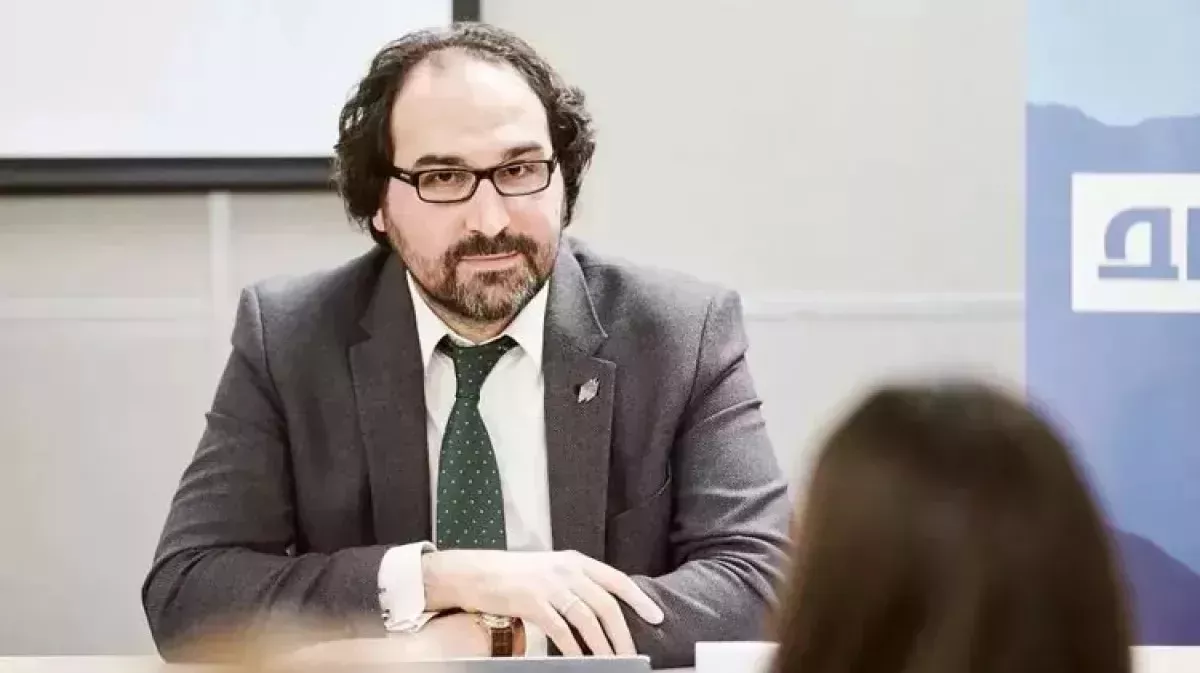
Meanwhile, Turkish political analyst Kerim Has believes that Hikmet Hajiyev’s statements at ADF 2026 indicate a noticeably changing geopolitical climate in the South Caucasus. In his view, Azerbaijan has repeatedly stated the growing importance of regional ownership and has demonstrated through its own example that it is precisely decisions taken by Baku without the influence of any external actors that have become fundamental in shaping the region’s political agenda.
“In the past two years, we can speak about a strengthening of regional ownership in the South Caucasus, particularly from the moment Azerbaijan and Armenia began moving along the path of the peace process on a bilateral basis. Regional actors — whether Russia, Türkiye or Iran — have certainly played their role, just as Western countries have to some extent pushed the process forward, but each of them has acted based on its own interests. Thus, the most productive outcome was achieved when Baku and Yerevan began direct negotiations. And, in my view, the Abu Dhabi summit between Aliyev and Pashinyan was a turning point in the peace process,” he noted.
Developing this idea, Has gave a concrete example illustrating the new trends: “Azerbaijan and Armenia jointly eliminated Russian involvement in the process of moderating the Zangezur Corridor and agreed on the political and economic presence of the United States in launching this corridor. It is now already referred to as the ‘Trump Route’, and this fact is an indicator of profound changes in the geopolitical architecture of the region.”
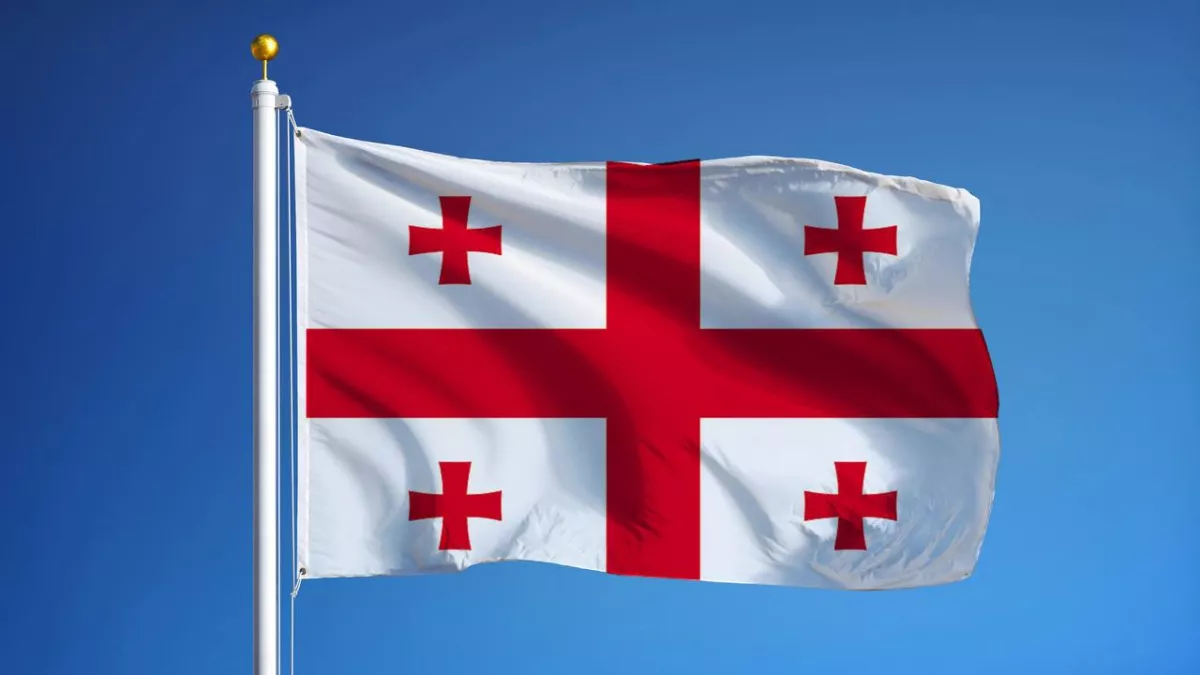
The expert also emphasised the broader regional context and the involvement of other South Caucasus countries: “Today, when we speak about the rise of regional ownership, we are referring not only to Azerbaijan and Armenia, but also to Georgia. The recent elections in this country have shown that Tbilisi is acting increasingly independently, regardless of how it is assessed in terms of being pro-Russian or pro-Western. We are also observing an intensification of Georgia’s contacts with the United States and a certain deepening of engagement with the European Union. This indicates that all three regional states are gaining more room for manoeuvre and are able to pursue a more balanced foreign policy than was the case 5, 10 or 20 years ago after the collapse of the Soviet Union,” he said.
In his view, Hikmet Hajiyev’s words about full shared regional responsibility are a clear signal to Yerevan and Armenian society, especially in the context of upcoming elections.
“Azerbaijan, like Türkiye, is interested in ensuring that Pashinyan remains in power, and, drawing on examples such as the Baku–Tbilisi–Ceyhan, Baku–Tbilisi–Erzurum, TANAP, or Baku–Tbilisi–Kars projects, it offers Armenia a model of participation in regional initiatives — essentially treating energy resources as a political asset. This is not accidental, as energy is critically important for Armenia’s economy. Since last November, Baku has begun supplying fuel to Armenia, and as a result, petrol prices in the country have decreased. At the same time, Russia is warning Yerevan of a possible sharp increase in gas prices in the event of deeper integration with the European Union — potentially up to a threefold rise. In this context, Azerbaijani energy resources are becoming an extremely attractive alternative,” noted Has.
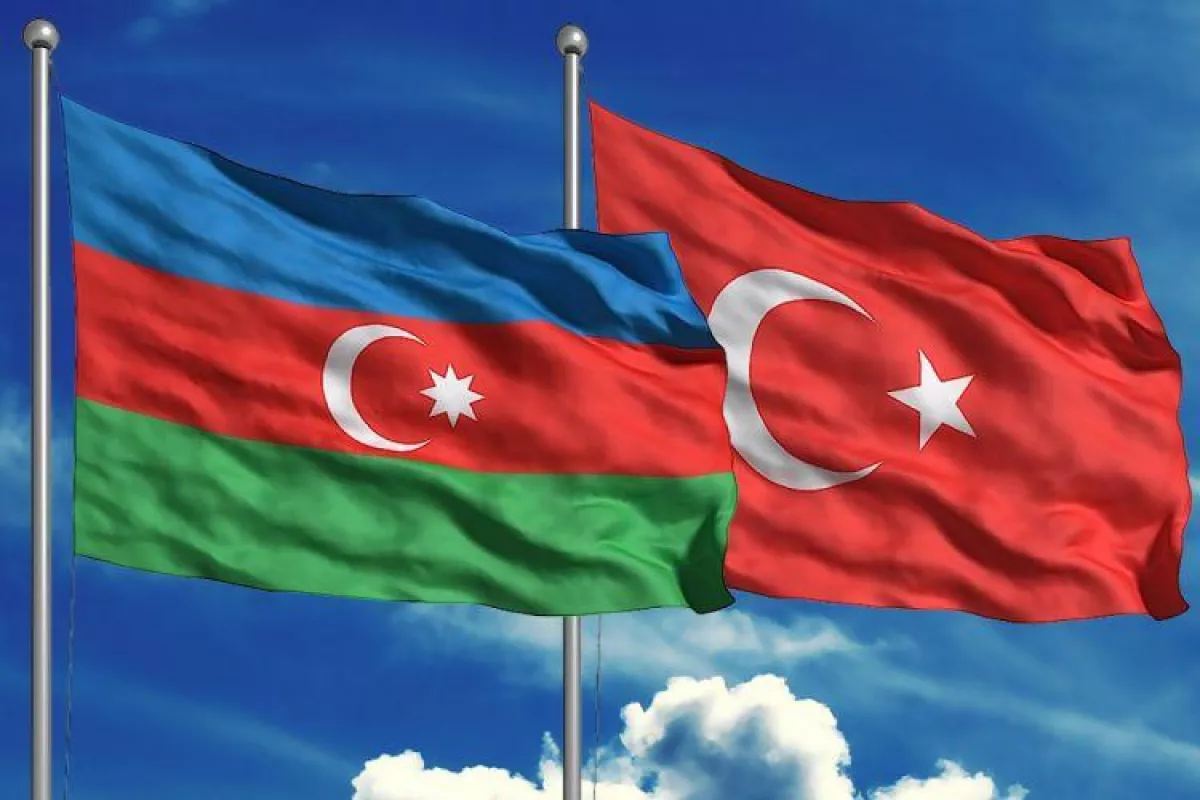
In conclusion, the expert drew attention to the concept of regional responsibility articulated by Hikmet Hajiyev: “The Assistant to the President of Azerbaijan emphasised that regional responsibility must be complemented by regional leadership. If one looks closely at his wording, it becomes clear that the two constant actors in this construct are Azerbaijan and Türkiye. Regardless of the configurations — whether involving Georgia, Iran, Uzbekistan, or Kazakhstan — the Baku–Ankara partnership remains the key element,” he said.







 editor@caliber.az
 +994 55 444-88-98
 Азербайджан, Баку, ул. Низами, 203, Af Business House, 5-й этаж