










US–Iran conflict: Between fragile ceasefire and looming war Expert opinions on Caliber.Az
The situation in Iran remains extremely tense following a prolonged phase of direct military confrontation with the United States and Israel — the sides are currently in a fragile ceasefire.
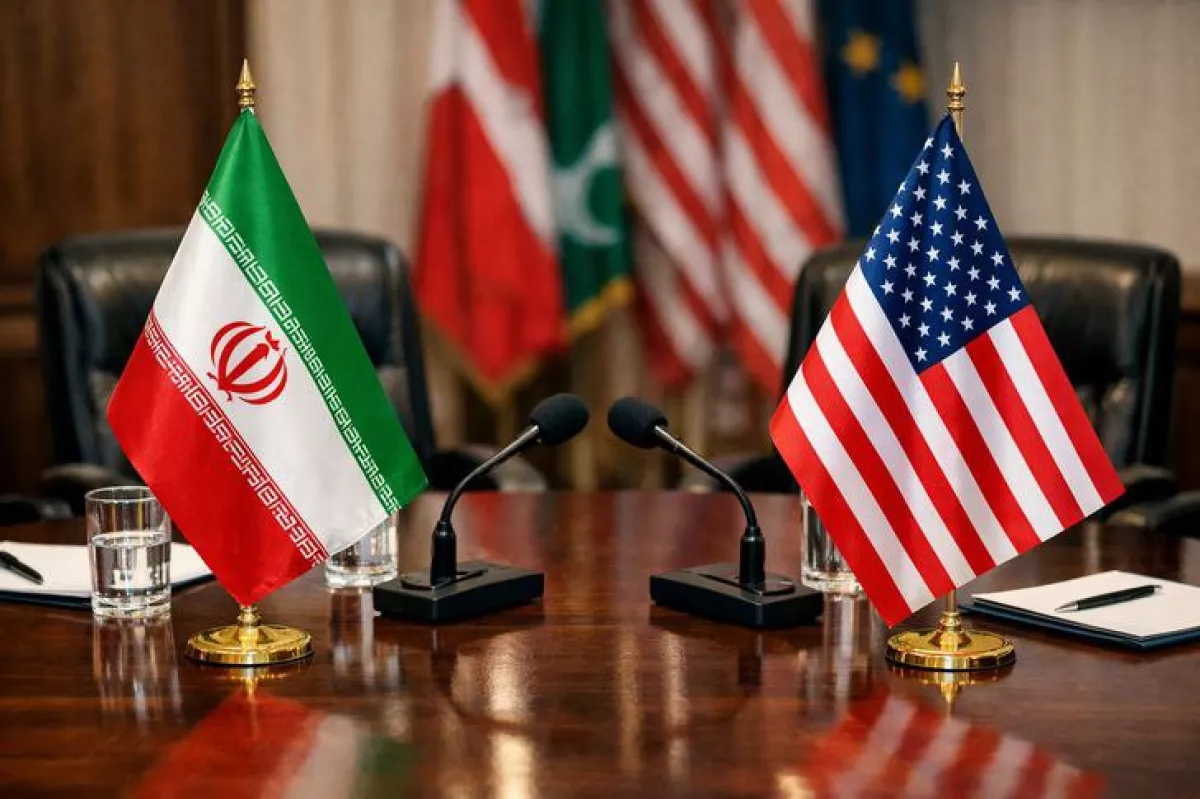
Last week, a two-week ceasefire between the US and Iran was announced. However, Tehran claims that the terms of the truce have been violated due to ongoing Israeli strikes on Lebanon. In turn, the United States and Israel deny that such a condition was ever included in the agreement.
Meanwhile, the US announced the start of a blockade of Iranian ports as of April 13, 2026. In response, Iran declared the closure of the Strait of Hormuz, posing a critical threat to global oil supplies. This followed the failure of attempts to reach a long-term agreement in Islamabad: the US delegation, led by Vice President Vance, left Pakistan without signing any documents. Iran’s Foreign Ministry described the lack of agreements as “natural” amid a deep crisis of trust.
According to a number of experts, the conflict has moved dangerously close to the risk of a nuclear catastrophe: by 2026, Iran has accumulated enough material to produce several warheads.
At the same time, international organisations are warning of serious risks to global food and economic security amid ongoing hostilities in the region.
The temporary lull is apparently being used by the parties to regroup forces and intensify diplomatic pressure, while the risk of a return to full-scale hostilities remains extremely high.
What are the further prospects for developments in the near future? Is there still a chance of resuming diplomatic dialogue between Iran and the United States during the two-week ceasefire, or is a return to an active phase of the conflict virtually inevitable?
Foreign experts shared their views with Caliber.Az.

Israeli Iranologist and researcher, author of the Telegram channel Oriental Express, Michael Borodkin, believes that diplomacy and escalation are not mutually exclusive in this case.
“Most likely, the United States will try to extract concessions from Iran through diplomatic means and will continue negotiations until the expiration of the set deadline, and possibly even extend it. Especially since President Trump has repeatedly acted in this way before, extending various ultimatums.
However, the disagreements between the sides remain too serious. If media reports are to be believed, the United States is demanding a halt to uranium enrichment for 20 years and the transfer of all accumulated material to a third country. Iran, in turn, is only ready to suspend work for five years and ‘dilute’ the existing material. On other issues — including the missile programme, ties with terrorist organisations, and the situation around the Strait of Hormuz — there is also no sign of compromise.
Therefore, in the absence of agreements, the resumption of military operations appears inevitable,” the expert noted.
However, in his view, the United States may not rush into new strikes, opting instead for a total naval blockade of Iranian ports.
“In this case, Iran’s oil exports would be reduced almost to zero, and pressure on the already weak economy would increase many times over. In such a situation, direct military intervention may not even be necessary. Nevertheless, the positions of the sides remain too far apart, and a new war looks almost inevitable — whether in two weeks or in six months,” Borodkin concluded.

Russian orientalist and NEST Centre expert Ruslan Suleymanov notes that the ceasefire brokered through Pakistan remains extremely fragile.
“There are no guarantees of its observance, and there is also no third party on the ground that could monitor this process. Nevertheless, the very fact that it was achieved, as well as the talks held in Islamabad (such high-level meetings between US and Iranian representatives have not taken place since 1979), indicate an understanding of the futility of further military action. The resumption of war would lead only to even greater damage for Iran, US assets, US partners, and the global economy as a whole. I do not think Donald Trump is interested in such a scenario,” the expert noted.
According to him, hope for the resumption of negotiations still remains.
“Reaching a compromise or any concessions will, of course, be extremely difficult. However, if the sides manage to return even to the pre-war status quo, this could already be considered a result. The United States is seeking guarantees from Iran regarding the unblocking of the Strait of Hormuz, while Tehran is demanding guarantees that the US and Israel will no longer carry out strikes on Iranian territory. I honestly do not expect anything beyond that: meaningful compromises under current conditions are unlikely,” Suleymanov said.







 editor@caliber.az
 +994 55 444-88-98
 Азербайджан, Баку, ул. Низами, 203, Af Business House, 5-й этаж