










Baku–Tbilisi: A strategy of resilience Georgian experts on Caliber.Az
The state visit of the President of the Republic of Azerbaijan, Ilham Aliyev, to Georgia on April 6 became another landmark event in the relations between the two countries of the South Caucasus and received wide coverage in the media of both nations.

In particular, the Georgian outlet 1tv.ge expressed confidence that President Ilham Aliyev’s visit would give a new impetus to ties between the two fraternal countries, emphasising that “today’s discussions once again demonstrate that Georgia and Azerbaijan, as always, stand together.” Other media highlighted Azerbaijan’s significant contribution to the Georgian economy and noted that Baku is a reliable partner for Tbilisi in terms of energy security.
But how do Georgian political analysts and experts assess the outcomes of the Azerbaijani president’s visit, as consulted by a Caliber.Az correspondent?
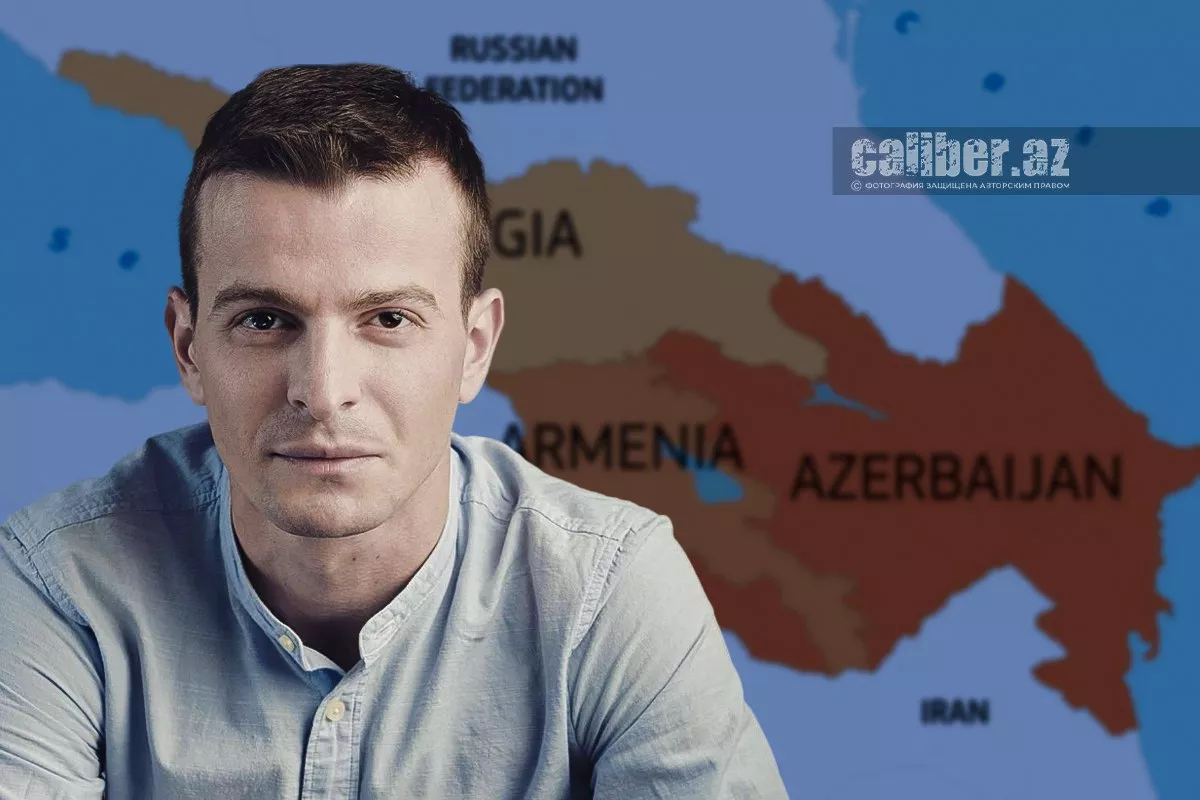
Thus, international affairs expert Giorgi Gogua believes that the Azerbaijani president’s visit to Georgia can be assessed as a strategically important event that further strengthens bilateral relations, confirming the high level of political trust and the fact that Baku and Tbilisi regard each other as key strategic partners in the South Caucasus, while also signalling that the Georgian–Azerbaijani partnership is entering a new level.
“If previously cooperation was largely based on major energy initiatives, such as the Southern Gas Corridor, it is now expanding into a broader geo-economic sphere, covering transit, logistics, and political coordination, illustrating the growing importance of regional interconnectivity, particularly in the context of the Middle Corridor.
Overall, the outcomes of the visit indicate that relations between the two countries are entering a more advanced and integrated phase, characterised by deepening economic ties, strengthened strategic coordination, and a shared role in shaping the geopolitical and economic landscape of the entire region,” Gogua stated.
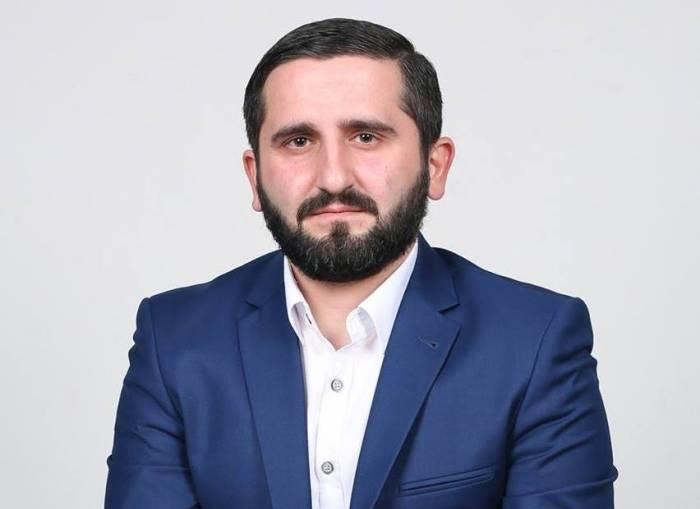
Meanwhile, Middle East and South Caucasus expert Vasily Papava noted that Ilham Aliyev’s visit to Georgia took place at a time when the entire security and logistics system across Eurasia is being restructured almost on the fly.
“Now, as traditional routes between East and West are being tested for resilience, Tbilisi and Baku are striving to quickly transform their neighbourhood into a powerful transport and energy hub with no real alternative. Such close cooperation is the best response to any attempts to destabilise the South Caucasus. When the leaders of the two countries act in sync, many threats can be neutralised before they even become real problems,” he said.
In the current context, the political analyst argued, formal partnership is no longer sufficient; what is needed is the creation of a resilient security space capable of minimising the impact of global crises on the region.

“High-level personal meetings make it possible to promptly account for fluctuations in the energy market and new transit security standards. Ilham Aliyev’s dialogue with the Georgian leadership confirms the following: the two states aim not merely to adapt to change, but to become significant players in the processes shaping the future of the region.
Joint initiatives—from the development of the Middle Corridor to projects in green energy—are transforming the Georgia–Azerbaijan partnership into an important hub between the European Union and Central Asia. This strategic position helps strengthen national sovereignty and allows Baku and Tbilisi to more confidently advance their interests on the international stage, while protecting the region from adverse external influences,” the expert emphasised.
According to him, the foundation of these relations has been built over years, and today, thanks to it, the South Caucasus is perceived not as a “hotspot,” but as a space for development.

“Trust between the leaders of the two countries and the continuity of their policies provide exactly the flexibility needed to safeguard national interests in an unstable world. Even closer ties between Baku and Tbilisi make the regional situation calmer, helping neighbours respond collectively to contemporary challenges.
Ultimately, the Azerbaijan–Georgia partnership is a matter of internal resilience. Such visits only confirm that the countries are determined to pursue their own path. Working on joint projects brings tangible benefits to both states, reduces uncertainty, and demonstrates that the South Caucasus can be an independent and strong player on the international stage,” Papava concluded.







 editor@caliber.az
 +994 55 444-88-98
 Азербайджан, Баку, ул. Низами, 203, Af Business House, 5-й этаж