










Is the Commonwealth of Independent States coming to an end? Expert opinions on Caliber.Az
The Moldovan Parliament has adopted, in the second and final reading, laws denouncing the agreement on the establishment of the Commonwealth of Independent States (CIS) and the Charter of the Commonwealth.
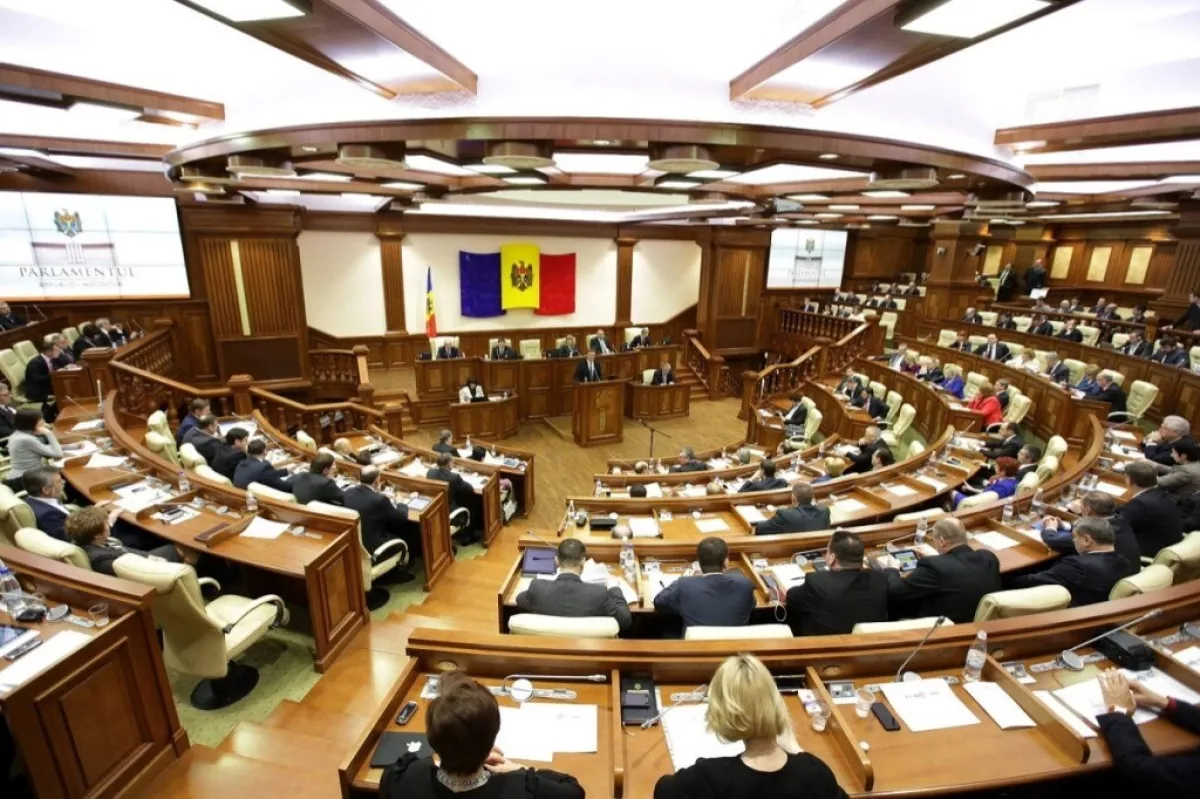
Sixty out of 101 deputies voted in favour — representatives of the ruling party Action and Solidarity, the Party of Democracy at Home, as well as former Prime Minister Ion Chicu (from the Alternative faction).
Deputies from the Communist Party and the Socialist Party opposed the denunciation of the agreements. In their view, Moldova’s withdrawal from the CIS “will have catastrophic consequences” for the country’s economy.
The initiative for denunciation came from the Ministry of Foreign Affairs, which noted that the fundamental values and principles of the CIS are no longer being observed by several member states.
“Furthermore, the denunciation of the CIS agreement is a natural and inevitable step on the path toward achieving the goal of joining the European Union,” the ministry’s explanatory note stated.
Currently, out of 283 agreements within the CIS, Moldova has already denounced 71, with around 60 more under review. The parliament explains this process as a necessary step to align the country’s national policies, as well as its legislative and economic framework, with European Union standards and norms.
After the laws are signed by Moldova's president, the Ministry of Foreign Affairs will send the relevant documents to the CIS Executive Committee. In accordance with the Vienna Convention, Moldova’s withdrawal from the Commonwealth will be completed 12 months after that.
What does the future hold for the CIS? Has the organisation lost its original purpose? After all, post-Soviet states already have the necessary bilateral agreements in place and, if needed, can maintain arrangements such as mutual visa-free travel outside the framework of the CIS.
These questions were addressed by prominent experts in a conversation with Caliber.Az.
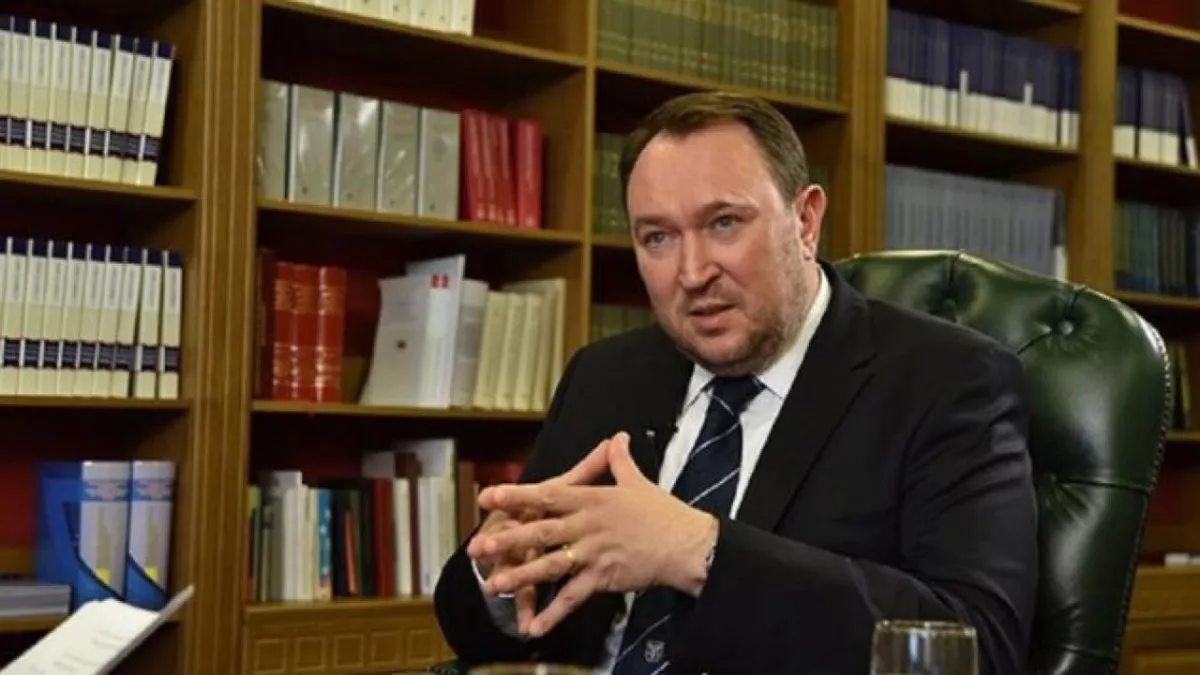
Former Moldovan Minister of Justice and ex-member of the Venice Commission of the Council of Europe, Alexandru Tănase, noted that the CIS was originally presented as a “civilised transition” — a kind of bridge between the USSR and independence.
“But that was a myth. In reality, the CIS was never about the economy or cooperation — it was about control and maintaining a sphere of influence. All the real functions of the CIS have long been duplicated by bilateral agreements. Visa-free regimes, trade, infrastructure — all of this can exist and already does exist without the CIS.
The organisation itself has turned into a mere stage set, on which Russia continues to play the role of a metropolis before its former colonies, who are increasingly refusing to participate in this performance.
There is also a key point that is often deliberately ignored: Russia has never fully honoured its agreements, even within the framework of the CIS itself. We have experienced dozens of so-called ‘trade wars’ — embargoes, bans, artificial barriers imposed not for economic reasons but as instruments of political pressure. We have also witnessed and suffered direct acts of aggression: Moldova through the conflict on the Dniester, Georgia through military invasions, Ukraine through the full-scale war that continues today. All post-Soviet states, without exception, went through the same mechanism: blackmail, pressure, attempts to keep them in Moscow’s orbit at any cost,” the former minister recalled.
In his view, talking about the CIS as a “platform for cooperation” means ignoring reality.
“This was never about cooperation — it has always been a system of control. The CIS is inertia, a structure that exists not because it is needed, but because not everyone has left it yet. It is gradually turning into a club of countries that have either not defined their future or are still afraid to fully exit Moscow’s orbit. However, this process is already irreversible.
Empires do not collapse overnight — they die slowly. The CIS is precisely such a case: the last convulsions of a structure that has lost its purpose but still retains its form.
For Moldova, the denunciation of CIS agreements is directly linked to European integration — it is a logical necessity. It is impossible to move toward the European Union with one hand while holding on to post-imperial constructs designed to maintain Moscow’s influence with the other. This is a natural and inevitable step toward the EU. In this logic, the CIS is a superfluous element — moreover, a harmful one.
Today, most of the core agreements within the CIS have already been denounced. At present, we are focused on aligning national legislation and the economy with European standards,” Tănase said.
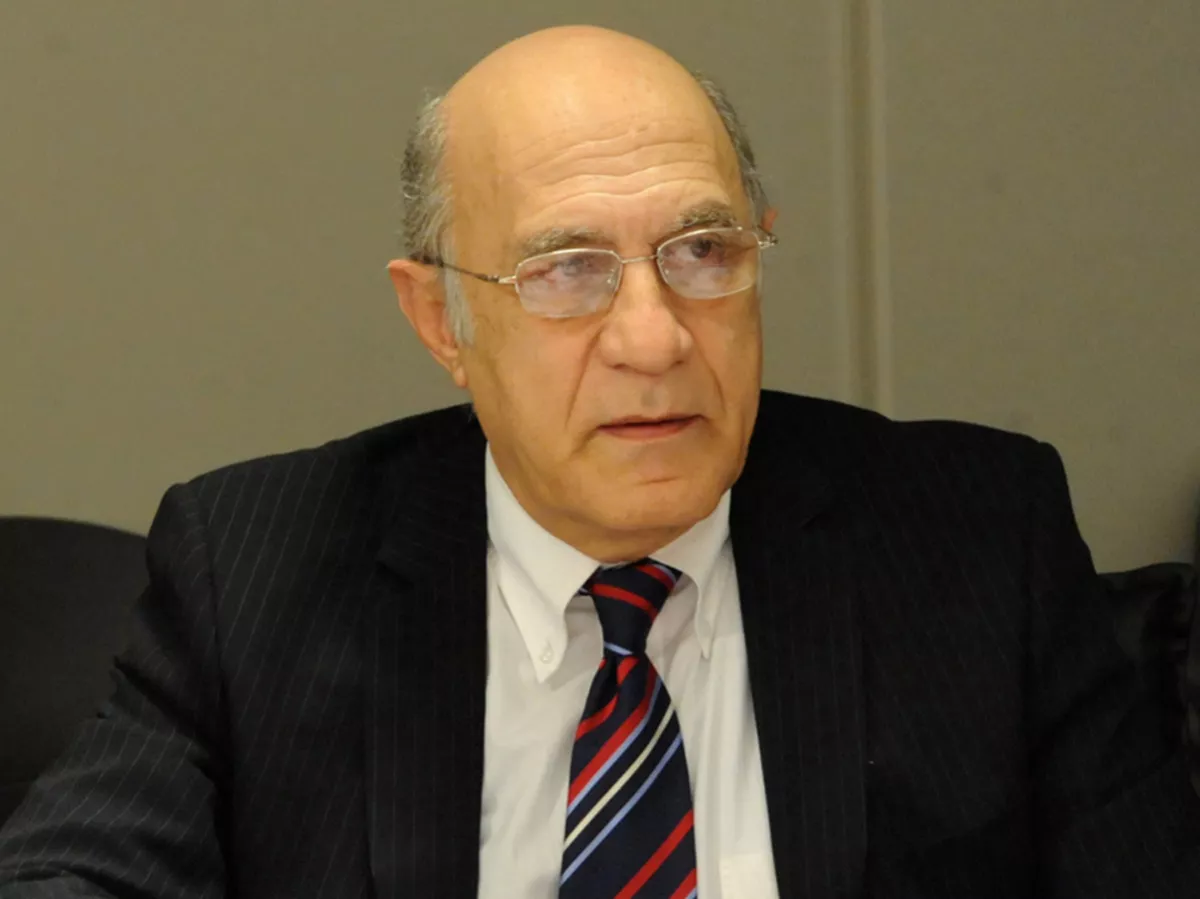
Political analyst and professor at the Western Caspian University, Fikret Sadikhov, stated that the CIS was created as a structure designed to cushion the collapse of the USSR.
“In the future, according to some radical politicians, it was supposed to transform into something that would further unite the post-Soviet countries and potentially serve as a mechanism to restore lost ties, even to forms reminiscent of the former USSR. However, many republics prevented this. Some of them left the CIS — in particular, Ukraine and Georgia. And today, Moldova is following a course toward integration into the European Union. This is the right of every state.
By joining this structure, we effectively did everything necessary to ensure it would not turn into a supranational entity capable of dictating domestic or foreign policies to its member states,” Sadikhov said.
Today, according to him, the results of this approach are clear. Azerbaijan pursues a multi-vector foreign policy and, regardless of its CIS membership, actively cooperates with Western countries, European states, and the United States.
“Without severing ties with Russia, we simultaneously do everything necessary to ensure that within the CIS, economic, trade, humanitarian, and educational programs develop. In this regard, numerous treaties and agreements have been signed,” the scholar noted.
At the same time, in his view, the CIS has no bright future, as in many areas the structure has already exhausted itself.
“Several countries that have chosen the path of European Union integration are taking steps to align their legislation with European requirements. Azerbaijan has not set such a task for itself, reflecting the priorities of each country in choosing its own political course.
Moldova is already moving toward the EU. Similar signals are coming from Yerevan, where a corresponding statement was adopted at the parliamentary level.
As for other states, it is still difficult to predict their next steps. However, it is clear that the CIS, like several other international structures, no longer functions as a connecting mechanism that delivers tangible benefits to its members.
Overall, many international organisations today are undergoing transformation. Take, for example, the United Nations — it has, to some extent, lost effectiveness. Within the European Union, serious internal disagreements persist, and relations between the United States and the EU remain tense.
The same can be said about the OSCE, which is hardly capable today of addressing key geopolitical challenges. This was particularly demonstrated by the activities of the so-called OSCE Minsk Group, which has effectively focused on freezing the conflict between Azerbaijan and Armenia.
By being part of the CIS while simultaneously participating in various international formats, Azerbaijan pursues an independent foreign policy course aligned with its national interests. And, in my view, this has already been proven in practice — not only for the Commonwealth countries but also for other global actors,” Sadikhov concluded.







 editor@caliber.az
 +994 55 444-88-98
 Азербайджан, Баку, ул. Низами, 203, Af Business House, 5-й этаж