










Wealthy candidates and Ukraine’s EU path: emerging risks Foreign experts on Caliber.Az
Amid doubts about the reliability of the United States as a guarantor of security for NATO member states, even countries such as Iceland and Norway have once again put the issue of joining the European Union back on their agenda.
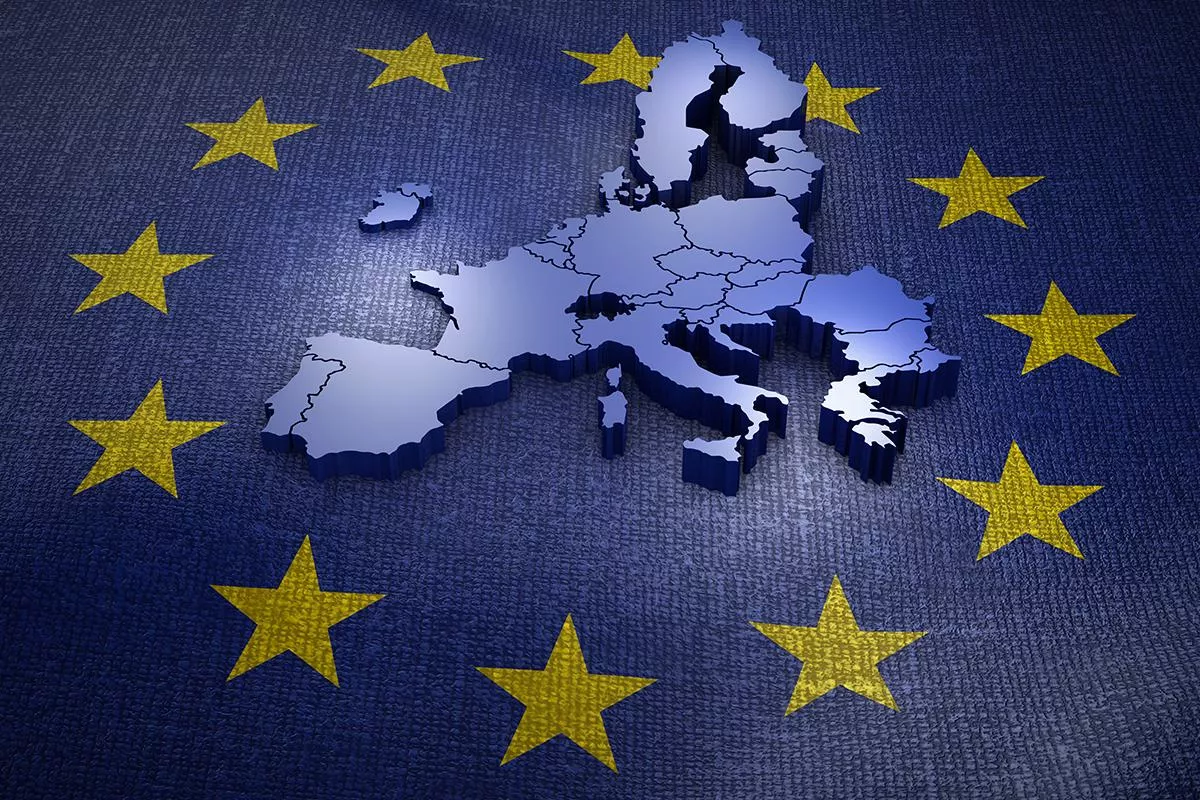
Such a development of events is hard to call favourable for Kyiv, since these countries, thanks to their developed economies and resources, are more “attractive” to the European Union than Ukraine. In particular, as the publication Politico notes, “For current EU members, allowing wealthier countries into the club is much more attractive than accepting another batch of poorer ones from the east.”
Are Iceland’s and Norway’s plans to join the European Union really capable of influencing the process of Ukraine’s accession to this structure? Foreign political analysts answer this question for Caliber.Az.
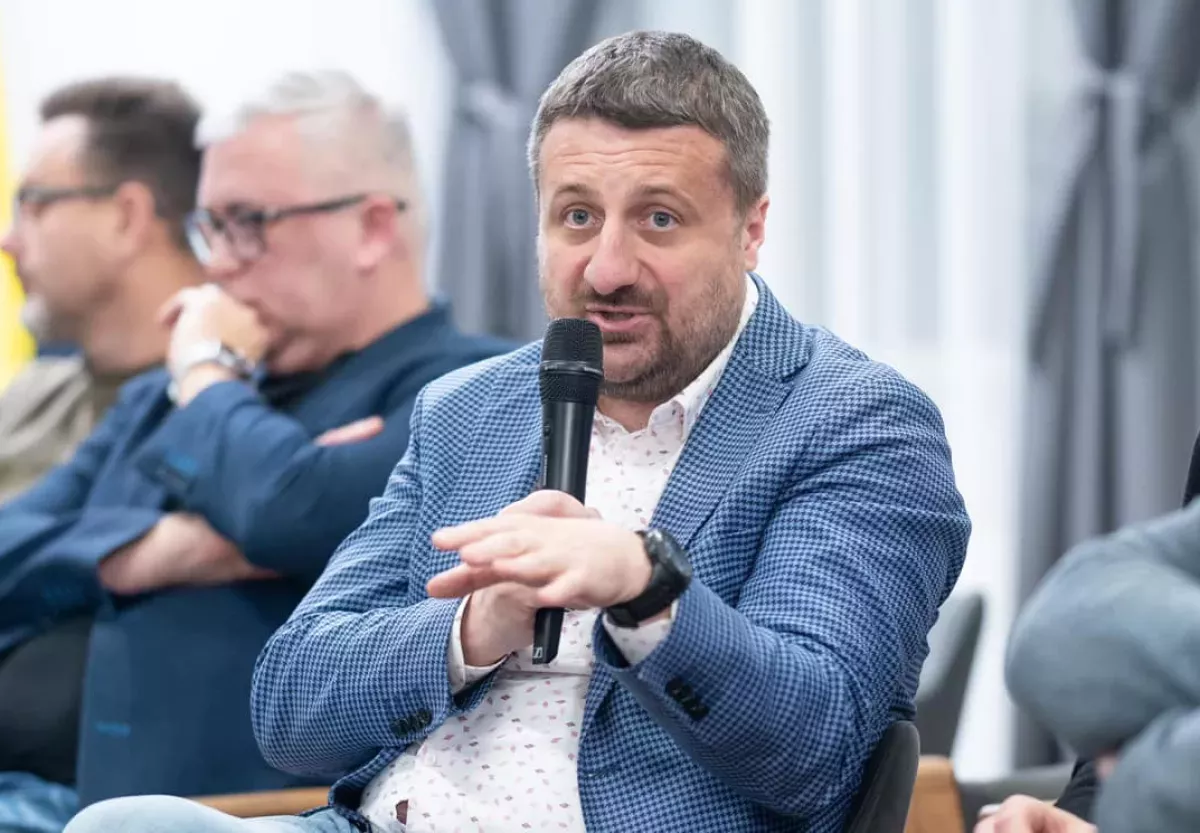
Ukrainian analyst and political technologist Taras Zahorodniy believes that there are many reasons not to admit Ukraine into the EU, and Norway and Iceland have absolutely nothing to do with it.
“Ukraine, both in terms of its geographic size and population, surpasses even Iceland, and this makes it undesirable for EU membership, as there are concerns that the country and its potential could dominate other member states, making them less attractive for investment.
Moreover, one cannot ignore the fact that Ukraine is a centre of the political climate in Eastern Europe, and with its accession to the European Union, many configurations within the bloc could very well change, which does not sit well with Germany and France, because they could then lose their ‘controlling stake’ in the EU. Plus, with a powerful army and intelligence services, the Ukrainian state is an actor capable of asserting its policies across the Eurasian space.
However, Ukraine’s significance for the European Union is difficult to overestimate: today, the country serves as a shield, without which the EU, in essence, becomes defenceless against pressure from the U.S., Russia, and other actors. Therefore, Ukraine’s accession to the European Union is a matter of European security, and if fear, rather than greed, prevails, Brussels will quickly decide to admit the Ukrainian state into its ranks and will not bother looking for flaws in Kyiv.
In light of this, I believe the issue is not about Norway or Iceland, but about how Kyiv conducts its negotiations with the European Union. I think the main question from the Ukrainian side to the EU should be as follows: ‘Do you want to survive? If yes, then formalise our EU membership and provide us with resources – then everything will be fine. If not, we can wait until Russian drones reach the Baltic countries or Poland. Then Europe will definitely wake up and begin to act more decisively, because Ukraine’s accession to the union will become an element of its security,’” said Zahorodniy.
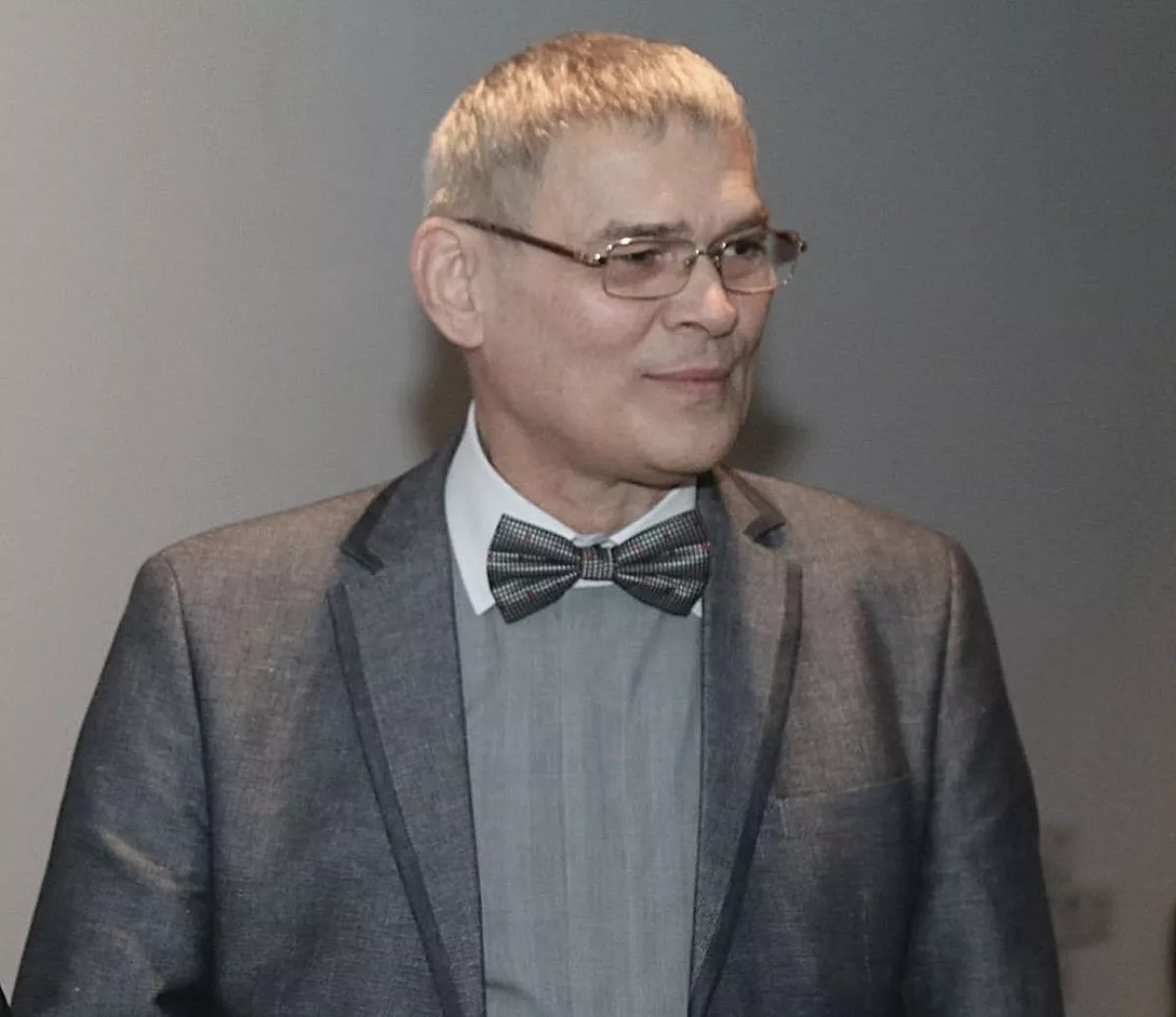
In turn, Bulgarian political scientist and PhD, Dimitar Iliev, believes that Ukraine’s accession process to the European Union is characterised by its complexity, and while it is ongoing, Iceland and Norway could become EU members, quickly overtaking Kyiv in procedural matters.
“It cannot be claimed that the accession of Iceland and Norway could somehow negatively affect the speed of Ukraine’s EU membership. Processes of this kind proceed independently of each other. The question is how Kyiv will react to the fact that Reykjavik and Oslo have become official members of the European Union, while Ukraine’s candidacy is still under consideration.
At the same time, it is well known that there is an opinion that for the EU, the accession of wealthy countries appears to be a more attractive option than expansion through poorer Eastern European states, including Ukraine, Moldova, Serbia, and Montenegro. Therefore, when voting, the EU’s major powers could potentially ‘stall’ the Ukrainian side.
In this context, there is also a political aspect – the European Union is reluctant to admit political regimes with high turbulence, since it is uncertain what might happen in these countries tomorrow. Iceland and Norway can integrate into the EU structure much more easily, especially as, according to Brussels, they have already achieved nearly 80 per cent of the goal in aligning their legal systems with EU laws. Thus, everything could happen very quickly,” concluded Iliev.







 editor@caliber.az
 +994 55 444-88-98
 Азербайджан, Баку, ул. Низами, 203, Af Business House, 5-й этаж