










Bold promises in Armenia: who will voters trust? Expert opinions on Caliber.Az
“According to all polls, Samvel Karapetyan is the next Prime Minister,” wrote his nephew and a member of the leadership of the opposition party Strong Armenia, Narek Karapetyan, on his Facebook page.
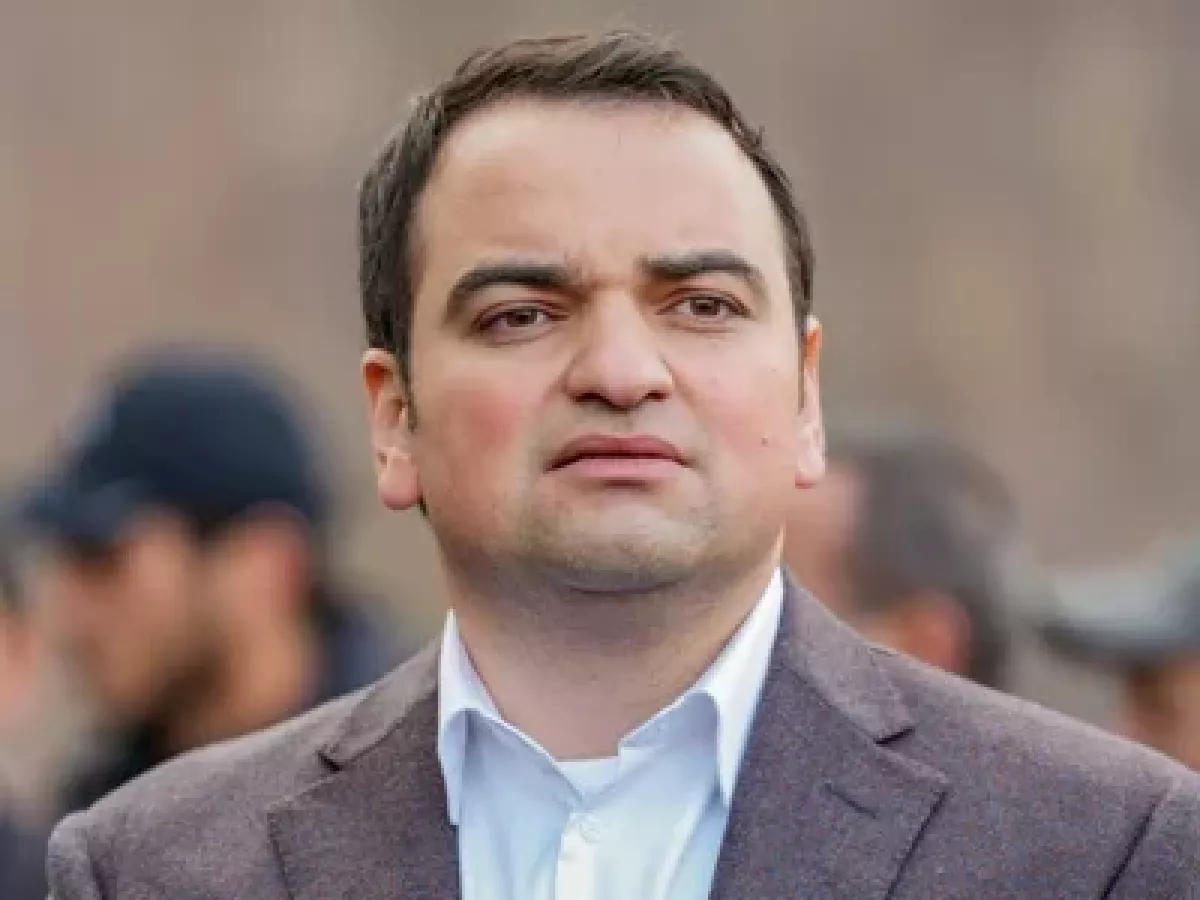
He specifically noted: “Every time Pashinyan’s rating drops, he invents new fake news. Sometimes he threatens war, and other times he says we will hand our votes to Kocharyan.
The truth is that Karapetyan will become the new, strong Prime Minister. We will NOT vote for any other party, we will create 300,000 new jobs, and set a 0% tax for businesses. We will bring a solid and lasting peace.
And one more truth: in two months, Pashinyan will be looking for a job. We may even offer him one. You can comment below on what job would suit him.”
Of course, these promises sound very ambitious. The question is how feasible they are in practice. Will the average Armenian voter believe such statements? And what might actually await Armenia if a person like Samvel Karapetyan, who apparently takes into account the interests of a foreign state—if not acts directly in its favour—comes to power?
Renowned experts shared their views on this issue with Caliber.Az.
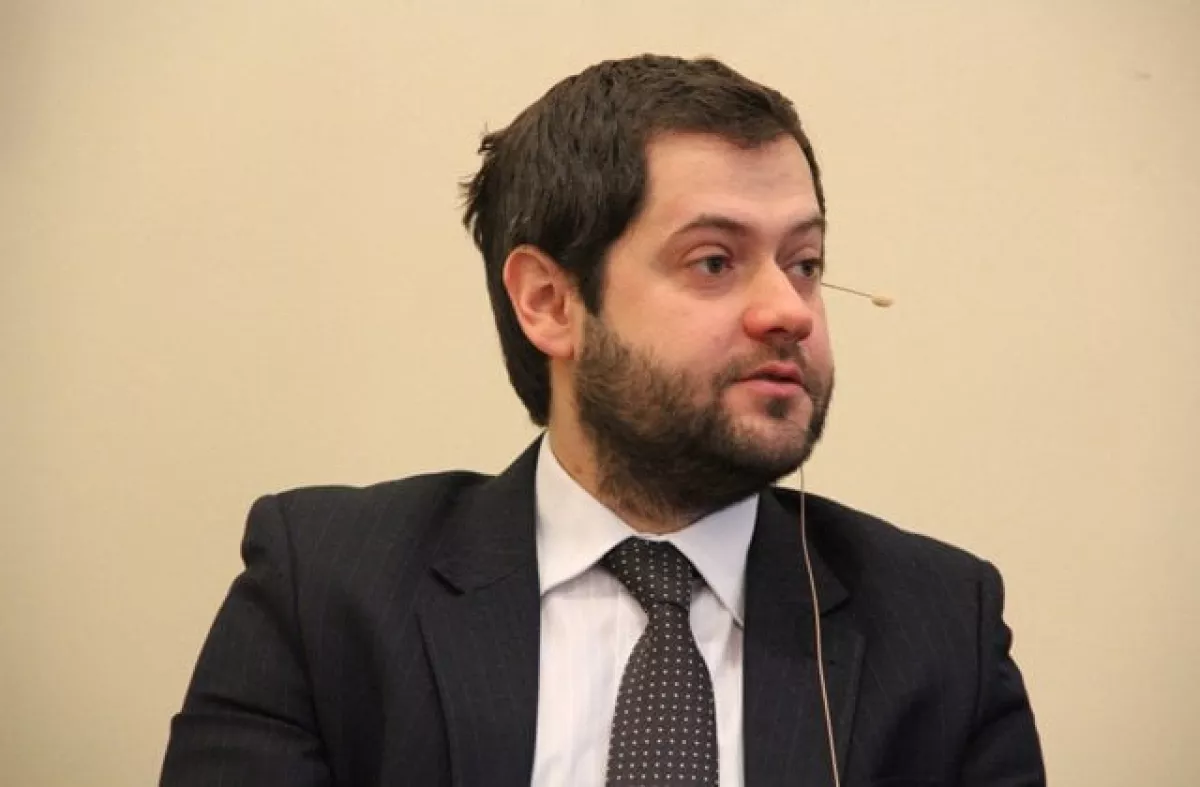
Polish political analyst and Caucasus expert, Doctor of Science at the Faculty of Oriental Studies at the University of Warsaw, Konrad Zasztowt, notes that Samvel Karapetyan is a key figure in the Armenian opposition.
“Other figures, such as former presidents Ter-Petrosyan and Kocharyan, or the politician-oligarch Gagik Tsarukyan, have their supporters. However, for most Armenians, these are people who held power for many years and ultimately left no positive legacy. Karapetyan, until last year, was not directly involved in politics, so it is difficult to criticise him for past mistakes. How much this will help him succeed in elections is hard to say. Armenia is currently experiencing intense political struggle.
Pro-Kremlin politicians like Karapetyan try to portray Prime Minister Pashinyan as responsible for the departure of Armenians from Karabakh, ignoring the long-standing policies of Kocharyan and his associates that led to this tragedy. At the same time, Pashinyan and his party also employ emotionally charged narratives in their criticism of the opposition.
The prime minister claims that a change of power in Armenia could lead to the resumption of war with Azerbaijan. Even if such a scenario is not the most likely, it is clear that Pashinyan is a politician who has contributed to advancing a peace-oriented agenda in the region.
Of course, this is my view as an external analyst, and one cannot rule out that a significant part of Armenian society still supports the rhetoric of Kocharyan and Karapetyan,” Dr Zasztowt stated.
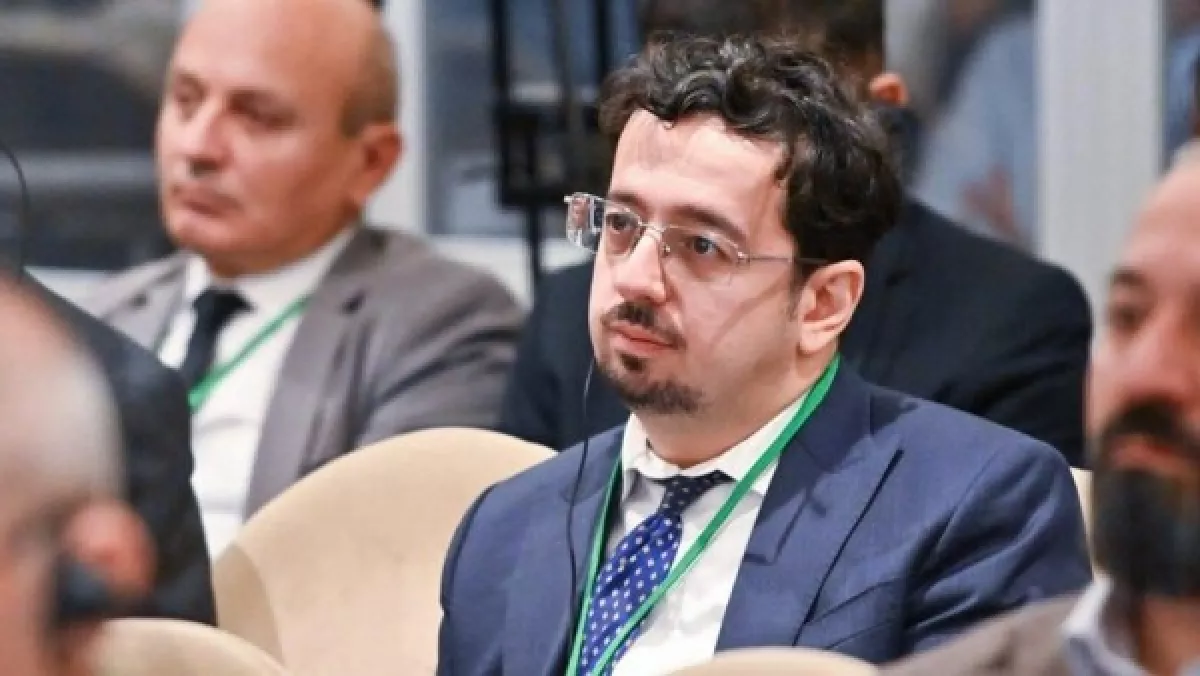
Murad Muradov, Deputy Director of the Topchubashov Baku Analytical Centre, believes that no far-reaching conclusions should be drawn from this statement, as it is part of standard pre-election rhetoric.
“This is an attempt to project confidence and create a sense of superiority in order to attract a certain segment of undecided voters. Confidence in victory, especially from candidates seeking to replace the current government, can sound convincing and elicit an element of irrational support. However, I do not believe this reflects any serious political reality.
Certainly, the opposition’s chances of winning are not zero, as their rating has risen somewhat in recent months. There is external support and mobilisation around the theme of revanchism. Although the party publicly denies revanchist tendencies and professes a commitment to peace, its demands of Azerbaijan—for example, the return of Armenian prisoners from Baku or the revision of certain clauses in the peace agreement—effectively imply freezing the process,” the analyst believes.
According to him, the contradiction between the party’s official rhetoric and its actual agenda—which Pashinyan regularly points out—could work against Karapetyan and other candidates with similar positions.
“On one hand, Karapetyan is not radical enough in his nationalism for those unwilling to accept the current situation and genuinely oriented toward revanchism; this segment of the electorate is more likely to vote for Kocharyan and Dashnaktsutyun. At the same time, the liberal segment of Armenian society will continue to support Pashinyan. Despite a decline in his popularity compared to previous years, he is still perceived as ‘the lesser evil.’ Therefore, I doubt that Karapetyan’s supporters will become a dominant political force, and his statements are merely an attempt to save face in an unfavourable situation,” Muradov concluded.







 editor@caliber.az
 +994 55 444-88-98
 Азербайджан, Баку, ул. Низами, 203, Af Business House, 5-й этаж