










The Cameroonian knot: between war and disintegration Article by Matanat Nasibova
This week, global media attention—alongside developments in the Middle East that threaten the global security system—has also turned to Pope Leo XIV’s African tour.
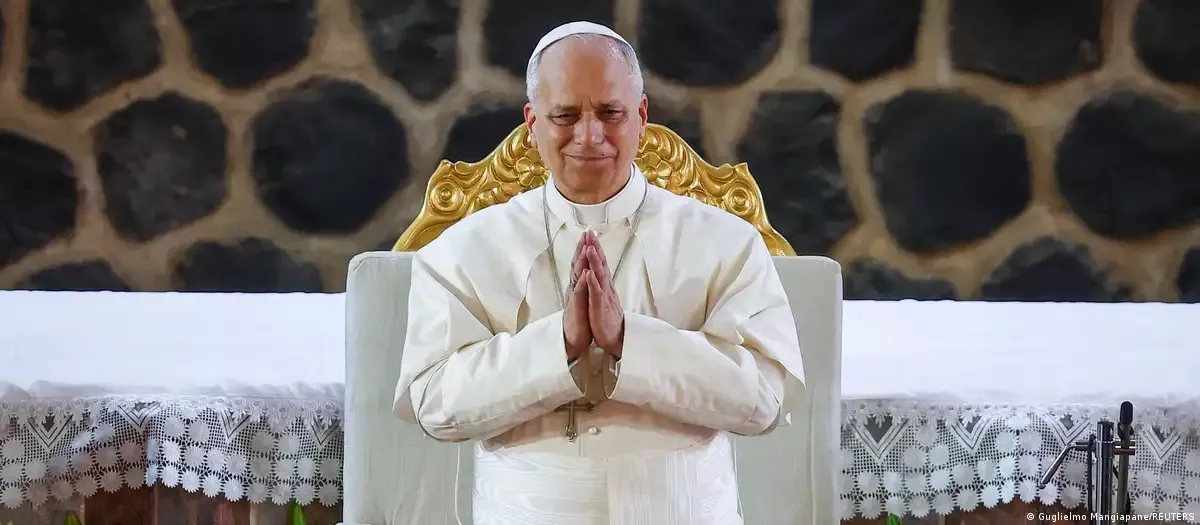
As part of this historic journey, the pontiff visited Algeria and arrived in Cameroon, a country facing a complex domestic political situation rooted in an armed conflict.
Notably, Leo XIV’s African visit comes against the backdrop of his recent public statements against the war with Iran, which drew sharp criticism from U.S. President Donald Trump. In particular, the White House chief strongly criticised the pontiff, calling him “weak on crime” and “terrible” in terms of foreign policy. However, during his visit to Cameroon, the Pope once again criticised leaders for spending billions on wars, stating that the world is being “ravaged by a handful of tyrants,” and called for an end to violence in this African country.
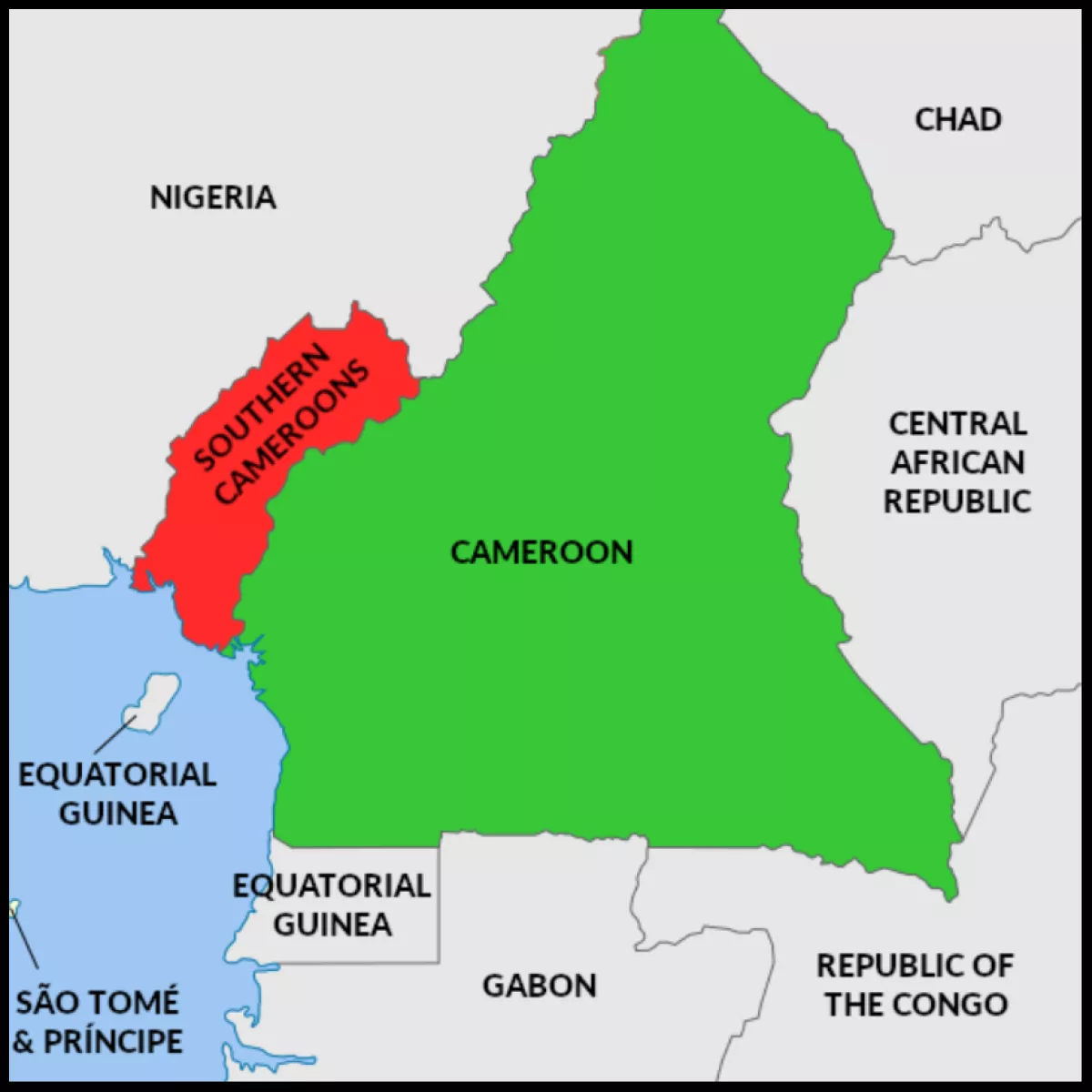
After the First World War and the Treaty of Versailles, Cameroon was divided between the French and British mandates of the League of Nations. The French mandate was known as Cameroon, while the British territory consisted of a narrow strip of land along the border of colonial Nigeria, made up of Northern Cameroons and Southern Cameroons, including the historic protectorate of the Bight of Biafra.
In 1953, the Southern Cameroons delegation at the London Conference requested to be designated as a separate region. The British agreed, and Southern Cameroons became an autonomous region with its capital in Buea.
In February 1961, the United Nations organised a plebiscite in this region, offering two alternatives: union with Nigeria or union with Cameroon. A third option — independence — was opposed by the British representative to the UN Trusteeship Council, Sir Andrew Cohen, and was not included in the list. In the plebiscite, 60 per cent of voters in Northern Cameroons voted for union with Nigeria, while 70 per cent of voters in Southern Cameroons preferred union with Cameroon.
As a result, Southern Cameroons became part of Cameroon on October 1, 1961, as “West Cameroon,” with its own prime minister. However, the Anglophone population of the region did not believe that the Francophone-led government treated them fairly, which led to various crises.
Thus, on October 6, 2016, the Cameroon Anglophone Civil Society Consortium initiated a strike to protest the appointment of Francophone judges in Anglophone regions. The leaders of the protest saw these actions by the authorities as another provocation aimed at marginalising the Anglophone population and undermining their rights.
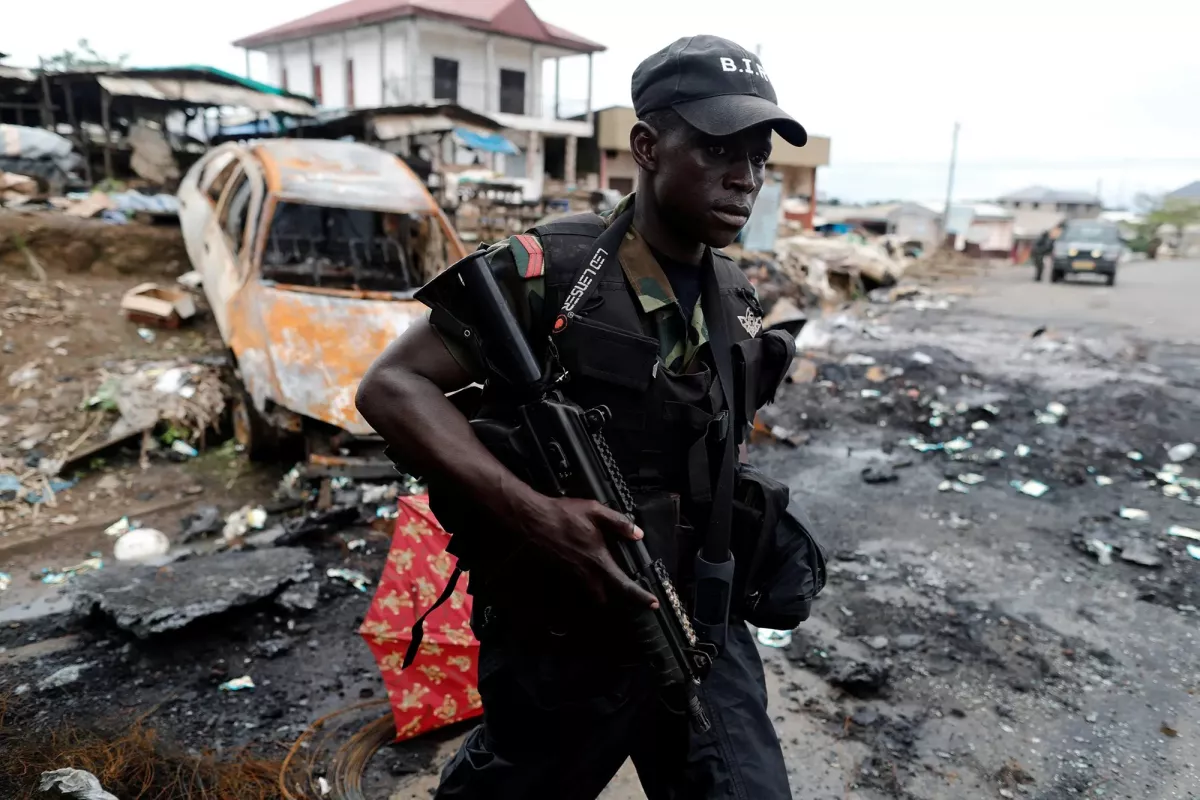
The Cameroonian government deployed security forces to suppress the protests, which contributed to the expansion of the movement. In September 2017, it escalated into an armed confrontation with the state, known as the Ambazonian War. As a result, more than 6,000 people have already been killed, and nearly one million people have become refugees, fleeing violence and threats to their lives.
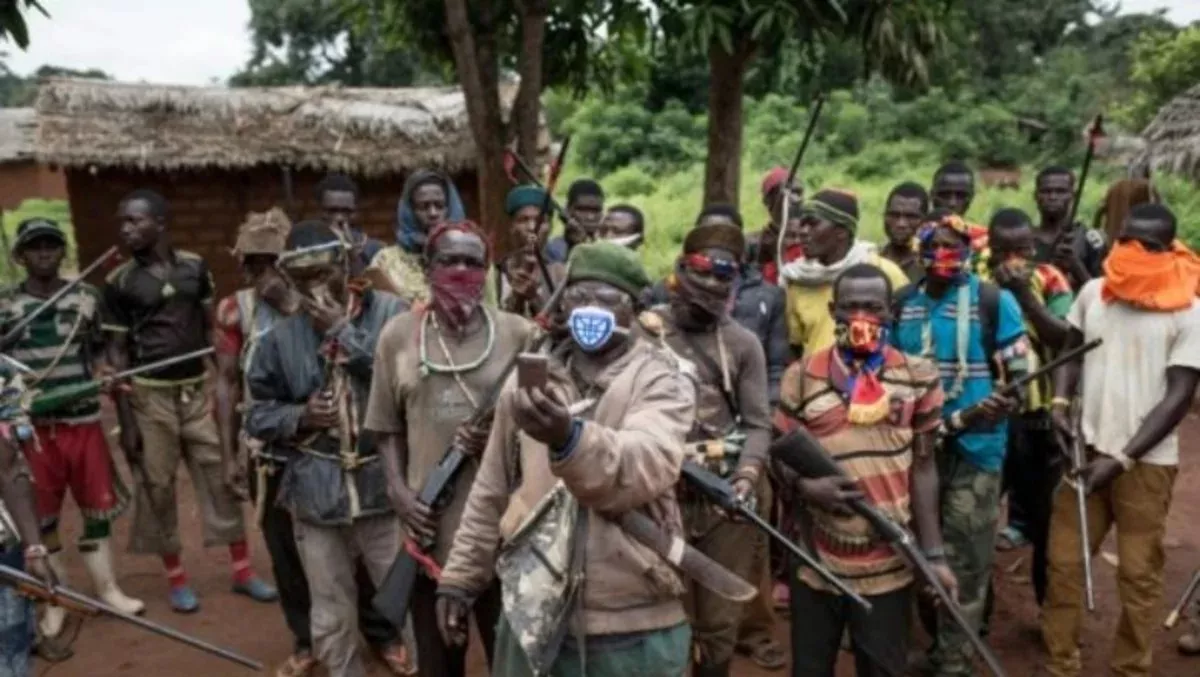
Clearly, this conflict is distinguished by its duration and, without a doubt, carries risks of a much broader scope than merely local ones. According to expert assessments, if the crisis cannot be resolved politically, it may shift into a larger-scale and therefore more difficult-to-control phase.
However, despite such prospects, the Cameroonian authorities continue to pursue a policy of military pressure on the rebellious regions, while the insurgents respond with attacks on government forces. As a result, the internal political crisis in the country continues to expand, and in this context, it can be assumed that the confrontation may enter an even deeper phase of a protracted conflict, ultimately leading to a full-scale degradation of the country’s socio-political system. This is the first point.
Secondly, this scenario creates real conditions for the infiltration of armed insurgents into neighbouring countries and for the transformation of West and Central Africa — already characterised by instability due to a combination of terrorist threats, economic difficulties, and weak state institutions — into a zone of permanent, full-scale warfare involving Cameroon’s neighbouring states.
Meanwhile, the reaction of the international community, represented by the United Nations, is likely to be limited to declarative calls for negotiations, as has been observed so far.
As for France and the United Kingdom, whose actions in the past served as a determinant of this conflict, they will most likely prefer to adopt a position of neutrality and speak in favour of a diplomatic settlement, although the possibility of their behind-the-scenes involvement in the confrontation still exists.
In order to prevent such a course of events, the Cameroonian authorities must begin searching for ways to resolve this long-standing problem through dialogue. However, whether the parties have the political will to take such steps remains a rhetorical question.







 editor@caliber.az
 +994 55 444-88-98
 Азербайджан, Баку, ул. Низами, 203, Af Business House, 5-й этаж