










Kallas–Rubio conflict: A rift between the US and the EU? Expert opinions on Caliber.Az
Relations between the United States and the European Union are currently marked by a high level of dissatisfaction and irritation on both sides. A vivid illustration of this was the spat between EU foreign policy chief Kaja Kallas, who criticised Washington for failing to put pressure on Moscow, and US Secretary of State Marco Rubio, who responded to her in a decidedly sharp manner.
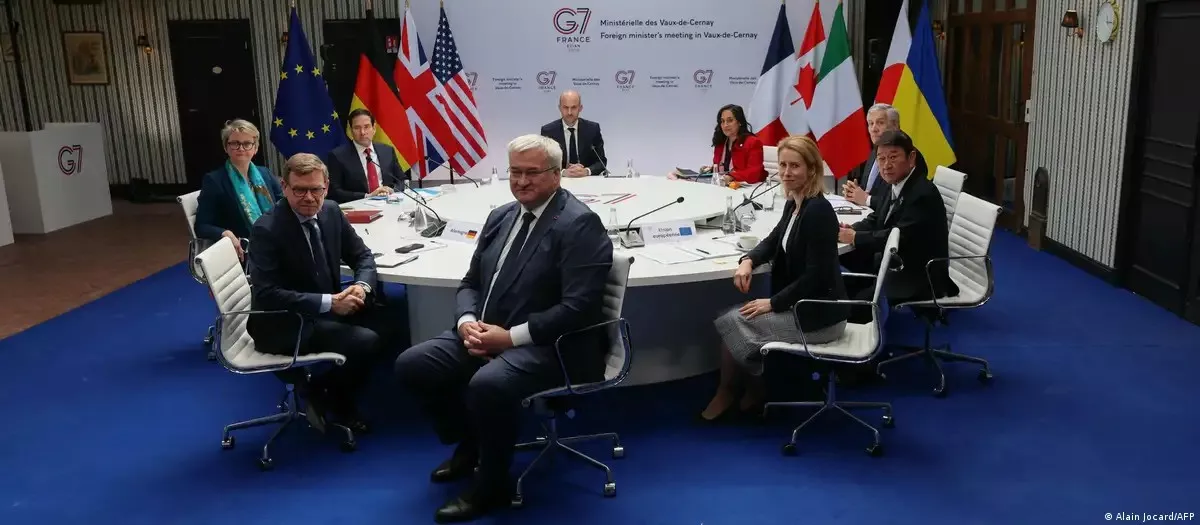
According to Axios, at a G7 foreign ministers’ meeting, Kallas stated that a year earlier at the same forum, Rubio had said that if Russia obstructed US efforts to end the war, Washington’s patience would run out and new measures would be taken against the Kremlin: “A year has passed and Russia hasn't moved," Kallas told Rubio, according to the sources. "When is your patience going to run out?”
“We are doing the best we can to end the war. If you think you can do it better, go ahead. We will step aside,” the US Secretary of State retorted to the EU foreign policy chief in fairly strong terms.
And although Kallas and Rubio briefly stepped aside for a short private conversation after the event, and the Secretary of State later told reporters that the meeting had been peaceful and constructive, questions about the US–EU relationship track remain.
Caliber.Az turned to a European political analyst and a US expert to analyse the situation and the positions of both sides on various aspects.
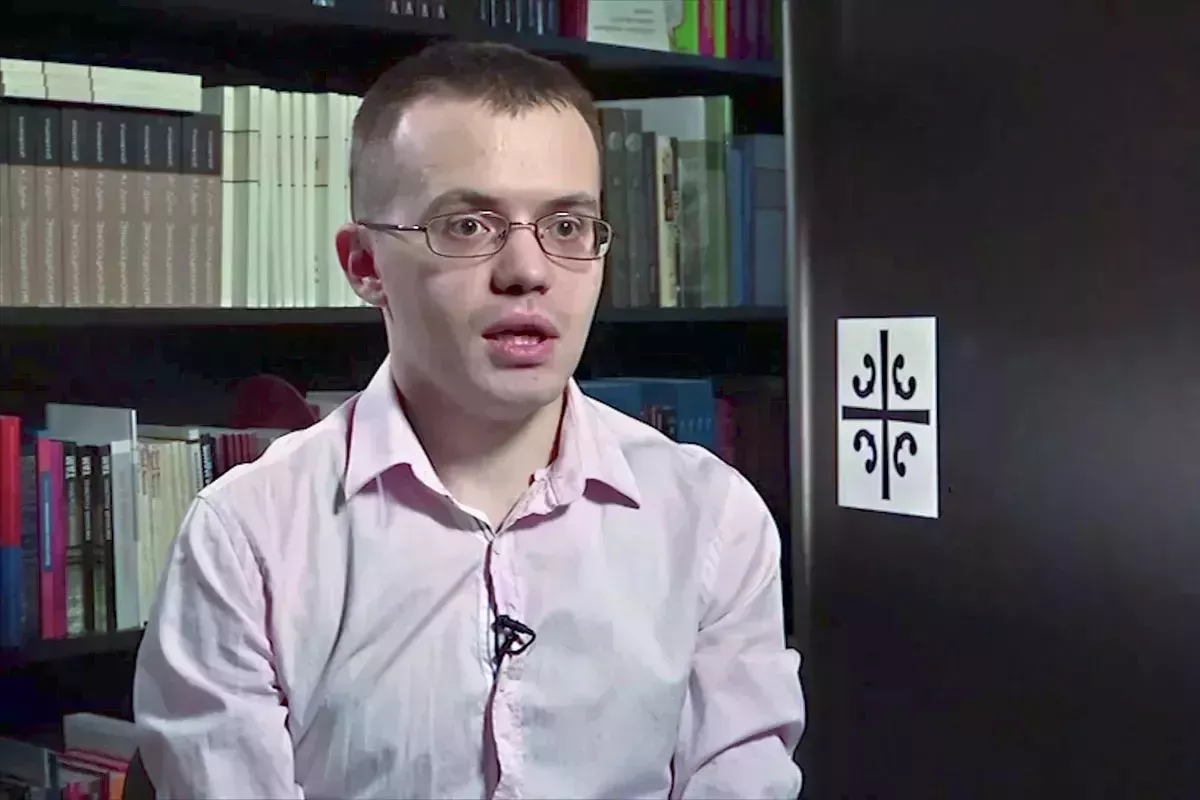
In particular, American analyst Andrew Korybko believes that during the meeting, Kaja Kallas behaved very unprofessionally, and her conduct resembled that of an activist more than a diplomat.
“Her emotional and, essentially, subjective approach to this issue leads to rhetoric that risks seriously offending, or even insulting, other EU allies, including the senior partner — the United States. The incident with Rubio was the result of Kallas’s lack of self-control for the reasons mentioned, and it led to the Secretary of State literally sharply reprimanding her, emphasising that the United States could completely withdraw from the process of resolving the Russia–Ukraine conflict. Whether Washington will take such a step or not — President Trump has previously hinted at such a possibility (presumably as leverage over the EU) — only time will tell. However, if it happens, it will expose yet another serious disagreement between the sides,” he said.
According to the analyst, the EU constantly forgets that it is not an equal partner to the United States, and the sale of American NATO weapons for transfer to Ukraine is the main reason why the conflict continues in the paradigm that the European Union prefers.
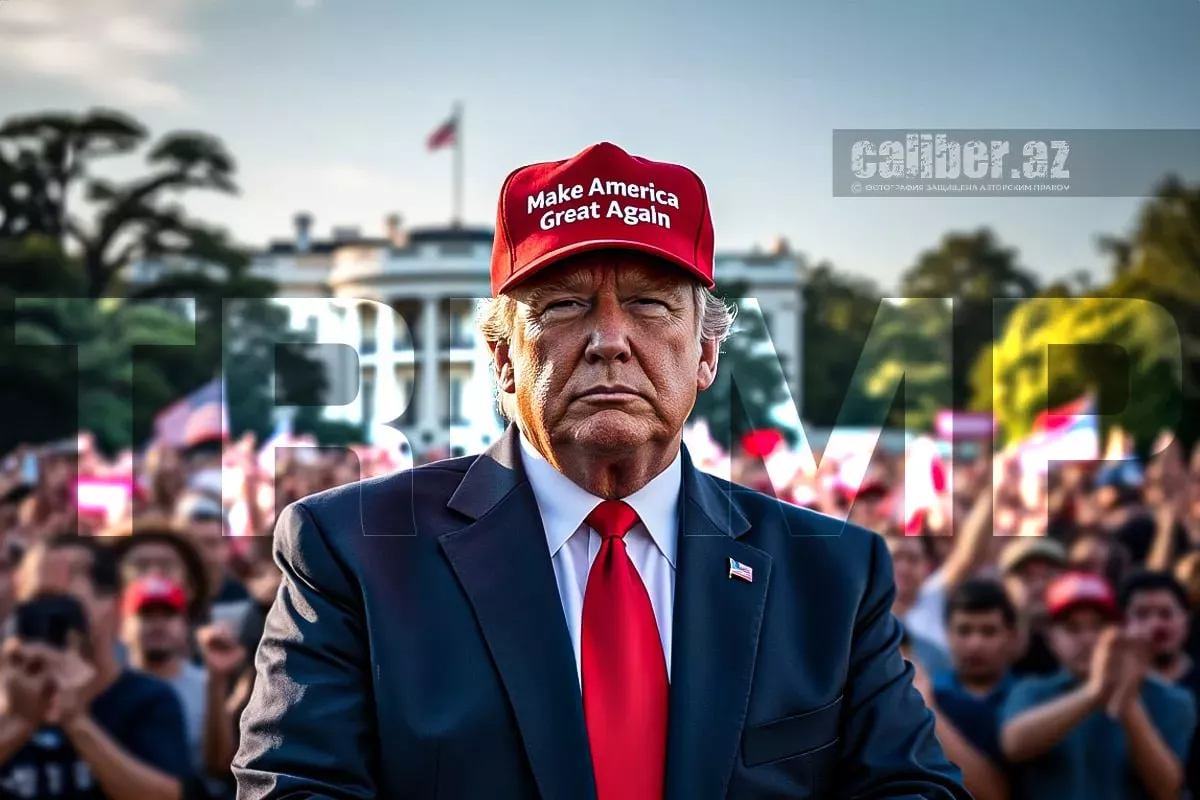
“Trump does not tolerate public disrespect, including from friendly countries, let alone from junior partners, which he considers the EU. For him, it is extremely important to shape and maintain the international image of the United States as the world’s sole superpower. As a result, he can not only sharply criticise those who show him disrespect but may also punish them,” the expert added.
Korybko also noted that this transatlantic conflict could be resolved by the European Union and its representatives, such as Kallas, if they remember that they are junior partners to the United States and behave accordingly.
“The inability to find common ground in such situations, especially when it involves high-ranking EU officials, can only anger Trump and lead him to decide to teach Brussels a lesson — for example, by reducing the sale of American NATO weapons, which would decrease Ukraine’s ability to continue its fight against Russia,” Korybko said.
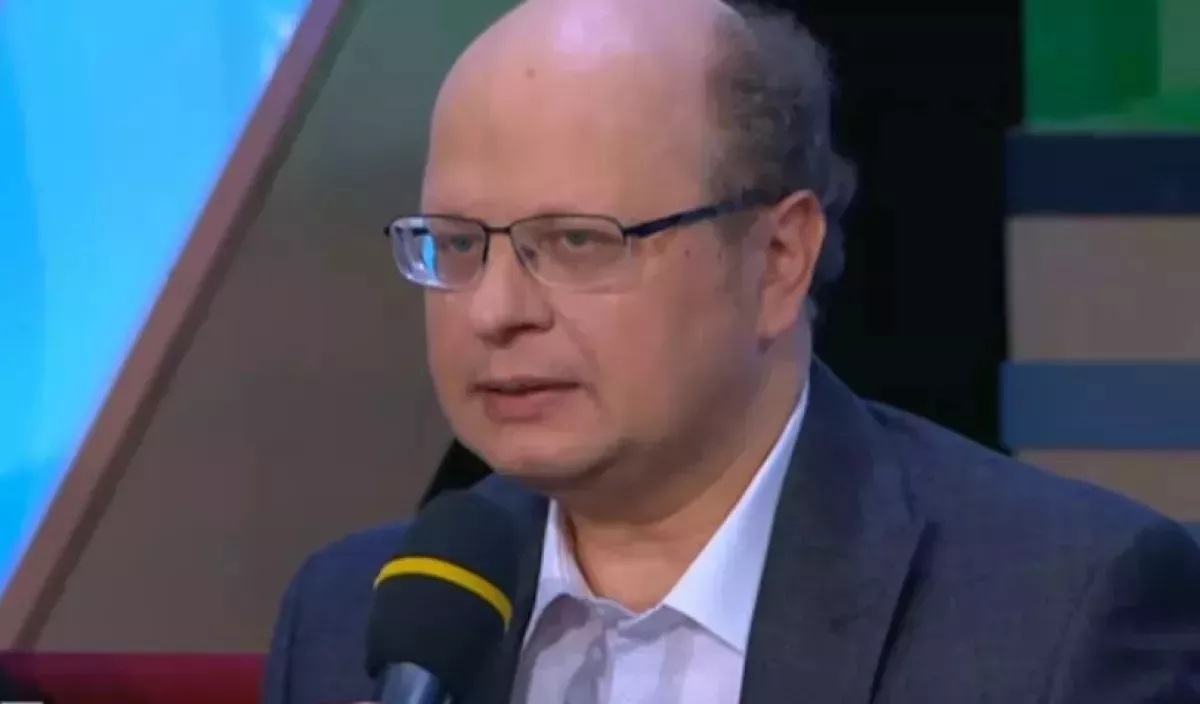
Meanwhile, German political analyst and international affairs expert Yevgeny Kudryats noted that the United States, through Trump and his administration officials, has repeatedly stated that if negotiations reach a deadlock, Washington will gradually distance itself from the process.
“In essence, that is what is happening now. As for the Europeans, they are on the periphery of this negotiation process and are not active players, which is incorrect given the assistance the European Union provides to Kyiv, including both weapons and financial support,” he remarked.
The political analyst also emphasised that disagreements between the European Union and the United States are likely to grow. In this context, he recalled the remarks of Vice President Vance at last year’s Munich Security Conference, where he highlighted the differences in approaches and positions between the sides.
“Back then, Vance clearly stated that US and EU foreign policies have different vectors and interests, and each follows its own path. Unfortunately, in this context, Ukraine becomes a hostage to the confrontation between Washington and Brussels.
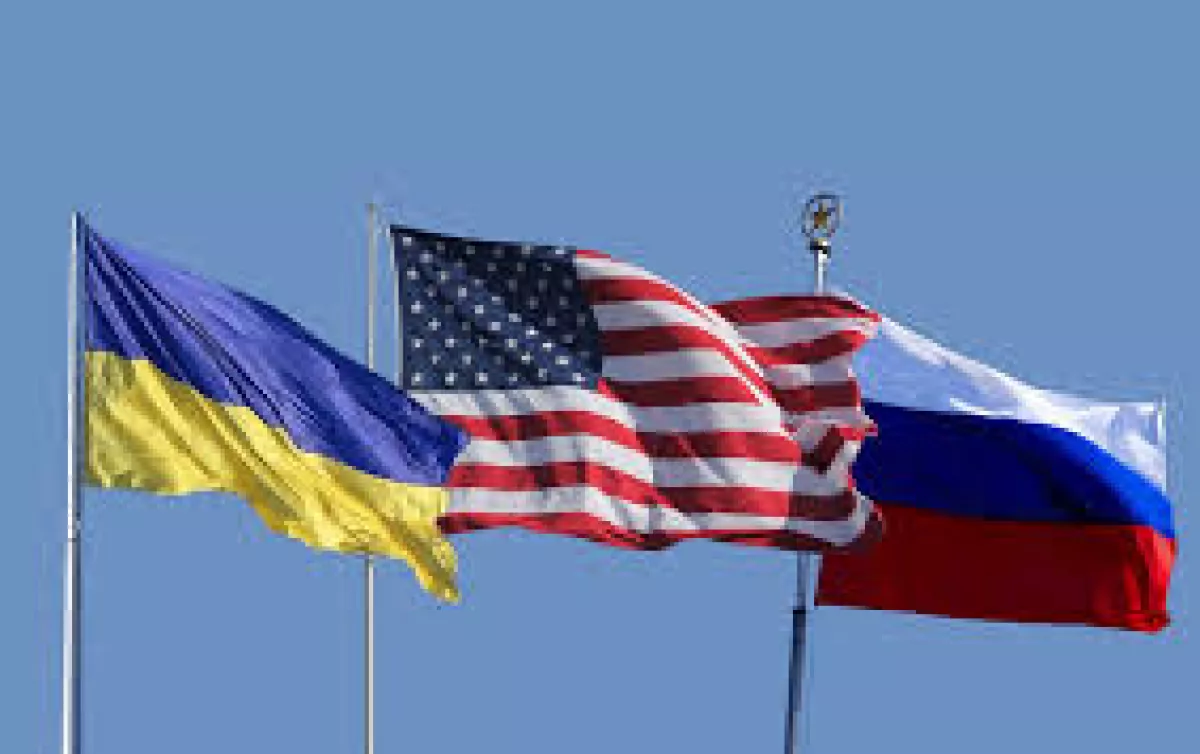
On the other hand, the American position is not objective, and the US cannot really be considered a mediator, if only because they, to put it mildly, play into Russia’s hands and echo its narratives — in particular, the idea that Kyiv should hand over Donbas and withdraw its troops from the territory, and only then could any peace talks be considered,” the expert said.
However, according to him, Ukraine firmly holds its positions and is not willing to make territorial concessions: “In other words, this negotiation process has long reached a deadlock and requires a rebranding. I believe it would be fair to involve the Europeans in the process: then it would no longer be a triangle, but a more balanced and sustainable structure. When it comes to negotiations, Russia and the US generally end up on the same side, with Ukraine on the other. The presence of the European Union would therefore help maintain the balance of power.”







 editor@caliber.az
 +994 55 444-88-98
 Азербайджан, Баку, ул. Низами, 203, Af Business House, 5-й этаж