










Kazakhstan between centres of power: A new signal from the White House Expert opinions on Caliber.Az
U.S. President Donald Trump has sent a letter to the President of Kazakhstan, Kassym-Jomart Tokayev. According to Akorda, the American leader expressed appreciation for his meeting with Tokayev during the first session of the Board of Peace held in February in Washington.
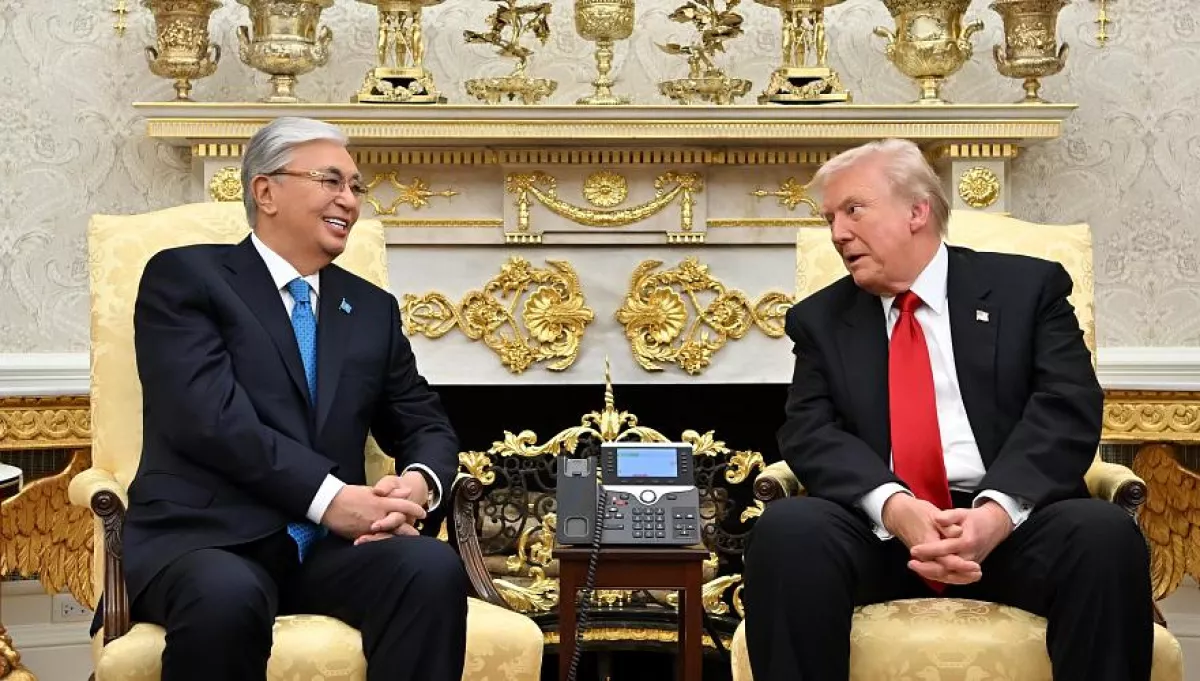
Donald Trump also emphasised that he looks forward to a new meeting with the President of Kazakhstan—both at the next session of the Board of Peace and at the upcoming G20 Summit in Miami at the end of the year.
Amid a shifting global agenda and active diplomacy, the question of which issues will be at the centre of talks between the two leaders is gaining particular significance.
Kazakh political scientists and analysts shared their views on the matter with Caliber.Az.
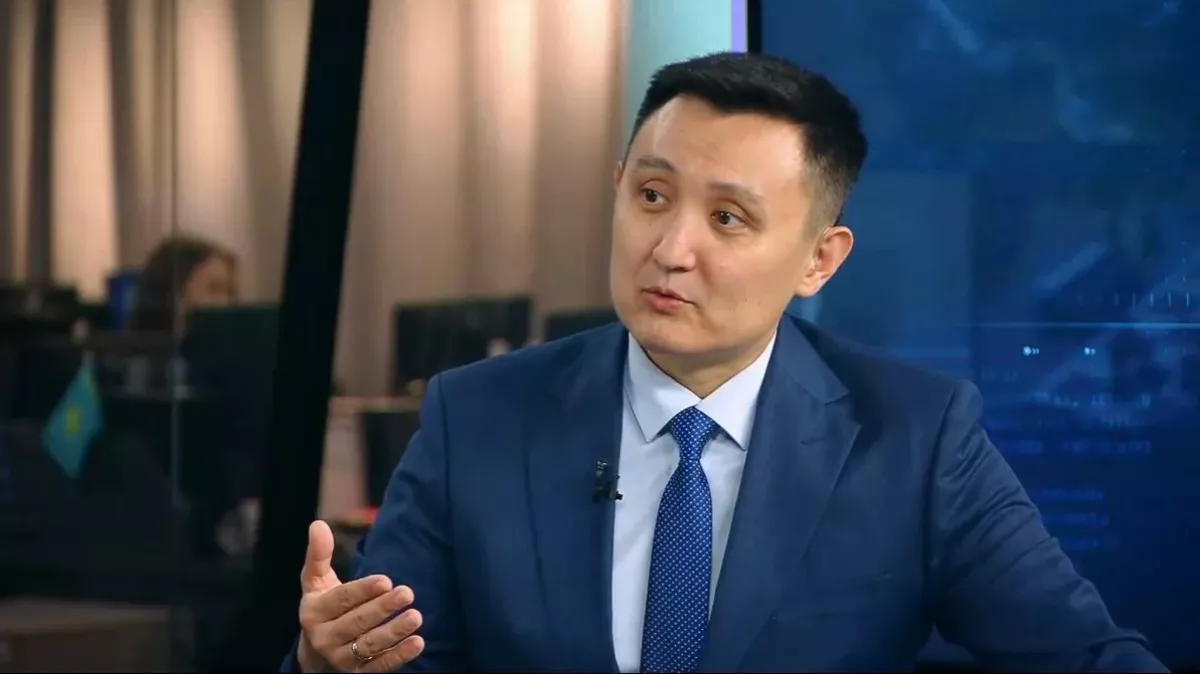
Well-known political commentator Gaziz Abishev believes that a potential meeting between Kassym-Jomart Tokayev and Donald Trump on the sidelines of the G20 Summit may differ from traditional bilateral talks.
“At the G20 summit, there may be no direct bilateral dialogue between the U.S. president and the leader of Kazakhstan, as this forum is primarily a platform for multilateral engagement. Moreover, Kazakhstan participates not as a G20 member, but as an invited guest, meaning discussions are likely to be broader and more global in scope,” the expert notes.
He explains that the agenda of such meetings typically extends beyond narrow national interests.
“G20 discussions usually focus on global issues—counterterrorism, financial stability, the balance of power, and trade relations. In this context, President Tokayev may present his vision of a fair global political and economic order to Donald Trump, as well as comment on proposals put forward by other countries,” Abishev says.
In his view, Kazakhstan’s role in this format may prove more significant than it might initially appear.
“To some extent, Kassym-Jomart Tokayev may act as a kind of moderator, given that Donald Trump is known for his sharp reactions to the positions of certain countries. In this context, Kazakhstan is well placed to adopt a more balanced and stabilising stance,” he adds.
At the same time, the expert emphasises that real bilateral agreements are not shaped solely at the level of heads of state.
“When it comes to concrete agreements between the United States and Kazakhstan, the bulk of the work typically falls to bureaucratic institutions, trade representatives, relevant government agencies, and intergovernmental commissions. It is these bodies that develop practical and mutually acceptable solutions,” he explains.
However, he stresses that the political dimension remains decisive.
“Ultimately, everything comes down to political will, and much depends on the position of the stronger player—Donald Trump, who is known to place great importance on personal relationships with his counterparts. Therefore, one of the key tasks is to establish and strengthen direct personal contact between the leaders,” Abishev notes.
He also highlights Washington’s strategic interest in Kazakhstan.
“The United States is interested in Kazakhstan in several respects: competition for influence in Central Asia—a region at the crossroads of China and Russia; access to natural resources, including rare earth metals; the extension of oil contracts; and logistics,” the expert explains.
In conclusion, Gaziz Abishev underscores Kazakhstan’s role as a regional player.
“Kazakhstan is a major Central Asian state that controls a significant part of its micro-region and acts as a responsible power. This makes it an important long-term partner for the United States,” Abishev concludes.
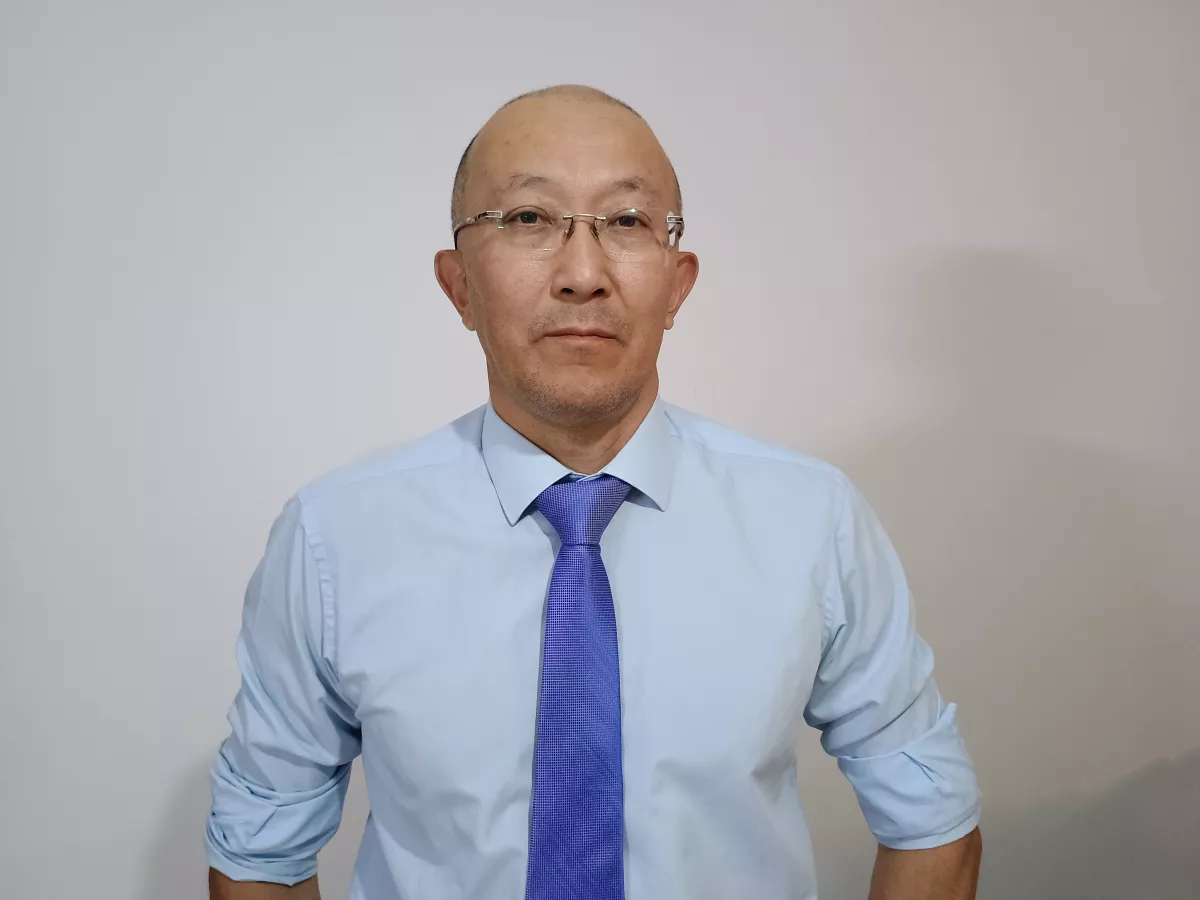
The head of the A+Analytics research centre, political scientist Farhad Kassenov, highlighted both the political symbolism and the practical substance of the upcoming talks.
“An invitation extended to a representative of a country that is not a member of the G20 is, without a doubt, a significant advance gesture and a kind of entry point into global dialogue. Summits such as the G20 Summit demonstrate the existence of a certain ‘club’ of states. These are, in essence, internal discussions that may have far-reaching consequences, while also imposing obligations—related to alignment, mutual support, and maintaining a shared spirit within these circles,” the expert notes.
As the analyst emphasises, Kazakhstan’s role is multifaceted.
“From an economic standpoint—and this is primarily a political and economic forum—Kazakhstan acts as a major transit country between China and the European Union. Importantly, this goes beyond the West–East direction and also includes cooperation along the North–South axis,” he explains, also pointing to the broader geopolitical context.
“In the context of the current confrontation between Iran and the United States, Kazakhstan serves as a connecting link across the Caspian Sea along the North–South axis between Russia and Iran. Overall, the country’s transit potential is of immense importance and is becoming increasingly relevant as the development of the Middle Corridor progresses—a route in which Azerbaijan is also involved,” the expert continues.
He emphasises that this transport and logistics role is complemented by resource factors.
“Alongside its logistical and geopolitical significance, there is another crucial aspect—energy supplies to global markets, which are of critical importance today,” he says.
Expanding on the logistics dimension, Farhad Kassenov cites specific figures.
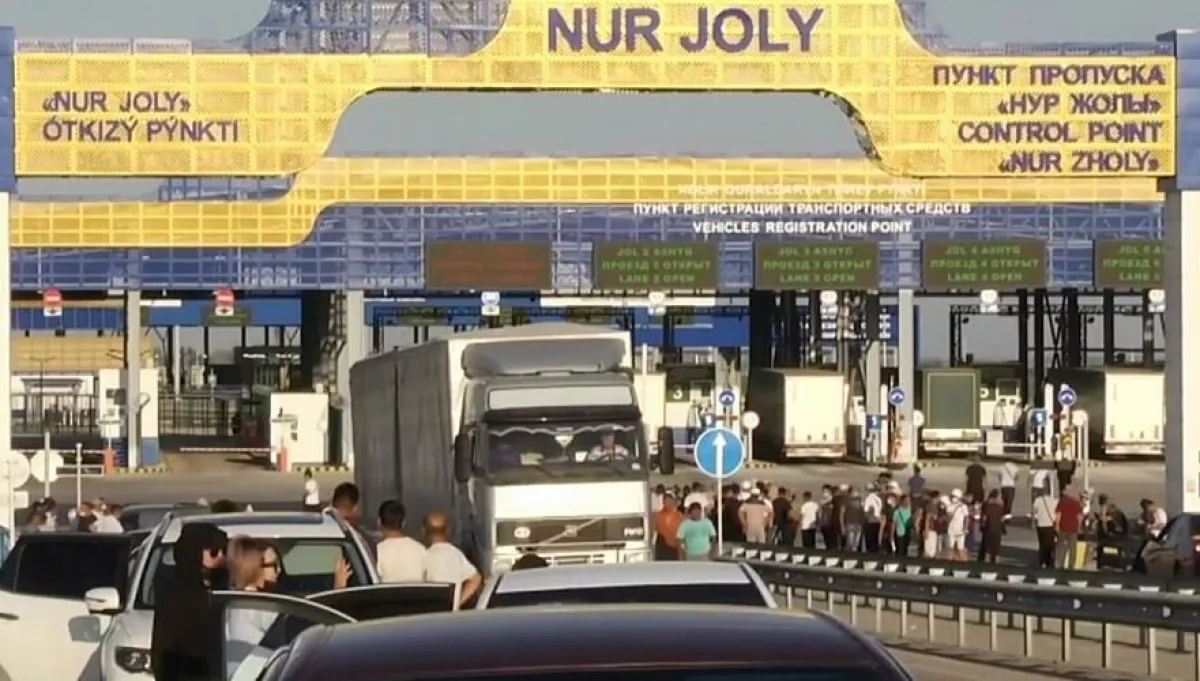
“Up to 80% of all overland transport between China and Europe passes through Kazakhstan. Moreover, Azerbaijan is involved in these routes, as a significant portion of the corridors runs through its territory. In this sense, our countries serve as a key link between China and Europe,” he notes.
The expert explains why this factor is important for global players.
“In the event of a conflict, for example between China and the United States, Beijing would rely heavily on the overland route through Kazakhstan. Accordingly, it is important for Washington to maintain stable relations with the country to ensure continued access to these corridors. China, in turn, regards Kazakhstan as part of the Belt and Road Initiative—that is, a modern Silk Road component,” he explains.
He adds that stability in resource supplies is also critical for the United States and the European Union.
“What matters greatly is that alternative energy resources from Kazakhstan are delivered reliably,” the analyst emphasises.
He also highlights the topic of rare earth metals.
“In fact, a de facto monopoly on rare earth metals has emerged, which directly affects U.S. interests. These resources are used not only in consumer electronics or the space industry, but primarily in military equipment, including missile technologies,” he said.
The expert then outlines the country’s industrial potential.
“Kazakhstan has capacities for processing rare earth metals: a developed railway infrastructure, the Middle Corridor, and large metallurgical enterprises—including the titanium–magnesium plant, the lead–zinc plant in Ust-Kamenogorsk, the Pavlodar aluminium plant, and others. This is a substantial heavy industry base,” he says.
At the same time, Kassenov emphasises the technological aspect.
“Previously, Kazakhstan lacked technologies for deep processing of rare earth metals. However, these technologies are now beginning to arrive from the EU and the U.S. These are complex processes, but access has already been secured: relevant agreements have been signed, and the country can now not only extract raw materials but also produce higher-value processed products,” the expert explains.
He adds that other countries are also showing interest in these resources.
“Projects of this kind are supported by Japan, which is keen on access to rare earth metals. Overall, we observe sustained interest from Japan, Europe, and the United States in the routes passing through Kazakhstan,” he notes.
Turning to global competition, the analyst also addresses China’s position.
“China is, of course, not interested in losing its monopoly in this sector. However, at present it does not have sufficient leverage to directly block the development of such projects in Kazakhstan,” he believes.
In conclusion, Farhad Kassenov emphasises the strategic balance.
“Kazakhstan pursues a multi-vector policy, participating in a complex game between different centres of power. This elevates its status on the international stage. A meeting at the G20 is not merely a diplomatic contact—it is a discussion of key issues concerning logistics, resources, and global influence,” the expert summarises.







 editor@caliber.az
 +994 55 444-88-98
 Азербайджан, Баку, ул. Низами, 203, Af Business House, 5-й этаж