










Armenia: Moving beyond myths toward a just present Expert opinions on Caliber.Az
“Enough of feeding the public with claims of new genocides—this race needs to stop. In our region, everyone accuses everyone else of genocide,” Armenian Prime Minister Nikol Pashinyan told journalists. He added that, as Armenia’s prime minister, he rejects the agenda of so-called “restoring historical justice,” arguing that the focus should be on achieving a just present.
“When we use genocide rhetoric, we get genocide rhetoric in return. The same applies to the topic of restitution. I consider rhetoric about ethnic cleansing harmful, as it can provoke mirror rhetoric. That is, it leads down a path toward conflict,” Pashinyan said.
According to him, such rhetoric is designed to prevent the people of Armenia from living in peace. Pashinyan assured that in Prague he resolved the question of Armenia, deciding that Armenia must recognise its own territorial integrity. “Do you understand the level of absurdity? And this is the greatest conspiracy against Armenia that I overcame by my own determination in October 2022, with the support of the government,” he added.
Can we expect that, if Pashinyan’s party wins the June elections, the issue of the “Armenian genocide” will finally be relegated to the past? Could this topic lose its status as a political manipulation tool for various opposition forces in Armenia?
Well-known experts shared their views on this question with Caliber.Az.
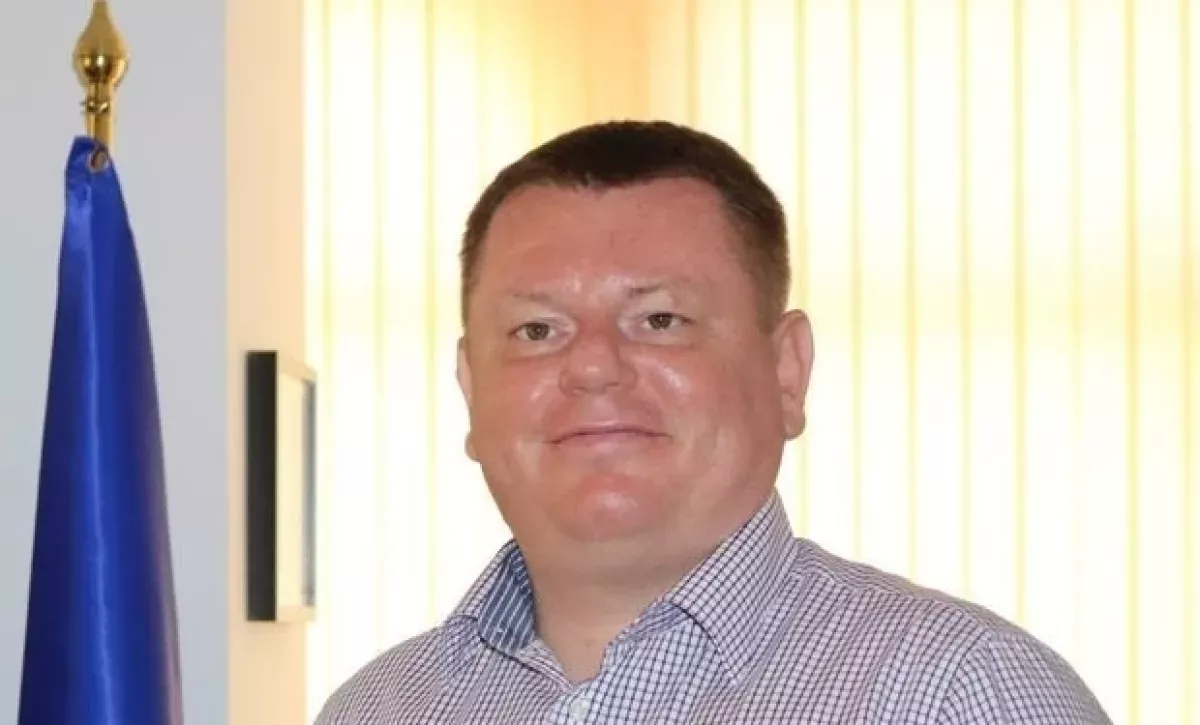
Polish analyst Dariusz Popek from the University of Rzeszów, editor-in-chief of the journal Caucasus: Past, Present, Future, notes that Armenia is witnessing a harsh political campaign ahead of the upcoming elections.
“The weak and fragmented opposition is trying desperately to mobilise the part of society that has not come to terms with the loss of Karabakh. This is why such emotional and sensitive topics are being raised. Nikol Pashinyan, as well as Azerbaijan, are hoping for peace and political stability. Both countries are committed to developing cooperation and closing the chapter of the conflict. Both Prime Minister Pashinyan and President Aliyev prioritise ensuring economic development in their countries. This relates both to domestic political issues in each country and to improving security across the entire region.
After its defeat in the war, Armenia faces enormous social challenges related to Armenians from Karabakh, economic dependence on Russia, and prolonged stagnation caused by the conflict with Azerbaijan,” the Caucasus expert explained.
Moreover, he notes, in the context of ongoing geopolitical shifts and the struggle between the U.S. and China—exemplified by the war in Iran—it is crucial for all countries in the region, including Georgia and Türkiye, to build significant economic potential across the South Caucasus and to develop trade and economic ties with the EU and China, which would enhance their security guarantees.
“It is also important to remember that after Russia froze active military operations in Ukraine, it will remain a significant threat to all its neighbors that have managed to gain independence from Russian influence while it was preoccupied in Ukraine. This includes negotiations between Armenia and Azerbaijan without Russia’s involvement or consideration of its interests, as well as the political and economic initiatives of both countries aimed at cooperation with the EU and the U.S.,” Popek stated.
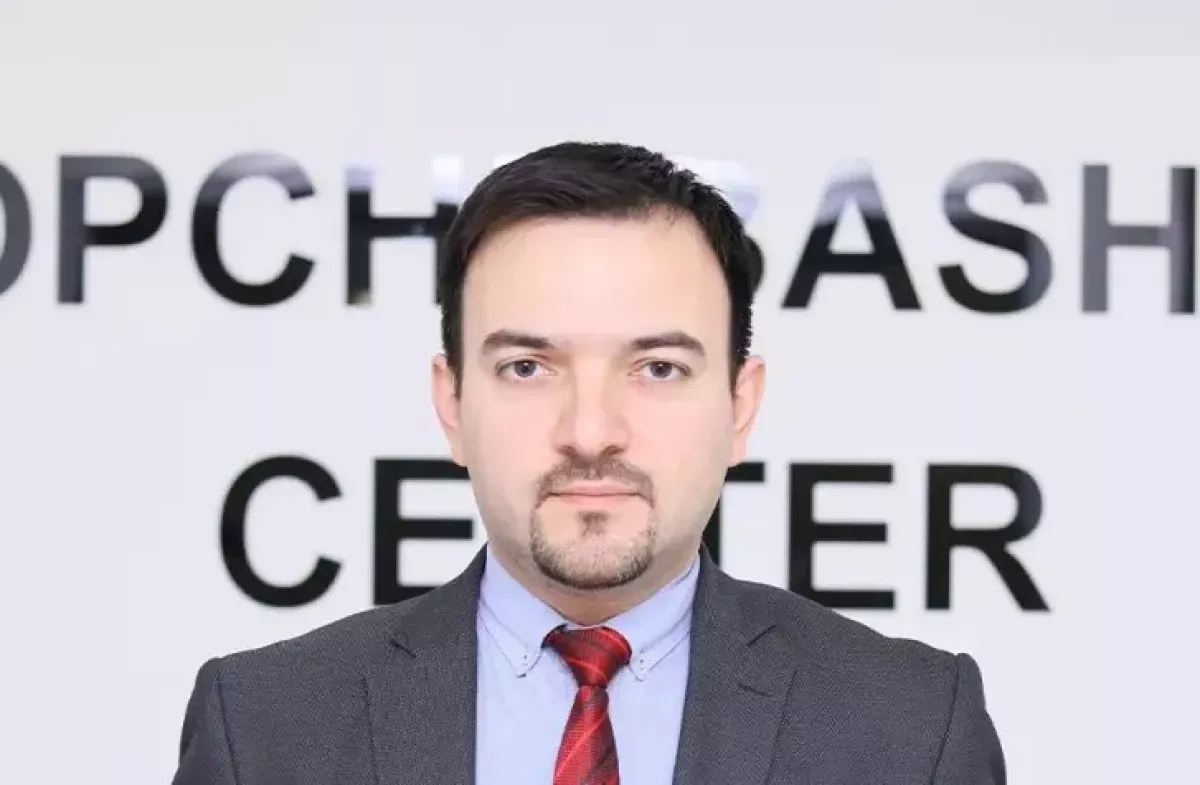
Rusif Huseynov, director of the Topchubashev Baku Analytical Center, does not believe that any political force or individual politician in Armenia—or in the global Armenian community—can simply forget or abolish the policies and narratives related to the “genocide.”
“That would, of course, be political suicide. Therefore, I do not think the topic of the ‘Armenian genocide’ will simply fade into the past. However, the current government is pursuing a more or less pragmatic policy, and its priority is the normalization of relations with Türkiye. The future trajectory of Armenia’s geopolitical orientation depends on this, as do its relations with Russia and Europe. In this regard, the Armenian side will do everything possible to normalise relations with Ankara. In this context, the ‘genocide’ topic will likely be pushed into the background, so as not to irritate, so to speak, the Turks. But of course, the topic will remain present in public consciousness—in books, history, television, culture, and so on. So no one will abandon it.
Most likely, however, statements by Armenian officials on this topic will become less public, especially when commenting on issues related to Azerbaijan and Türkiye, peace processes, normalization, and similar matters,” Huseynov concluded.







 editor@caliber.az
 +994 55 444-88-98
 Азербайджан, Баку, ул. Низами, 203, Af Business House, 5-й этаж