










Is the world order falling apart? From Erdoğan’s warning to UN failures
Turkish President Recep Tayyip Erdoğan has spoken about a serious crisis in the functioning of the international system and its loss of effectiveness.
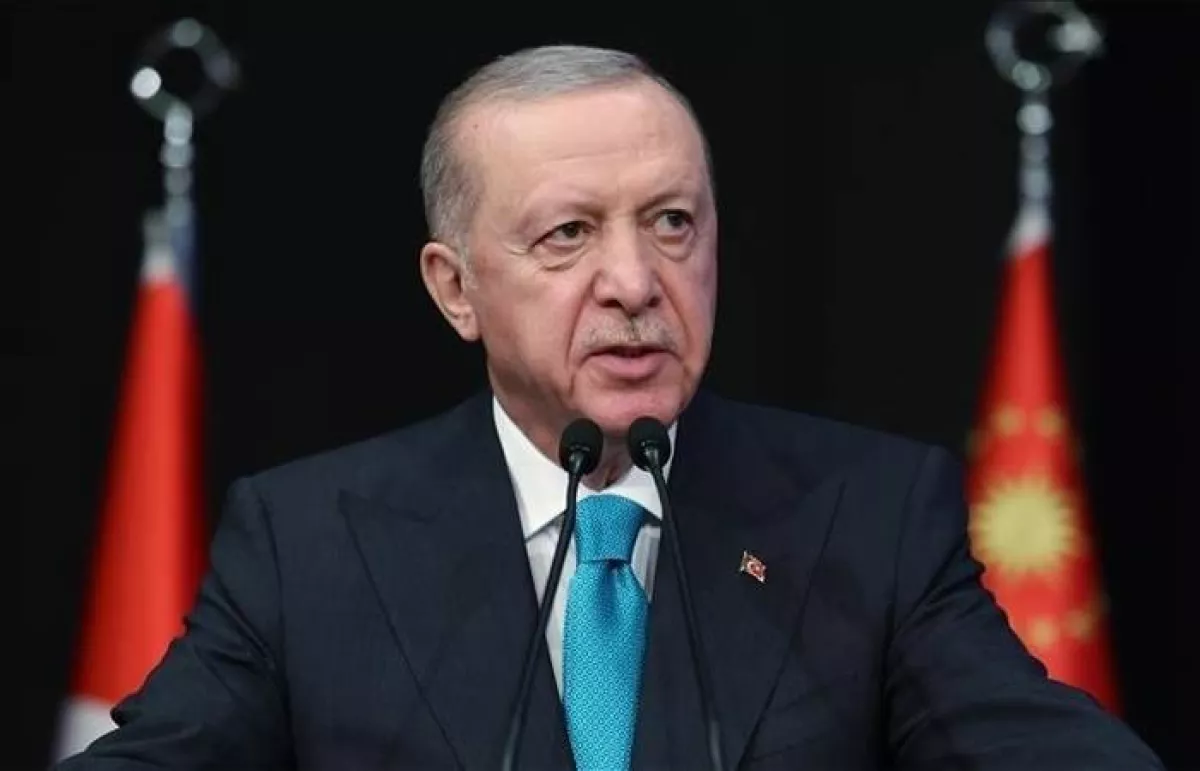
“The system established after World War II is experiencing a serious legitimacy crisis in almost all areas. The combination of institutions, rules, and values that form its foundation is losing functionality day by day. We are going through a complex period in which the competition for power extends to areas such as energy, technology, and trade, while problems are increasingly being addressed with weapons rather than dialogue,” he said at the Stratcom 2026 Strategic Communications Summit in Istanbul.
He also noted that the world is currently witnessing “an escalation of genocide, wars, and crises.”
“Ending these tragedies and restoring peace, calm, and stability in our region and across the globe is more important than ever. Today, it is essential to further strengthen mechanisms of communication and cooperation to prevent the spread of false narratives that distort facts,” the president emphasised.
Are there real tools to prevent the international system from entering a crisis and losing its functionality? If so, what are they? And is it possible to expect that leading countries will reach a consensus to address this global challenge?
Renowned analysts shared their views on this issue with Caliber.Az.
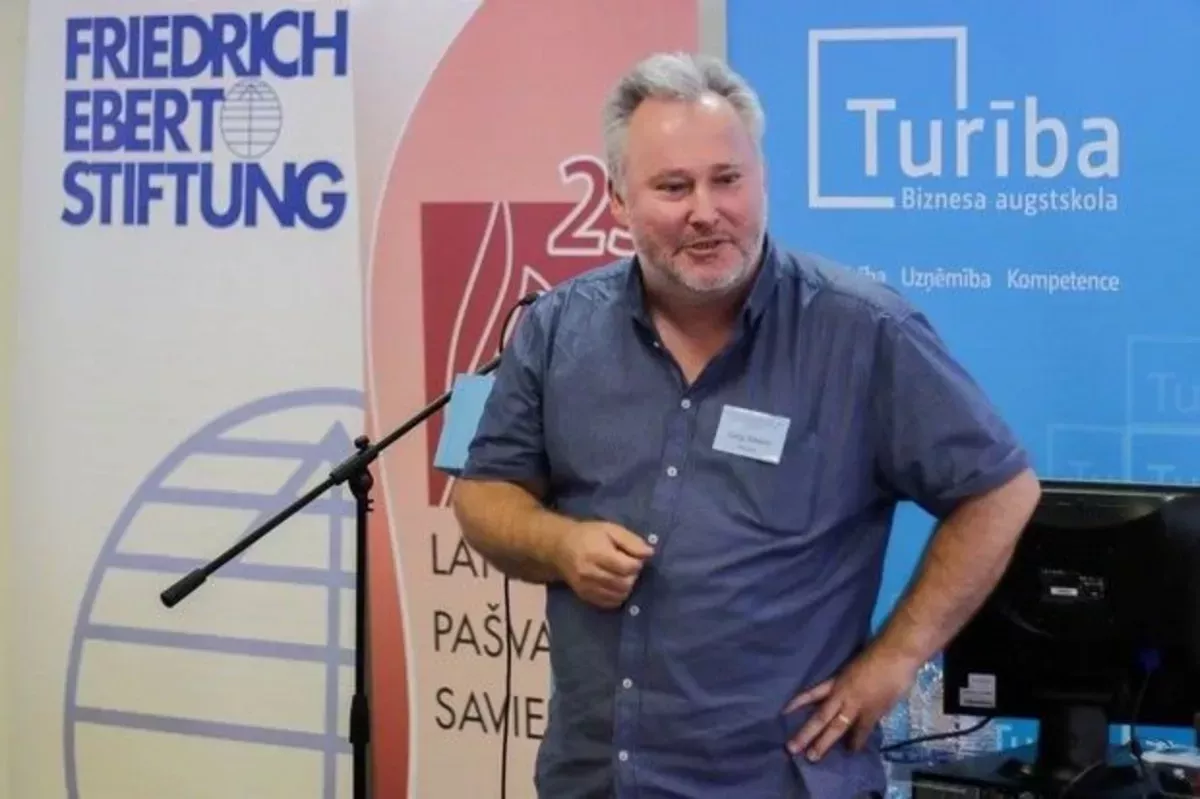
Dr. Greg Simons, PhD in Philosophy, political scientist, and professor at Daffodil International University (Dhaka, Bangladesh), believes that the current crisis in global geopolitics is linked to the relative decline of the “American-led world,” which is accelerating rapidly.
“The system of the Global North appears to be not only in decline but also in fragmentation. There are serious ideological disagreements between the United States and the so-called ‘liberal’ Western world. The façade of a global order based on international law has been dead for more than a decade. It is in a state of total collapse, as the accumulated contradictions are too deep to reconcile,” the professor noted.
According to him, this explains the loss of functionality of the international system created after World War II, which was designed to maintain U.S. hegemony.
“The likelihood that leading Western countries, including the United States, will reach any meaningful consensus is declining. At the same time, countries of the Global South are unlikely to accept conditions that limit their sovereignty and independence, since the U.S. appears intent on restoring its hegemonic status.
Unfortunately, the outlook remains grim: countries of the Global North are increasingly abandoning the rational and pragmatic logic that previously ensured their influence, in favour of emotional and ideologised policies. In this context, the global geopolitical crisis is likely to intensify further,” Simons concluded.
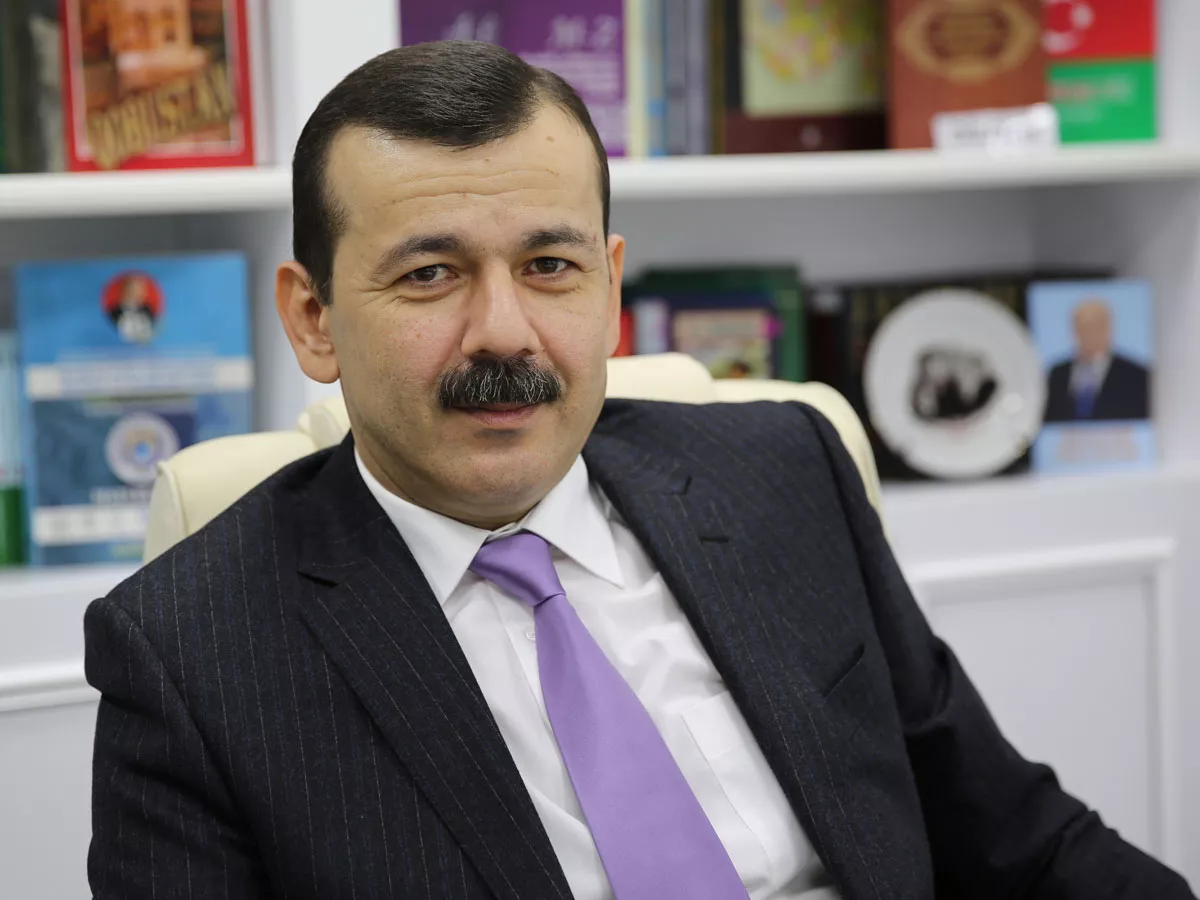
According to Azerbaijani political analyst Murad Sadaddinov, Erdoğan’s remarks about the failure of the global system of security are directly linked to the functioning of the UN Security Council, which was established after World War II.
“The problem of the UN Security Council’s ineffectiveness as a body tasked with addressing international security issues has persisted throughout its existence. Its roots were embedded in the very structure of the Council, which was shaped under the influence of the victorious powers — primarily the United States, the Soviet Union, and the United Kingdom. Later, France and China were added as permanent members. Notably, until the early 1970s, present-day China was not part of the Council; its seat was held by Taiwan.
The five leading states, considered key players in world politics, were granted permanent veto powers, allowing them to block any decision. Crises began almost immediately: in 1946, the USSR used its veto for the first time on issues concerning Greece and Iran, accompanied by mutual accusations between the parties.
Thus, this mechanism began to fail almost from the outset. History offers illustrative examples — notably the Korean War, when Soviet representatives, in protest, walked out of a session. This proved to be a serious diplomatic mistake, as it allowed the Council to make decisions without the Soviet veto. Yet even those decisions were ineffective. Similar situations recurred repeatedly: the Suez Crisis, conflicts in the Middle East, and the war in Afghanistan — the security mechanism effectively did not work.
Even when the veto was not exercised, the system demonstrated failures during the implementation of decisions. In recent history, this is particularly evident in Ukraine, Syria, and the Gaza Strip, where Russia and China repeatedly blocked resolutions. Overall, analysing the entire history of the UN Security Council, one can conclude that its effectiveness is limited and that it is unable to ensure real international security,” the expert noted.
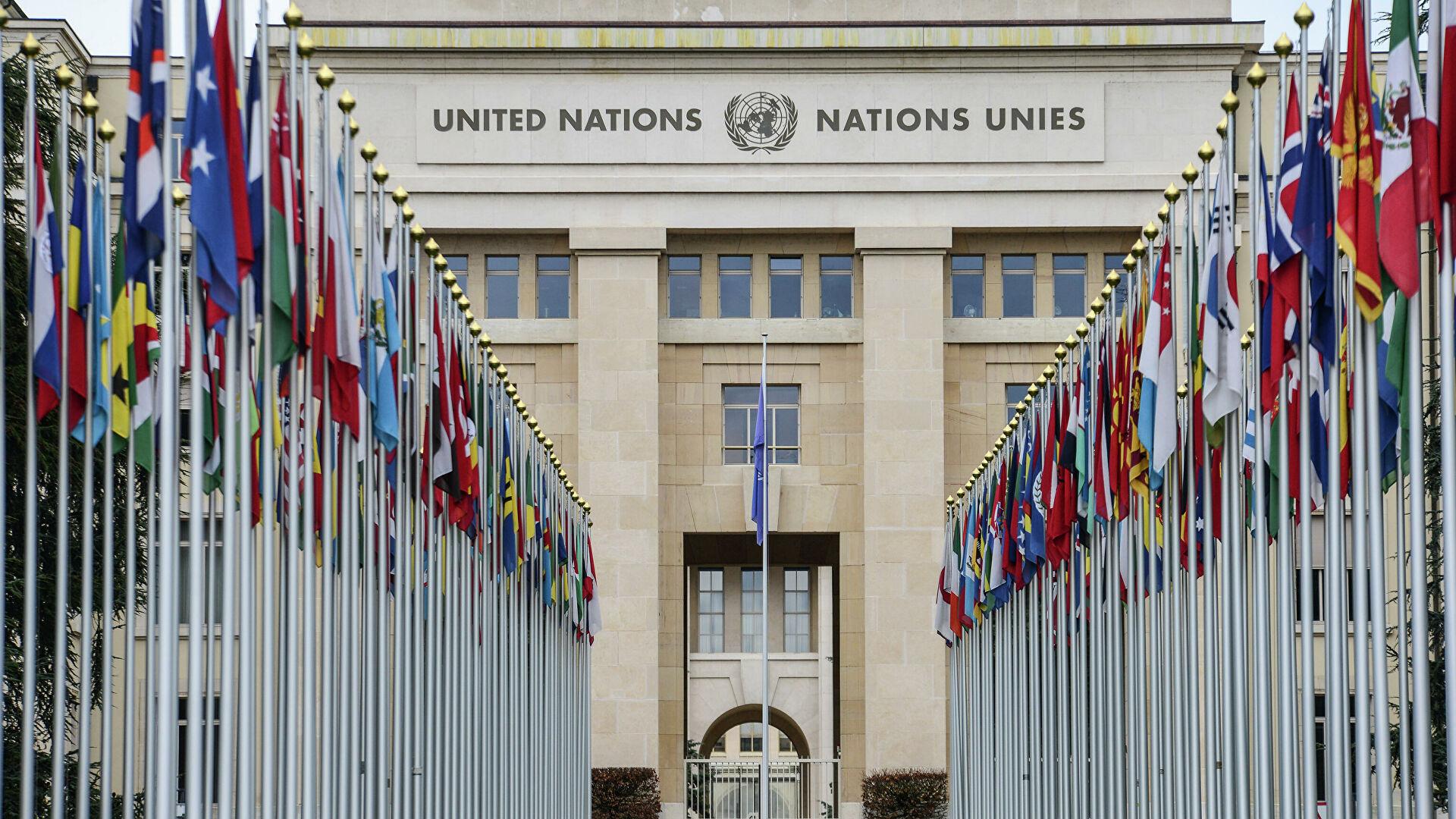
In his view, the issue of reform, which Erdoğan emphasises, remains extremely complex.
“The key problem is the veto power. Decisions on reform must be made by UN member states and the Security Council itself. However, the countries that hold veto power have no interest in limiting it. Any initiatives to expand the Council’s membership or revise the veto mechanism inevitably conflict with their interests. Therefore, in my opinion, speaking of a real possibility of reform is overly optimistic. The organisation is increasingly becoming a stagnant structure, functioning by inertia.
The activities of the UN, the Security Council, and their institutions often do not correspond to current global challenges, and there is no visible prospect for systemic transformation. Historically, attempts were made to create alternative formats, such as the Non-Aligned Movement initiated by leaders like Jawaharlal Nehru (India), Josip Broz Tito (Yugoslavia), and Gamal Abdel Nasser (Egypt). However, despite broad participation, this movement could not become a full-fledged alternative to the UN.
Today, statements by Donald Trump regarding a Board of Peace as a possible alternative to the UN are also being made, but so far this appears more like a political declaration than a fully realised project.
Overall, I see no realistic avenues for reforming the international security system. Despite statements by several world leaders, including Erdoğan, the ‘P5’ permanent members will not allow the existing architecture to change. Significant changes are only possible either through a radical redistribution of global power or as a result of a major global conflict that alters the balance of forces. In the foreseeable future, the creation of an effectively functioning mechanism through UN and Security Council reform seems unlikely,” Sadaddinov concluded.







 editor@caliber.az
 +994 55 444-88-98
 Азербайджан, Баку, ул. Низами, 203, Af Business House, 5-й этаж