










UN watchdog sounds alarm World drifts toward new nuclear race
In the context of a global reshaping of the world order, intensifying rivalry among major powers and overall geostrategic competition are becoming not only a catalyst for regional conflicts but also a strong incentive for states to modernise and expand their nuclear arsenals.
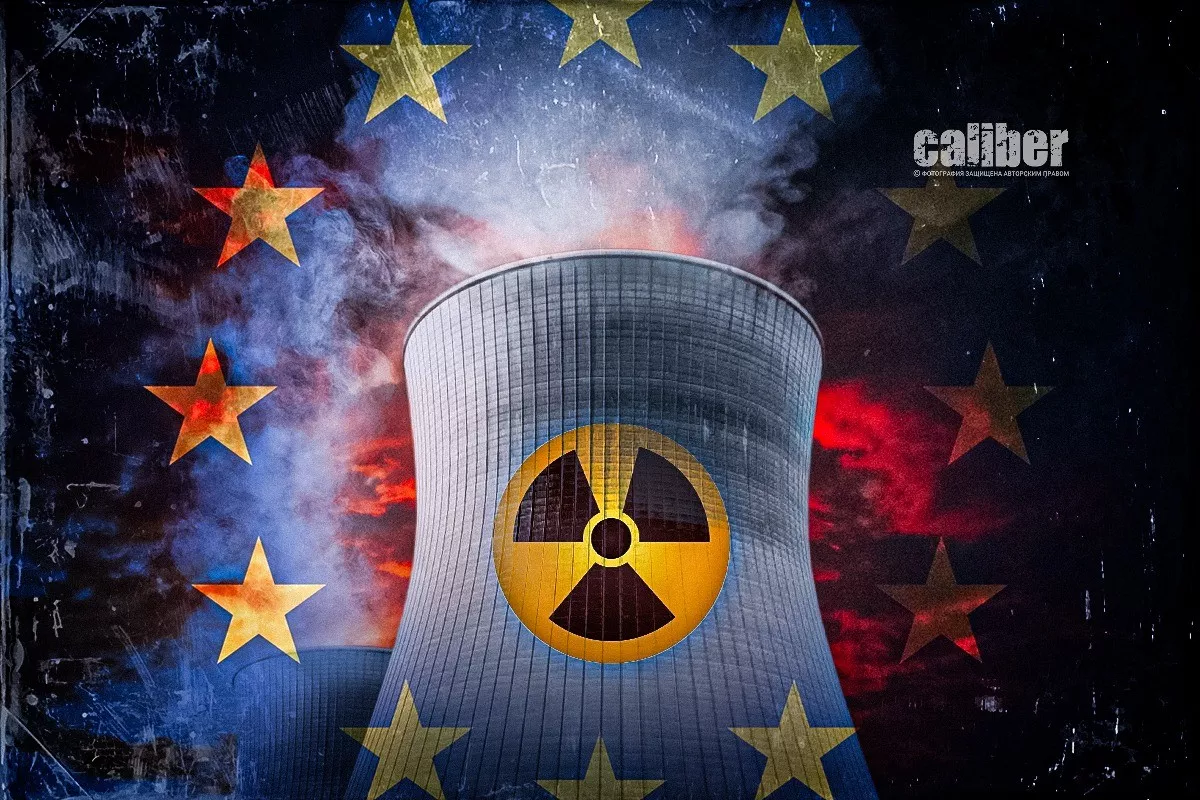
Against this backdrop, even those countries that are parties to the Treaty on the Non-Proliferation of Nuclear Weapons (NPT, approved by UN General Assembly Resolution on June 12, 1968 and entered into force on March 5, 1970), which previously had no plans to join the nuclear race, are increasingly considering the development of their own nuclear weapons. In recent times, several EU countries have expressed a desire to explore the possibility of developing nuclear arms, which is undoubtedly a highly dangerous trend.
For example, in September 2025, the Swedish government made such a statement, followed by Warsaw in March of this year, which voiced similar intentions. Alongside raising the issue of developing its own nuclear weapons, the Polish authorities have also announced plans to build nuclear power plants. The nuclear agenda is also being actively promoted in the Baltic states, in particular in Estonia, where a small modular reactor, the BWRX-300 developed by the US-Japanese company GE Hitachi, is planned to be built.
At the same time, what is particularly noteworthy is that the nuclear momentum is not only being met with understanding within key institutions of the European Union – there are serious discussions about a return to nuclear energy. This is also reflected in statements by European Commission President Ursula von der Leyen, which she made at the 2nd World Nuclear Energy Summit in Paris.
“The nuclear tech race is on. But we know that Europe has everything it needs to lead. We have half a million highly skilled workers in nuclear – far more than the US and China. We lead global innovation in modular reactors. And now we have the ambition to move at speed and scale,” said von der Leyen, effectively giving the “green light” to European nuclear energy.
Continuing this topic, it is worth recalling information that appeared in the media in early April, citing Russia’s Foreign Intelligence Service (SVR). In particular, it was reported that a closed-door discussion on the development of its own nuclear weapons had begun at the EU headquarters, and that, alongside public statements of loyalty to the American “nuclear umbrella,” European leadership was already forming a secret industrial base for the production of such weapons.
At the same time, the SVR emphasised Europe’s technological readiness, noting that German specialists are capable of covertly obtaining weapons-grade plutonium within about a month in research laboratories in Karlsruhe, Dresden, Erlangen, and Jülich, while weapons-grade uranium could be produced in as little as a week at the enrichment facility in Gronau.
According to intelligence data, industrial capacity for producing components of nuclear weapons exists in Italy, the Czech Republic, Belgium, Sweden, the Netherlands, and Spain.
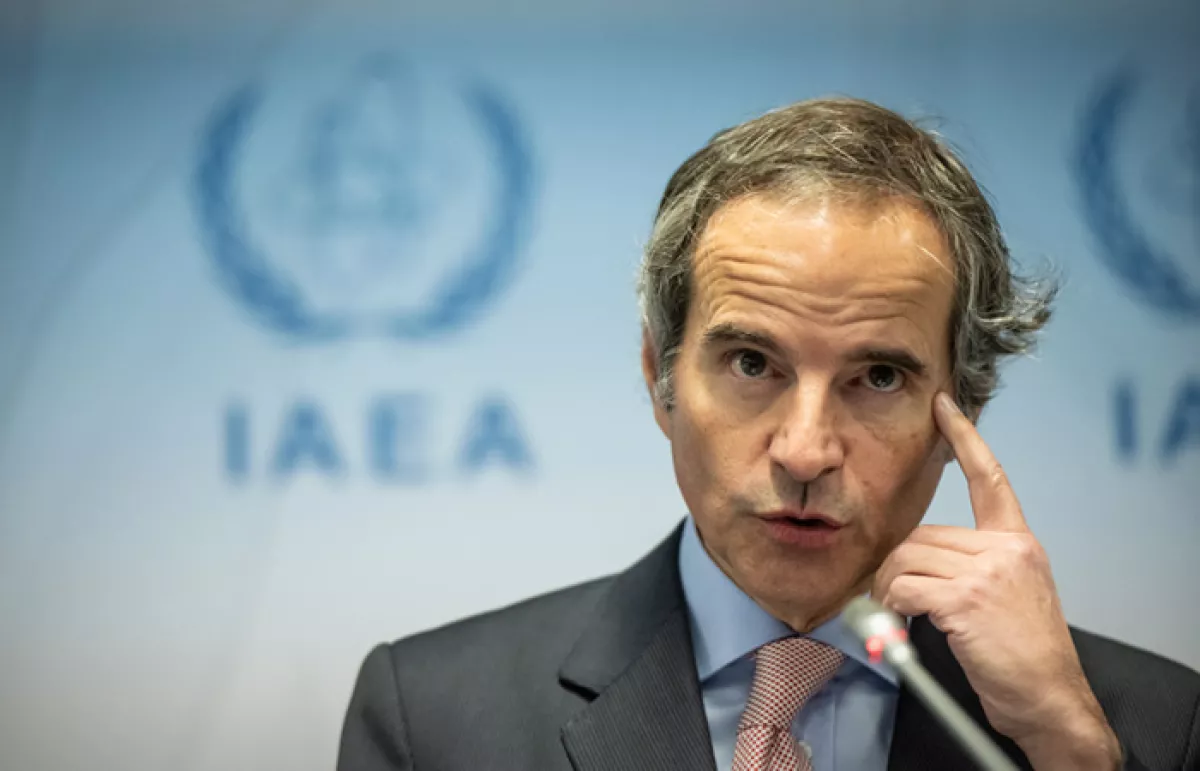
This nuclear “hysteria” is logically raising concerns, including from the Director General of the International Atomic Energy Agency (IAEA), Rafael Grossi, who warns that the threat of a nuclear catastrophe has reached a level not seen since the Cold War.
“In today's nuclear domain, we face a precarious standoff, with more actors, more risks, and less clarity,” he wrote recently on social media platform X, calling for the strengthening of the NPT.
Grossi’s initiative sounds like a red warning signal, alerting humanity that the world is standing on the edge of a serious nuclear war and new large-scale upheavals. It should be assumed that his words should be heeded not only by European countries contemplating the development of nuclear weapons, but also by several states in East Asia, where debates on nuclear militarisation are also ongoing.
On the other hand, Grossi’s call to strengthen the NPT requires a comprehensive approach, urging nuclear-armed states to reduce their arsenals in line with treaty obligations. Article VI obliges the parties, “in good faith,” to pursue negotiations on the cessation of the nuclear arms race, nuclear disarmament, and a treaty on general and complete disarmament under strict international control.
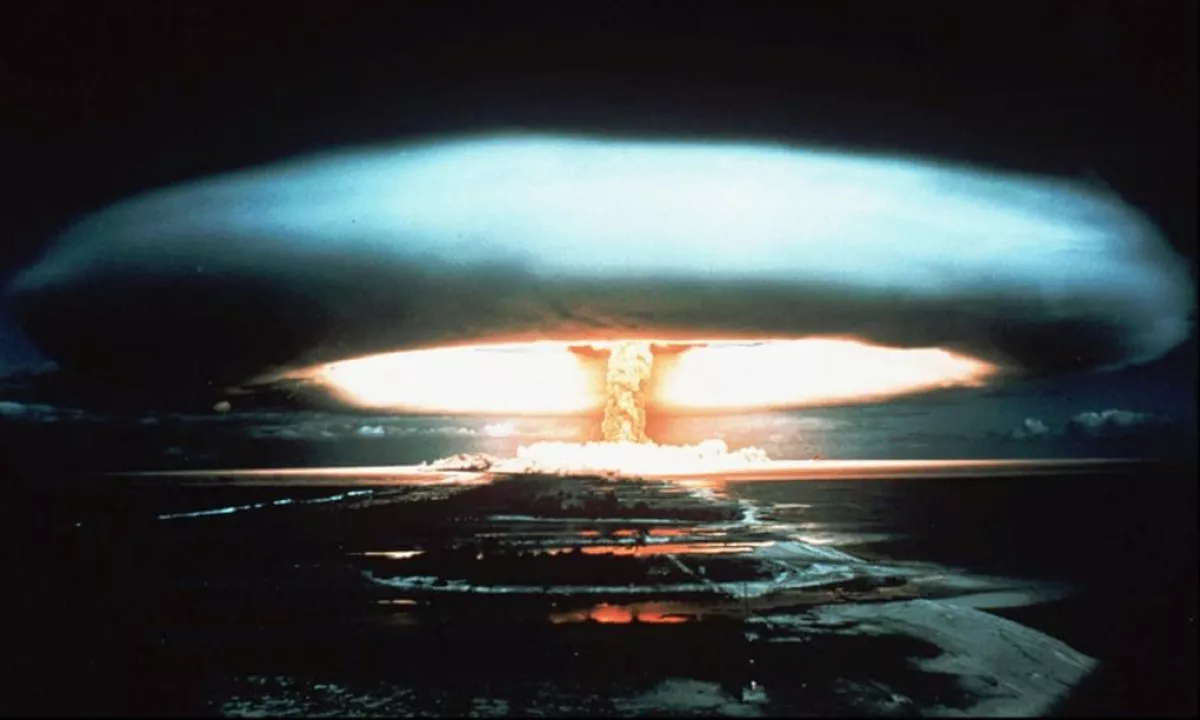
In other words, it effectively obliges nuclear powers to pursue the reduction and elimination of their arsenals. Formally, the obligations under Article VI (efforts toward disarmament) are shared by all states parties to the NPT, but the main responsibility lies with the “nuclear five” – the United States, Russia, the United Kingdom, France, and China.
However, given that compliance with NPT obligations by member states appears unlikely under the current state of geopolitical turbulence, there is little reason to doubt that the trend toward a renewed nuclear arms race will continue in the foreseeable future. Accordingly, expecting any fundamental changes in this direction from the next NPT Review Conference, which began on April 27 in New York, is also unrealistic, especially recalling that the two previous conferences ended without final communiqués.
Thus, if the “nuclear club” were to expand through the inclusion of new states, a rather bleak picture emerges: amid the ongoing tectonic shifts in the region and the world, the likelihood that countries willing to follow the example of South Africa – which, notably, was the first case in history to abandon its nuclear weapons programme voluntarily – will emerge in the near future is close to zero. In such a context, the call by the head of the IAEA will most likely remain a voice crying in the wilderness.







 editor@caliber.az
 +994 55 444-88-98
 Азербайджан, Баку, ул. Низами, 203, Af Business House, 5-й этаж