










Karabakh clan and the fifth column against Pashinyan Experts on Armenia’s election campaign
In Armenia, the consolidation of the anti-Pashinyan opposition is gaining momentum. A coalition led by former president Robert Kocharyan has already taken shape. At a recent event in Yerevan, he was officially announced as a candidate for the post of Prime Minister.
How serious a threat does this revanchist coalition pose to the ruling authorities? Can it outperform them and secure victory in the parliamentary elections in June? And what lies ahead for the South Caucasus if the same unconstructive forces return to power in Armenia?
Armenian and Azerbaijani experts shared their views on the matter with Caliber.Az.
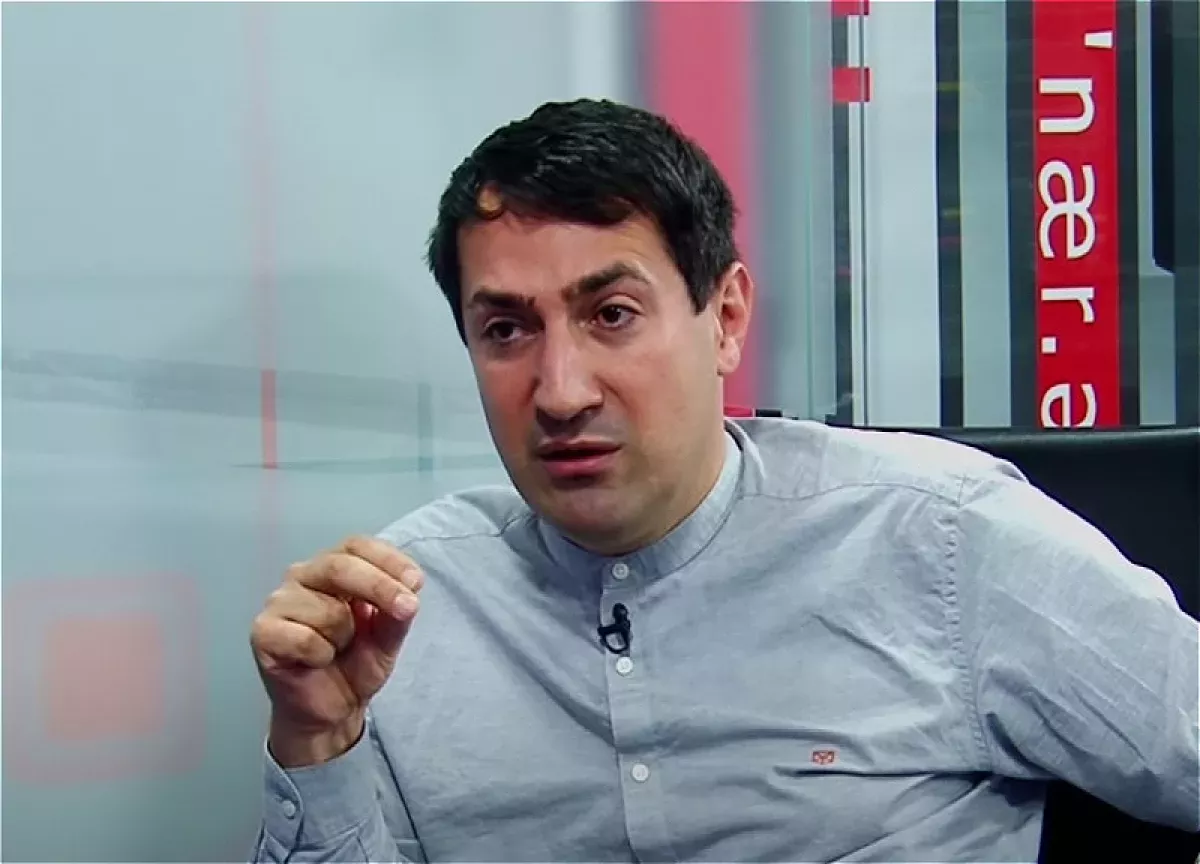
Armenian journalist, blogger, and author of the “In the Centre of Attention” platform, Roman Baghdasaryan, stressed at the outset that the threat is indeed serious and should by no means be underestimated or treated lightly.
Here is a clear, polished English translation with a natural journalistic tone:
“Why? Because the opposition forces are, for the most part, murderers and criminals who have still not been brought to justice. By the way, this is not the fault of the former authorities, but of the current ones. Despite the full support enjoyed by Nikol Pashinyan, there are also serious questions directed at his government. Why are criminals, bandits and thugs in the opposition? There must be reasons for this, but whatever they are, people genuinely do not understand why, eight years after the revolution, figures like Robert Kocharyan and other criminal elements are still able to threaten Pashinyan,” the Armenian blogger said.
According to him, these individuals pose a threat to the South Caucasus, as the only force driving division between nations is made up of supporters—and, specifically, criminals—from the so-called “Karabakh clan.”
“We have three nations—Georgian, Azerbaijani and Armenian—that are fully capable of living together peacefully. The only destabilising force in this region is an organised criminal group originating from Karabakh that operates in Russia’s interests, and personally Robert Kocharyan,” Baghdasaryan said.
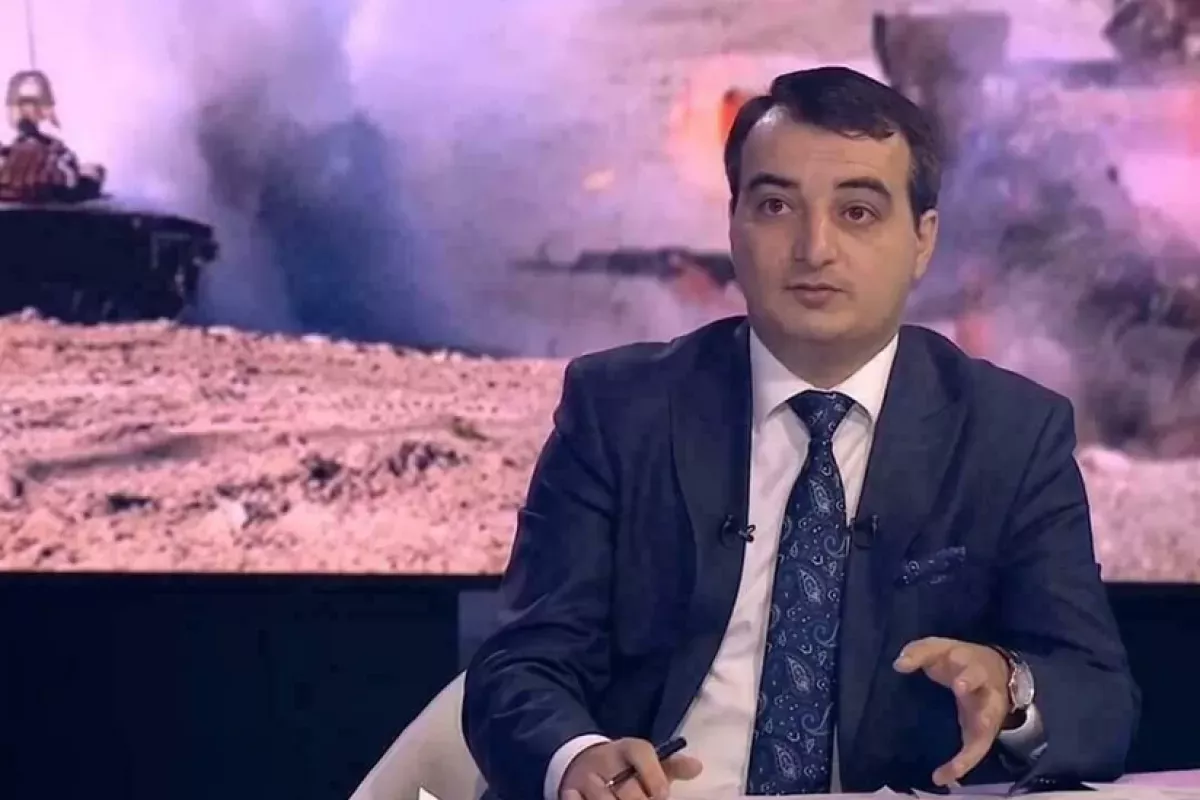
As noted in turn by Doctor of Philosophy in Political Science Ilyas Huseynov, Armenia’s election campaign and the broader electoral cycle had already begun to take shape in 2025.
“All geopolitical manoeuvres, meetings and initiatives related to peace and security in the South Caucasus were, to some extent, also tied to this electoral process. We are now seeing tensions intensify since the beginning of the year, and the election campaign is becoming increasingly pronounced.
Among Nikol Pashinyan’s opponents—namely the radical opposition—there is a view that candidates from its various factions in the parliamentary elections should run with Russia’s backing. Ultimately, they may consolidate their efforts and form a coalition against Pashinyan in order to secure victory. Earlier, the candidacy of Samvel Karapetyan was floated, and now we see that Robert Kocharyan will also take part in the elections. This reinforces the notion that, by uniting all anti-Pashinyan votes, these forces aim to come to power,” the political analyst said.
On the other hand, he added, Nikol Pashinyan and his team are not sitting idly by.
“We see that Nikol Pashinyan and his associates are travelling across Armenia by bus, holding meetings and opening new centres and enterprises. In this regard, Pashinyan has reshaped his political image and persona. Within Armenia, there is some scepticism about this transformation, but there is also a large segment of the population that supports his new image and approves of this bus tour.
The choice ultimately rests with the Armenian people. In June, we will see the expression of their political will. Of course, the opposition coming to power could lead to heightened tensions in the South Caucasus: the peace agenda may collapse, and entirely different narratives could emerge.
There is a significant number of people who support peace and back Pashinyan. However, until June, he must work very hard and hold as many meetings as possible, as there are also the Armenian diaspora, lobbying organisations, and the Armenian Church, all of which will seek to assert themselves during the election process. Taking all these factors into account, Pashinyan must—and indeed is obliged to—win,” Huseynov concluded.







 editor@caliber.az
 +994 55 444-88-98
 Азербайджан, Баку, ул. Низами, 203, Af Business House, 5-й этаж