










The Middle Eastern knot: fear and uncertainty Israeli expert on Caliber.Az
The conflict between the United States, Israel, and Iran is entering a critical and highly complex phase, with little prospect for a swift resolution. In an exclusive interview with Caliber.Az, Israeli expert and editor of Aziznews.com, Yuri Bocharov, outlines why the confrontation is likely to continue escalating, the real objectives behind military strikes in the region, and the broader geopolitical and economic repercussions.

— Mr. Bocharov, how long do you think the military confrontation between the United States and Israel against Iran will last?
— I believe the war will not end quickly. Both sides have taken fundamentally incompatible positions and are putting forward ultimatum-like demands, leaving virtually no room for compromise. In such a configuration, negotiations are impossible by definition. This means the conflict will continue to escalate—through military strikes, economic pressure, and political confrontation. Most likely, it can only end in one scenario: when one of the sides faces critical costs, both politically and economically, and is forced to make concessions. Until then, we are looking at a prolonged phase of conflict.
— Do you think that by carrying out military strikes on strategic sites in Arab countries, Iran is trying to draw them into the war, or does it have another objective?
— Iran is not primarily trying to pull Arab countries into a direct war; rather, it is playing on fear and uncertainty. Its strategy is to create the perception that any regional conflict could quickly escalate into a global crisis, affecting energy, logistics, and markets. In this way, Tehran seeks to influence not only its neighbours but also global actors—pushing Arab states, and others as well, to pressure the United States to limit its military activity. At the same time, this is a demonstration of strength—a signal that Iran is capable of destabilising the region at any moment—as well as a tool for both external pressure and internal mobilisation.
— On the eve, The Washington Post reported that Israel’s air defence is not ready for a large-scale war. How accurate is this information?
— Claims about the “unpreparedness” of Israel’s air defence look more like an element of information warfare than an objective assessment. Israel’s missile defence system remains one of the most effective in the world, and this is confirmed in practice.
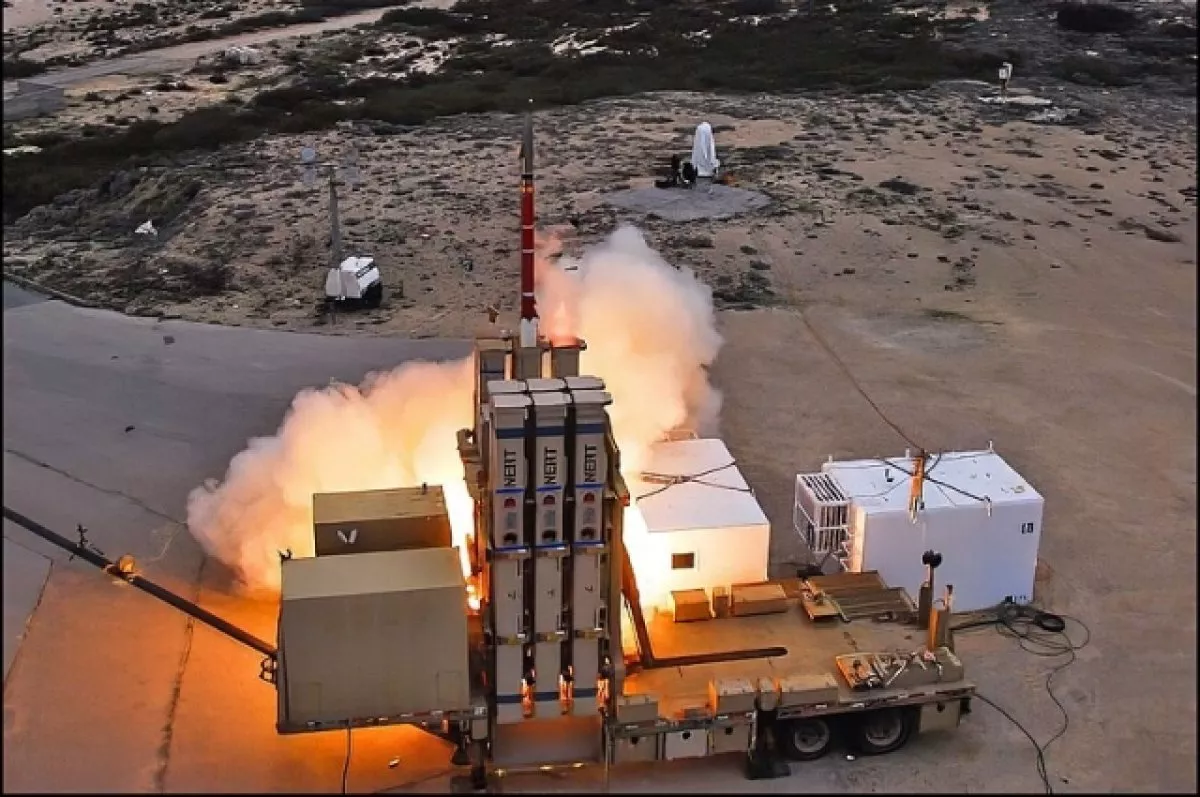
Yes, there are losses, but it is important to understand their nature: in most cases, we are not talking about direct hits, but about debris from intercepted missiles falling to the ground. And there is an important nuance here: the very word “debris” can be misleading. We are not dealing with small fragments, but with parts of ballistic missiles several meters long and weighing up to a ton, falling from an altitude of several kilometres. In essence, this is the uncontrolled fall of a heavy object comparable in mass to a car. This fundamentally changes the understanding of what is happening.
If the air defence system were truly failing, the consequences would be far more severe: paralysis of infrastructure, shutdown of energy systems, and widespread destruction. This is not happening—the vast majority of facilities, including critical infrastructure, continue to operate normally. Which means the system is fulfilling its task.
— Prime Minister Benjamin Netanyahu has stated that Israel is creating a buffer zone in southern Lebanon to ensure security. In your assessment, is this a temporary measure, or does Israel intend to establish a long-term presence there?
— The creation of a buffer zone in southern Lebanon is not a strategic goal, but a tactical tool to ensure security. Israel is trying to push threats away from its borders and reduce the likelihood of sudden attacks from Hezbollah. However, the real issue lies elsewhere: if the Lebanese state is unable to control its territory and restrain Hezbollah’s actions, temporary measures may become permanent. Israel is not interested in holding territory for its own sake, but it is interested in eliminating threats. If the threat remains, the buffer remains as well.
— What specific goals is Netanyahu’s government pursuing in the war with Iran?
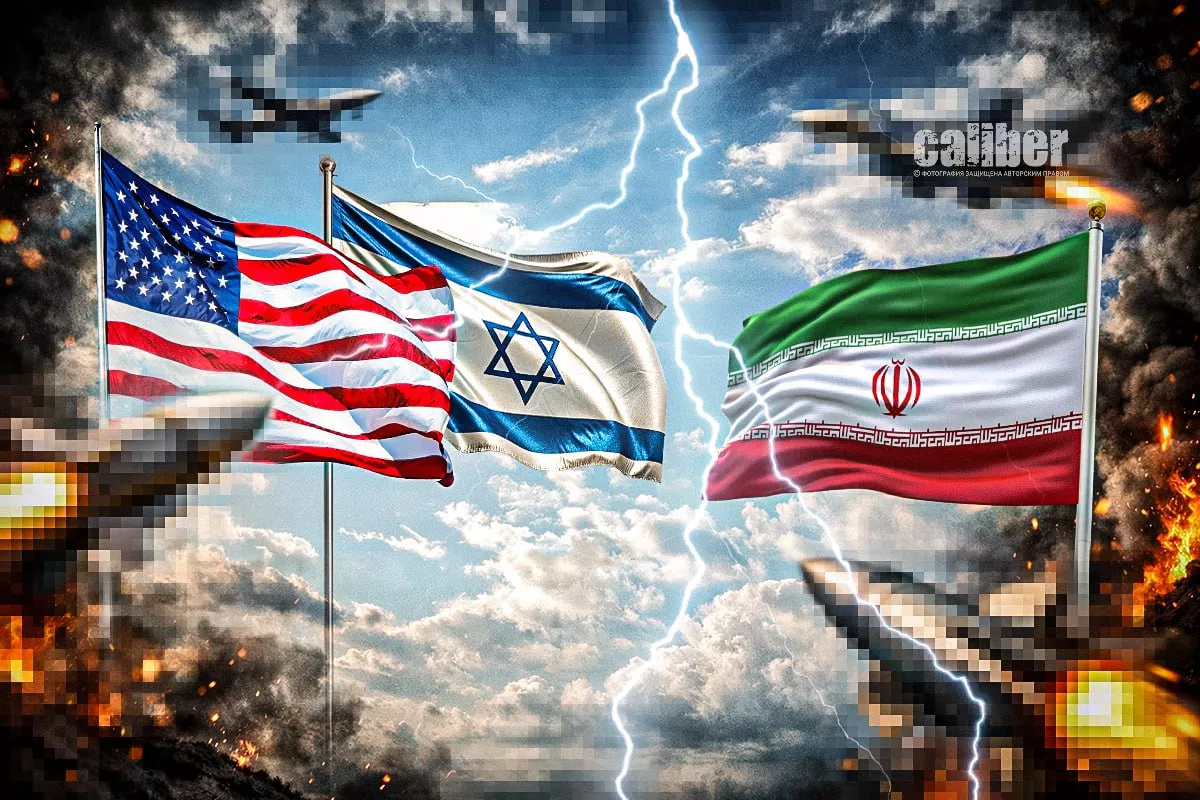
— Israel’s objectives in this conflict are quite clear and have been repeatedly stated. This is not about political ambitions, but about the state’s basic security.
First, preventing Tehran from acquiring nuclear weapons.
Second, destroying or significantly weakening Iran’s missile capabilities, which pose a constant threat to Israel’s security.
Third, stopping support for proxy groups—such as Hamas, Hezbollah, and the Houthis—which act as instruments of continuous pressure on Israel.
In essence, the Israeli state seeks to dismantle the entire system of threats that Iran has built around it.
— So, it cannot be unequivocally stated that the goals of the United States and Israel in the war against Iran fully coincide?
— The goals of the United States and Israel overlap, but they are not identical. Both sides are interested in containing Iran and eliminating its military potential, especially in the nuclear sphere. However, for the United States, the objective is broader. It is not only about security, but also about strategic influence: weakening the Iranian regime, potentially transforming its power structure, and redistributing influence in the Middle East. This is already geopolitics and a struggle for control over a key region. Israel is solving a matter of survival, while the United States is pursuing global dominance. These are different levels of objectives.
— You noted that negotiations are impossible by definition. What exactly is the reason?
— At present, the chances for negotiations are minimal. The reason lies not only in the hardline positions of the parties, but also in the internal power structure in Iran. A key role there is played by the Islamic Revolutionary Guard Corps (IRGC), for which confrontation is a tool for maintaining influence and control. Attempts at compromise within the country would be perceived as weakness and are likely to be suppressed. Today, any Iranian politician who advocates seeking compromise for the sake of the country’s prosperity would be labelled an “enemy” of the revolution and, with high probability, eliminated. This is understood by all.
Therefore, until the balance of power within Iran changes, it is meaningless to speak of real negotiations—let alone real negotiators. Formally, they may be possible, but substantively, they are not.
— And finally, we would like to hear your forecast for the situation in the Middle East in the medium term.
— The medium-term outlook remains extremely bleak: the region is entering a phase of prolonged instability. The conflict has already gone beyond a bilateral framework and is increasingly taking on the character of a multilayered confrontation involving proxy actors. This means an expansion in the geography of strikes, rising tensions, and the gradual involvement of new players. There is no quick way out of this situation in sight.
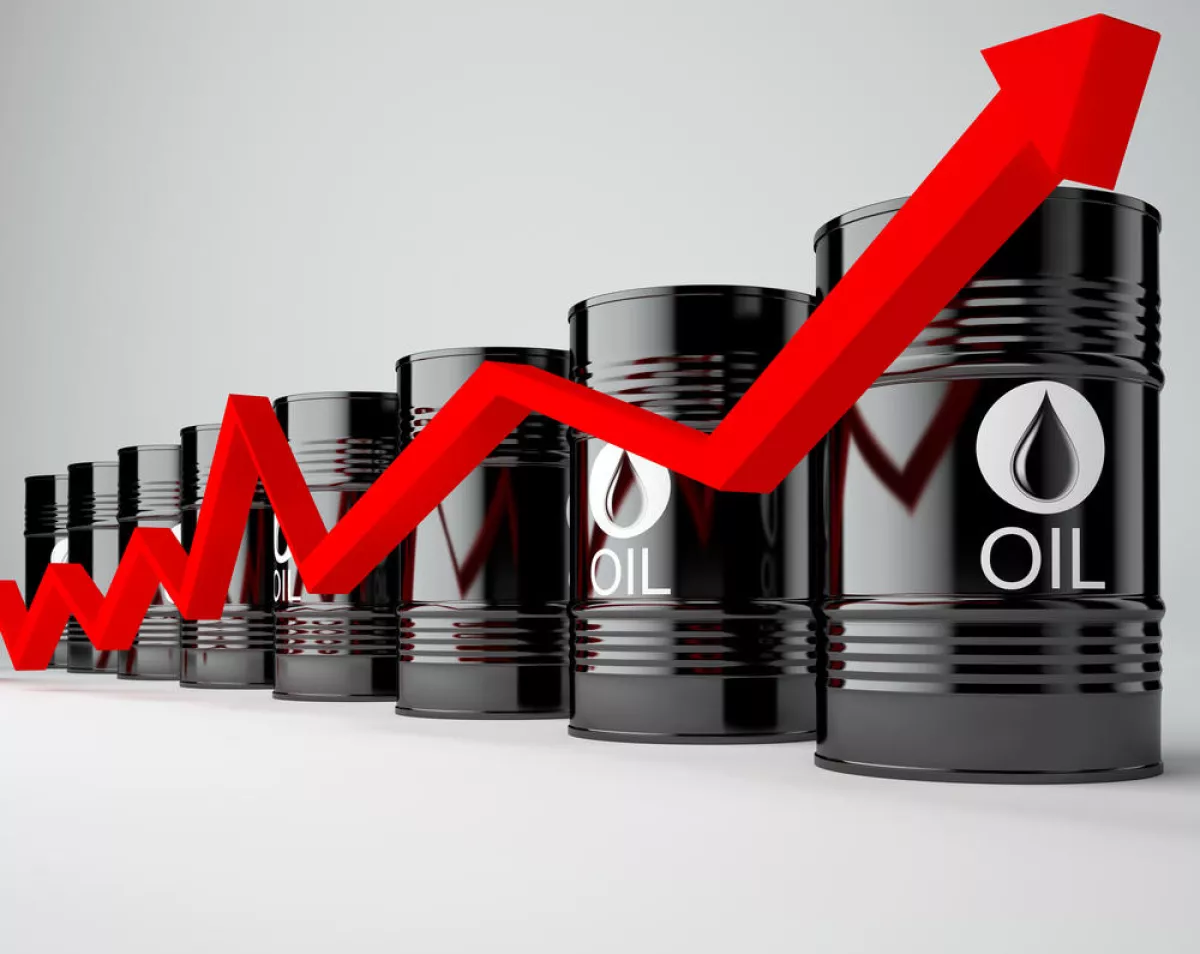
However, a key factor that is often underestimated is the economy. A military conflict inevitably affects energy markets, and energy, in turn, impacts the global economy. This is where a second wave of turbulence begins. The paradox is that actual supplies of oil and gas do not change as quickly as prices rise. Contracts are signed in advance, deliveries occur with a lag of several months, and states have strategic reserves. Nevertheless, prices are rising already today, which means the market is reacting not to an actual shortage, but to expectations and fears. Even countries that are not critically dependent on Middle Eastern oil are facing rising prices.
The United States is largely self-sufficient in resources, yet fuel prices there are still rising. Europe receives a relatively limited share of supplies from the region, but price spikes are felt most acutely there. This points to a key factor: financial and energy speculators are actively entering the game. They operate not on the basis of real shortages, but on expectations of a crisis, amplifying volatility.
As a result, we are seeing a double blow: war intensifies economic instability, and economic instability, in turn, drives political decisions and escalation. This creates a vicious cycle in which conflict and the market begin to accelerate one another. In such a system, not only do states profit, but also those who capitalise on fluctuations—financial institutions, traders, and energy companies. Therefore, the current crisis is not only about war, but also about the struggle for control over markets and resource flows.







 editor@caliber.az
 +994 55 444-88-98
 Азербайджан, Баку, ул. Низами, 203, Af Business House, 5-й этаж