










The “French party” around the Strait of Hormuz Macron’s strategy and its consequences
Paris hosted leaders from several European countries on April 17 in an effort to address the growing deadlock surrounding the situation in the Strait of Hormuz.
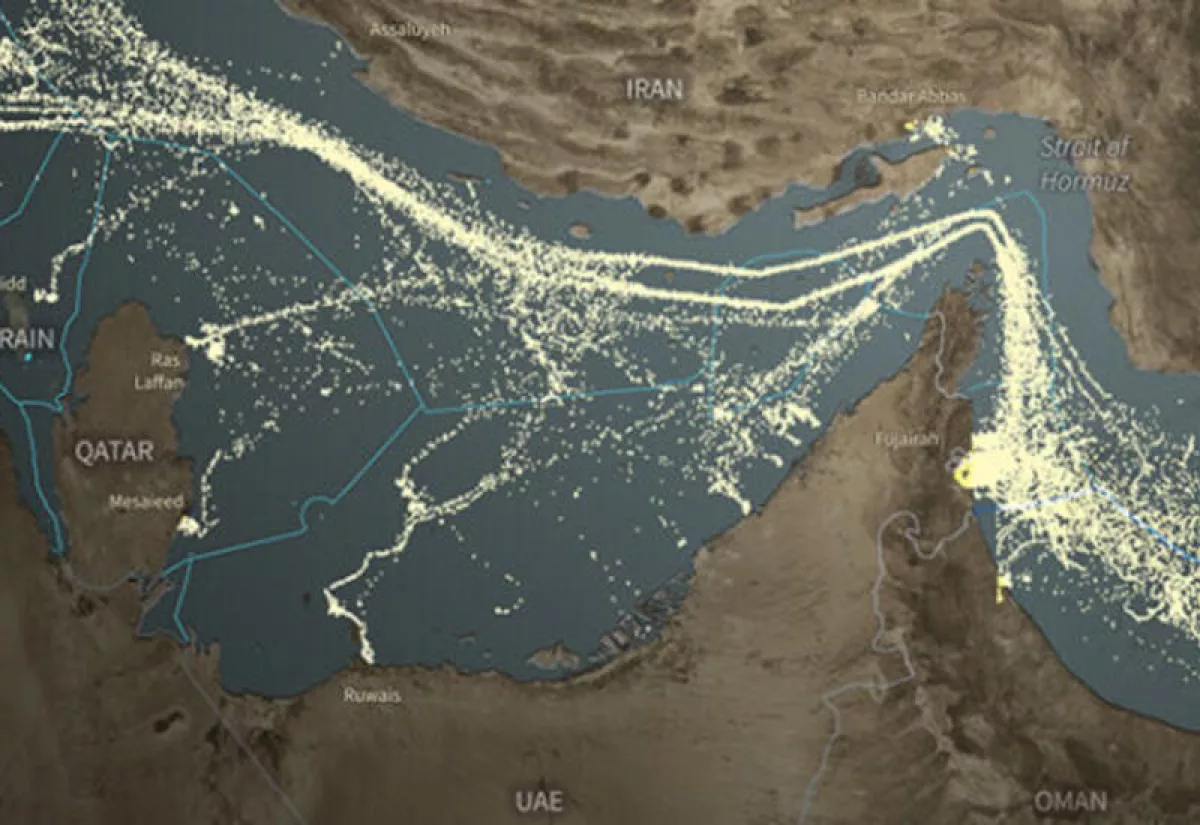
The meeting took place against the backdrop of an unfolding energy crisis affecting many countries worldwide, driven by disruptions to one of the most critical global routes for oil and gas shipments — the Strait of Hormuz. In response, France and the United Kingdom took the initiative to convene the talks.
However, even before the summit began, it attracted mixed reactions. France, acting as one of the organisers, reportedly made adjustments to the guest list. According to the Financial Times, citing three officials, Paris rejected proposals from the United Kingdom to invite European Commission President Ursula von der Leyen and NATO Secretary-General Mark Rutte, removing their names from the participant list on two occasions.
“[...] France has rejected a British proposal that Mark Rutte, Nato secretary-general, and Ursula von der Leyen, European Commission president, should attend the meeting in Paris, according to three officials briefed on the summit,” the newspaper reported.
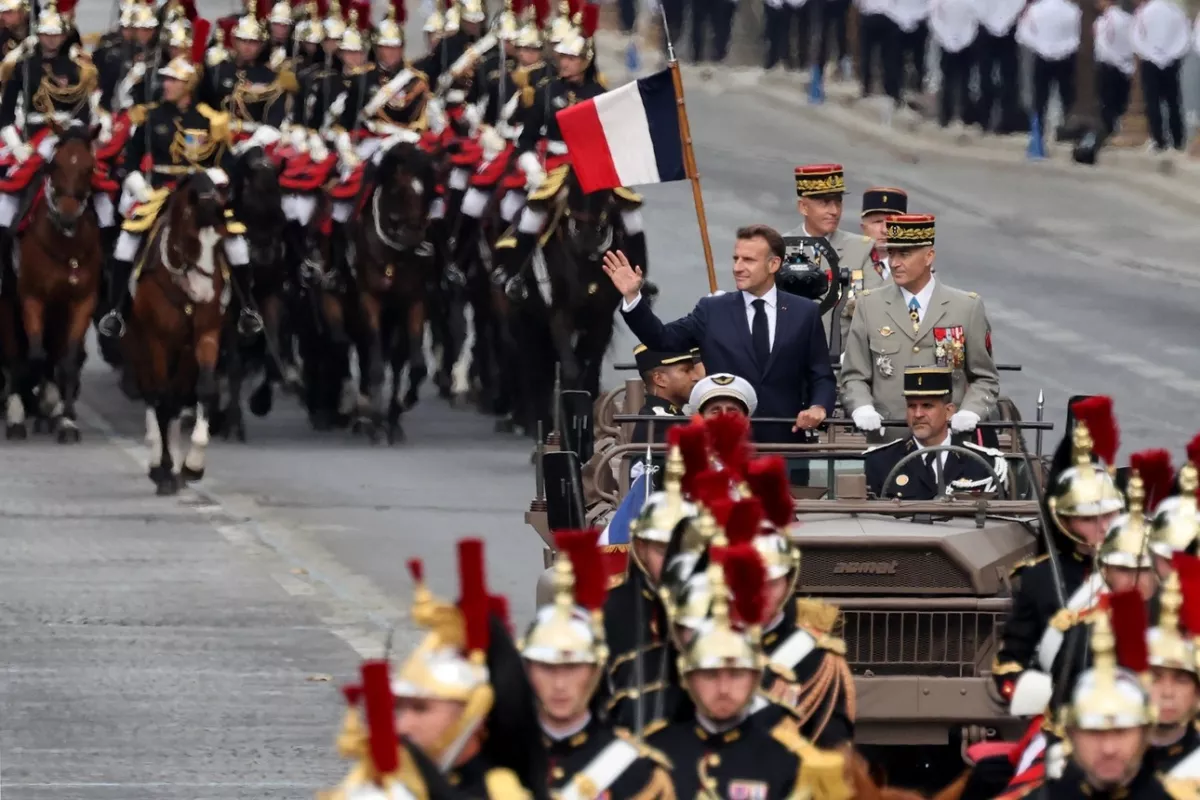
Such a selective approach to the composition of invited participants is clearly an unprecedented case, which has undoubtedly further exposed the underlying complexities of European politics. And if one were to ask: “What strategic and other objectives lie behind this rather bold decision by Macron’s government?”, the first thought that comes to mind is that the French president, through this somewhat improper method—by placing two “heavyweights”, the heads of the North Atlantic Alliance and the European Commission (EC), outside the framework of the discussion—demonstrated that such a format of negotiations could take place without NATO and without a key EU institutional structure. That is the first point.
Secondly, from a geostrategic perspective, such a line of conduct represents a kind of attempt to reduce Europe’s dependence on the United States in security matters within the NATO framework. Paris appears to be hoping to strengthen its role in this way as a separate centre of power, and in this particular case—as the main mediator on the Strait of Hormuz issue.
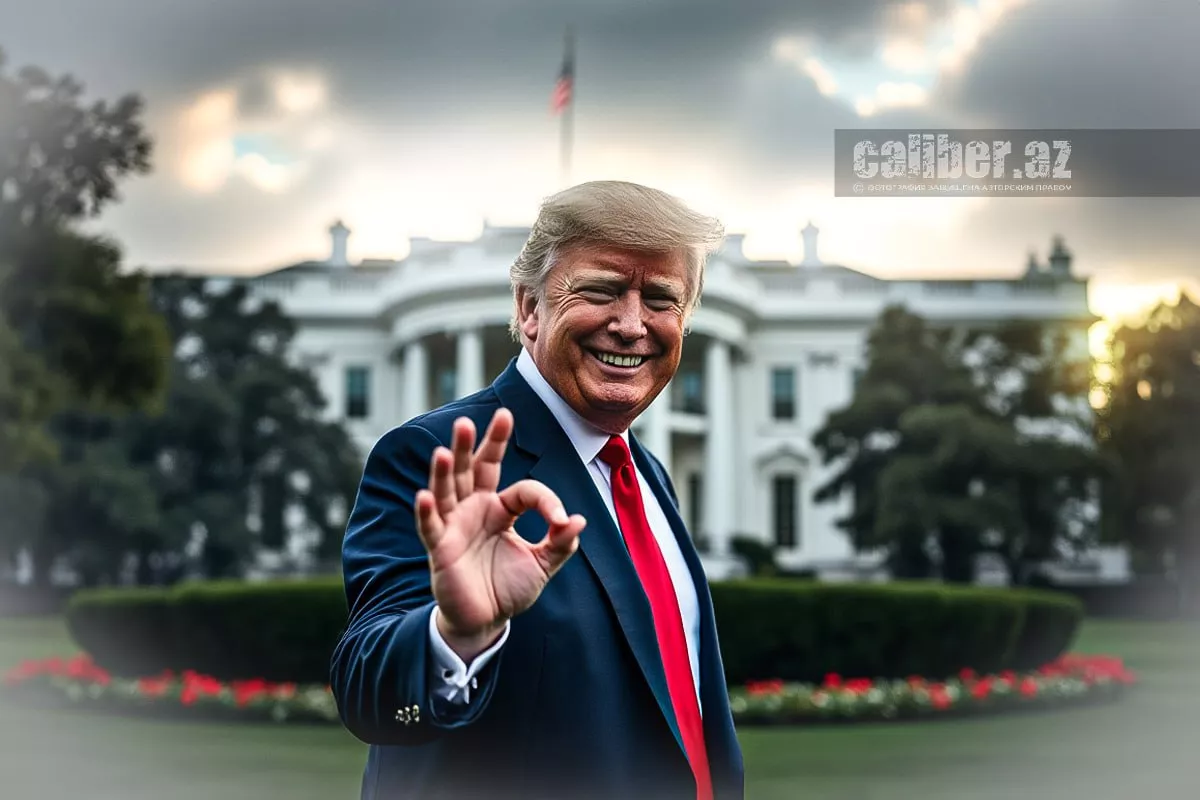
It appears that the French authorities are strongly unwilling for the Strait of Hormuz to be placed under exclusive U.S. control. Emmanuel Macron has already stated that France will not join American plans to control the strait, will act independently, and will not participate in attempts to open this maritime artery through the use of force. In other words, the Élysée Palace is placing its bet on diplomacy, which effectively grants Paris a free hand to position itself as an alternative security guarantor in the Strait of Hormuz.
Such a stance should be viewed in the context of France’s broader position on the Middle East conflict, according to which Paris, in pursuit of its own interests, does not support the full isolation of Tehran. Macron’s consistent advocacy of negotiations on Iran’s nuclear programme and de-escalation in the region is no coincidence—these positions are driven by France’s economic, energy, and military-political interests. In the first two respects, Paris seeks to prevent a further rise in fuel prices, as this reduces citizens’ purchasing power, negatively affects their standard of living, and can lead to protest movements that destabilise the domestic political situation.
As for the third aspect, France participates in naval missions in the region and maintains a joint armed forces base established in 2009, Camp de la Paix (“Camp of Peace”), in Abu Dhabi. It consists, under unified command, of three components: a naval base, the Al Dhafra air base, and a land forces facility. This serves as France’s main military foothold in the Persian Gulf region. The Élysée is by no means willing to lose its military presence in this key strategic area.
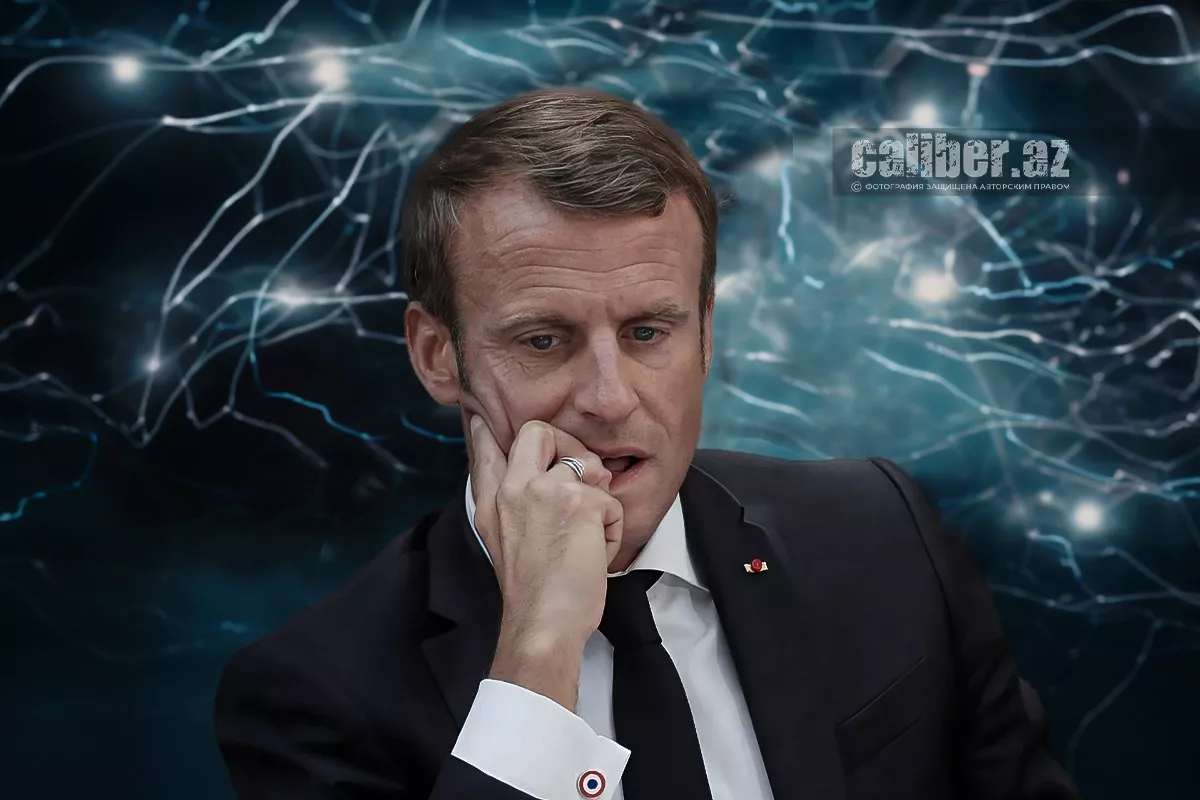
Taking this into account, one may conclude that by excluding two key figures—the EU and NATO—from participation in the Paris summit, France signalled to Iran and the Gulf states that its position on the Middle East crisis in general, and on the Strait of Hormuz in particular, runs counter to the policy of Washington and a number of other Western countries.
As for the outcomes of the summit itself, in brief, they were marked by the decision that France and the United Kingdom would lead a multinational mission to ensure freedom of navigation in the Strait of Hormuz, “as soon as conditions allow.” German Chancellor Friedrich Merz, in turn, stated that Germany is ready to participate in it. However, unfortunately, given the diametrically opposed positions of the parties to the conflict, it is premature to speak of peace in the Middle East, at least in the foreseeable future.







 editor@caliber.az
 +994 55 444-88-98
 Азербайджан, Баку, ул. Низами, 203, Af Business House, 5-й этаж