










EU in plans, Russia in calculations: Yerevan’s dual strategy Expert opinions on Caliber.Az
Armenia is not yet ready to begin the process of joining the European Union, Deputy Foreign Minister Vahan Kostanyan recently stated. He made the remarks during a meeting of the Standing Parliamentary Commission on European Integration, while presenting the 2025 report on the implementation of the government program for 2021–2026.
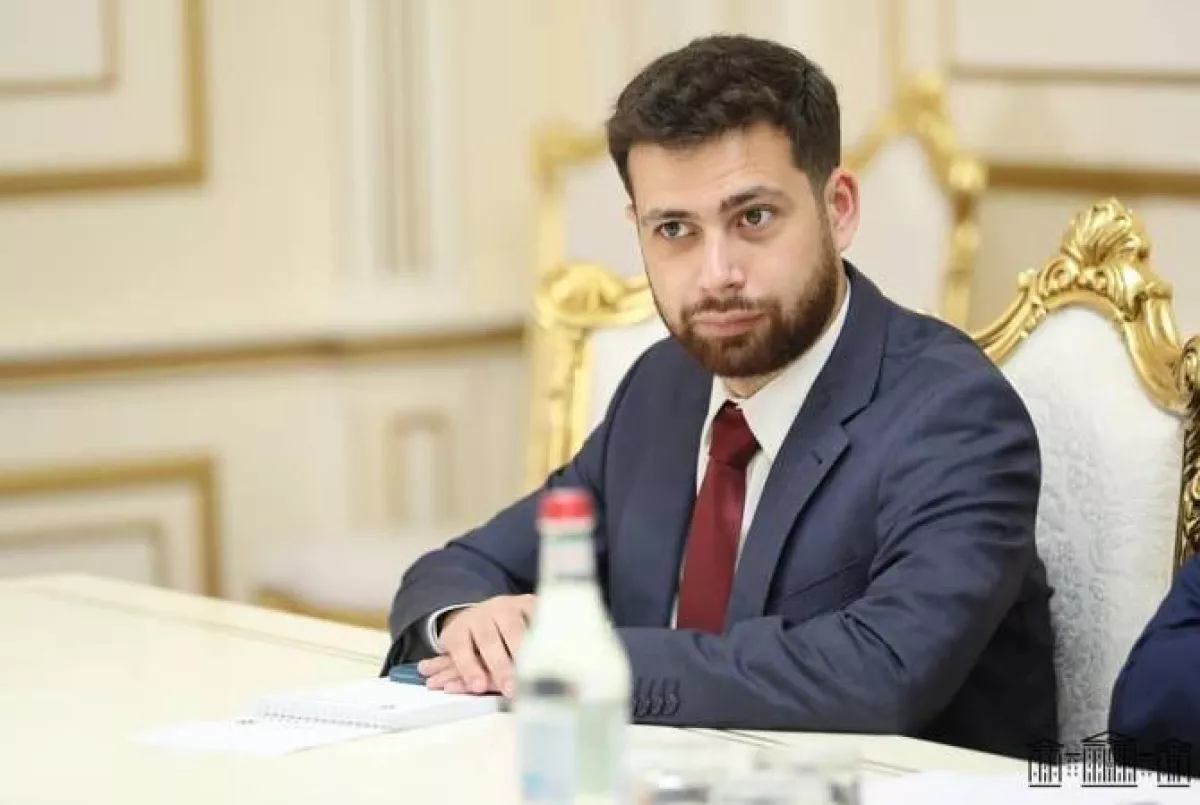
According to him, despite the adoption of the law “On the Start of the EU Accession Process,” at this stage, the focus is on implementing reforms and programs that should bring the country in line with European Union standards.
“At the moment when the country begins to meet European standards, a political decision will be made on this matter. At this stage, no such decision has been made,” Kostanyan noted.
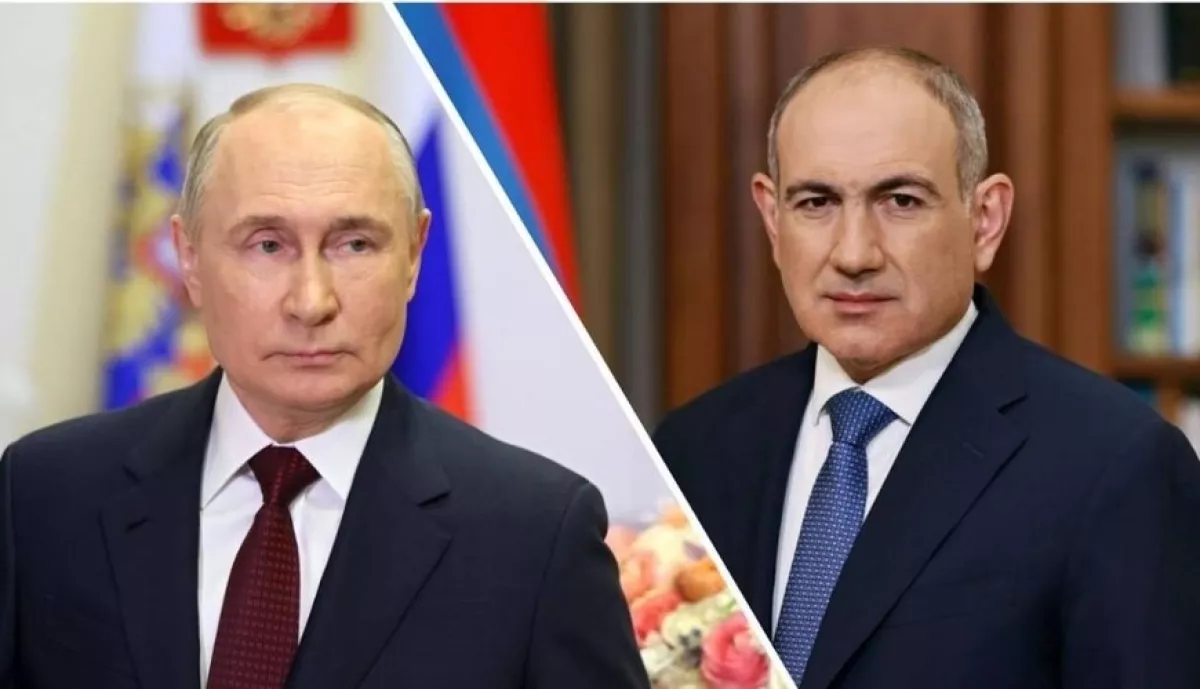
Against this backdrop, as reported by the Kremlin press service, Russian President Vladimir Putin and Armenian Prime Minister Nikol Pashinyan recently discussed the further development of bilateral relations during a telephone conversation.
As a result, it gives the impression that Yerevan is once again returning to a familiar model of foreign policy balancing—attempting to simultaneously engage with Europe while maintaining close ties with Russia.
At the same time, new elements of this strategy are emerging. In particular, Kostanyan stated that Armenia is participating in the process of regulating relations between the EU and Georgia. According to him, Yerevan is interested in normalising the dialogue between Brussels and Tbilisi and bringing it back onto a constructive path. The diplomat emphasised that progress in negotiations between Georgia and the EU could help create a more favourable environment for the development of Armenia–European Union relations.
How is this new phase of Yerevan’s foreign policy and its implications being assessed in Armenia and Russia? Experts shared their opinions with Caliber.Az.
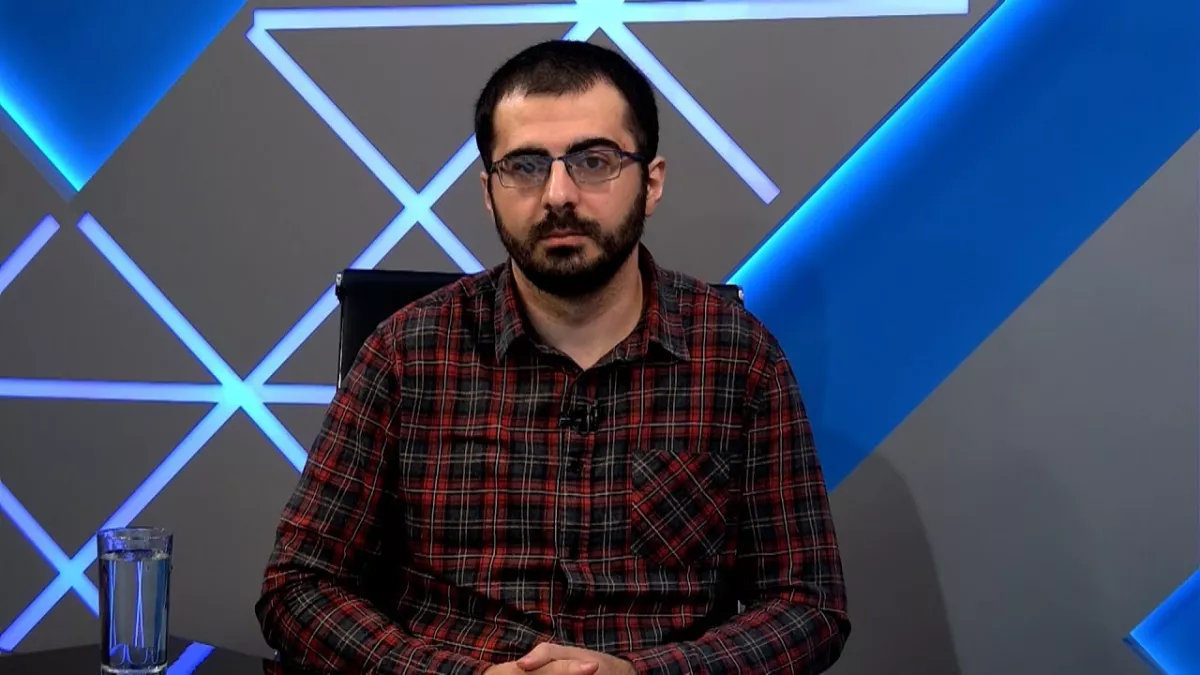
According to Samvel Meliksetyan, a representative of the Armenian delegation of the “Bridge of Peace” initiative and an expert at the Armenian Council research centre, it is first and foremost necessary to clarify certain points.
“Yerevan has indeed repeatedly stated that joining the European Union is a long-term goal. At the same time, it is important for Armenia that these goals align with European standards and are implemented through the necessary reforms. With political will, this would make the process as straightforward as possible and help avoid additional procedures.
We are talking about a deep transformation: adopting EU standards in domestic politics, legal, and judicial systems, as well as regulation in the economy, energy sector, and other key areas,” the expert explained.
According to him, Yerevan’s position is also shaped by the unstable international environment and the uncertainty surrounding the future course of European integration for countries such as Moldova, Ukraine, and—what is particularly important for Armenia—Georgia.
“Without Georgia, Armenia’s membership in the European Union is practically impossible. This is why the Armenian side seeks to help improve relations between the EU and Tbilisi. This has been repeatedly stated by both Nikol Pashinyan and representatives of the Ministry of Foreign Affairs,” the political analyst noted.
The expert also highlighted the factor of managing risks related to Russia.
“In 2013, Armenia was close to signing an association agreement with the EU; however, its position changed within a single day under pressure from Moscow. This was connected to the support Russia provided to Armenia in the context of the frozen Karabakh conflict. As a result, Yerevan made strategic concessions—including on issues of gas infrastructure and railways that came under Russian control—and also accepted the factor of military presence and influence in the telecommunications sector, including the broadcasting of Russian channels,” he recalled.
Speaking about the current stage, Meliksetyan noted: “Today, Armenia is close to completing the process of establishing a visa-free regime with the European Union, and its implementation could take place in the coming years. Yerevan is taking practical steps toward closer integration while trying not to provoke a sharp reaction from Moscow, which perceives such initiatives—whether in energy, infrastructure, or security—very sensitively,” the expert added.
He also touched on the domestic political agenda and the upcoming elections.
“Statements about possible external interference are causing some concern—particularly through the mobilisation of Armenian citizens living in Russia, who are allegedly being urged to vote against Pashinyan’s party. These signals are already appearing in Armenian media and are heightening internal anxieties, pushing the authorities toward a more cautious course of action,” the political analyst noted.
In conclusion, the expert summarised the overall balance of Yerevan’s strategy: “Essentially, Armenia is trying to simultaneously strengthen its position following the 44-day war, create conditions for future European integration, and minimise the risks of pressure from Russia. This is a complex combination of strategic and tactical steps aimed at preserving sovereignty and resilience. A key resource remains the normalisation of Armenian-Azerbaijani relations, which opens additional opportunities for engagement with the EU. In the long term, the countries of the South Caucasus—Armenia, Georgia, and Azerbaijan—must develop cooperation in such a way that external ties do not disrupt the regional balance, but rather help reduce the risks posed by an unstable international environment,” concluded Meliksetyan.

According to Russian political analyst Alexander Ryabtsev, Moscow generally perceives Armenia’s foreign policy fluctuations calmly, understanding that Yerevan is under pressure from the EU’s strategy, which has intensified amid the strengthening of Donald Trump’s policies in the South Caucasus.
“However, Russia does not intend to tolerate the formation of a stable ‘fifth column’ in the South Caucasus that would create constant tension in relations with Moscow. While such signals to Yerevan were previously conveyed in a softer form, they are now becoming more rigid,” the analyst noted.
According to him, Russia is well aware that Armenia’s prospects for EU membership remain distant. At the same time, it is important for Moscow to prevent Yerevan from taking hasty steps or initiating processes that could undermine the long-established political, economic, and military-strategic ties that have been developed over the years.
“The increased coordination with the United States, both from Baku and Yerevan—especially following the signing of the declaration in Washington in August 2025—undoubtedly raises the risks of strengthening Western influence over Armenia. Yerevan is also aware of Moscow’s discontent with this course.
At the same time, Pashinyan’s diplomacy remains focused on seeking consensus with Russia—against the backdrop of U.S. attention shifting from the South Caucasus to the Middle East, and with the duration of the current military-political configuration still uncertain,” Ryabtsev concluded.







 editor@caliber.az
 +994 55 444-88-98
 Азербайджан, Баку, ул. Низами, 203, Af Business House, 5-й этаж