










Ukraine’s plan if the war with Russia lasts “another three years” What experts reveal
Ukrainian President Volodymyr Zelenskyy has tasked the first deputy head of the “Servant of the People” faction in the Verkhovna Rada, Andriy Motovilovets, with developing a parliamentary work plan in case the war with Russia lasts “another three years.” This was reported by Ukrainska Pravda, citing sources in the Rada and interlocutors familiar with the course of Russian-Ukrainian negotiations. According to the publication’s sources, the peace talks have effectively been reduced to a single issue — the withdrawal of Ukrainian troops from the Donbas, which the Kremlin wants to take in full.
But why is there talk of “three years”? Are there any signs that the war in Ukraine could last that long? What are they? And is there a chance that this war could end much sooner?
These questions were addressed by well-known foreign analysts on Caliber.Az.
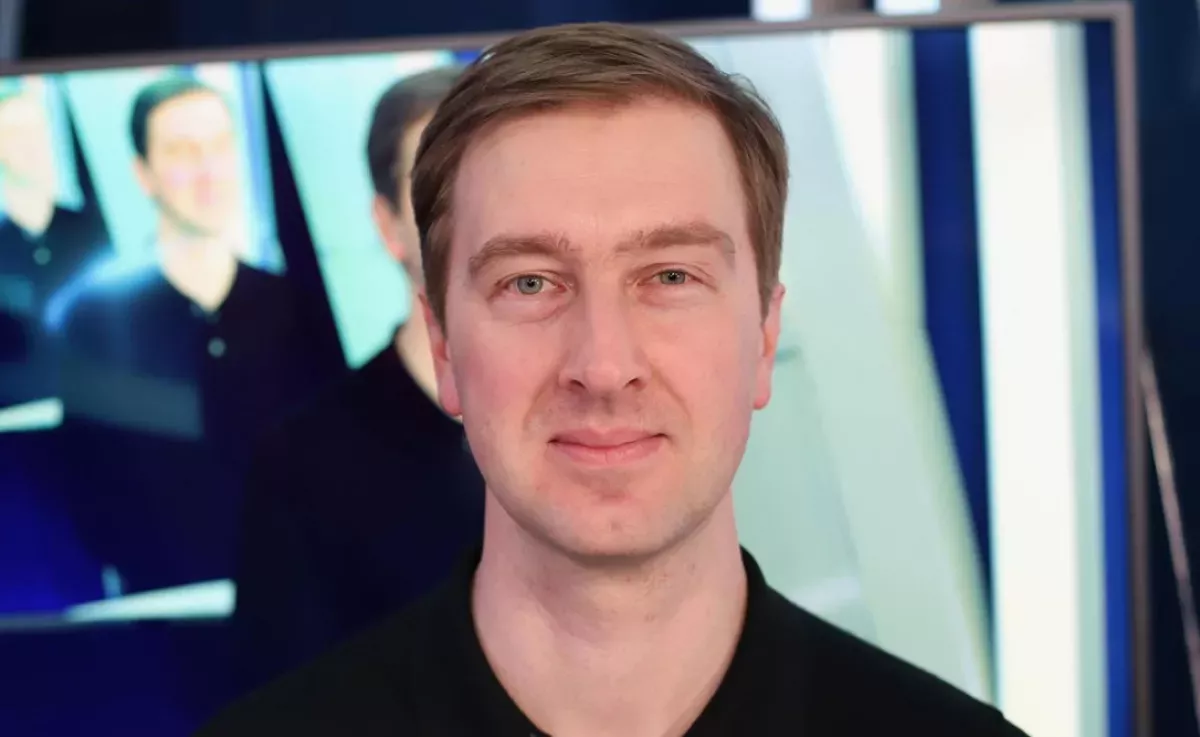
Military analyst and former officer of the Security Service of Ukraine, Ivan Stupak, considers it understandable that Ukrainians expect the war not to last another three years.
"That would be almost comparable to the Iran–Iraq war, which lasted eight years. Although we do not expect it to come to that, there are external factors that we must, unfortunately, take into account.
Why exactly three years? This is a standard planning horizon in any government institution: one year is too short, five years is too far ahead, and three years is an objective period that allows us to consider all nuances and plan the work accordingly.
The Member of Parliament mentioned by the president is a member of the parliamentary committee on finance, tax, and customs policy. Most likely, the president wants to see a financial plan for the country’s survival: from what sources we will sustain ourselves and how we will manage if the war continues for another three years.
This plan should integrate customs, tax, and financial policy, as well as determine which legislative acts need to be passed to ensure the country’s survival. Despite the assistance from Western European countries and the availability of loans—some of which must be repaid and others restructured—essentially, this is a strategy for how to keep going.
Of course, we would like this war to end by May of this year, but external circumstances do not allow us to do so," said Stupak.
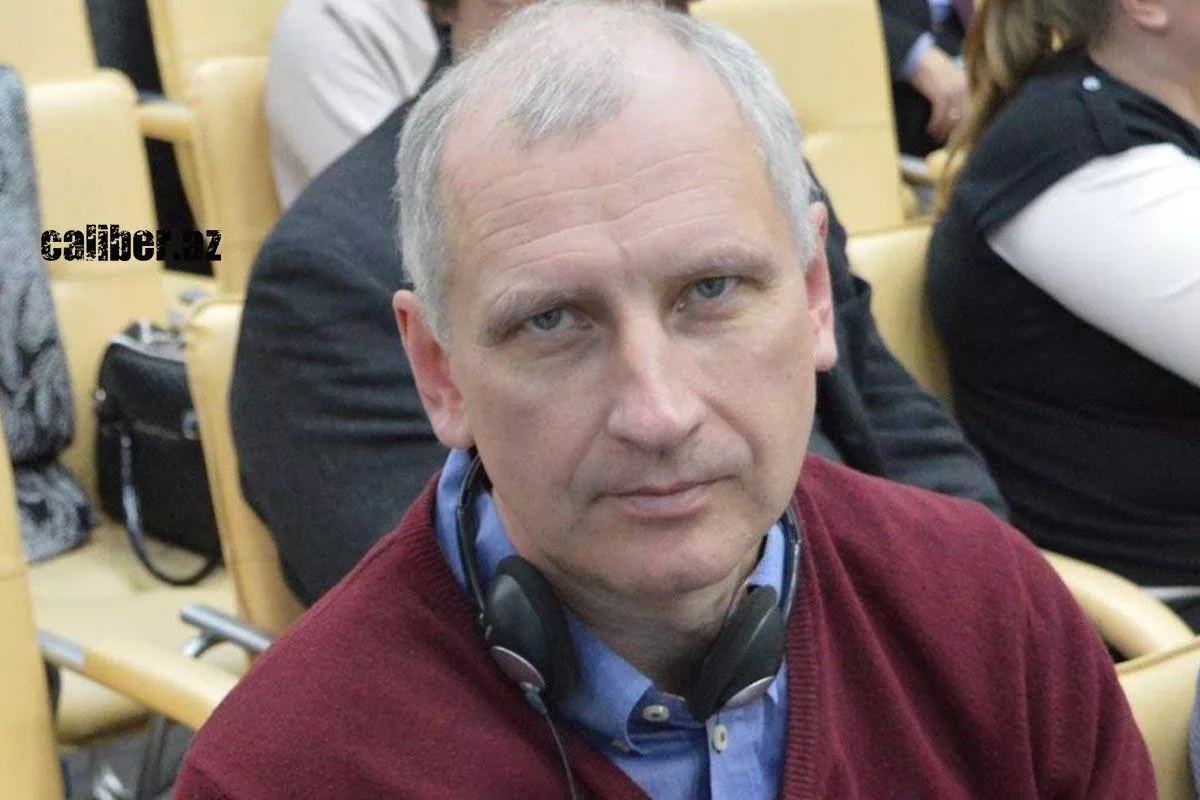
As noted by Ukrainian security and defense expert, retired colonel Oleg Starikov, philosophically speaking, wars have cycles, where events may repeat, although their outcomes might not.
"Any war either ends quickly—in a blitzkrieg strategy—or there are periodically open ‘windows for ceasefire’ between cycles, eventually turning into a war of attrition. In the war we are talking about, the cycles are already outlined. The first cycle was short, up to the Istanbul negotiations. Then came the second cycle, which was longer, when the sides tested each other’s strength. The third cycle marked a shift to defense. The fourth transitioned into positional warfare. Between each of these, there were certain agreements—for example, the Grain Deal or the Peace Summit in Bürgenstock. We are now between the fourth and fifth cycles.
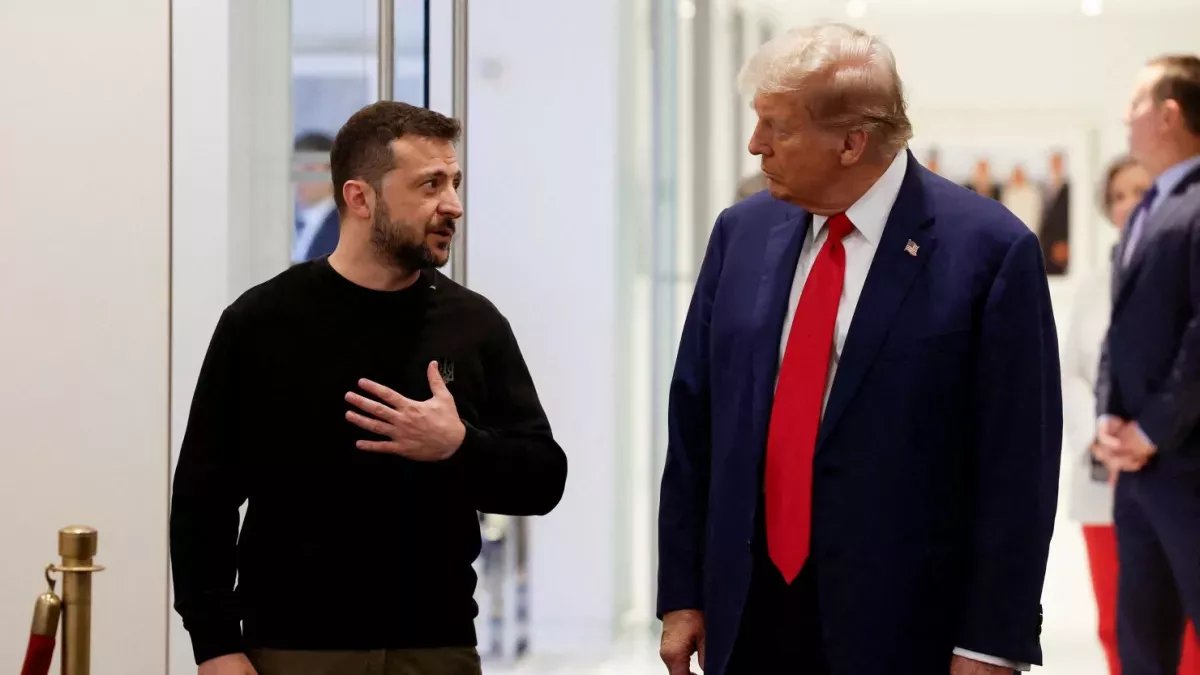
That is why the U.S. president is right when he speaks of high chances for a deal between Putin and our president. But note—he does not say, ‘they will sign now.’ No. Trump is only stating what he wants to convey: ‘Close to an agreement.’ This merely means that the parties have developed some common understanding on a number of issues. It does not necessarily imply the signing of any treaty or the declaration, ‘that’s it, we’re done.’
It is difficult for me to predict in what form the war will end, or whether it will end at all if the main conflict is unresolved. But if for several months, at the highest levels, people are talking specifically about an end and a lasting peace, it means that sooner or later the peace negotiation process will produce results. When?
Here, one must understand the difference in timing for Kyiv, Moscow, and Washington. For Kyiv, the sooner the hostilities cease, the better, naturally. However, Zelenskyy shows no signs of impatience. A paradox, isn’t it? But it is justified, because agreeing now would clearly play into the hands of one political force in the U.S. congressional elections in November 2026, and for Ukraine it is crucial to maintain bipartisan support in the U.S. Therefore, our diplomacy seeks a balance between refusing negotiations and accepting all imposed conditions. I note—imposed not only by Russia.
For Moscow, time is frozen. Putin does not care, or pretends not to care, when the war ends or whether it ends at all. He has tightened the screws internally and will not make a deal until September, until the State Duma elections, even if offered extremely favorable terms. Moreover, the diplomatic Kremlin clings tightly to the ‘Anchorage spirit,’ which was evident even in Putin’s reaction to the U.S. war with Iran.
For Trump, time gallops by, and it is clearly not enough! Politically, he is weakening until he resolves the Iran 2.0 war and the Russia–Ukraine war. After a series of setbacks in the midterm elections, ambiguous primaries for the congressional race—especially in one key state, Texas—and pressure from the Epstein files, he started a war with Iran and is now playing the oil market like a seasoned trader. For him, time literally means money. And power.
He has already been forced to accept the resignation of Secretary of Homeland Security Kristi Noem and struggled to get his own appointee confirmed in the Senate, where Republicans hold the majority. For Trump, it is essential to close the Ukraine case on any terms, declaring his own victory. But! This needs to be done closer to the election date, preferably right before it, so the electorate is impressed and Democrats cannot shatter his triumph with criticism.
But what counts as a triumph in Ukraine for Trump? What would impress Americans enough to lift Trump back to the top of the ratings? Until this question is answered, there will be no agreement," the analyst believes.
He therefore concludes that the answer to the first question is this: yes, the war could end sooner than three years.
"Why is there talk of three years? Again, it’s political arithmetic. If Trump and the Republicans lose the congressional elections (and for them, a loss would be failing to gain a significant majority in the Senate and the House), they will want to take revenge in the 2028 presidential election. And the Ukraine case will be very useful! In that scenario, the war would become even more cyclical, like it currently is in Iran. Therefore, I allow for the possibility of an agreement by November, but with equal probability, the war could last another three years.
In addition, there is another nuance. So much has been written about peace talks: tomorrow, the day after tomorrow—no, yesterday—everything has already been signed and agreed. Take a closer look at the report about the alleged instruction given to Andriy Motovilovets. Yes, he may indeed have received such an instruction. But this is not a sensation about the likely timeline of the war—it is a signal to those who were expecting elections in Ukraine. And this was openly stated by First Vice Speaker Oleksandr Korniyenko.
For the skeptics—this so-called ‘sensation’ about Motovilovets’ assignment seems to confirm it. But in reality, it confirms nothing. This Member of Parliament does indeed deal with plans for legislative work in the Verkhovna Rada, but these are proposals from the ‘Servant of the People’ faction. Proposals from various factions are combined and only become official plans after parliamentary approval. And, as deputies from opposition factions note, even such plans are rarely followed, especially lately—the agendas are formed ‘on the fly.’
And one more thing. This kind of ‘leak’ serves to calm the Members of Parliament—specifically the ‘Servants of the People’—who are overly excited by rumors about elections and the prospect of being left out. Perhaps some of them are genuinely unhappy with their salaries, conditions, or the alternative of being sent to the front. They start talking about threats, beatings, and probably scare others. To curb this, an ‘inside’ story about a three-year war and, accordingly, the extension of their powers is launched," explained Starikov.







 editor@caliber.az
 +994 55 444-88-98
 Азербайджан, Баку, ул. Низами, 203, Af Business House, 5-й этаж