










Europe’s open doors — but on conditions Will the Western Balkans join the EU?
The policy of enlargement, which since the founding of the European Union has consistently been built not on altruism but on pragmatic strategic interests, remains one of the key priorities of the pan-European system, as is also confirmed by the desire of a number of countries to join this organisation.
At the same time, at present, this process covers the countries of the Western Balkans and the trio of post-Soviet republics – Ukraine, Moldova, and Georgia. In this context, the activity demonstrated at the Delphi Economic Forum by Western Balkan states can be described as highly indicative, as they have called on Brussels to accelerate the process of their accession to the European Union.
“We underline the importance of integrating the Western Balkans into the EU as a strategic imperative for European security which aims to enhance resilience, autonomy, and readiness in the region and across Europe. We welcome in that vein the EU’s renewed focus on the enlargement process and on the EU integration of the Western Balkans, as a geostrategic investment in peace, security, stability and prosperity in our region and our continent [...] We call therefore for a renewed commitment to the accession process for the Western Balkans, based on credible reforms,” the declaration reads.
So, before examining the key aspects of the complex process of accession to the European Union, it is appropriate to recall how it all began. The active integration of Central and Eastern European countries into the broader European family started in the 1990s, almost immediately after the fall of communist regimes and the collapse of the Soviet Union. During that period, the first “European Agreements” (association agreements) were signed with a number of Central and Eastern European countries, and in May 2004, Poland, Hungary, the Czech Republic, Slovakia, Latvia, Lithuania, Estonia, Slovenia, along with Cyprus and Malta, became members of the European Union. At the same time, it should be emphasised that today the EU accession process for candidate countries is proceeding at a more measured pace, due to a complex set of challenges both within the EU and in global politics.
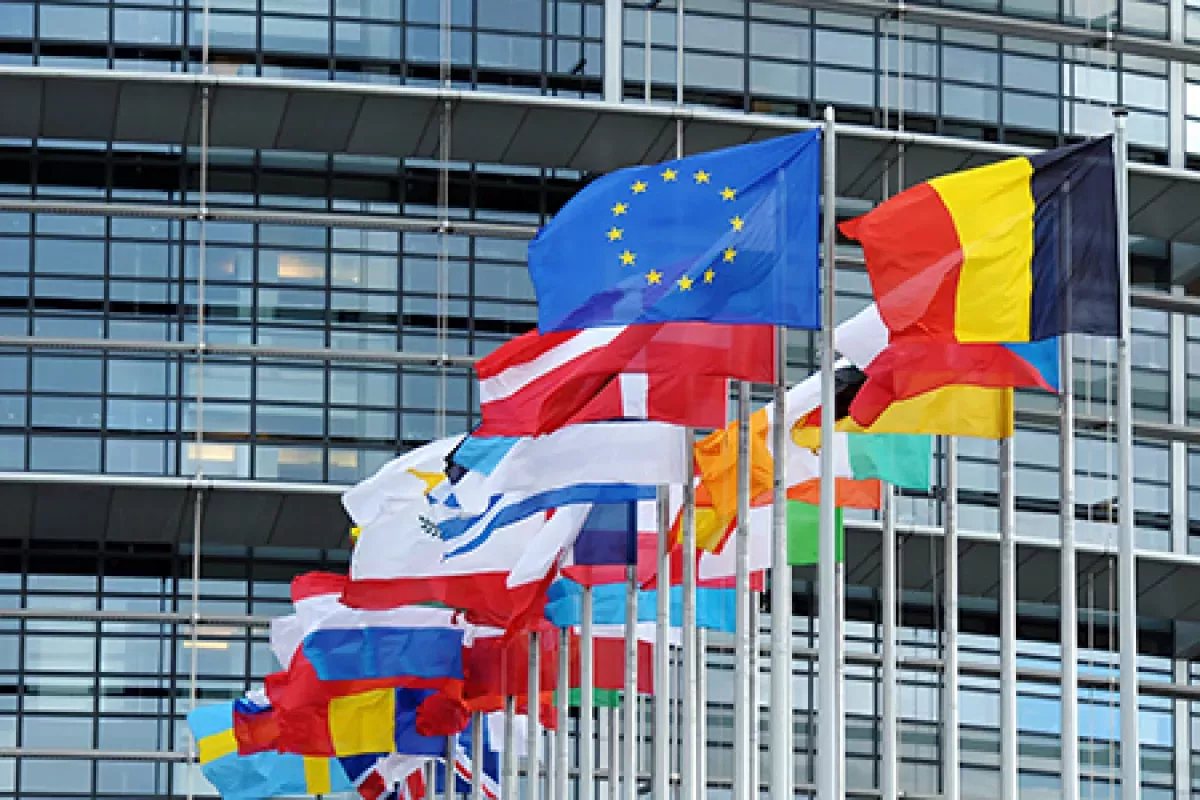
Meanwhile, if the enlargement process is viewed from a geopolitical perspective, it is most likely that it is necessary first and foremost for the European Union itself, for the following reasons. Firstly, European integration significantly reduces risks across the European space, as Brussels possesses a wide range of legal, financial, and political instruments to ensure that member states comply with the legislation and values of the bloc.
For instance, the European Commission has the authority to initiate proceedings against a state that fails to fulfil its obligations under EU treaties. Or, for example, Article 7 of the Treaty on European Union allows for the suspension of voting rights in the Council of the European Union in the event of a serious and persistent breach by a member state of the principles of democracy and human rights. And this is far from an exhaustive list. Taken together, all these control mechanisms compel member states to adhere to the bloc’s common rules.
Secondly, the enlargement policy provides the EU with an opportunity to compete with other centres of power, such as Russia and China. Therefore, the more countries are within the EU’s orbit, the stronger its international standing becomes.
Thirdly, new states mean new markets and opportunities, which benefit both the EU’s leading economies and the newcomers to the structure. This economic dimension also includes the energy factor, as enlargement to some extent facilitates the diversification of energy supply routes. Accordingly, it can be stated with confidence that enlargement is, above all, a factor in strengthening the European Union itself.
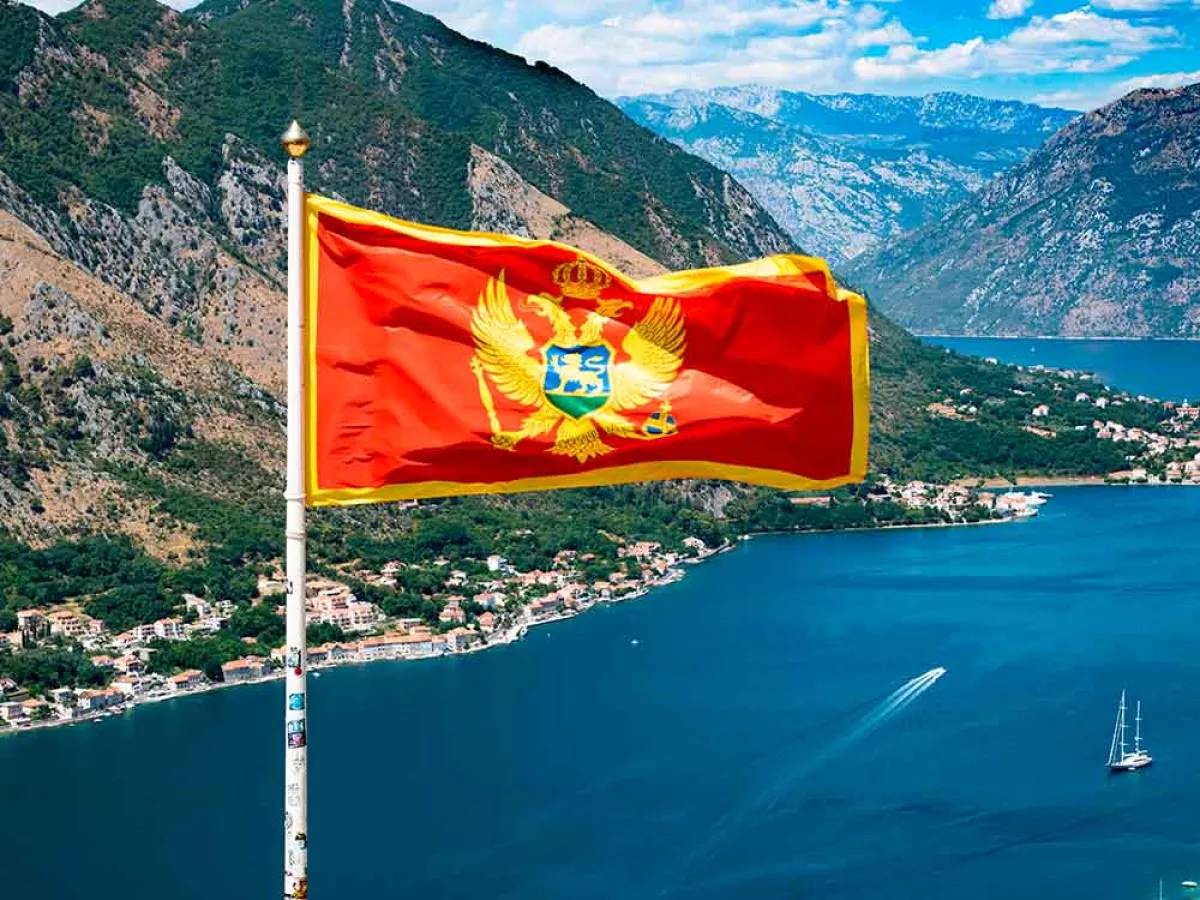
Regarding the membership of Western Balkan countries in the European Union, there is a visible aspiration on the part of Brussels to establish political and economic dominance in this region, which is also within the sphere of interest of Beijing, London, and Moscow. However, an important point should be noted here. Despite the desire of Western Balkan states to join the EU, not all of them have realistic chances of achieving this goal in the near or medium term.
Thus, according to international experts, at this stage, the highest probability of joining the European family belongs to Montenegro, as the most advanced country in the negotiation process. Incidentally, the EU has begun preparing an accession treaty this year precisely with this state, so Podgorica has a real chance of joining the EU by 2030.
Albania may follow Montenegro, with accession negotiations having been launched in 2022. In the same year, talks were also opened with North Macedonia, but due to its disputes with Bulgaria over identity and language, the integration process may be delayed indefinitely.
Notably, the conflict between these two European countries led to Bulgaria blocking North Macedonia’s EU integration. Bulgaria does not recognise the Macedonian language as separate from Bulgarian, considering it a dialect, denies the existence of a distinct Macedonian ethnic identity, and demands recognition of shared historical heritage as well as the protection of the rights of Bulgarians in the North Macedonian Constitution.
Serbia, meanwhile, has even fewer chances of joining the EU in the foreseeable future, with Kosovo remaining the main stumbling block. As for Bosnia and Herzegovina, it only recently received candidate status, which makes any discussion of its near-term EU membership premature.
Thus, taking these factors into account, it can be concluded that the process of European integration will depend largely on the ability of candidate countries to resolve their internal problems. At the same time, the EU will insist on their strict compliance with all rules and directives of the Union. The key question, therefore, is to what extent the Western Balkan states are ready to meet Brussels’ demands.







 editor@caliber.az
 +994 55 444-88-98
 Азербайджан, Баку, ул. Низами, 203, Af Business House, 5-й этаж