










Lukashenko on war, peace and Belarus’s role in the new reality Analysis by Limansky
The President of Belarus, in a major interview with RT, spoke about what will happen to the country after him, how Minsk would respond in the event of an attack, and what he described as the main “achievement” of the current US president for the world.
“None of you are democrats…”
On 17 April, the Belarusian head of state answered the most pressing questions from American journalist Rick Sanchez.
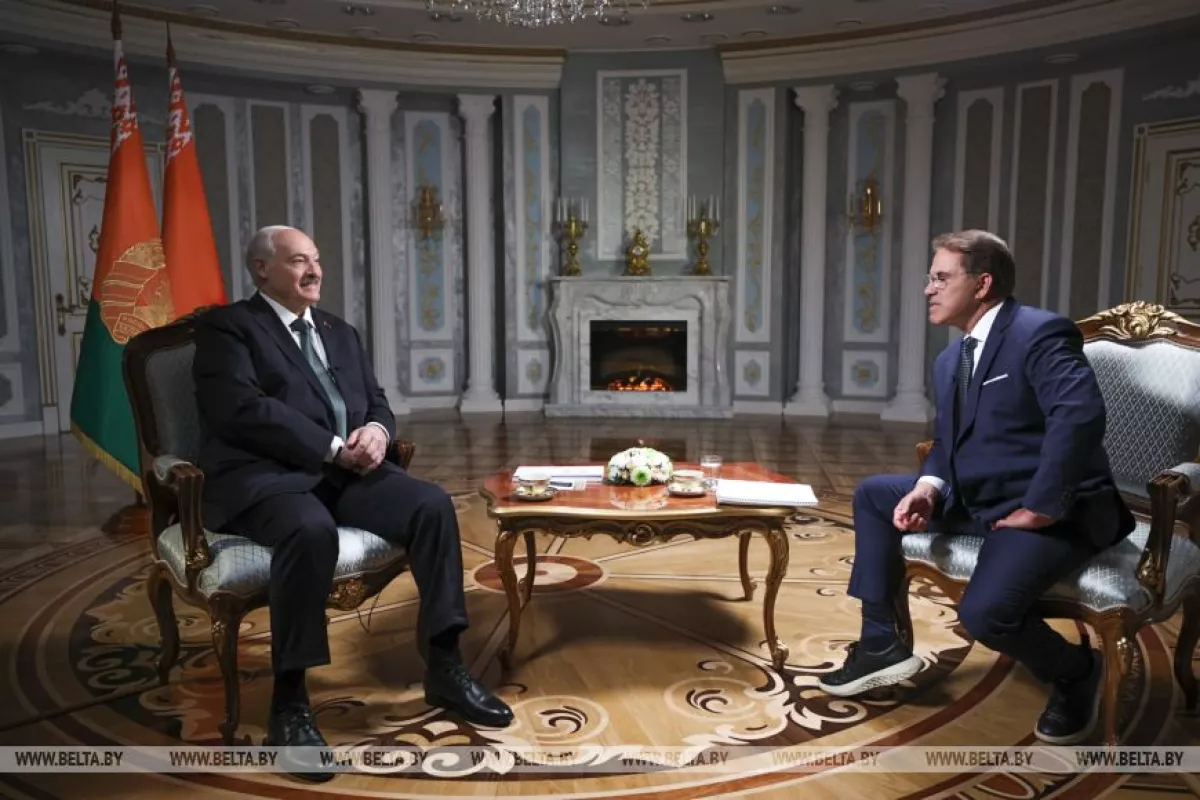
Rick Sanchez is a former presenter on major US television networks and has interviewed four US presidents, Fidel Castro, as well as Mikhail Gorbachev.
One of the most sensitive topics in the interview was the question of what Belarus would do in the event of a large-scale war. However, before that, the correspondent asked why the fight against corruption is so important for Alexander Lukashenko, which he claims to be conducting successfully. In response, the Belarusian president noted that he grew up in a “very poor family.” In Soviet times, he said, the most just society was being built, although there was still plenty of injustice.
Therefore, for him as head of state, the fight against injustice is a top priority.
He also described the “shock therapy” of the 1990s as a blatant violation of justice, as well as the cult of “money and prosperity,” which, in his view, was imposed on Belarus by the West. Today, Lukashenko said, he is considering reforms in the country that would take into account the positive aspects of the Communist Party’s governance experience, although “there was also plenty of nonsense.”
The Belarusian leader pays primary attention to maintaining justice and balance in society: “If you violate the law, if you act unjustly, if you try to fill your pockets at the expense of others — this is not our policy. We respond to this very firmly… Because it will lead to war.” According to him, this refers both to the risk of internal civil conflict and to possible external clashes.
Speaking about the current policies of the European Union leadership, the president said that they are thoughtless and lacking independence. At the same time, Lukashenko stressed that he has always supported the preservation of an independent EU as one of the pillars of a stable world order. However, Western media have for years shaped a negative image of the Belarusian leader, calling him a “dictator.” Responding to the journalist’s question of whether he considers himself one, Alexander Lukashenko said no, as he does not have the ability to dictate terms to Venezuela, Cuba, Iran, or China: “You only talk about some kind of democracy, about human rights — all of that is empty talk. Your policy in Venezuela, threats against Cuba, and the war in the Middle East, as well as other things, show that you are the real dictators. You are no democrats at all.”
“If a person is killed — what rights does he have?”
Lukashenko stressed that the West’s main interests are tied to control over resources — gas, oil — and therefore to material gain.
“These interests are pursued by any means, including military ones. You are ready to bomb, break, destroy, regardless of any human rights — this is the essence of dictatorship,” the president of Belarus stated.
“As for us — I have said this long ago — you will have to learn democracy from us. We have a hundred times more democracy than you do. Real democracy, real human rights… What human rights can you talk about if you kill people? If a person is killed — what rights does he have? He's dead...”
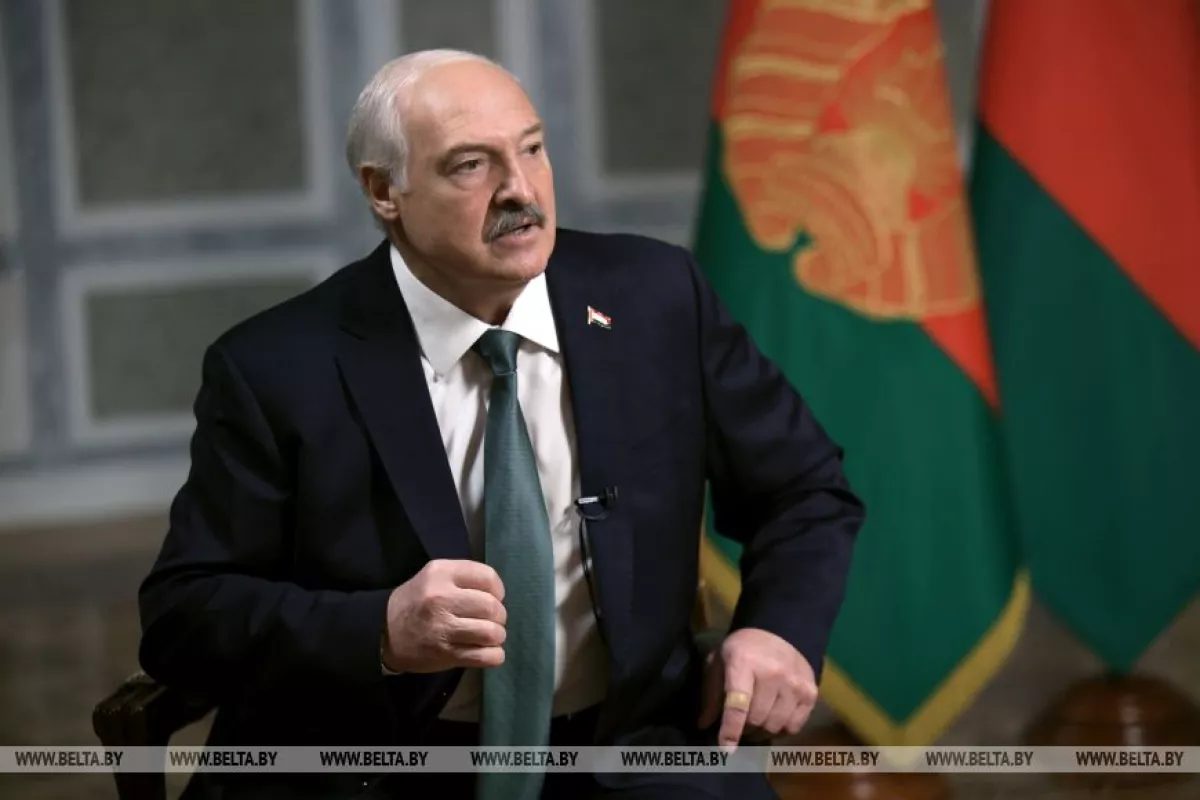
Lukashenko also criticised the Western model of democracy, noting that, in his view, the leaders of the United States and the EU are “temporary figures” who come to power for a short period and act in their own interests without thinking about the future of their countries.
According to him, they work in the interests of sponsors rather than ordinary citizens. Even within the four years allotted to him, he said, Donald Trump cannot implement large-scale tasks.
In contrast, Lukashenko believes that he bears double responsibility: not only for current policy before the Belarusian people, but also, as the first president, for laying the foundations of statehood for future generations.
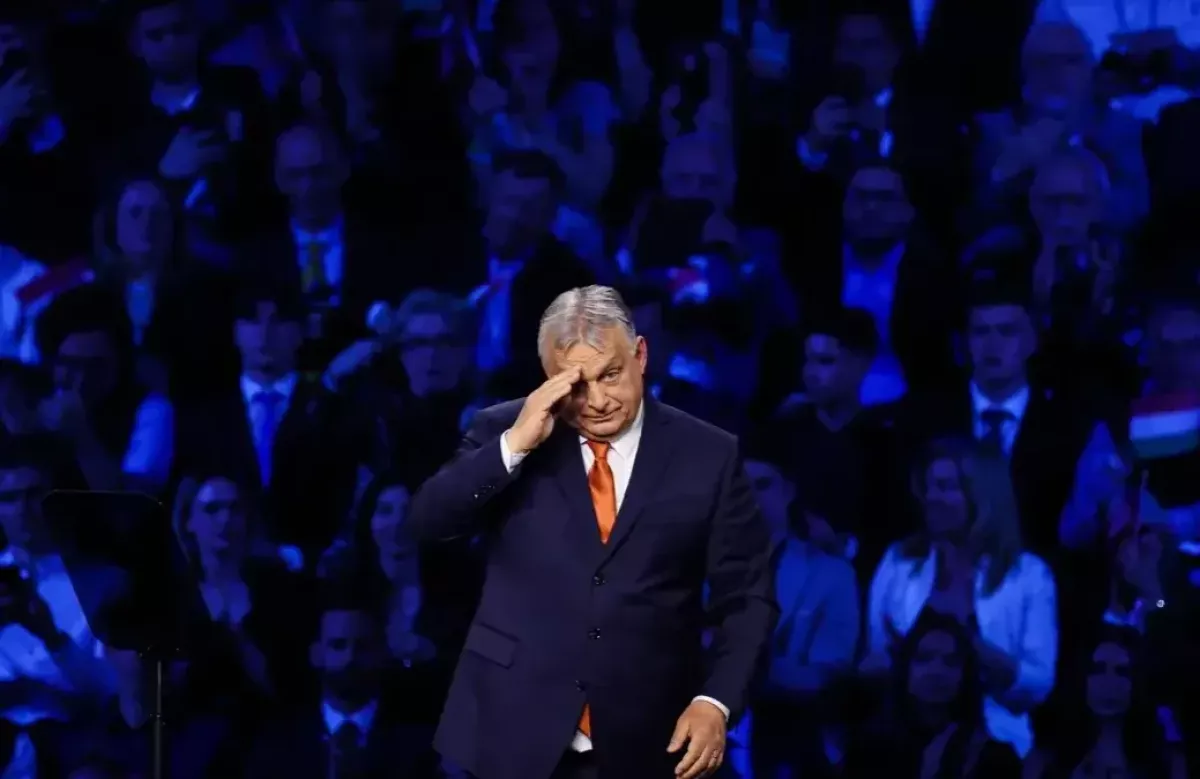
As a current example, he also touched on the elections in Hungary, where Viktor Orbán’s defeat was being discussed. Lukashenko suggested that within the country Orbán’s party may have talked more than it acted, and that it was internal political mistakes — rather than external influence, including EU support for the opposition — that played a decisive role.
At the same time, he again referred to the experience of Belarus, where, according to him, priority is given to protecting the interests of ordinary citizens, which ensures support for the current authorities — despite existing mistakes and shortcomings.
“And the nationalists prevailed…”
The discussion also touched on the situation in Ukraine. Alexander Lukashenko spoke quite calmly about Volodymyr Zelenskyy, despite his recent aggressive remarks toward Belarus. In the view of the Belarusian leader, after becoming president, Zelenskyy, due to his lack of experience, was unable to reverse the policy of nationalist fervour.
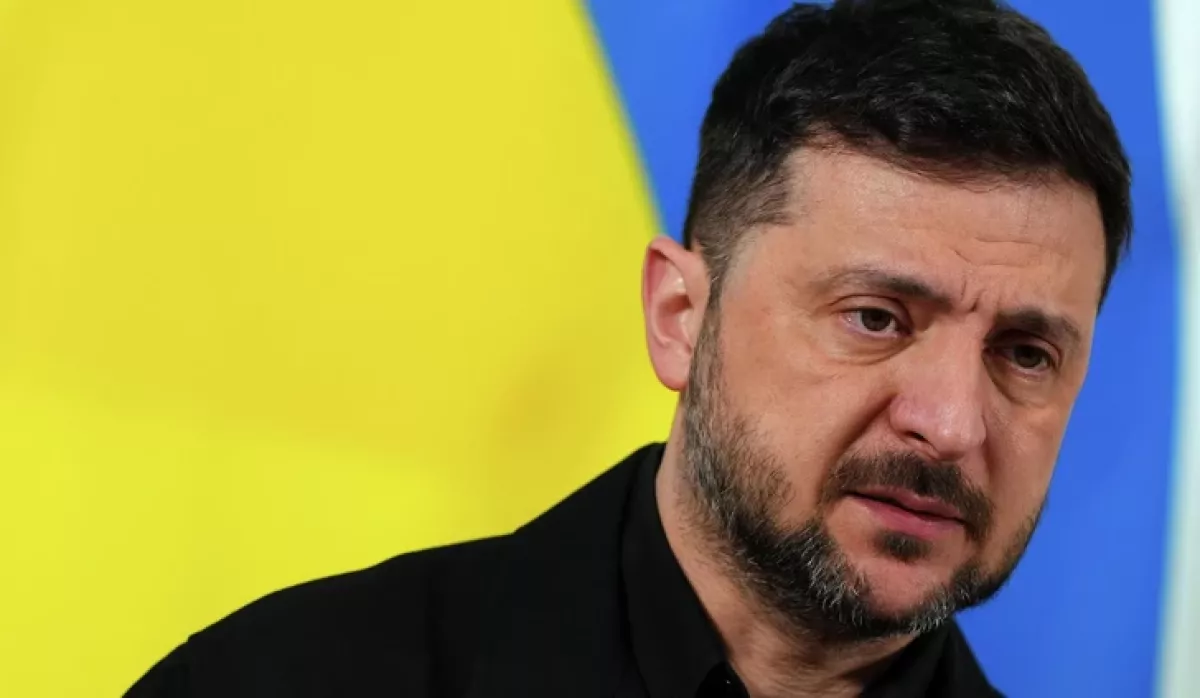
“And the nationalists prevailed, and he was unable to cope with it,” Alexander Lukashenko said. “We had something similar… But God helped me to deal with it. He did not manage. Perhaps there was no character? And no experience either.”
The head of the Belarusian state noted that Zelenskyy is paying too high a price for the war and must understand that if he does not stop, he may lose Ukraine.
Lukashenko pointed out that the West has always tried to provoke Ukraine, Belarus, and other post-Soviet republics against Russia. He also noted that today, even in Russia — albeit quietly — there are reproaches directed at him for his multi-vector policy and attempts to build relations with the United States, Poland, the Baltic states, as well as Ukraine.
To this, the Belarusian leader responded: “Come on, give me a break. These are our neighbours. They are from God Almighty — I often say this. And we, in accordance with the commandments of God, must build relations with our neighbours, no matter what they are like. That is what politicians are for…”
At the same time, Lukashenko admitted that he sometimes refers to the leaders of certain neighbouring states as “crazy” and believes that they act in the interests of the “rich elite” and the West.
Responding to criticism from Russia over his talks with Americans, Alexander Lukashenko asked his opponents a counter-question: “And what, you do not engage in dialogue with the Americans? You do. But I conduct dialogue with the Americans not against Russia, not against China…”
Regarding the multi-vector policy, he said it is driven by economic considerations: “You see, we produce more than half of material goods and services and sell them on external markets… Therefore, we are forced to see our interests both in the West, and in Russia, and in China, and in Africa.”
At the same time, the Belarusian leader has no illusions about the true intentions of the West: “Whatever negotiations the West conducts with me, I fully understand — I am not their ‘son of a bitch’. They would gladly chew me up and spit me out. But even in such a situation, not because I am Lukashenko, but because I am the president of this country, of the Belarusian people, I am obliged and must proceed from the interests of the people, not my own interests.”
Rick Sanchez noted that Lukashenko is not liked in the West because he is not afraid to go against the system, referring to modern globalism. The Belarusian leader agreed: “Well, going against the system is in my character, you have correctly noticed that. Maybe not always a good thing.”
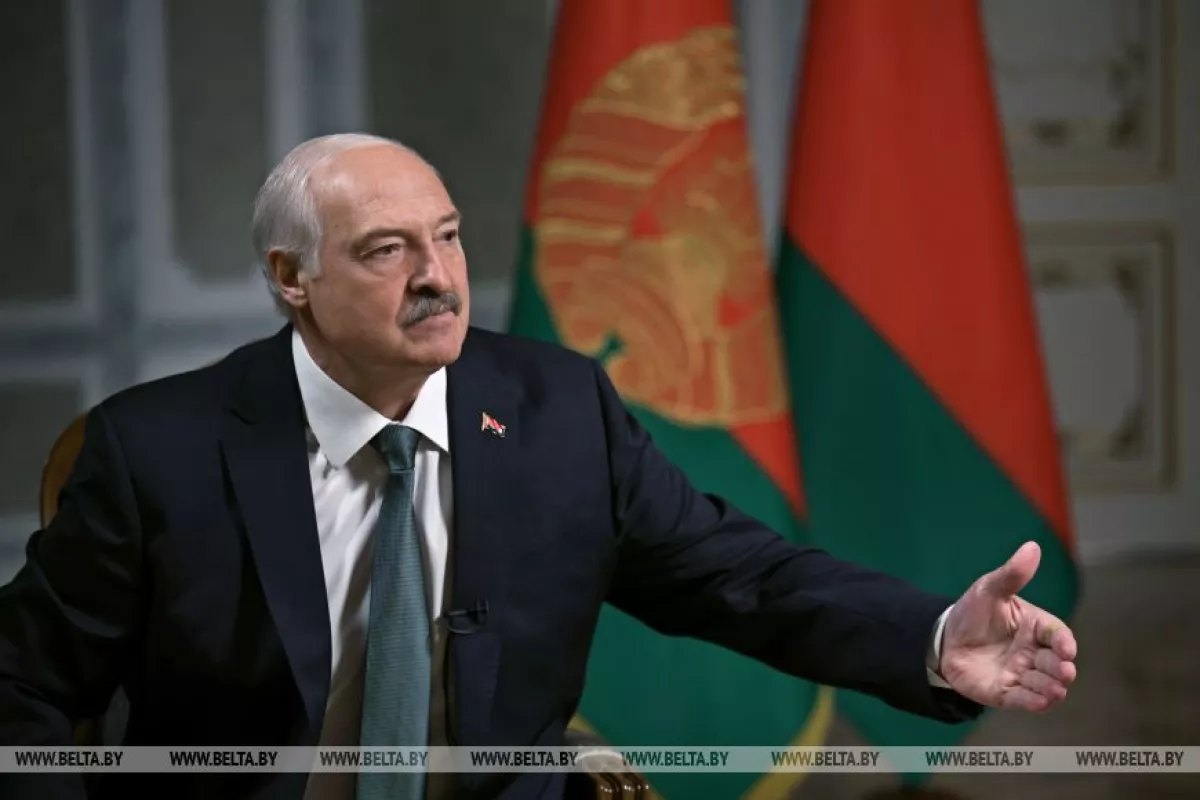
At the same time, Lukashenko stressed that friendship is only possible with those who are ready for it. According to him, it was impossible to have friendship with Keir Starmer or Joe Biden, but it exists with Vladimir Putin, Kim Jong Un, and Xi Jinping.
He also said that in the near future he intends to visit China and meet Xi Jinping in a family format — together with his son Nikolai, who graduated from Peking University.
And if Donald Trump is ready to build friendly relations, Belarus is open to it. “And we want this,” the Belarusian leader concluded.
Will a brighter future come?
Rick Sanchez called Alexander Lukashenko “one of the people who is leading a move for a brave new world in the future” and asked whether a time would come when states would stop opposing each other and begin cooperating in the interests of all humanity.
“God willing, that time will come,” said the Belarusian president. “It is difficult for me, given the current situation, to believe that such a time will come. But despite certain foolish actions and some impulsiveness, Trump has done a lot in this regard. He has shown the whole world that the United States is not omnipotent. He demonstrated this in Iran. In terms of power, the US is a superpower, but not an all-powerful force… And America’s main enemy is China. If the Americans could not deal with Iran, I have long said: do not mess with China. It is such a power…”
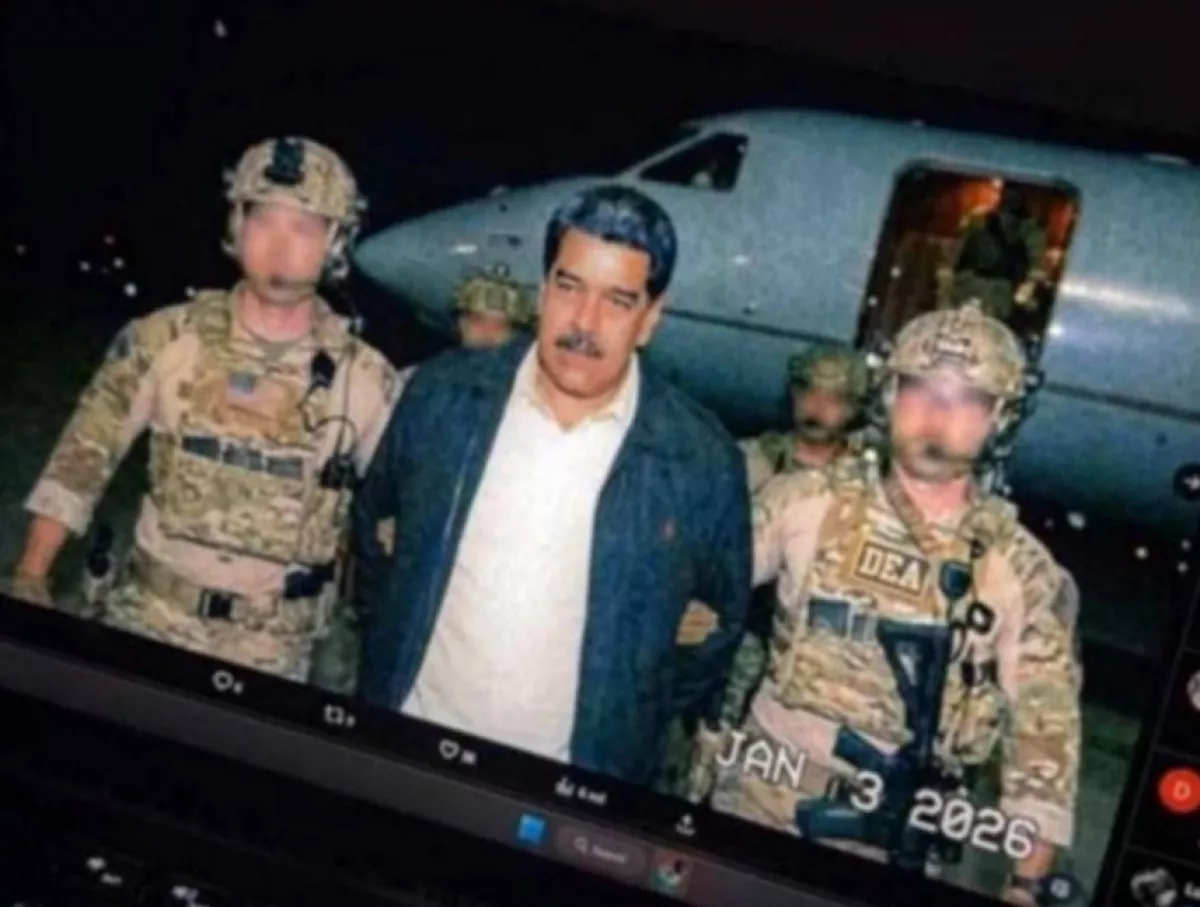
Once again, Lukashenko came out in defence of other countries and their leaders: “You should not kick Mexico, you should not kick Cuba. Why did you seize Maduro?”
He believes that the United States could reach a peaceful agreement with Venezuela and called on them to “step back and let Maduro go.” At the same time, Lukashenko pointed to serious risks of a potential conflict with Cuba, stressing that other states could provide assistance to the “Island of Freedom,” which is located very close to the United States.
According to him, a serious problem is the lack of people in the US president’s circle who are capable of telling him “no.” However, the current situation, where it has become clear that America’s capabilities are not limitless, may lead to the United States beginning to take into account the interests of other countries.
“And that means the bright future is not far away,” Alexander Grigoryevich said with a smile.
He again called on the US leadership to reach agreements with Eastern countries and seek paths to peace, noting that much will depend on Donald Trump, whose intuition, in his view, points precisely toward a peaceful scenario.
Amid the escalation in the Middle East, speaking about military threats to Belarus, Lukashenko noted that the country has no problems with Israel, where a large number of people from the former USSR and Belarus live: “My task is to warn my neighbours — Estonia, Latvia, Lithuania, Poland, and to some extent Ukraine — may God forbid them from committing aggression against Belarus. We do not want war, we are not going to fight them. No wars from the territory of Belarus against Poland and Lithuania are possible. We are not going to do this, unless we are drawn into this war and unless we are forced to respond.
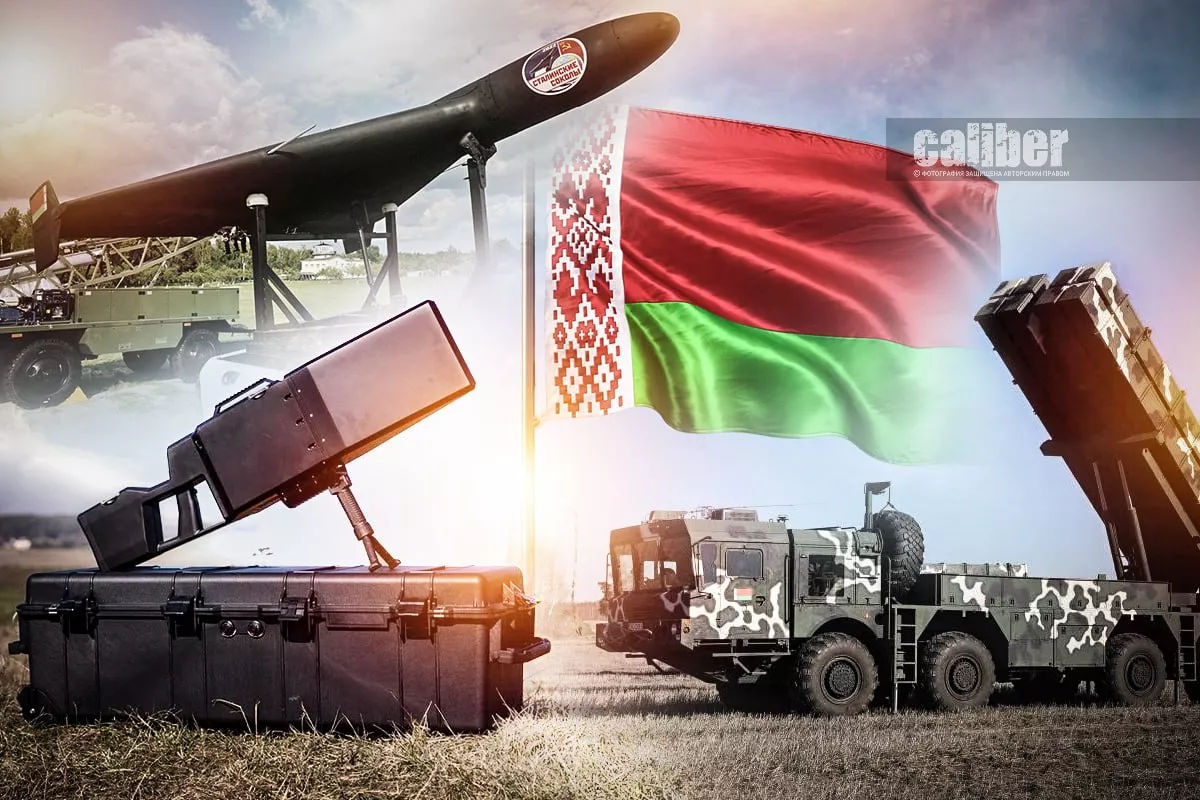
But if you want this, we will defend ourselves by all possible means. This does not mean that we will immediately use nuclear weapons against those countries from whose territory aggression is carried out. We have enough other means. But if it threatens the existence of Belarus, then not only we, but also — according to our agreement with the Russian Federation… It will not be pleasant. We will use everything we have. What do you think, why did I bring tactical nuclear weapons here? To stir up the world and scare someone? No. This is a factor of our protection and security.”
Answering the question of whether the EU today wants war with Russia and Belarus, Lukashenko said that at present — no, since for Europe this could end very badly, especially amid deteriorating relations with the United States, when “there is nowhere for them to run.”
At the same time, he stressed that the global situation remains extremely unpredictable, and it is difficult to say what will happen tomorrow.
Speaking about forecasts of a possible collapse of NATO amid disagreements between Europe and the United States, the Belarusian leader noted that there is no talk of the alliance being dismantled: “NATO is a colossal foothold of the United States of America together with its allies on the Eurasian continent.”
“The US path to Russia goes through Belarus…”
Speaking about the possibility of a meeting with Donald Trump in the United States, Alexander Lukashenko noted that such talks must be carefully prepared, and both sides must come to concrete agreements.
“The Americans must understand — and many in Europe have already understood this — that sanctions have not played their role,” the President of Belarus stressed.
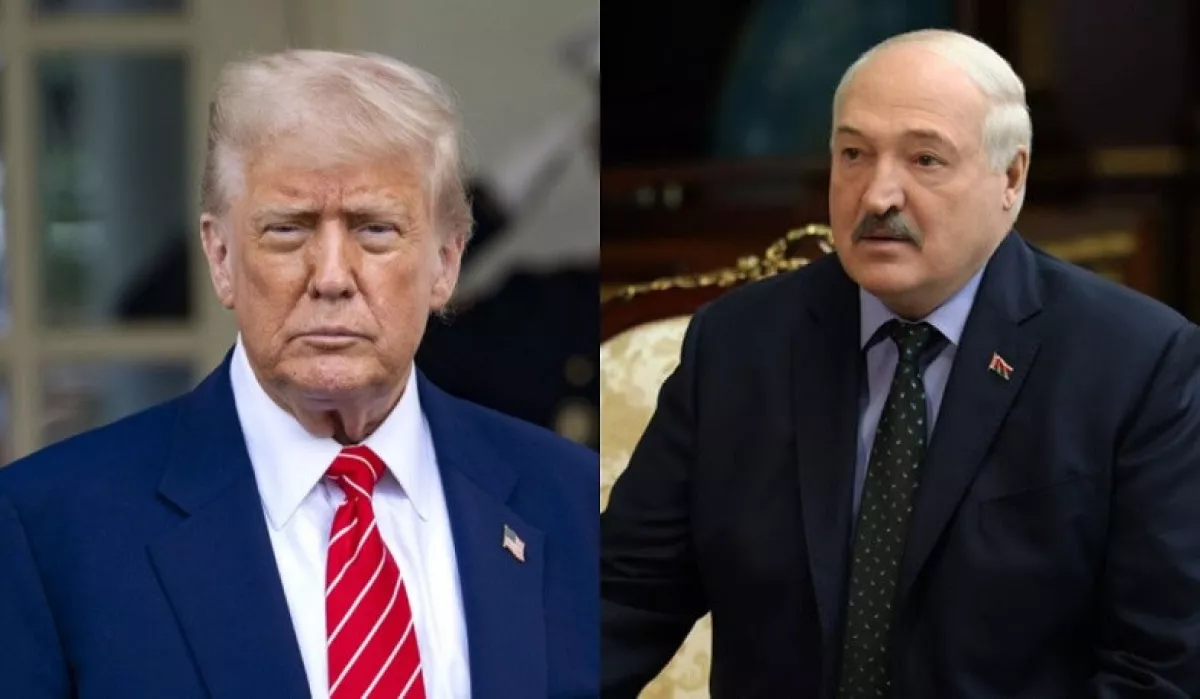
At the same time, he declared his readiness to meet with Trump and conclude a “great deal,” provided that the interests of both Belarus and the United States are taken into equal account. According to him, economic sanctions and the issue of so-called “political prisoners” are secondary, while there are far more important issues.
Answering Rick Sanchez’s question about whether the ultimate goal of negotiations between the Trump administration and Belarus is to achieve normalisation of relations with Russia, Lukashenko said he would only welcome such an outcome. In his view, agreements are quite achievable, and Belarus could serve as a convenient and logical platform for such dialogue.
Moreover, he stressed that normalisation of relations between the United States and Russia would bring far more benefit to Belarus than merely a warming of ties between Minsk and Washington. It can be added that such a development would also have a similarly positive effect for the entire region.
When the journalist had already asked his final question, the Belarusian leader unexpectedly interrupted him: “Listen, Rick, so I don’t forget. You said something very wise: the path of the United States to Russia goes through Belarus. Enemies have always used this route, but Donald could come as a peacemaker to Russia through Belarus… Shall we include this in the great deal, do you mind?”
“What will happen to Belarus after Lukashenko?” — that was Sanchez’s final question.
The Belarusian leader replied: “I think about ensuring that it is preserved — that it remains a land of opportunity for any person. That a person can realise themselves here. In that regard, we have succeeded, we have achieved this. And here a person lives in peace, raises children, receives education — on equal terms…”
When asked who could become the next president, Lukashenko noted that this would be decided by the people: “As the Belarusian people decide — so it will be. A normal person will work here; we have many good, capable people.”
In short, Belarus, despite all geopolitical turns and escalations in the turbulent world around it, seeks to maintain its status as an island of stability, calm, and peace.







 editor@caliber.az
 +994 55 444-88-98
 Азербайджан, Баку, ул. Низами, 203, Af Business House, 5-й этаж