










Baku and Madrid relaunch cooperation From oil to investments
Following the first meeting of the Strategic Economic Dialogue between Azerbaijan and Spain held last spring, the two countries have been taking consistent steps to develop trade, attract investment, and implement joint projects across various sectors of the economy. In particular, Baku and Madrid plan to expand cooperation in transport and transit, agriculture, construction, as well as in the field of green energy, among others. A logical continuation of this trend was the recent visit to Spain by an Azerbaijani delegation led by First Deputy Minister of Economy Elnur Aliyev. As part of the visit, the second Strategic Economic Dialogue was held, a roundtable discussion was organised, and a Partnership Roadmap was adopted.
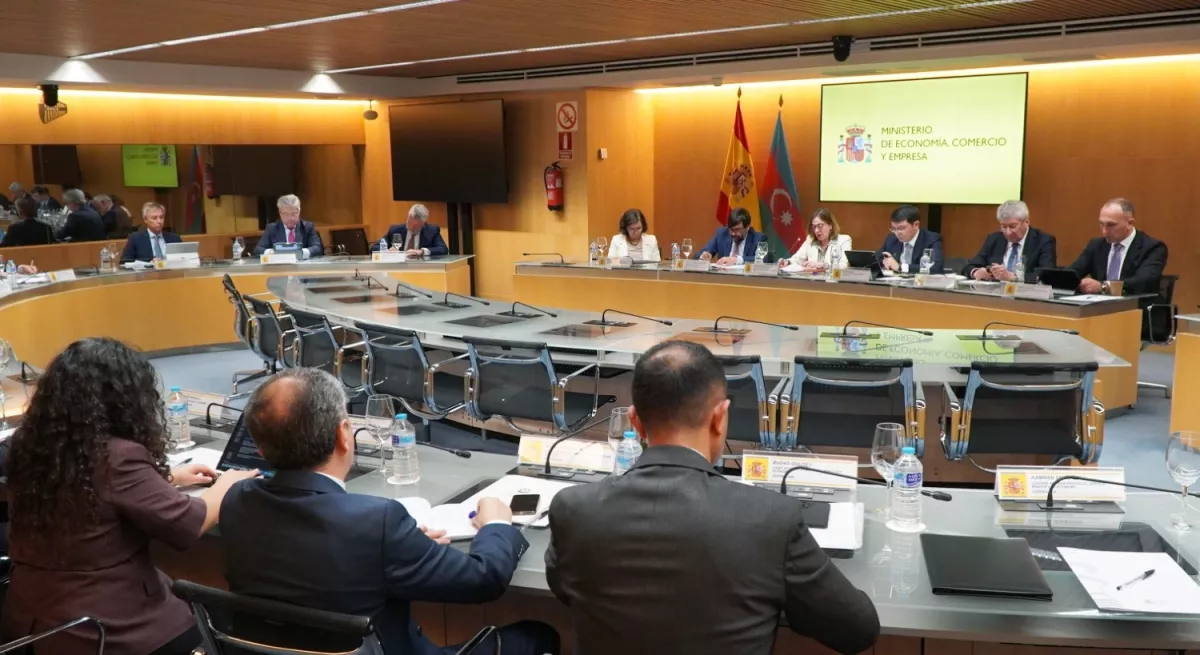
Since 1992, when diplomatic relations were established between Baku and Madrid, Azerbaijani-Spanish relations have developed in a positive direction, based on mutually beneficial business and humanitarian ties. More than ten documents have been signed between the two countries, including the Convention on the Avoidance of Double Taxation on Income and Property and the Prevention of Tax Evasion, as well as intergovernmental agreements on cooperation in the field of air transport, the promotion and protection of mutual investments, and cooperation in telecommunications, among others.
Business forums and roundtables with the participation of representatives of government institutions and business communities of both countries are periodically organised in Baku and Madrid. Recently, the two states also initiated the establishment of an Azerbaijani-Spanish Chamber of Commerce to further develop the potential of bilateral business cooperation.
Trade ties between the two countries have experienced several peaks and declines and have been primarily based on Azerbaijani exports of oil, petroleum products, and lubricants, while Spanish companies have mainly supplied food and alcoholic beverages, clothing, footwear, construction materials, furniture, automobiles, and other consumer goods.
At the peak of trade dynamics during Europe’s energy crisis in 2022, bilateral trade turnover exceeded $1 billion. However, in subsequent years, commercial activity declined noticeably. Thus, in 2023, this figure fell to $899 million, in 2024 to $310 million, and in 2025, according to the State Customs Committee (SCC), amounted to just over $245.102 million, with Azerbaijani exports decreasing more than threefold to $58.634 million.
This decline was largely driven by a reduction in Azerbaijani energy exports; last year, a little over 82,575 tonnes of crude oil were exported to Spain.
In order to overcome the decline in trade, as well as to expand the investment component and implement joint business initiatives, Baku and Madrid have launched a new strategy to diversify commercial and other business activities.
In particular, in March 2025, the 1st meeting of the Strategic Economic Dialogue between Azerbaijan and Spain was held in Baku, during which a Memorandum of Understanding on Strategic Economic Cooperation was signed between the ministries of economy of the two countries. The implementation of this document is aimed at promoting entrepreneurial initiatives, expanding bilateral business ties, increasing investment, and facilitating the transfer of technologies and knowledge, among other objectives.
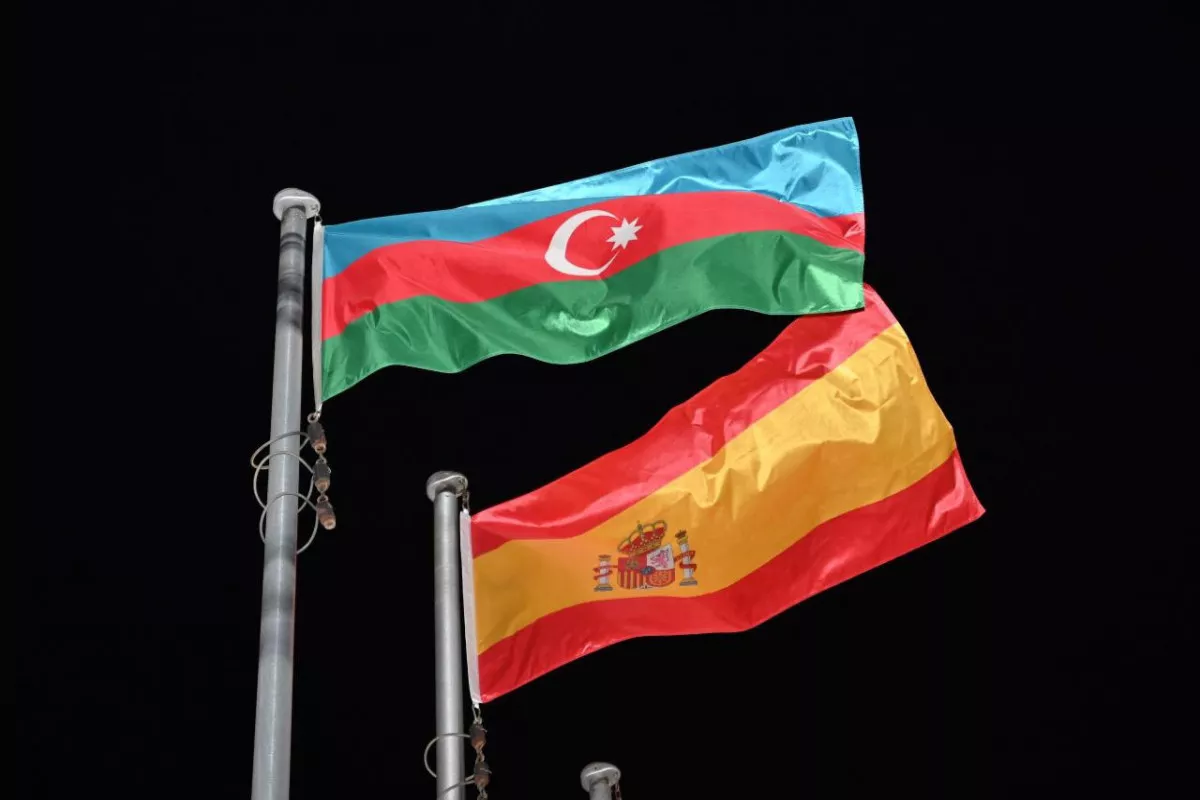
Large Spanish businesses, alongside other leading European companies, were already involved in investment projects in Azerbaijan’s extractive sector in the 1990s.
In particular, the Spanish company Repsol engaged in oil exploration around a quarter of a century ago, and its stake in the international consortium for the development of the offshore “Kurdashi” oil field amounted to 5%. In 2014, the Spanish company Enagás acquired a 16% stake in an important segment of the Southern Gas Corridor — the Trans Adriatic Pipeline (TAP), and in 2023, it purchased an additional 4% share in TAP, investing €168 million.
At the same time, Spanish contractors have also been involved in projects to modernise the oil refinery in Baku.
Alongside the energy sector, several Spanish companies are successfully operating in Azerbaijan in trade and intermediary services, as well as in mechanical engineering, transport infrastructure, green technologies, and agriculture.
According to information provided to Caliber.Az by the Ministry of Economy, between 1995 and 2025, the total volume of Spanish foreign direct investment (FDI) in Azerbaijan’s economy amounted to approximately $56 million, of which $37.1 million was invested in non-oil sector projects. In turn, Azerbaijani investors have invested $237.1 million in the Spanish economy.
The latter is not surprising. Liberal investment and migration legislation, as well as relatively affordable real estate in Spain, attract entrepreneurs from across the post-Soviet space, and Azerbaijani business is also quite active in this regard.
However, today both Baku and Madrid aim to diversify their business cooperation, moving from traditional trade towards joint investment and production projects.
These include cooperation in construction, architecture and urban planning, the production of building materials, the reconstruction of power plants, the development of the healthcare sector, the joint advancement of high technologies, and the introduction of Spanish know-how in the field of energy efficiency and renewable energy sources (RES). Additional focus is also placed on the transport and logistics sector.
Notably, joint initiatives in these areas are already being implemented. In the field of renewable energy, cooperation has been established with the state electricity company on a 150 MW wind energy project — “Yeni Yashma” — and a 300 MW solar energy project, supported by the Spanish export credit agency CESCE. At the same time, private Spanish companies, together with Azerbaijani partners, are advancing additional projects with a combined capacity of around 70 MW.
Cooperation between the two countries is also potentially promising in the production of green hydrogen, given the strong technological expertise of Spanish companies.
Spain’s agricultural sector is successfully developing in a highly arid climate, making it another area for the application of experience and know-how. This interest is mutual, as evidenced by a recent trade mission of Spanish agricultural companies to Baku, where they presented solutions in efficient irrigation, greenhouse farming, plant protection, and crop nutrition.
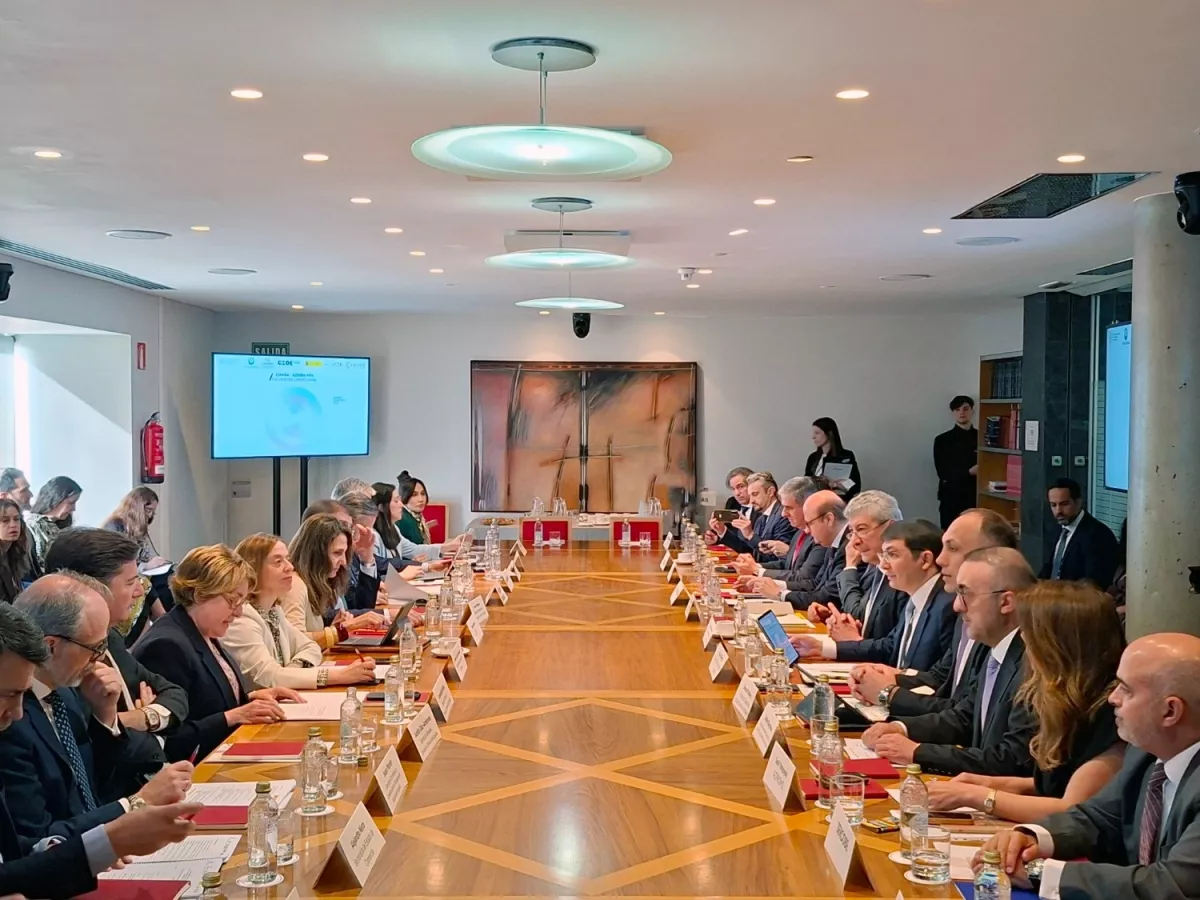
These and other potential areas of Azerbaijani-Spanish cooperation were discussed during the recent visit of an Azerbaijani delegation to Spain, led by First Deputy Minister of Economy Elnur Aliyev.
As part of the visit, the second Strategic Economic Dialogue and the “Spain–Azerbaijan” roundtable were held, bringing together representatives of government institutions and companies from both countries. A Partnership Roadmap covering trade, investment, transport, and transit was also adopted.
“Deputy Minister Elnur Aliyev drew attention to the opportunities created for investors in the Alat Free Economic Zone, the industrial zones located near the Baku International Sea Trade Port, as well as in the Karabakh and East Zangezur economic regions. Spain’s Secretary of State for Trade, Amparo López Senovilla, highly praised the development of bilateral economic relations and also outlined promising areas for expanding mutual investments and developing business ties,” the Azerbaijani Ministry of Economy said in a statement.
Within numerous meetings, discussions focused on Azerbaijan’s role as a strategic logistics and energy hub in the region, including opportunities within the Middle Corridor, as well as the exchange of experience in the development of the digital economy.
The possibility of Azerbaijan joining the activities of the International Olive Council was also considered, alongside the establishment of technical cooperation, including the introduction of international standards in olive growing, certification processes, expert support, and expanding opportunities for local producers to access international markets.
During talks with the Spanish export credit agency CESCE, issues related to export credit financing, insurance mechanisms, and access for Azerbaijani business entities to CESCE financial resources for the purchase of Spanish industrial equipment were discussed.
In addition, meetings with the leadership of Spanish companies Grupo Azvi and Fomento al Desarrollo del Comercio Internacional SL explored the potential participation of Spanish contractors and investors in major infrastructure projects in Azerbaijan.







 editor@caliber.az
 +994 55 444-88-98
 Азербайджан, Баку, ул. Низами, 203, Af Business House, 5-й этаж