










Between peace and “miatsum” The political battle for Armenia’s future
Recently, Armenian Prime Minister Nikol Pashinyan made another statement regarding the country’s new constitution, particularly emphasizing that the future of the Armenian state will directly depend on its content.
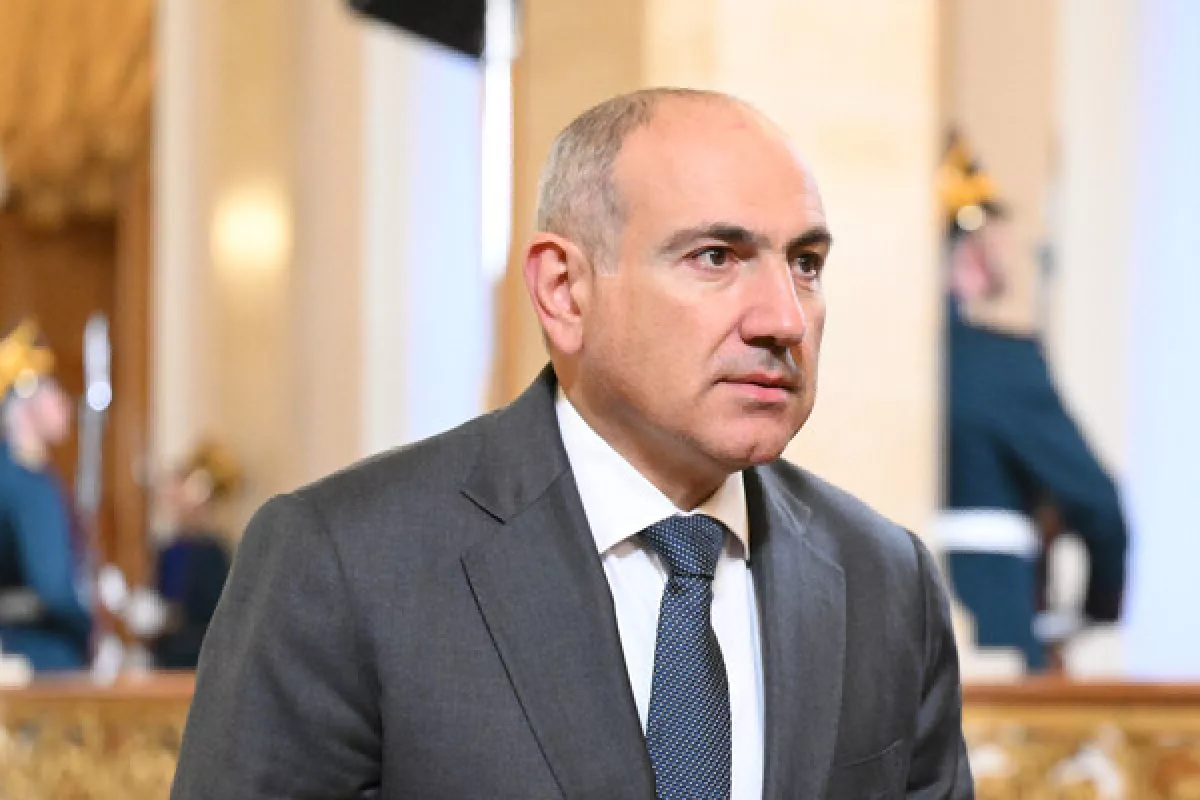
“If today we adopt a new Constitution, and its preamble includes a reference to the Declaration of Independence, it will mean that we are continuing the Karabakh movement (i.e. separatist movement – Ed.). If we continue the Karabakh movement, it will mean that we are resuming the conflict with Azerbaijan, and if we resume the conflict with Azerbaijan, it means that peace is impossible,” the Armenian leader said.
It should be immediately noted that this is not the first statement by Pashinyan on this topic. For instance, in March of this year, he firmly opposed the inclusion of a reference to the Declaration of Independence of Armenia in the country’s Constitution and reminded that he had previously spoken about this in his messages on the occasion of the document’s adoption day.
So, let us try to understand what purpose the Armenian prime minister is pursuing by consistently promoting this narrative. The first point, clearly fitting into a chain of cause-and-effect relations, is that Pashinyan plans to radically change Armenia’s foreign policy and ideological strategy in order to sign a final peace agreement with Azerbaijan.
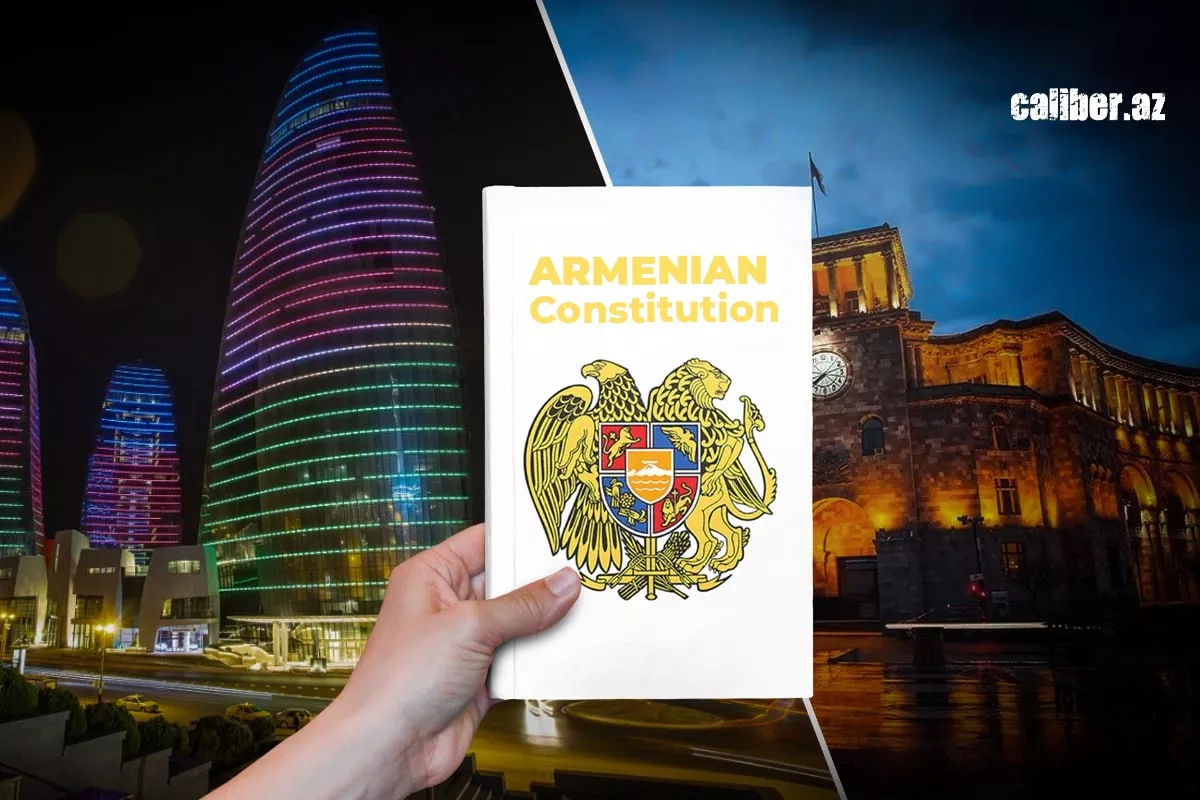
As is known, the Declaration of Independence is, in its essence, based on territorial claims toward neighbouring states, since it explicitly refers to the “reunification of Armenia and Nagorno-Karabakh.” For this reason, Pashinyan’s view that “maintaining references to the Declaration of Independence in the new Constitution of Armenia leads to war” is logically consistent. In other words, the leitmotif of his statements is the intention to remove from the country’s legislative framework all provisions that could give momentum to the continuation of the “Karabakh question,” thereby ultimately “moving away from the logic of conflict.”
The second point is that, through such statements, the prime minister is also promoting his concept of a “Real Armenia,” the foundation of which, unlike the aforementioned Declaration, is the thesis that Karabakh is an integral part of Azerbaijan. Thus, the Armenian leader indicates that the current version of the Constitution effectively obstructs the formation of a healthy state strategy for Armenia.
At the same time, this message is also aimed at both the more rational segments of Armenian society and opposition forces that actively promote a model oriented toward the past, territorial claims against neighbours, and the utopian idea of “miatsum” (unification).
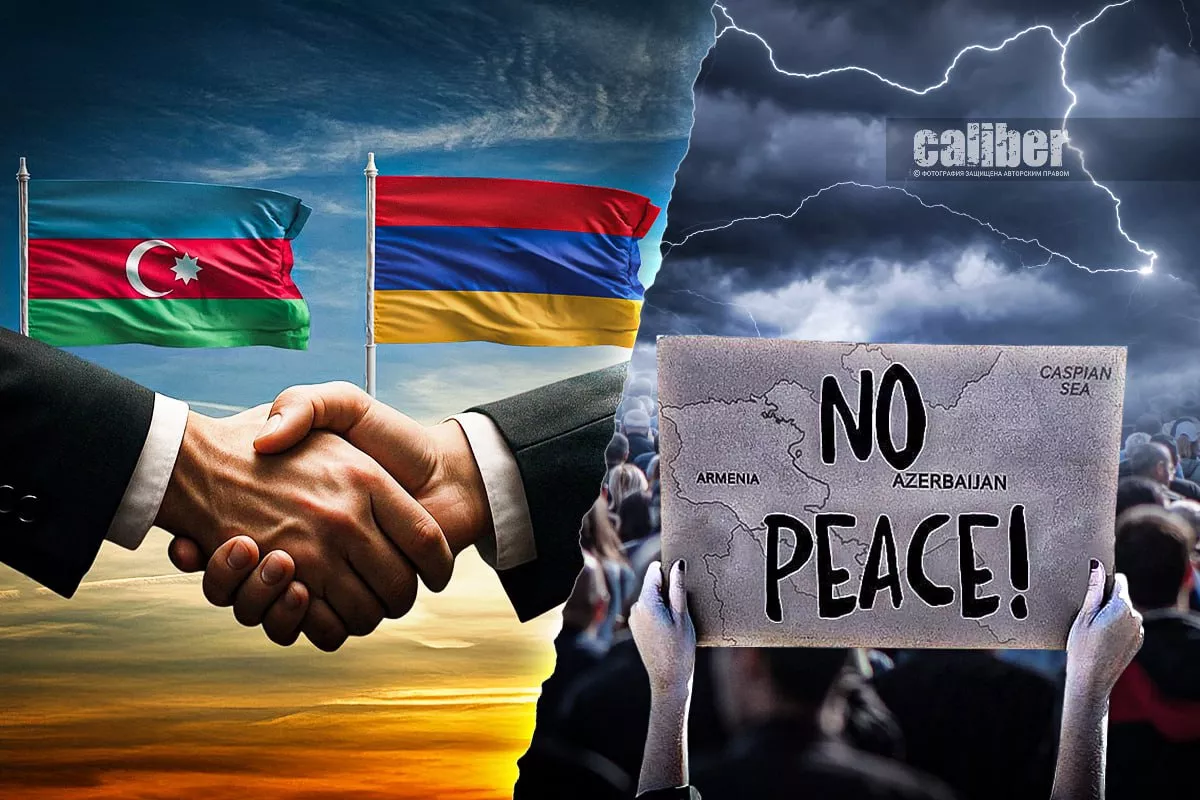
As we can see, the current domestic political landscape in Armenia is shaped by the following configuration: on the one hand, there is the “party of war” with its mythical idea of an “Armenia from sea to sea”; on the other hand, there is Nikol Pashinyan and his team with the concept of a “Real Armenia.” At this stage, Pashinyan’s key objective appears to be convincing Armenian society of the necessity of a de jure elimination of territorial claims against Azerbaijan. However, under conditions where he is effectively forced to share the political space with the aforementioned “party of war,” this is by no means an easy task.
In this context, a certain degree of optimism is inspired by the fact that many voters associate Pashinyan with democracy and a “new Armenia,” as an alternative to the previous system of governance, which was deeply permeated by corruption and led the country into economic crisis and political isolation.
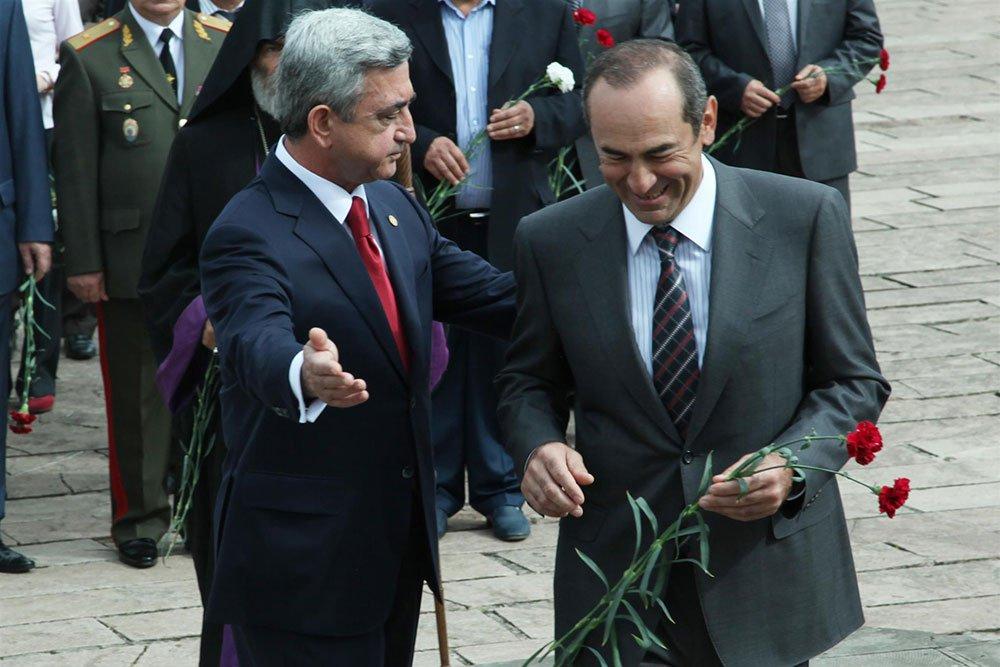
In turn, against this backdrop, the opposition is demonstrating a previously uncharacteristic level of solidarity. Particularly active in this regard is former President Serzh Sargsyan, who recently told journalists that he is “interested in the success of Robert Kocharyan’s bloc in the upcoming parliamentary elections.”
“I want more than many others for the Armenia bloc to succeed in the elections. It is in all of our interests,” said the leader of the Republican Party.
Given the consolidation of efforts by these two former presidents against the current authorities, and also taking into account the activity of the “heavy artillery” in the form of a number of Armenian clergymen aimed at undermining the peace process between Baku and Yerevan and destabilising the internal situation in the republic, Nikol Pashinyan is likely to soon face perhaps the most serious political test, the outcome of which will determine not only the future of Armenia but also peace in the South Caucasus.







 editor@caliber.az
 +994 55 444-88-98
 Азербайджан, Баку, ул. Низами, 203, Af Business House, 5-й этаж