










The Baltics as a gateway for the “Made in Azerbaijan” brand Overview by Khazar Akhundov
The Azerbaijani government has done a great deal to diversify trade and economic relations and attract investors from Northern European countries, including the promotion of domestic non-oil exports to the Baltic market. Cooperation between Azerbaijan and Latvia is particularly promising in this regard, where partnership initiatives by the business community are supported at the state level.
Progress in this direction was confirmed by the recently concluded official visit of Latvian President Edgars Rinkēvičs to Azerbaijan: within its framework, an Azerbaijan–Latvia business forum was held, priorities for business cooperation were outlined, and a number of interagency documents were signed.
Two years ago, Baku and Riga marked the 30th anniversary of the establishment of diplomatic relations. Over this period, the two countries have followed a fruitful path of cooperation, consistently building a constructive political dialogue and developing partnership in the economic and humanitarian spheres.
Baku and Riga have participated for many years in EU-initiated joint twinning projects, while business cooperation has advanced in such sectors as agriculture and food industry, tourism, transport, and logistics. The Latvian leadership has traditionally viewed relations with Azerbaijan as being with an economic leader of the South Caucasus and a key energy partner of the European Union.
In turn, Azerbaijan has particularly highlighted Latvia as the largest transport and logistics hub in the Baltic region of Eastern Europe and an important platform for exporting Azerbaijani food products and other non-oil goods to the Latvian and neighbouring markets.
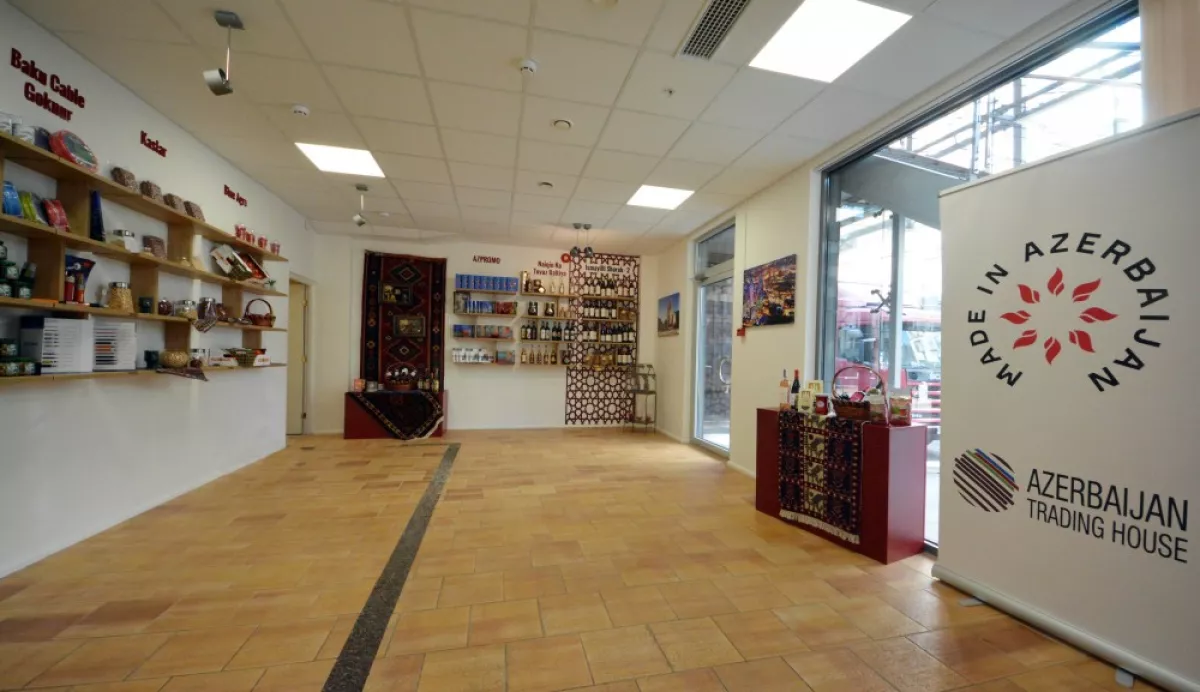
This trend has noticeably strengthened since mid-2018, when, on the initiative of the Azerbaijan Export and Investment Promotion Agency (AZPROMO), an Azerbaijani trading house was established in Riga. Over time, it has become a kind of transit hub for further promotion of the national “Made in Azerbaijan” brand to neighbouring Baltic countries and, more broadly, to the wider European market.
Speaking about mutual trade, it should be acknowledged that its volume still does not correspond to the economic potential of the two countries. Thus, in 2022, marked by the energy crisis in the EU, Azerbaijan–Latvia trade turnover increased by 70% and reached $46 million, with a significant positive balance in favour of Azerbaijan.
Trade dynamics further strengthened in 2023, reaching $65 million, of which around two-thirds accounted for Azerbaijani exports. Over the past eight years, Azerbaijan has been exporting grape wines and brandy, fruit and vegetable preserves, juices, jams, narsharab, olive and lavender oil, tea, as well as fresh tomatoes, pomegranates, persimmons, and hazelnuts to Latvia.
In particular, Azerbaijani food products worth $3.1 million were supplied to Latvia last year. In turn, imports of Latvian agricultural and processed products to Azerbaijan amounted to $10.4 million, mainly consisting of dairy and fish products, syrups, alcoholic beverages, and confectionery.
Nevertheless, in the past two years, a noticeable decline has been observed in trade turnover: in 2025, total Azerbaijan–Latvia trade amounted to nearly $27.726 million, slightly exceeding the figures of the previous year.
Some progress was recorded in the first quarter of 2026: mutual trade reached $6.083 million, showing a 14% increase, while supplies from Latvia accounted for more than two-thirds of the turnover, rising by 27.1%.
These figures highlight the need to diversify and expand Azerbaijan–Latvia trade and, more broadly, to elevate business ties to the level of investment and technological initiatives. An important step in this direction was the 9th meeting of the Intergovernmental Commission (IGC), held in mid-April in Shusha, where both sides reaffirmed their commitment to expanding cooperation.
Within the final protocol of the IGC, Baku and Riga outlined a wide range of promising investment areas, including agro-processing and forestry, the development of ICT and digital government sectors, transport infrastructure, aviation logistics, educational exchanges, and others.
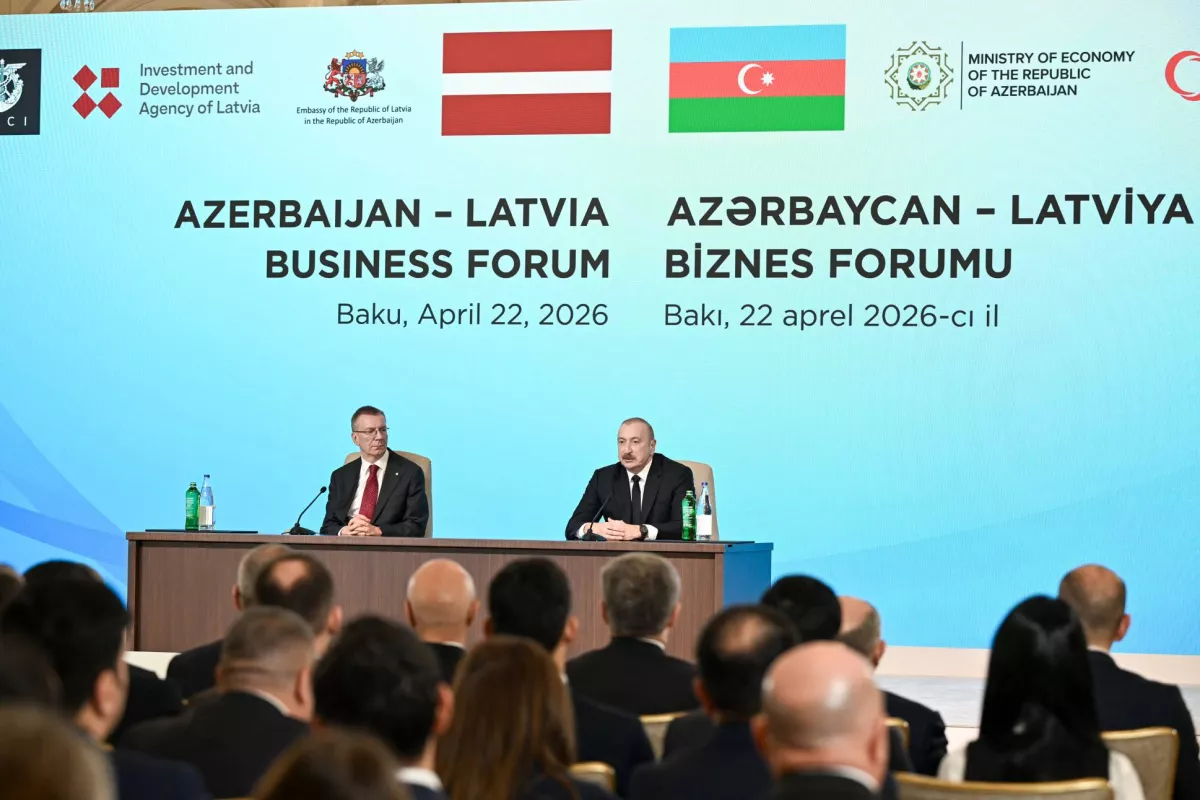
The outlined areas and other promising vectors of business partnership were also discussed on April 22 during the Azerbaijan–Latvia Business Forum, held with the participation of the Presidents of Azerbaijan and Latvia — Ilham Aliyev and Edgars Rinkēvičs.
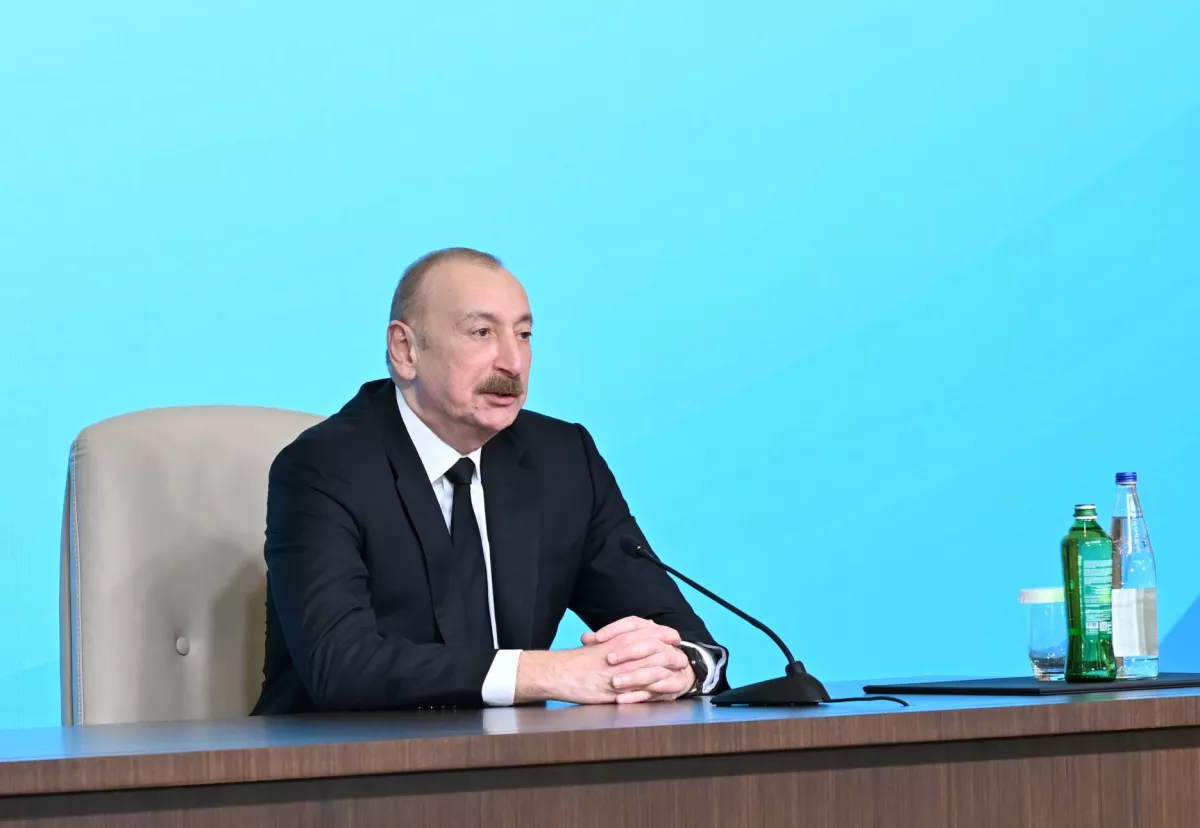
“We had excellent discussions and documents signed, and among many things we discussed also the issue of economic partnership. And especially the business forum which is organized today really demonstrates a mutual aspiration to do business together,” President Ilham Aliyev noted.
The Azerbaijani president spoke about the achievements in diversifying the country’s non-oil sector, whose share in the economy has reached 70%, the expansion of cooperation with the European Union in gas exports, and plans to increase the production of green electricity and its supply to the European market, taking into account the goal of raising solar, wind, and hydropower capacity in Azerbaijan to 8 GW by 2032.
He also highlighted progress in creating a favourable business climate for foreign investors, which is particularly important given the demand for additional investments aimed primarily at the reconstruction and restoration of Karabakh and East Zangezur.
“Definitely, we as a country, and I'm sure our business community, are interested in investment opportunities in Latvia, in your priority projects. As we discussed today, we can table a list of potential projects where both countries can successfully participate,” President Ilham Aliyev stressed.
In this context, there is no doubt that demand for joint business initiatives, including those involving Baltic investors, is quite high. Thus, direct Latvian investments in Azerbaijan’s economy in 2025 amounted to $6.945 million, confirming growing interest in the country’s economic opportunities.
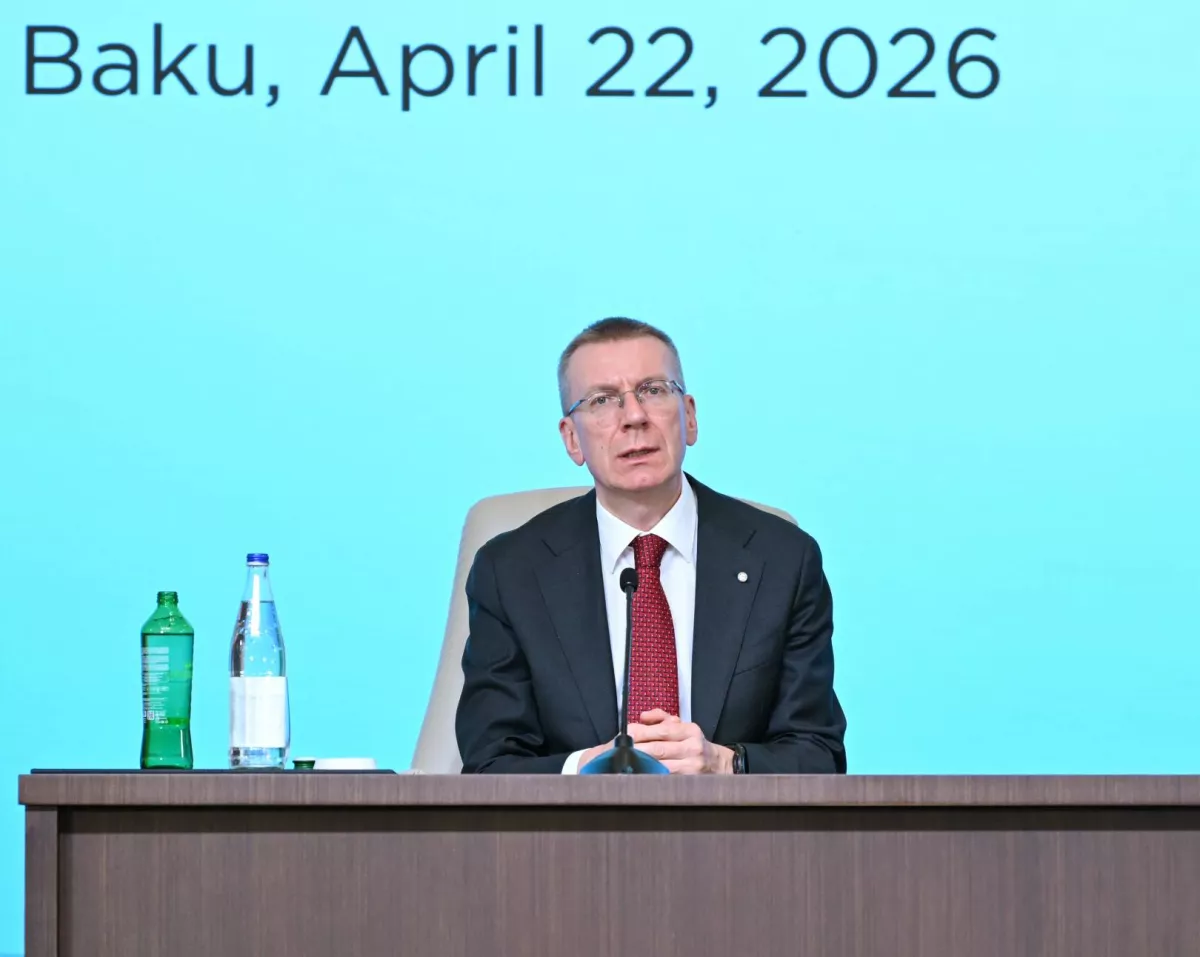
“Azerbaijan for Latvia is, was and will be the principal trading and political partner in the South Caucasus region and, actually, in the broader region. As the President just said, we really had a substantial portion of our discussion devoted to economic and trade relations,” noted Latvian President Edgars Rinkēvičs.
During the talks between the presidents of the two friendly countries, priority areas were outlined for attracting investments and know-how to establish joint ventures and startups, as well as for developing projects in artificial intelligence (AI), the digitalisation of public administration systems and e-government tools, the pharmaceutical industry, and cooperation in the defence sector, including drone technologies and anti-drone systems.
Transport and logistics initiatives are among the priorities of both Azerbaijan and its Baltic partner, particularly given the potential of the Middle Corridor and prospects for expanding connectivity between the Port of Riga and the Port of Alat, as well as the Free Economic Zone operating there, whose capabilities could be utilised for joint production.
Prospects for cooperation were also discussed in agriculture, water resource management, and reforestation, including in the territories of Azerbaijan liberated from occupation. Plans include expanding tourism and direct passenger air connections, as well as cooperation in architecture, engineering solutions, and design.
Particular emphasis was placed on deepening cooperation in education and vocational training: currently, more than 450 Azerbaijani students are studying at universities in Latvia.
The outcome of the business events held in Baku was the signing of six important documents in the presence of the heads of state.
Among the economic agreements, particular attention should be given to the “Declaration of Intent on Cooperation in the Field of Agriculture between the Ministry of Agriculture of Azerbaijan and the Ministry of Agriculture of Latvia”, as well as the “Memorandum of Understanding between the Food Safety Agency of Azerbaijan and the State Plant Protection Service of Latvia on Cooperation in the Field of Plant Health and Protection”.







 editor@caliber.az
 +994 55 444-88-98
 Азербайджан, Баку, ул. Низами, 203, Af Business House, 5-й этаж