










Brussels’ ultimatum to Tbilisi: integration or instability? Article by Vladimir Tskhvediani
On April 27, 2026, Georgian Foreign Minister Maka Botchorishvili and EU Ambassador to Georgia Pawel Herczyński held a meeting in Tbilisi at the Avlabari Ceremonial Residence, which lasted nearly an hour. Afterward, the ambassador left the Avlabari Residence without speaking to journalists.
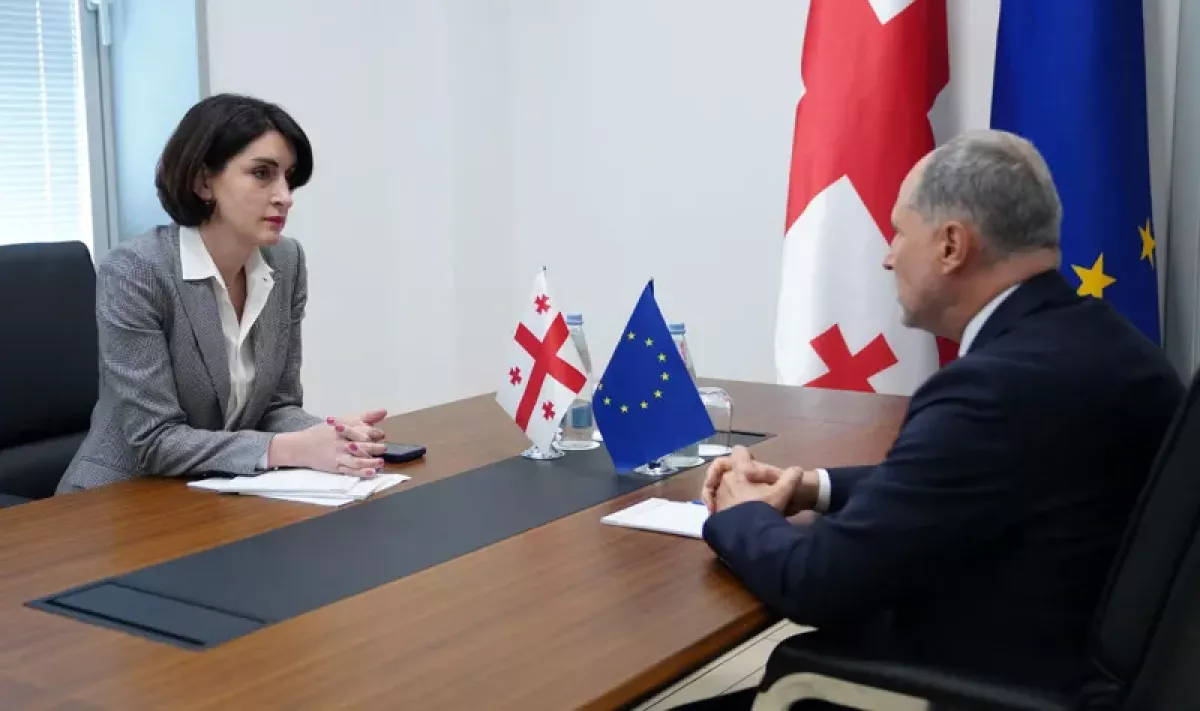
The de facto “summoning” of the EU Ambassador to Georgia by the Georgian foreign minister was linked to remarks he had previously made in Brussels at an event hosted by the European External Action Service, which were later circulated by several Georgian media outlets.
“Georgia stands at a crossroads. Georgia’s future has not yet been written, but what is decided in the coming weeks and months will determine whether Georgia belongs to the family of European nations founded on democracy, the rule of law and human rights — or whether, regrettably, it returns to its dark past,” said Pawel Herczyński.
The EU Ambassador also warned of the possible consequences of such a scenario:
“We must not allow Georgia, and the wonderful, warm, hospitable Georgian people, to return to a dark era of violence, civil war, poverty, hardship and corruption,” Herczyński stated.
The ambassador's remarks can be interpreted as an ultimatum, given the very compressed timeframe he referred to (“the coming weeks and months”) and the implication of civil war as a possible consequence.
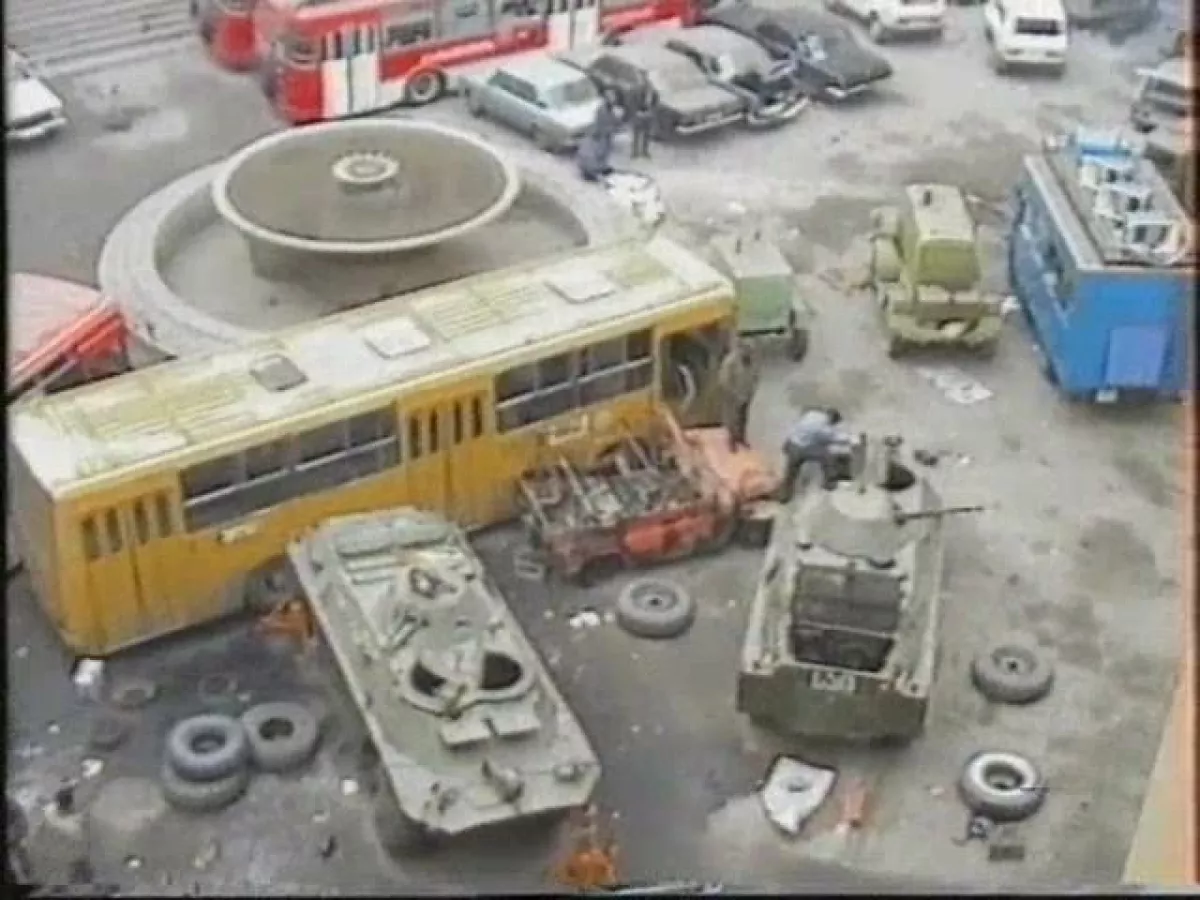
What this could mean is something well remembered by the older generation in Georgia. At the beginning of the 1990s, the country experienced a civil war, conflicts in Abkhazia and the Tskhinvali region, as well as widespread devastation, poverty, and a surge in criminal activity.
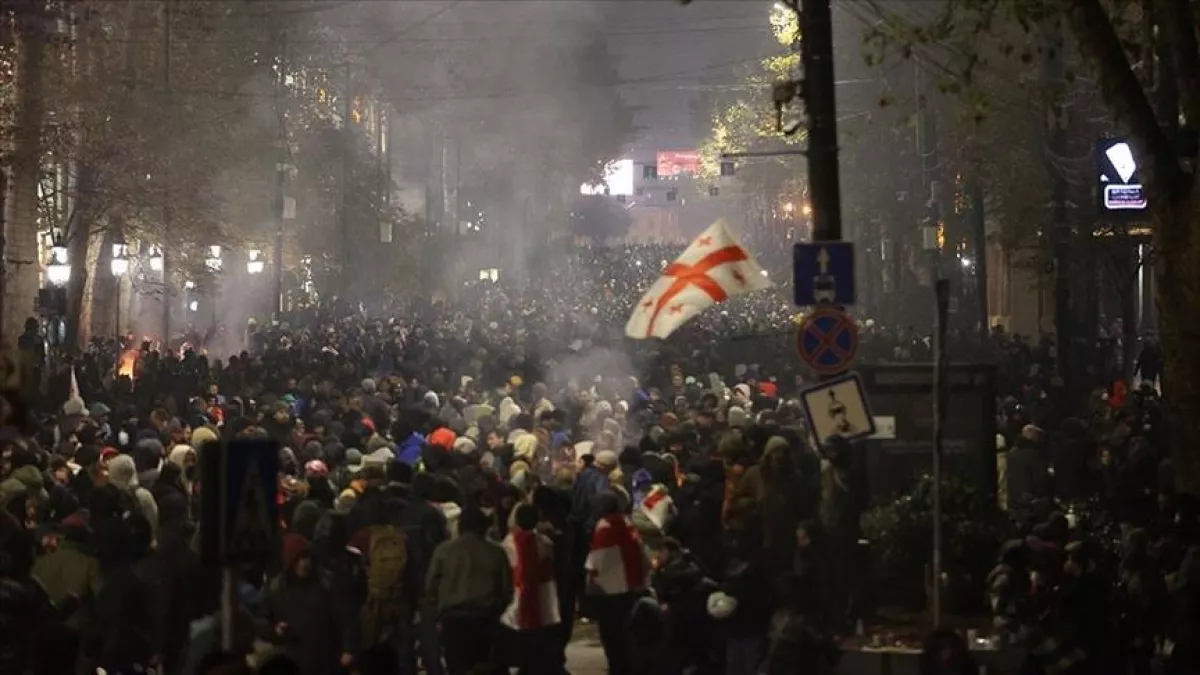
In 2024–2025, the Georgian authorities faced anti-government protests that they described as being supported by the European Union, and in response to the ambassador’s statements, they requested clarifications from the EU side.
On April 23, 2026, Georgian Prime Minister Irakli Kobakhidze stated, “[...] the European path, or civil war and impoverishment. This is how he threatens the Georgian people. This is a direct threat.” According to him, it was therefore appropriate to summon the ambassador to the Ministry of Foreign Affairs.
The following day, Maka Botchorishvili announced her intention to meet with Pawel Herczyński. Following the meeting between Maka Botchorishvili and Pawel Herczyński, the EU Delegation in Georgia issued an official statement. It noted that the parties held a substantive discussion on EU–Georgia relations.
“They had a substantive discussion about EU-Georgia relations. [...] The EU has shown time and time again that it wishes Georgia to move forward.
The EU leaders have unanimously decided to grant Georgia a candidate status. Like majority of Georgians, we believe that membership in the EU offers Georgia the best guarantee of peace and prosperity.
Accession to the EU requires sincere commitment and tangible reforms to align with EU values and standards. Unfortunately, the current trajectory taken by Georgian authorities pushes Georgia away from the path of EU membership. [...]
The European Union does not force anyone to become a member. We wish that Georgian authorities do not miss this historic opportunity that still exists,” the statement said.
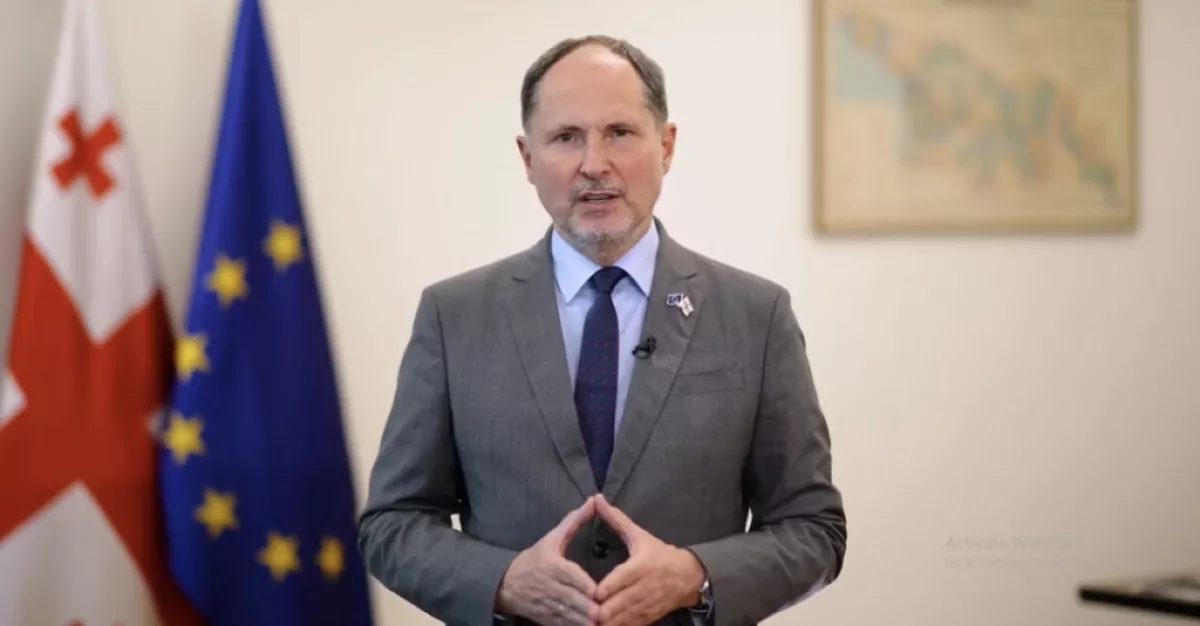
In effect, the statement by the EU Delegation in Georgia is seen as a reiteration of Pawel Herczyński’s earlier warning, albeit in a softer and more diplomatic tone. It does not refer to consideration of Georgia’s national interests, nor does it suggest a search for mutual understanding or compromise.
In essence, Brussels appears to be leaving the Georgian leadership with two options: either take advantage of the “historic opportunity” or decline it.
Given the belief among part of the population in Georgia’s “European perspective,” this could indeed lead to serious internal tensions and upheaval, potentially even the kind of “civil war” risk previously mentioned by the EU representative.
The example of the Euromaidan in Ukraine is often recalled in this context: at the end of 2013, it began after then-President Viktor Yanukovych refused to sign an Association Agreement with the EU. At the same time, the agreement itself did not envisage EU membership.
Similar agreements had previously been concluded by Brussels with a number of countries that did not aspire to EU membership — for example, Morocco, Syria, and Jordan.
As of November 2013, there was no official discussion of Ukraine joining the EU, and the country did not hold candidate status.
Nevertheless, a significant part of Ukrainian society, influenced by pro-Western NGOs and media, believed in a “rapid movement along the European path” following the signing of the EU Association Agreement.
In contrast, Georgia has already been formally promised EU membership, and this is explicitly emphasised in the statement of the EU Delegation. Disappointment over a perceived “final exclusion from Europe,” which is also implicitly present in the statement, could therefore prove to be particularly strong.
In Georgia, unlike in Ukraine, it has so far not been possible to escalate “Maidan-style” street protests and unrest into an armed confrontation involving gunfire, so-called “sacred victims,” and a subsequent violent overthrow of state power. Although, according to apparent signals from the leadership of several EU countries, parts of the opposition were seeking such an outcome. Opposition figures called on civil servants and members of the security forces to “side with the people.”
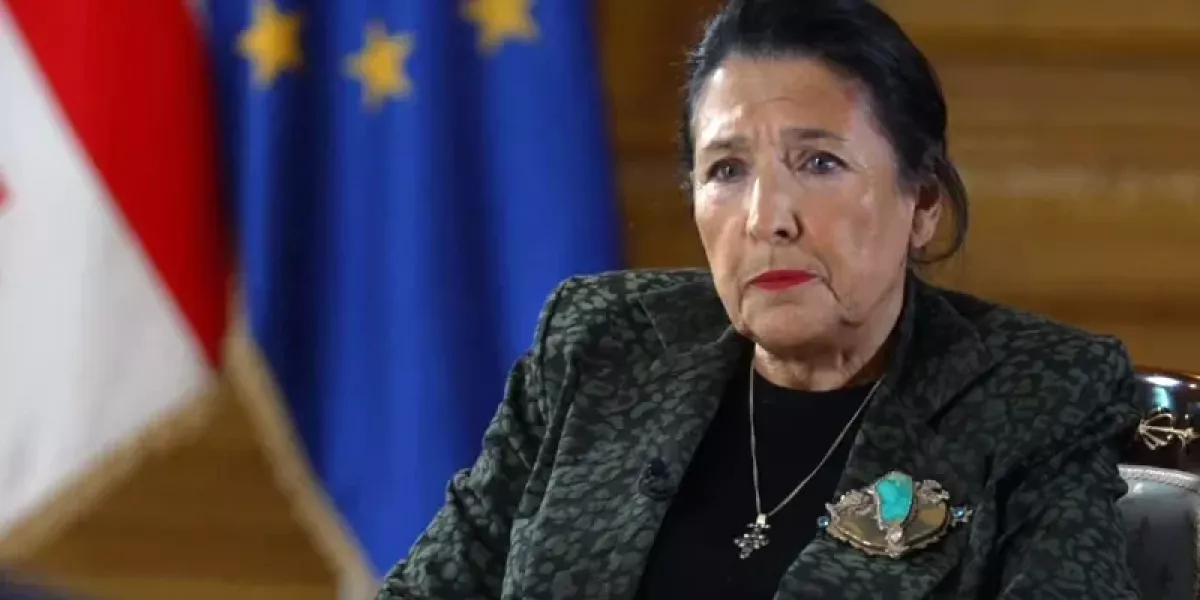
Salomé Zourabichvili, a former French Foreign Ministry official, actively encouraged children and school students to take part in protests — a situation that, according to these claims, was moving toward the idea of “sacred victims,” effectively placing children in harm’s way and exposing them to potential police violence.
However, the Georgian authorities, having received a mandate in parliamentary elections, were able to take decisive preventive measures. Individuals described as provocateurs were detained and neutralised, the situation gradually stabilised, and protest actions became smaller and marginal.
However, as of today, compared to 2025–2026, the global situation has worsened. The Russian–Ukrainian war—of which the EU allegedly intended to open a “second front” in Georgia in the event of a coup—has expanded in scale. Drone strikes have targeted ports not only in the Black Sea region but also in the Baltic, as well as oil refineries and pumping stations on Russian territory, effectively threatening energy supplies westward not only from Russia but also from Central Asia.
Military operations in Iran have also disrupted logistics in the Persian Gulf. As a result, the transit role of the South Caucasus and the Middle Corridor passing through Georgia has significantly increased, but the region has become even more fragile in terms of security.
In the current geopolitical environment, smaller states are increasingly drawn into conflicts even without initially anticipating such a scenario (as seen in some Gulf countries). Once involved in external conflicts not of their own making, they are often unable to restore peace and stability on their own.
There is a real risk that the danger of triggering a civil war in Georgia could be suddenly organised by external forces, even without a preliminary stage of so-called “peaceful” protests. At present, Brussels and the pro-Western Georgian opposition have failed both electorally and in their “peaceful” and “protest” strategies. They have demonstrated organisational weakness, unable either to mobilise opponents of the current government or even to achieve internal coordination, instead becoming absorbed in internal disputes. However, this does not, in itself, eliminate the risk of civil war in Georgia.
An attempt to change power through a “civil war scenario” does not necessarily require large opposition movements or mass street agitation. Civil wars are typically preceded by deep societal polarisation—and in Georgia, unfortunately, such polarisation remains. In addition, a trigger is needed to initiate armed confrontation in any part of the country, and such a trigger could be created through provocation.
The risk of civil war increases significantly if part of the security apparatus stops obeying the authorities or if armed groups emerge that are not under government control. Apart from separatist territories, such formations do not currently exist in Georgia. However, under external interference, they could potentially be created—including from Georgian citizens participating in other conflicts.
As the situation deteriorates, the insufficient numbers and level of professionalism of anti-government formations inside the country could be quickly offset by “interested forces” brought in from abroad — private military companies and various foreign “volunteers” with combat experience. In essence, this would amount to the intervention of external forces.
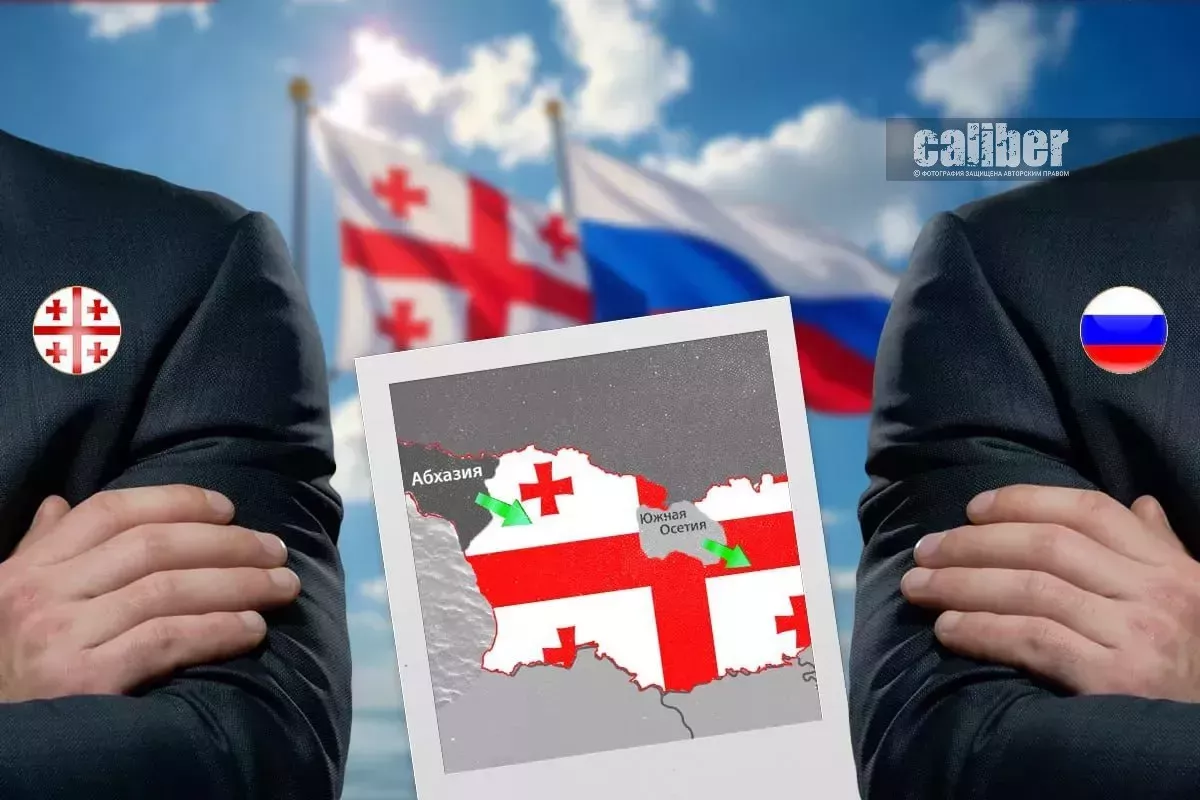
Experience shows that when civil wars are instigated, a country can, for many years, turn into a “field for settling scores” between larger geopolitical players. And as long as separatism and the occupation of Georgian territories persist, the situation in the South Caucasus region remains highly volatile. If external forces were to push the situation in Georgia into civil war, Russian military forces would, with a high probability, become involved. In essence, this would amount to the opening of a “second front” through an internal conflict, and it appears that the EU is considering such a scenario.
However, compliance with Brussels’ ultimatum would also effectively mean a faster entanglement in war — European officials had already called on Tbilisi in 2022 to start military actions against the Russian Federation, to “hold out” for 3–4 days, and then “engage in partisan warfare in the forests.”
The de facto ultimatums from Brussels to the Georgian authorities should be taken with full seriousness. Both Georgia’s sovereignty and its peaceful development remain under threat.
By Vladimir Tskhvediani, Georgia, exclusively for Caliber.Az







 editor@caliber.az
 +994 55 444-88-98
 Азербайджан, Баку, ул. Низами, 203, Af Business House, 5-й этаж