










Rebellious April: trade unions shake Europe Overview by Teymur Atayev
A rather intriguing situation is unfolding in Europe, which some analysts compare to the early signs of a revolutionary atmosphere. While such assessments not long ago might have sounded far-fetched, today the possibility of revolutionary ideas emerging and gaining traction on the European continent no longer appears entirely utopian.
To support this view, experts point to the growing wave of strikes, with April proving to be particularly intense in this regard.
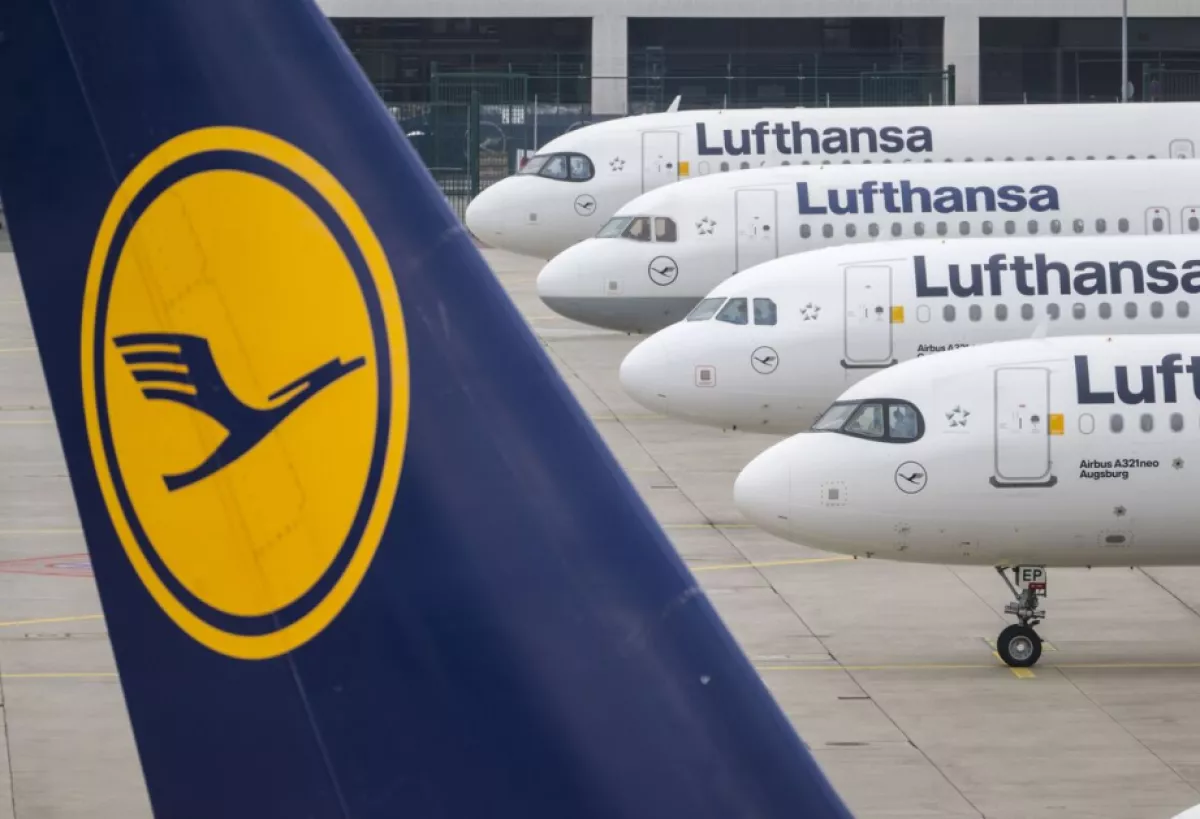
On April 12, the largest pilot strike in over a decade began at the German airline Lufthansa. One of the key demands was the conclusion of a new collective labour agreement. The issues raised included excessive working hours, low wages, a lack of social guarantees, and, above all, the need to improve the pension system. Despite compromise proposals from Lufthansa’s management, none have so far been accepted by the pilots.
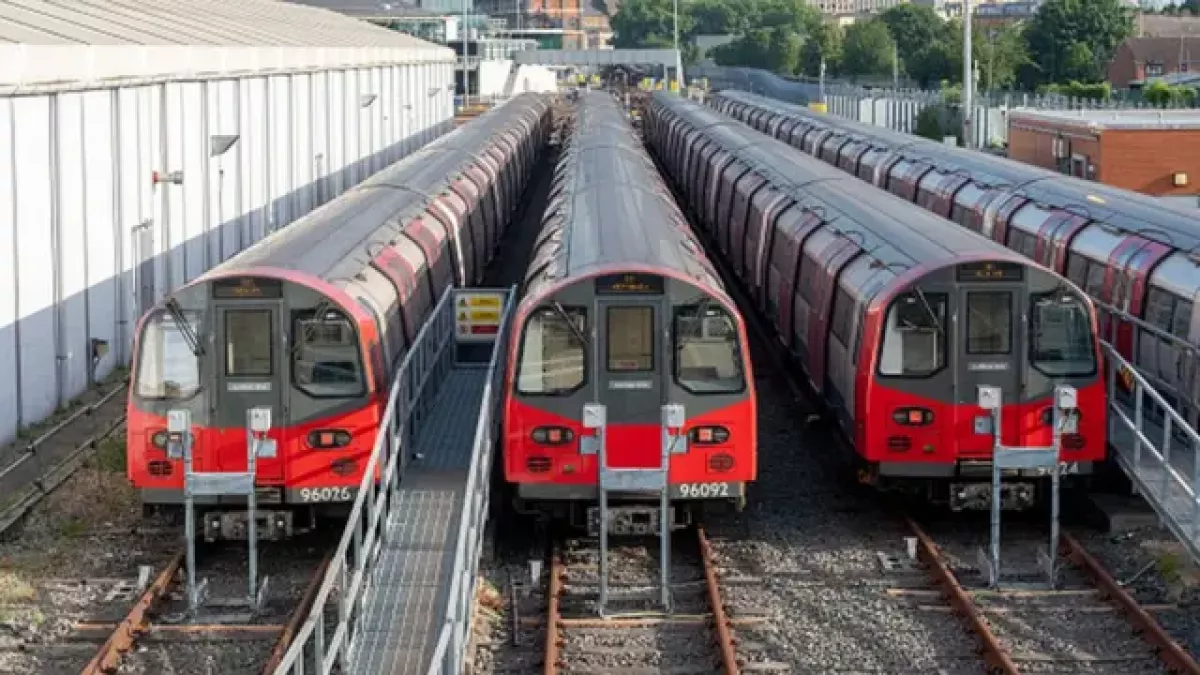
In London, subway drivers staged a strike initiated by the RMT transport union in response to plans to move them to a four-day working week. At the same time, a six-day strike began in the United Kingdom involving doctors, triggered by government pay proposals that were deemed unsatisfactory by medical unions.
In the Netherlands, civil servants expressed strong dissatisfaction with the so-called “zero line,” which implies no salary increases in 2026.
In Norway, around 2,500 workers in the hotel and restaurant sector have also put forward demands for higher wages.
In the Czech Republic, the association of radio employees announced a strike in response to proposed amendments to media legislation, which they believe threaten broadcasting independence due to funding cuts.
In France, trade unions have, in turn, declared their intention to paralyse operations on one of the busiest metro lines.
As experts note, such a simultaneous rise in protest activity across the continent has not been observed for a long time. At the same time, there is still no clear coordination among European trade unions. However, analytical circles are actively discussing the outcomes of the first so-called Global Progressive Mobilisation (GPM), held on April 17–18 in Barcelona — an initiative supported by Spanish Prime Minister, Socialist Pedro Sánchez.
The forum was attended by the presidents of Brazil, Mexico, Colombia, and South Africa, as well as around 6,000 civil society representatives from more than 40 countries. During the meeting, participants discussed issues such as the spread of fascist tendencies and the growing influence of corporations backed by billionaires and “techno-oligarchs.”
In this context, the Socialist International website—whose core values are declared to be democracy, equality, and social justice—presents the GPM as the outcome of “collective effort of progressive parties, movements, and organisations working together across borders.”
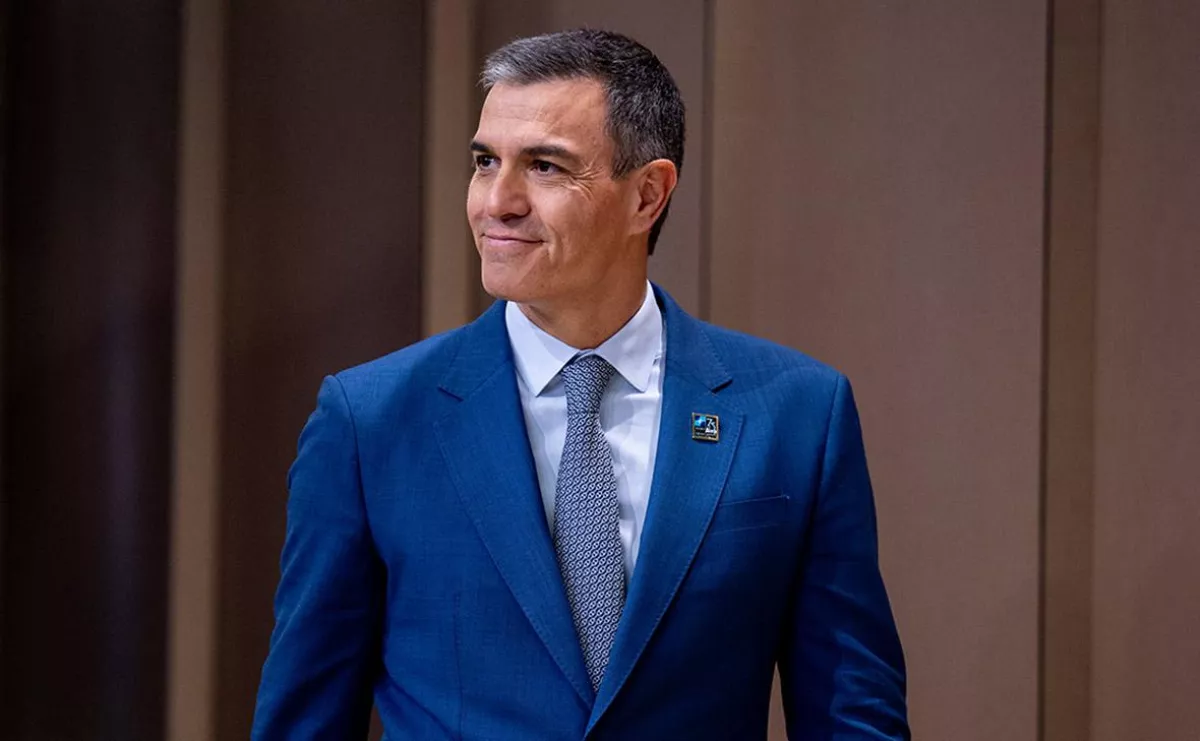
Particular emphasis is placed on the role of Pedro Sánchez, under whose leadership the Socialist International is described as a “central platform for dialogue, coordination, and solidarity,” bringing together representatives from different regions of the world. Importantly, discussions already include the objective of “ turning shared principles into coordinated global action.”
The GPM’s stated priorities include the defence of democracy, social cohesion, and strengthening the capacity of progressive forces to achieve inclusive and long-term change.
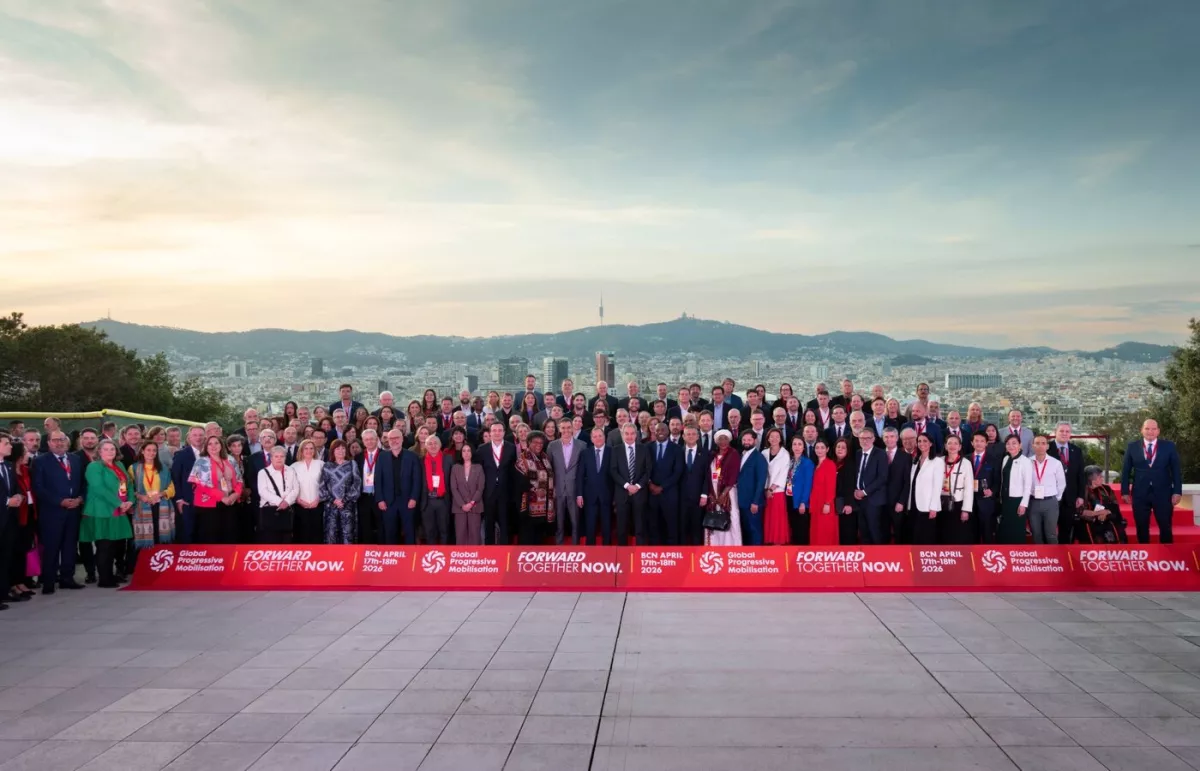
Some experts see parallels here with the ideology of the “International,” a symbol of the international labour movement, as well as signs of a new wave of revolutionary ideas emerging. At the same time, Reuters describes the Barcelona forum in more restrained terms—as a gathering of left-wing activists seeking to intensify the struggle against the far right.
Nevertheless, part of the analytical community views the situation in a much broader context. In particular, the Committee for a Workers’ International (CWI) interprets the current processes as a consequence of global injustice. The organisation sharply criticises the so-called “global fuel crisis,” as well as the policies of Israel and the United States toward Iran, which, in its view, have contributed to increased instability in the Middle East and a deepening economic crisis. It is noted that this has led to rising prices for diesel fuel and gasoline.
As a response, the CWI proposes measures of “socialist planning and nationalisation” aimed at preventing further deterioration in the situation of the working class and the environmental crisis.
It is the combination of these factors that leads some observers to speak of the emergence of preconditions for a revolutionary situation in Europe. In this context, the ideas of Karl Marx and Vladimir Lenin are often referenced.
Of course, not all experts share such assessments. However, it should be reiterated that April 2026 has already become one of the most strike-intensive months in modern European history. Moreover, the continent’s economic situation remains far from stable, which could further contribute to the spread of protest movements and radical ideas within Europe’s socio-political landscape.







 editor@caliber.az
 +994 55 444-88-98
 Азербайджан, Баку, ул. Низами, 203, Af Business House, 5-й этаж