










The Berlin factor Germany reshapes Europe’s security architecture
The updated U.S. National Security Strategy, presented by the administration of Donald Trump in December 2025, served as a catalyst for a large-scale reassessment of defence policy by European countries.
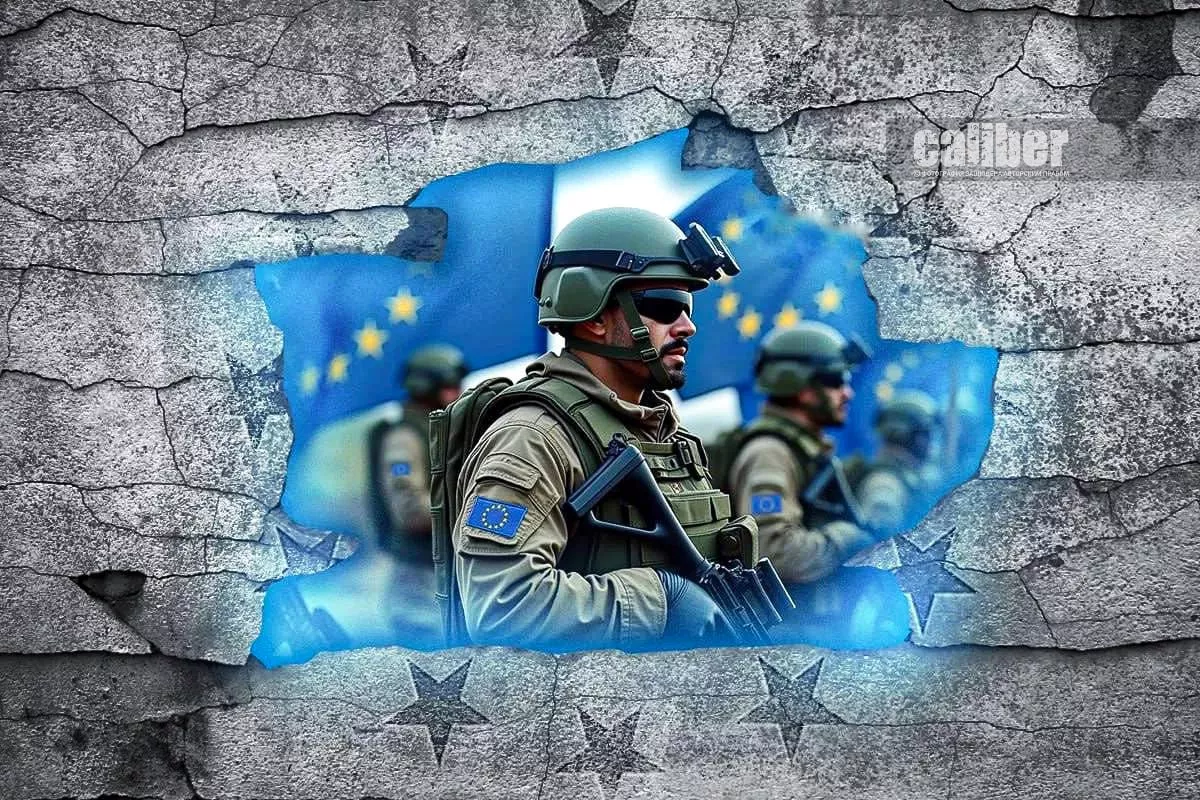
The document, which many in Europe described as a “cold shower” and a “diagnosis” for the EU, forced America’s NATO allies to increase defence spending, which in several European countries rose by 11% last year compared to the previous one, reaching €381 billion, or about 2.1% of EU GDP. However, these figures, as it turned out, are also not the limit – EU countries that are members of the North Atlantic Alliance plan to raise defence spending to 5% of GDP by 2035.
In other words, in order to reduce dependence on the United States, Europe has begun forming its own defence pillar, and Germany’s military-strategic plans as the European Union’s leading power fully fit into this trend. In particular, German Defence Minister Boris Pistorius presented a new military strategy under which the total size of the German army is to reach 460,000 personnel, including 200,000 reservists.
“We are transforming the Bundeswehr into the strongest conventional army in Europe. In the short term, we are strengthening our defence capability, in the medium term we aim for a significant build-up of potential, and in the long term we will ensure technological superiority. Our goal is to become the strongest conventional army in Europe,” he said.
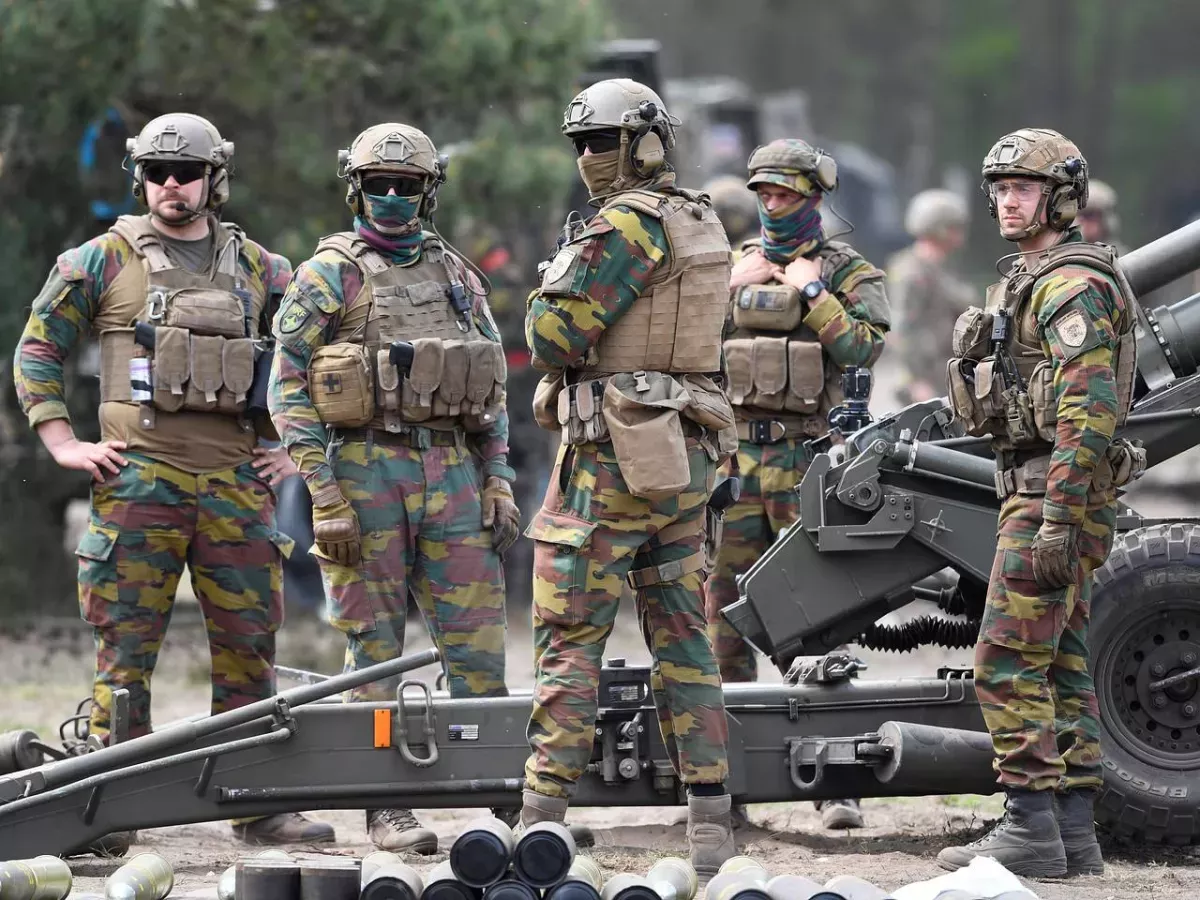
Thus, Germany’s defence minister has made it clear that the country intends to shift from a policy of military restraint to a position of leadership in the military sphere and aims to build the strongest army on the European continent.
So, let us try to clarify how achievable the stated goal of the Federal Republic of Germany is. To begin with, it should be noted that Germany’s defence budget for 2026 is planned at over €83 billion. In the future, the government intends to increase military spending to 3.5% of GDP and create an army of AI-driven drones, investing in artificial intelligence, unmanned systems and the digitalisation of command and control.
In addition, according to open sources, Germany is purchasing F-35 fighter jets, Puma infantry fighting vehicles, heavy transport helicopters, air defence systems and ammunition, and is actively participating in European projects such as the development of the Main Ground Combat System (MGCS) next-generation tank and the Future Combat Air System (FCAS) next-generation combat aircraft programme.
Since the beginning of this year, this military framework has also been complemented by the introduction of mandatory registration for men, providing for the possibility of conscription or voluntary training with subsequent assignment to the reserve. Germany has also taken responsibility for deploying around 5,000 troops in Lithuania by 2027, in order to ensure rapid troop redeployment and logistical support in the context of hybrid threats.
Thus, we are witnessing a picture of active expansion of the Federal Republic of Germany’s military and defence potential, which inevitably evokes references to events of the past.
As is well known, Germany—the initiator of two world wars—faced restrictions on militarisation twice in the 20th century. After the First World War, the provisions of the Treaty of Versailles severely limited its military capacity, reducing the German army to just 100,000 personnel. In addition, the country was prohibited from possessing heavy artillery, tanks, submarines, and military aviation.
In Germany, all of this was perceived as a “dictate” and, ultimately, in 1935, under the Nazis, the country simply ceased to comply with the provisions of the Versailles Treaty.
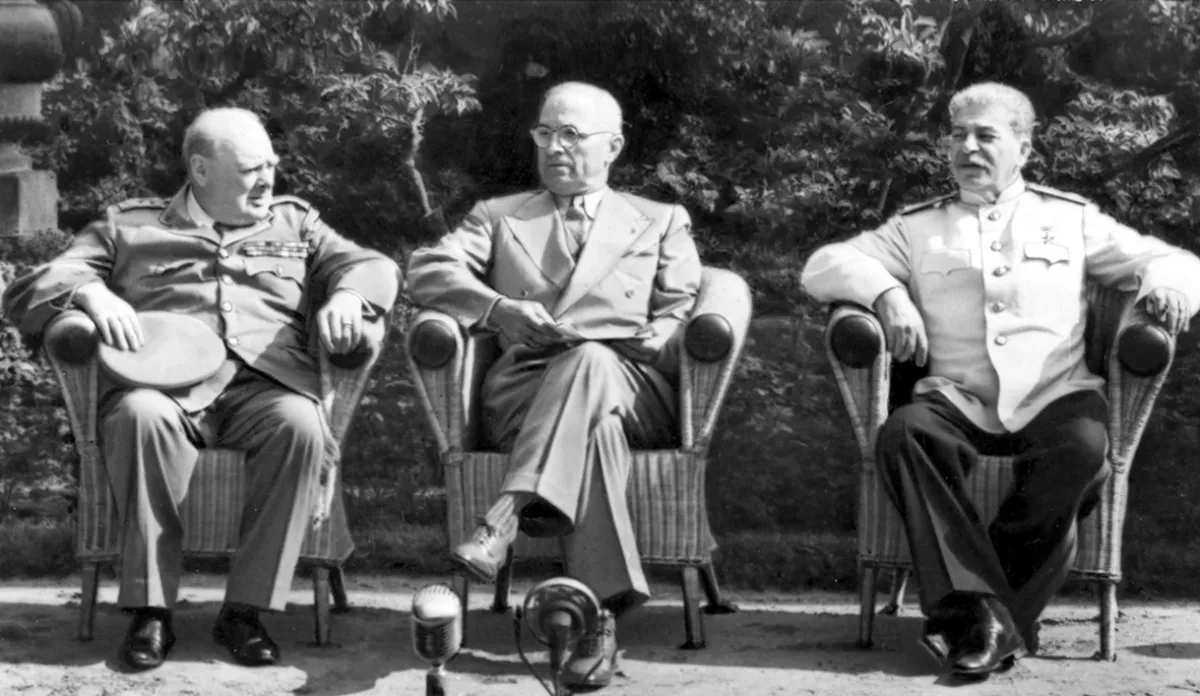
After the defeat in the Second World War, the Allies of the anti-Hitler coalition—the USSR, the United States, the United Kingdom, and France—officially declared the complete demilitarisation of Germany as their objective. All German armed forces, paramilitary formations, and the Nazi Party, along with all its branches, were disbanded; the production of military goods was prohibited, and industrial enterprises that could be used for military purposes were dismantled or destroyed, and so on.
Later, during the emerging Cold War, the Allies’ policy changed. In the early 1950s, demilitarisation gave way to partial remilitarisation: in 1955, armed forces were established in both West Germany (the Bundeswehr) and East Germany (the National People’s Army), which became part of opposing military blocs.
In 2011, in reunified Germany, compulsory military service was abolished; however, from January 2026, the country introduced a new form of military service, “Neuer Wehrdienst”, thereby launching a renewed strengthening of defence capabilities. Against this backdrop, and taking into account historical experience, some media outlets today note that such a trend could entail unpredictable consequences for the European Union itself.
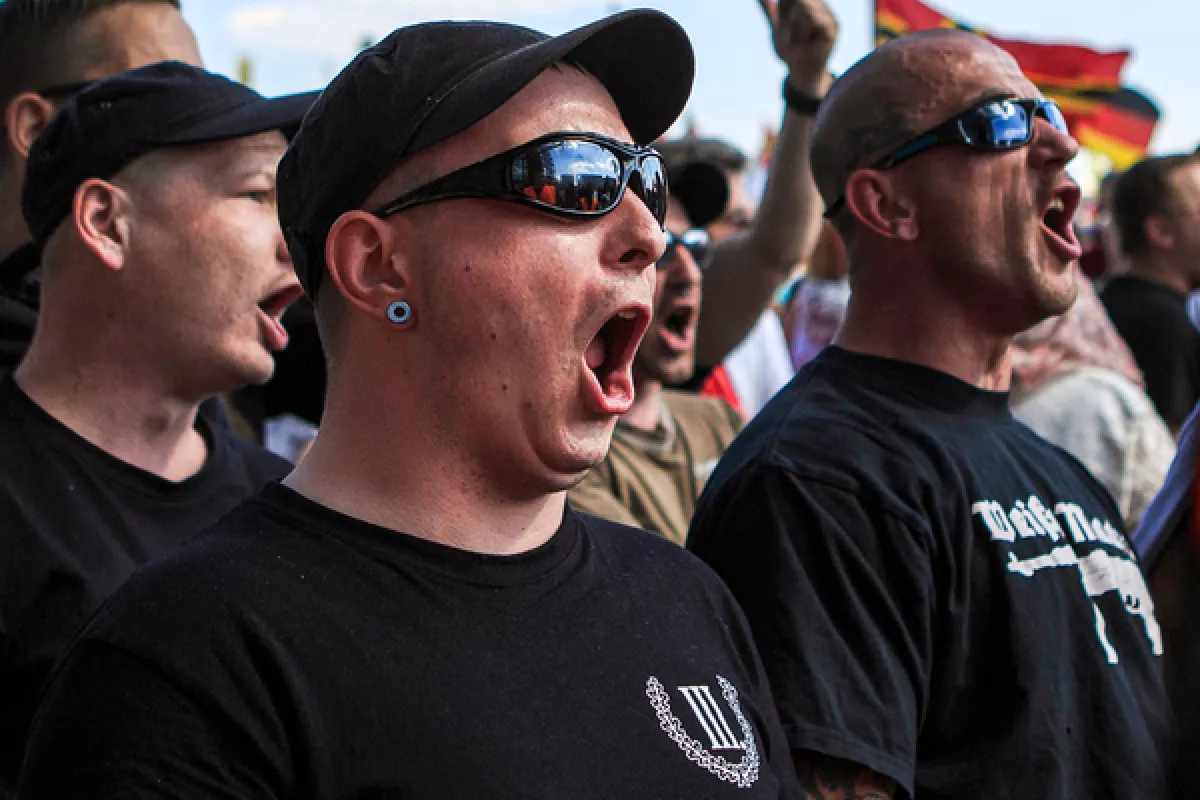
In particular, Foreign Affairs writes that the strengthening of Germany’s military potential could disrupt the fragile balance of power within the EU and lead to a rise in nationalism among neighbouring states, and in the future even within Germany itself. The publication suggests that if, in a “reformed Germany,” radical politicians were to come to power, they might attempt to revise state borders or resort to “military blackmail.”
At the same time, it should be assumed that the issue of militarisation for Germany is linked not only to reducing dependence on the United States in matters of security, but also to other factors, in particular the Russian–Ukrainian war. In light of this conflict, Berlin has reassessed its security approach, acknowledging the possibility of another large-scale war in Europe. Since then, Germany has effectively become a key logistical and military hub within the EU, making a significant contribution to strengthening the Eastern European flank. This is the first point.
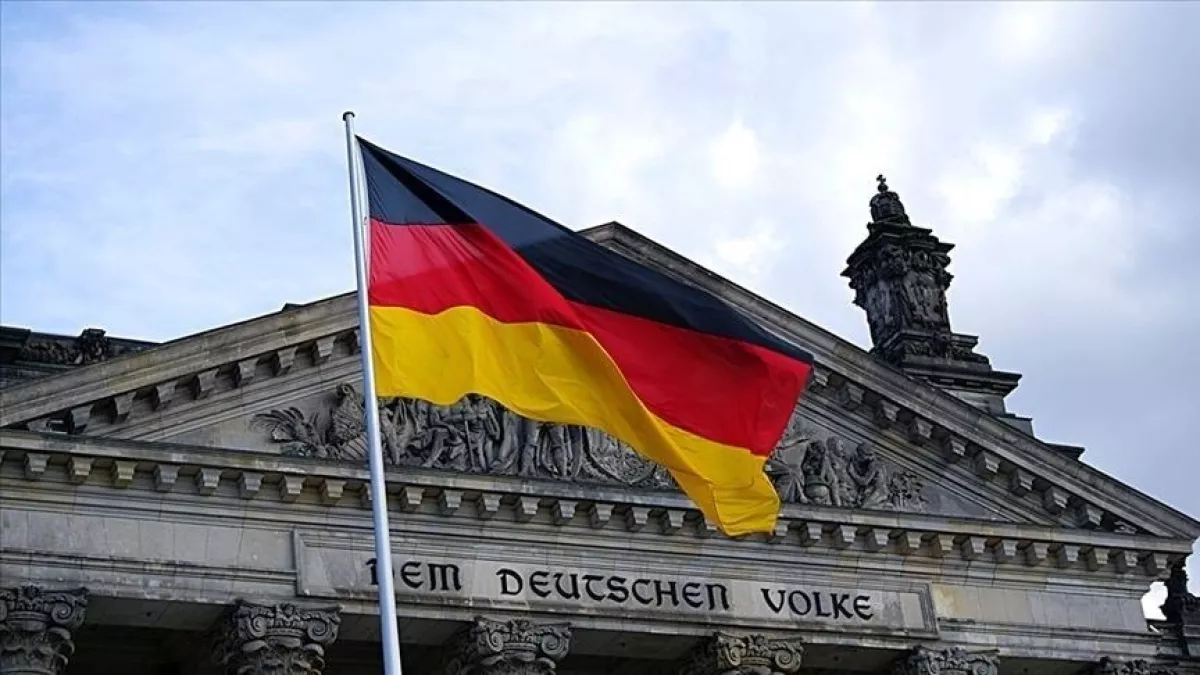
Secondly, another objective of Germany, it should be assumed, is the rebalancing of power within the European Union. It is no coincidence that the Bloomberg news agency has repeatedly noted in its articles that the strengthening of the Bundeswehr and the increase in defence spending under the “Zeitenwende” strategy (“turning point”)—a fundamental shift in the Federal Republic’s foreign and security policy course announced by Chancellor Olaf Scholz in February 2022 following the start of the Russian–Ukrainian war—have raised concerns in France, traditionally regarded as the EU’s “main security guarantor”.
This concern in Paris has been further amplified by suggestions from military experts that Germany’s growing strength could lead to a reassessment of the Fifth Republic’s role as the “military leader” of the European Union.
Whether this projection will materialise in practical terms remains to be seen. However, judging by current developments, Berlin appears firmly determined to become the first military and political violin in Europe—and to play this role solo.







 editor@caliber.az
 +994 55 444-88-98
 Азербайджан, Баку, ул. Низами, 203, Af Business House, 5-й этаж