










UAE, OPEC and the risk of a global price war Analysis by Artem Kirpichenok
The announcement that the UAE is withdrawing from OPEC sent shockwaves through the international community, landing like a political and economic bombshell.
UAE Energy and Infrastructure Minister Suhail Al Mazrouei stated in an interview with Sky News Arabia that Abu Dhabi expects global energy demand to increase in the future, and that leaving the Organisation of the Petroleum Exporting Countries (OPEC) and OPEC+ would allow the country to meet these needs better. At the same time, he emphasised that this step is “a decision that was taken after a long-term strategic and economic vision.”
Notably, the Emirates are far from the first country to leave this organisation, which was founded in September 1960 and reached the peak of its influence during the Cold War. For example, Ecuador left OPEC in 1992, but rejoined the organisation in 2007; Indonesia suspended its membership in 2009 and again in 2016; Gabon exited the structure in 1995, although it returned to the cartel in 2016; Qatar ended its membership in OPEC in 2019, and Angola in 2023. However, despite these facts, there are several factors that make Abu Dhabi’s decision an extraordinary event.
Thus, the Emirates became a member of OPEC even before gaining full state sovereignty and, within the organisation, held the second position after Saudi Arabia in terms of spare production capacity. It is precisely this “honourable second place” that largely explains the economic rationale behind Abu Dhabi’s decision.
Under the organisation’s quotas, member states are required to limit oil production to around 3 million barrels per day, which means that membership in the oil cartel has brought the UAE not profits, but losses. This is especially significant given that in recent years the country has invested substantial funds in expanding its oil production capacity, yet has been unable to utilise it at full scale. The Emirati authorities have repeatedly expressed dissatisfaction with this situation, and in this context, their move was largely predictable.
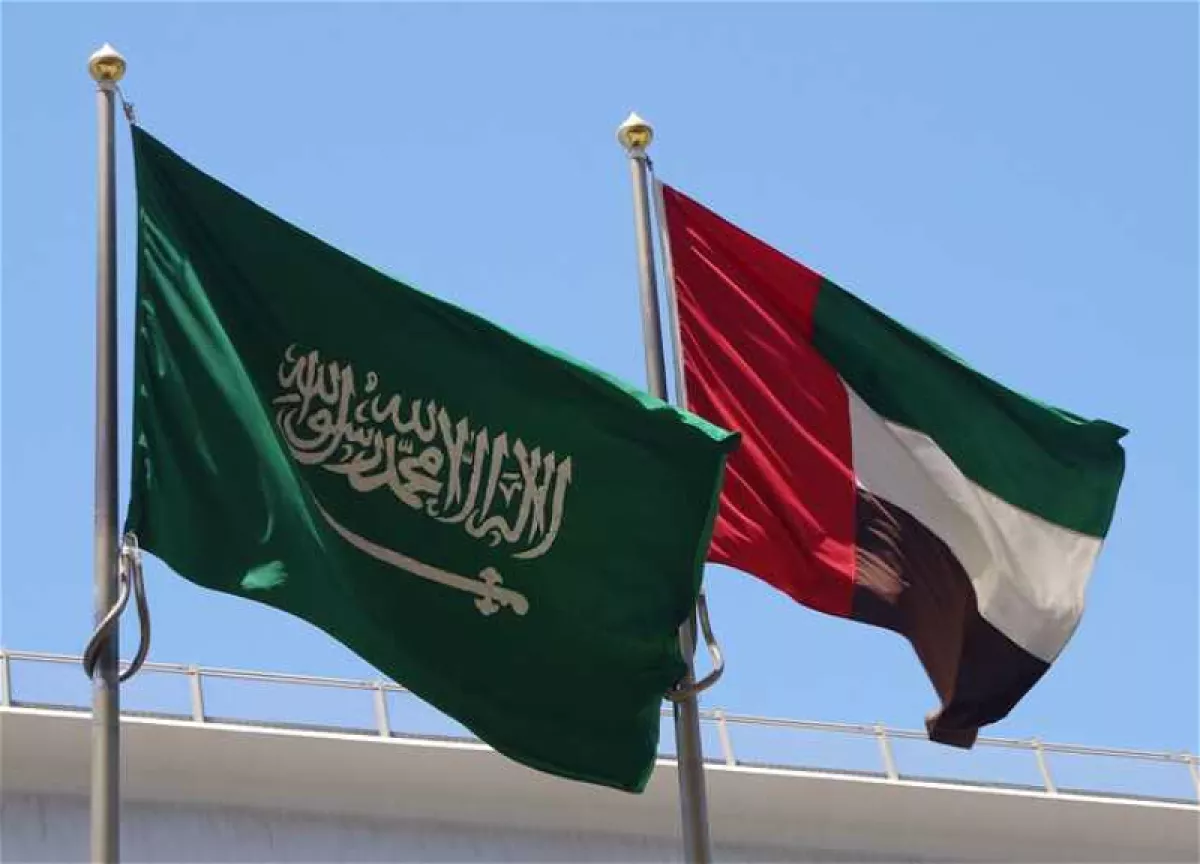
At the same time, the geopolitical context in which Abu Dhabi made this decision must also be taken into account. And here, the focus is primarily on the crisis in relations between the leader of OPEC—Saudi Arabia—and the United Arab Emirates. Back in 2015, these countries were allies, jointly fighting the Houthis in Yemen, but today little remains of that former friendship. The main point of contention, aside from disagreements over policy in Yemen, Sudan, and the Horn of Africa, has become economic issues.
Saudi Arabia urgently requires high oil prices in the range of $80 to $90+ per barrel. In contrast, the UAE’s economy is more diversified, which allows it to pursue a low-price strategy and, at levels of $45–50 per barrel, expand its market share. As a result, Riyadh viewed the Emirates’ decision to leave OPEC as a political revolt and a dangerous precedent, fearing that other countries might follow suit.
In particular, Saudi and Qatari media outlets have already reported that not only the oil cartel itself, but also the structure of the Gulf Cooperation Council (GCC) is being undermined. In their view, Abu Dhabi’s move—described by Kristin Diwan, a specialist at the Arab Gulf States Institute in Washington, as an “Emirati declaration of independence”—reflects a deep crisis within the GCC and directly challenges Riyadh’s leadership.
The Saudis believe that the Emirates have taken the most dangerous step in the history of bilateral relations, and that its geopolitical consequences will be disproportionate: the outcome of this confrontation could be not only a price war, but also an escalation of rivalry between the two countries in Somaliland and Sudan, where they have long supported opposing local factions.
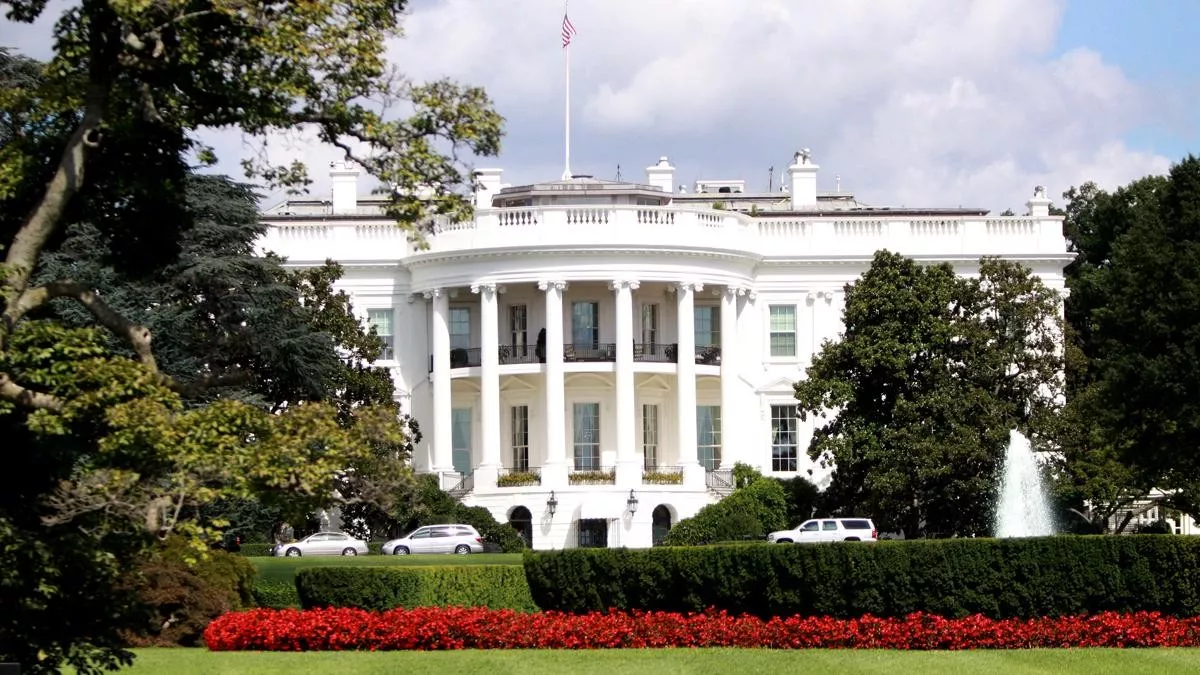
Meanwhile, Western media have described the development as a victory for Washington, with Bloomberg even framing it as a personal success for Donald Trump. In general, the U.S. administration has long viewed OPEC as a factor negatively affecting the American economy, and today the White House appears to have gained a tool that could help lower global energy prices. In addition, there is growing speculation that the Emirates received access to Federal Reserve swap lines in exchange for leaving the cartel, ensuring access to dollar liquidity in times of crisis. In this way, Abu Dhabi has obtained additional guarantees of financial security.
Furthermore, the UAE has signed several multi-billion-dollar deals with Washington, which indirectly impacts Tehran: Emirati oil is expected to replace Iranian supplies on the global market and mitigate the consequences of a potential blockade of the Strait of Hormuz. These steps also go hand in hand with the strengthening of military cooperation with the United States. Despite the fact that the U.S. failed to protect its Gulf allies from Iranian attacks, the Emirates still see no viable alternative to the American security umbrella.
Another likely political beneficiary of the UAE’s exit from OPEC is Israel. The events of recent wars have led Abu Dhabi to become disillusioned with both the Arab League and the GCC. As a result, it now seeks allies outside the Arab world and, in this context, supports the policy of Israeli Prime Minister Benjamin Netanyahu aimed at the fragmentation of Middle Eastern states. The UAE also shows a tendency toward integration into Israeli-led political blocs, including the “Iron Alliance” between Israel and India, as well as the broader “Axis of Nations” (“Hexagon”), a coalition intended to counter Iran’s “Axis of Resistance.”
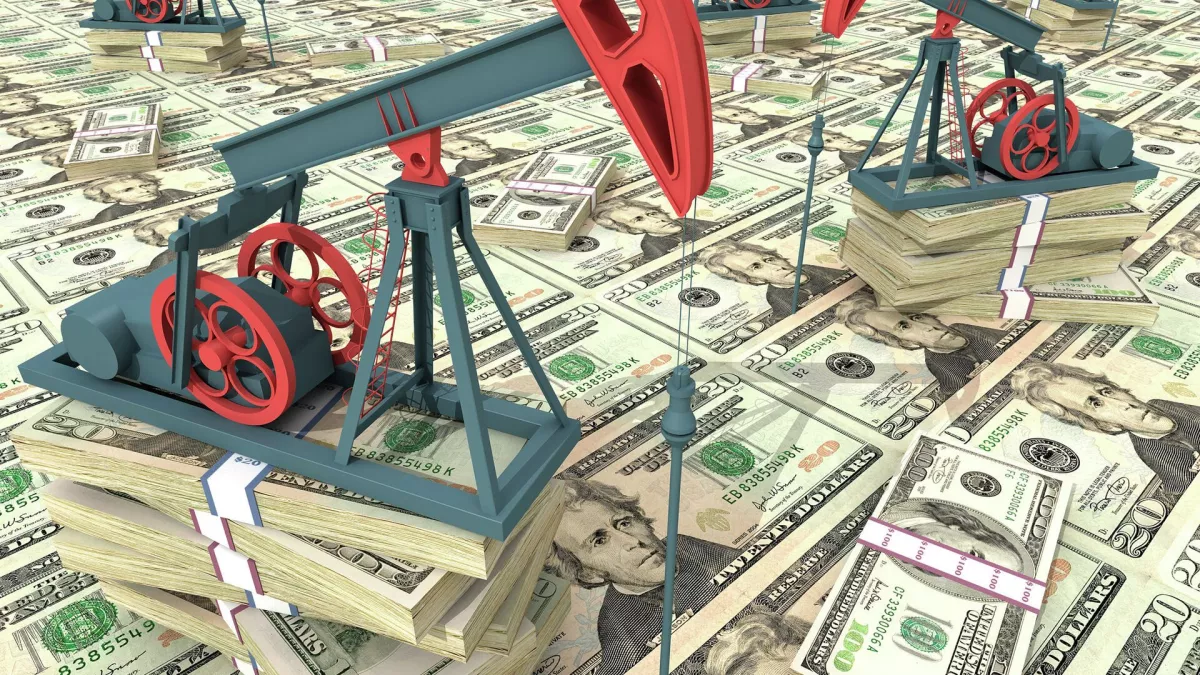
Overall, the UAE’s decision is likely to have serious long-term consequences for the global economy. Since its creation, OPEC has functioned as a global regulator preventing sharp fluctuations in oil prices, and the exit of such an important member state as the UAE undermines this control mechanism. If Abu Dhabi proceeds to increase oil exports, it could lead to market oversupply and a subsequent drop in oil prices, potentially to levels at which oil production becomes unprofitable for many countries and regions, triggering a wave of bankruptcies.
However, such a scenario does not belong to the near-term future: the Strait of Hormuz remains blocked, and the UAE’s new infrastructure cannot be activated overnight. Yet once it begins to function, the world may face significant upheavals. Competition for markets will intensify, and participants will engage in aggressive price undercutting, pushing out higher-cost producers. OPEC could ultimately disintegrate, limiting the role of collective decision-making in the global economy, while the market increasingly descends into a “jungle” of uncontrolled competition.
This could be followed by an investment drought, as major investors, faced with price instability and unpredictability, would become reluctant to invest in oil production. As a result, the world of the oil economy would no longer be the same and is unlikely to become more stable in the coming years.







 editor@caliber.az
 +994 55 444-88-98
 Азербайджан, Баку, ул. Низами, 203, Af Business House, 5-й этаж