










Azerbaijan 2030: Shaping a business-oriented economy Overview by Khazar Akhundov
The intensifying geopolitical confrontation, tariff wars, and the clustering of the global economy are having a highly negative impact on the development dynamics of many countries around the world. In order to overcome these challenges, Azerbaijan is implementing reforms aimed at reducing dependence on raw materials through the development of new industrialisation and the digitalisation of the non-oil economy, the expansion of transit logistics, green energy, and other sectors.
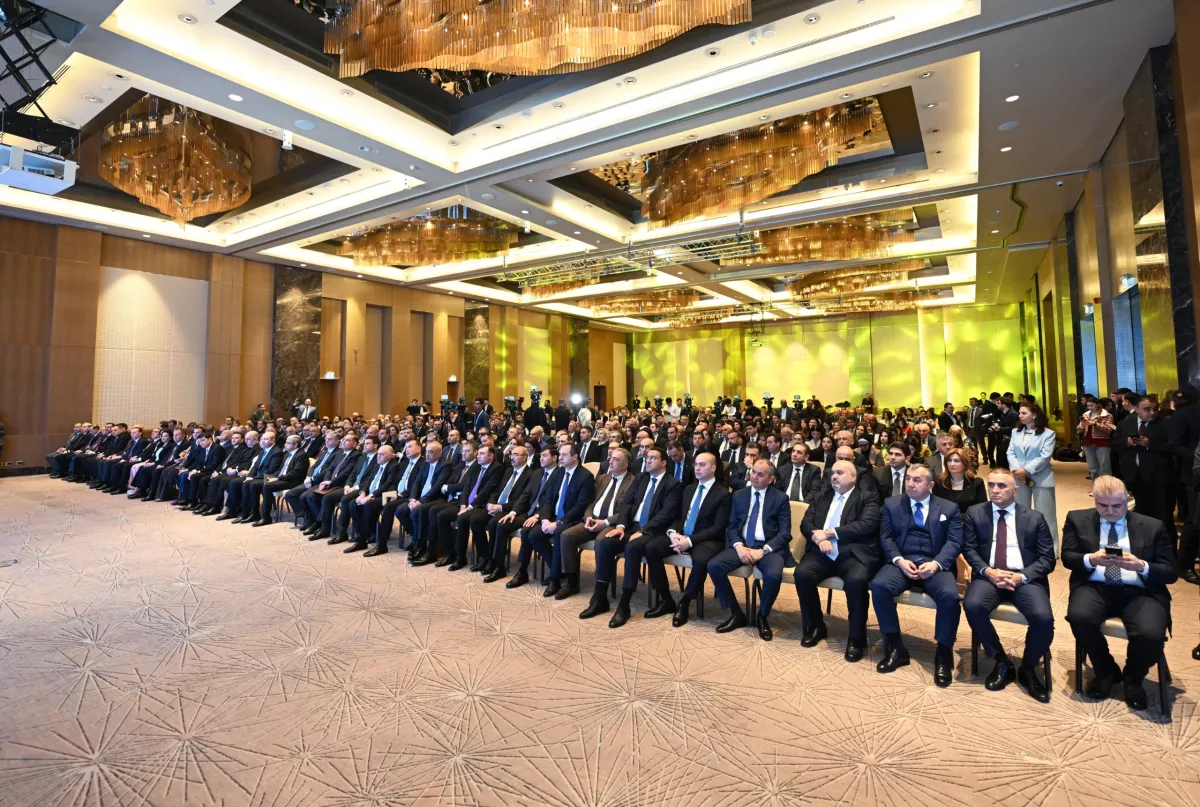
A common foundation for all these initiatives is a strong reliance on private entrepreneurs and investors, whose activities, supported by the state, will serve as the driving force behind reforms in the non-oil sector of the economy. Achievements in this area were recently discussed in Baku at the forum dedicated to Entrepreneurs’ Day, titled “Entrepreneurship Development Means a Strong Economy.”
The reforms implemented in Azerbaijan in recent years are largely associated with a shift in the country’s economic development trajectory: the still-dominant raw materials and extractive sector in exports is expected to gradually give way to export-oriented non-oil industries.
This objective is reflected in the long-term document developed in early 2021, “Azerbaijan 2030: National Priorities for Socio-Economic Development.” The same goal is also outlined in the government’s draft new “Strategy for the Socio-Economic Development of Azerbaijan for 2027–2030,” which is aimed at ensuring healthy, balanced, and externally resilient economic growth in the country.
To this end, over the past decade, a favourable environment for business entities has been steadily formed in the country. Transparency in customs has been strengthened, “grey schemes” in trade and the shadow turnover in production have been curbed, transparent taxation is being encouraged, and the business climate is improving. Employment policies and labour legislation are being transformed, while public–private partnerships are being expanded.
This includes the introduction of financial and export incentives for local businesses, as well as subsidies for farmers, alongside fiscal incentives designed to attract foreign investors to various industrial and agricultural clusters and special economic zones.
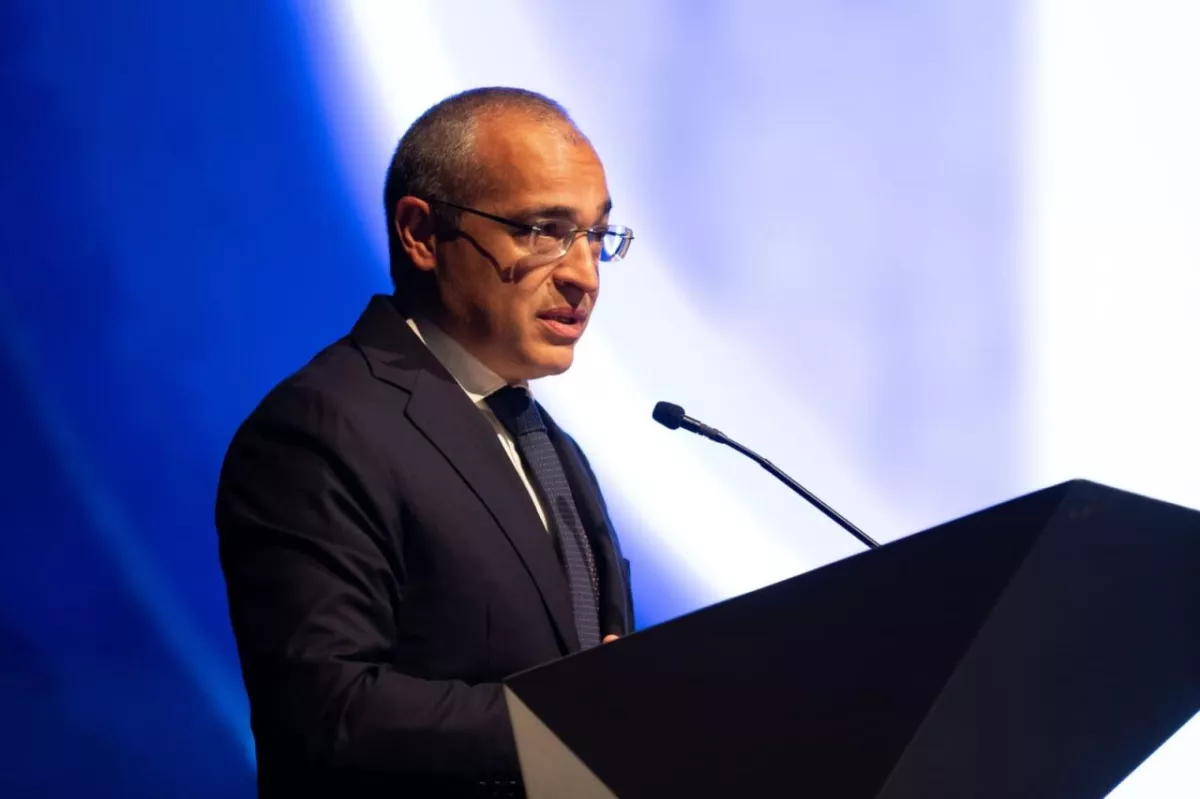
“At present, a new model of economic development is being implemented in our country. The share of the private sector in GDP continues to grow, and today the main priority is seen in expanding export markets for entrepreneurs. The key challenge facing the private sector today is the need to enhance competitiveness,” said Azerbaijani Economy Minister Mikayil Jabbarov at the forum dedicated to Entrepreneurs’ Day.
The Minister of Economy also emphasised that state support for the private sector will be further expanded. These support instruments include special industrial zones, tax and other payment incentives in the territories liberated from occupation, preferential arrangements for social contributions, mechanisms covering utility-related expenses, as well as interest rate subsidies on loans.
“These instruments have already proven their attractiveness and will continue to be developed: on a proactive basis, the state is pre-emptively creating conditions for the application of tax incentives and special tax regimes,” the minister said, noting that new mechanisms are being introduced to cover transport and logistics costs and support other export-related expenditures.
According to him, two of the three main components in the trade and export sphere — connectivity and the trade regime — have already been addressed.
However, it is currently crucial to strengthen measures in taking into account the needs of businesses seeking access to foreign markets, to expand the number of participants in foreign trade operations, and to address the issue of persistently high customs duties and tariffs.
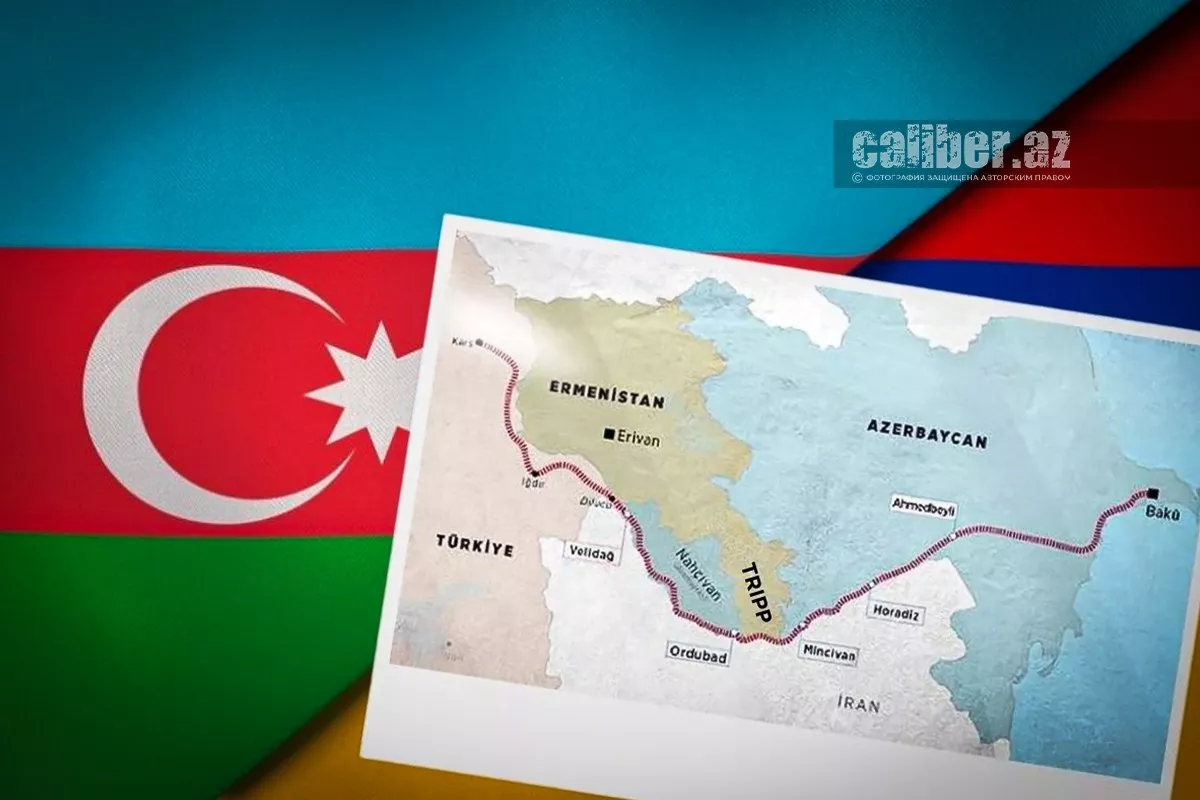
Equally important are efforts to broaden the trade and logistics capabilities of domestic businesses, where the opening of the Zangezur Corridor is expected to play a significant role. In particular, the opportunities provided by this corridor are set to enhance the potential for business initiatives in the Nakhchivan Autonomous Republic (NAR), whose role in the country’s economy is expected to grow steadily in the coming years.
The results of the past decade show that state support for entrepreneurship, particularly for small and medium-sized enterprises (SMEs), has produced tangible outcomes, including dynamic growth in the number of market participants.
Thus, a participant of the forum, President of the National Confederation of Entrepreneurs (Employers) Organizations of Azerbaijan Mammad Musayev, recalled that while at the beginning of 2015 there were 677,000 business entities in Azerbaijan, by the end of 2025 this figure had exceeded 1.68 million, increasing almost 2.5 times over 10 years.
Equally important is that today the private sector accounts for 76% of taxes paid to the state budget in the non-oil sector. “At the same time, we are already observing an expanded, digitalised and more inclusive model of entrepreneurship: electronic registration, online services and digital platforms have become an integral part of the business environment, and this creates significant advantages for entrepreneurs both in terms of time and resources,” the head of the Confederation emphasised.
Notably, measures supporting entrepreneurship in Azerbaijan have been successfully aligned with efforts to modernise the labour market, improve the protection of hired workers, and reduce the tax burden.
In particular, income tax incentives for employees in the non-oil and non-state sectors have proven effective over the past seven years. In these sectors, the number of hired workers has exceeded 1 million people, the level of formal employment has significantly increased, and the issue of integrating working citizens into the pension system has been largely resolved.
Additional indicators also point to positive labour market dynamics. Thus, by the end of 2025, the number of employment contracts concluded between employees and employers had reached nearly 1.9 million, with around 54.2% of all employment contracts accounted for by the private non-oil sector.
“By 2030, self-employment for an additional 30,000 unemployed individuals will be ensured in Azerbaijan, and in order to help the unemployed acquire new professions and skills across 175 fields, more than 59,000 people have been involved in vocational training. In addition, 1,612 professional and qualification standards have been developed to enhance human capital,” said Minister of Labour and Social Protection of the Population Anar Aliyev, who participated in the forum.
According to him, significant amendments have been made to labour legislation in recent years, with more than 150 articles of the Labour Code revised. One of the key achievements is that today 97% of employment contracts are concluded in electronic form.
The modernisation of labour legislation and administration is continuing, including new initiatives aimed at ensuring equal pay for equal work, strengthening mechanisms for the protection of children’s labour rights, and introducing an hourly wage system.

It is worth highlighting a promising mechanism — hourly wage payment — the draft of which has already been submitted to the government and is currently under discussion. This practice has been successfully applied in various countries around the world for many decades, and its main advantage lies in providing a fairer assessment of an employee’s work.
“In many countries, there are both monthly minimum wage systems and hourly pay schemes. In Azerbaijan, at the initial stage, it is planned to introduce hourly employment contracts for individuals working on a part-time basis, as well as those employed under one-month labour contracts,” said Head of the State Labour Inspection Service Vali Guliyev in January this year.
Among other things, hourly wage payment would ensure more transparent and flexible conditions, particularly for freelancers, temporary employees, and part-time workers, especially in sectors such as retail, catering, and services.
An employee would be able to receive wages from multiple sources by simultaneously concluding employment contracts with several employers for different time periods. In addition, if an employee is engaged in work outside regular hours or works on Sundays and public holidays, the process of calculating additional payments for overtime work would become simpler and more transparent.
Ultimately, this mechanism could indirectly contribute to higher wages for workers. Not to mention the flexibility of working hours: employees would be able to agree with companies on reducing working time or, conversely, receive higher pay if they are willing to work additional hours beyond the standard norm.







 editor@caliber.az
 +994 55 444-88-98
 Азербайджан, Баку, ул. Низами, 203, Af Business House, 5-й этаж