










The Grapes of Wrath: EU reaps the fallout of its dispute with Trump Analysis by Serhey Bohdan
The informal summit of European Union countries held last week demonstrated that Brussels has nothing to offer even on the threshold of war. While calling for the “restructuring” of the EU, discipline, and militarisation, Euro-liberal leaders are falling out with key allies — at times with Trump, at others with Erdoğan — while all military issues are increasingly being addressed by European states outside both NATO and the EU framework. Poland, Germany, and France are already forming their own military coalitions, expanding their armed forces, and deploying nuclear weapons. As a result, this could lead not only to war with Russia, but also to the revival of rivalry between European countries.
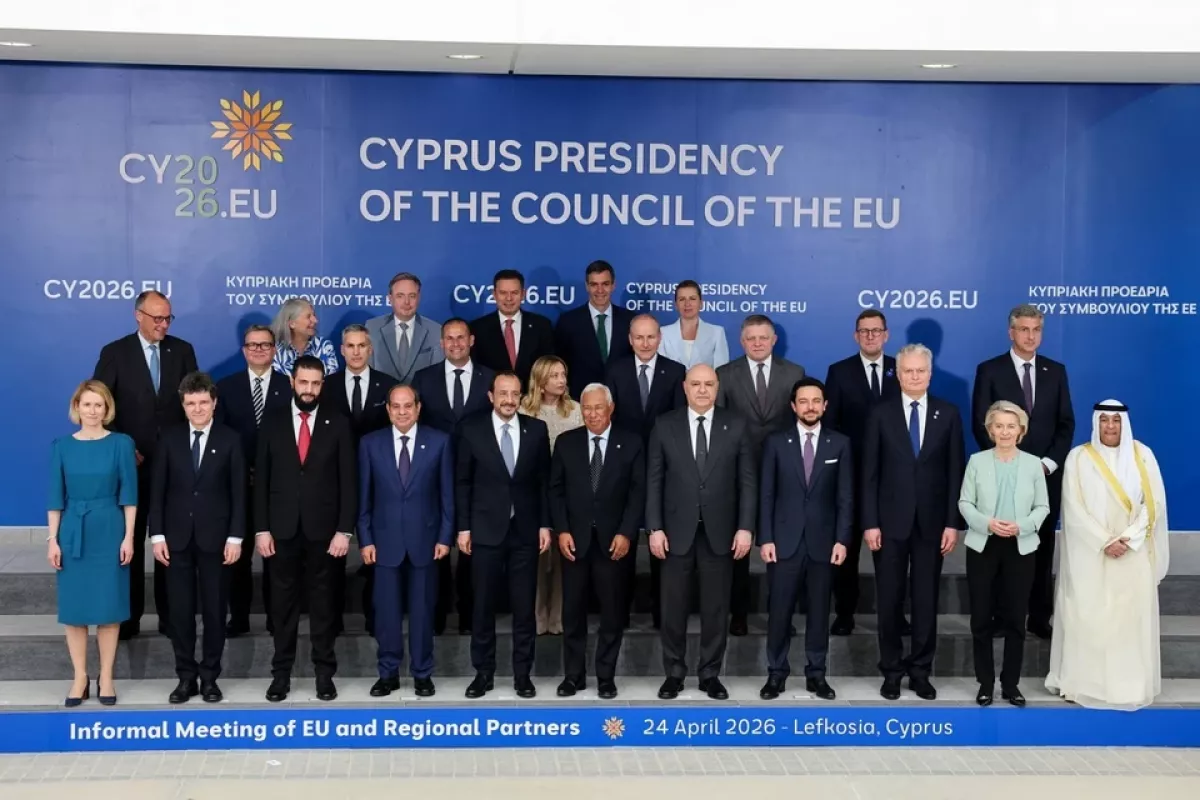
EU leadership reshapes power in a Gorbachev-style “perestroika”
A spirit of “perestroika” has begun to emerge in the European Union. Recently, European Commission President Ursula von der Leyen spoke candidly at an event in Hamburg. She called for a restructuring of the entire EU system: “If we look at the EU’s business model, our competitiveness has so far been based on cheap energy from Russia, cheap labour from China, and cheap defence provided by the United States. That is no longer the case. We need to completely restructure. We must ensure our own security on our continent. We must become more independent.”
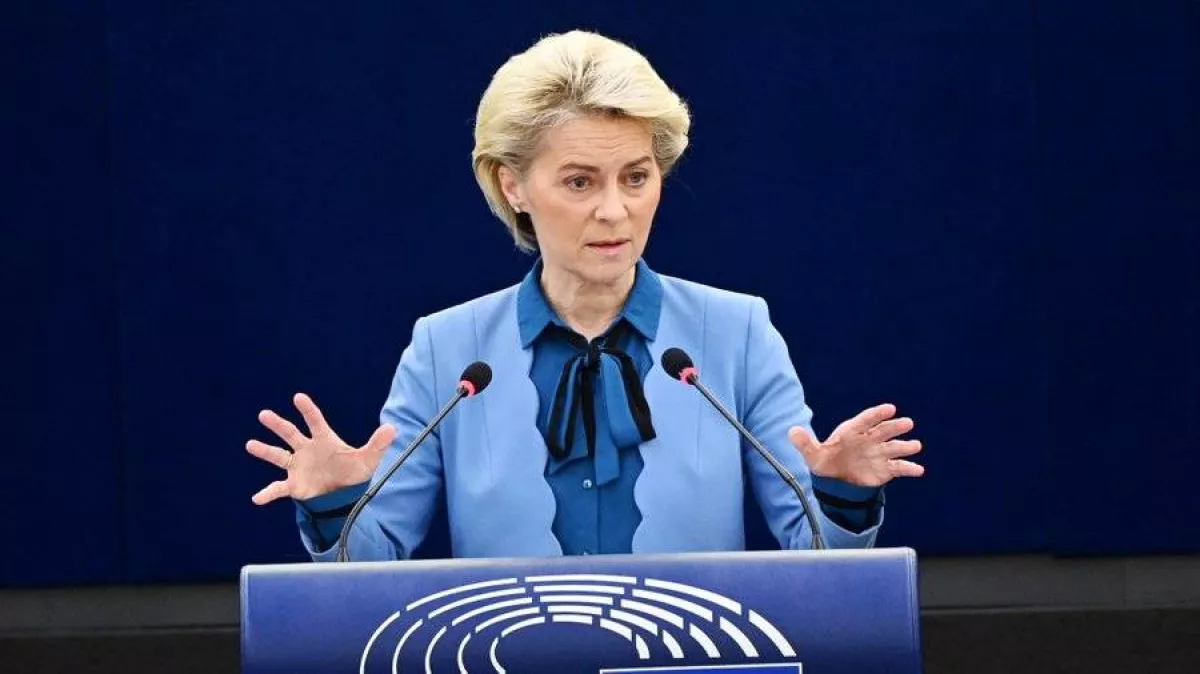
At first glance, these appear to be logical words. However, other statements by von der Leyen indicate that this is not about a strategic vision of the future. Rather, it is about a struggle for power combined with ideological dogmatism, which guarantees new problems for the EU. In particular, she demanded abandoning the principle of unanimous decision-making at the EU level.
This proposal, which is destructive for nation-states, was phrased in a somewhat subtle way: “Not in the European Council, but in the Council of Foreign Ministers, we must move to majority decision-making.” However, the main current issues are precisely worked out by foreign ministers, and they do so based on drafts prepared by the European Commission. In other words, behind such a reorganisation one can discern primarily the ambitions of Ursula herself and her team to strengthen and expand their own power.
These ambitions are also linked to the next proposal by the President of the European Commission — further enlargement of the Union and the creation of a “strong European identity” on a global level. Considering that a number of countries with, to put it mildly, questionable indicators in all areas — from the economy to demographics — such as Armenia, as well as war-torn Ukraine, are standing at the EU’s doorstep, this appears to be a political game by the Brussels elite aimed at shifting the balance of power in its favour through the admission of new states. A tone of century-old ideological dogmatism is present in von der Leyen’s grand words in Hamburg: “We must bring [into the EU] the entire European continent in order to prevent the influence of Russia, Türkiye, or China over it. We must think more broadly and geopolitically.”
The subtext of these remarks is straightforward — the aim is to consolidate the power of the current EU leadership and the elites aligned with it. Within the existing structures and rules, their grip on power is weakening. As a result, clinging to their positions, Euro-liberal leaders are attempting to reshape the European Union itself and draw in new forces in the hope of gaining reliable allies. This mirrors the approach once taken by Mikhail Gorbachev and his team, who came to power somewhat unexpectedly and, in an effort to retain it, launched “perestroika,” dismantling established rules and undermining disobedient leaders of union republics and even central institutions through populist manoeuvring both domestically and internationally.
However, these manoeuvres within the EU are heavily intertwined with ideological dogmatism. This is evident both in the ambitions to “gather European lands” on a continental scale and in the declared list of Europe’s “adversaries.” Against the backdrop of the genuinely difficult position faced by Euro-liberal leaders — both in Brussels and across many European countries — their desire to expand the list of “enemies” is striking. They are being challenged domestically by emerging opposition movements, while internationally, the EU has already entered into a confrontation with a key ally. Nevertheless, von der Leyen targets Recep Tayyip Erdoğan’s Türkiye, placing it on the same level as Russia and China. Some media outlets have linked this to concerns among Brussels officials over the growing interest of Balkan countries in strengthening ties with their dynamically developing Turkish neighbour. Yet this only partially explains the situation.
Who is afraid of Türkiye?
To understand this more clearly, one needs to examine the underlying fundamentals. It becomes evident that Ursula, as a representative of the German Christian Democrats, is echoing an old stance — one that is arguably rooted in exclusionary thinking — that “Türkiye has no place in Europe.” Why do we say that von der Leyen’s attitude towards Türkiye is tied to party dogma?
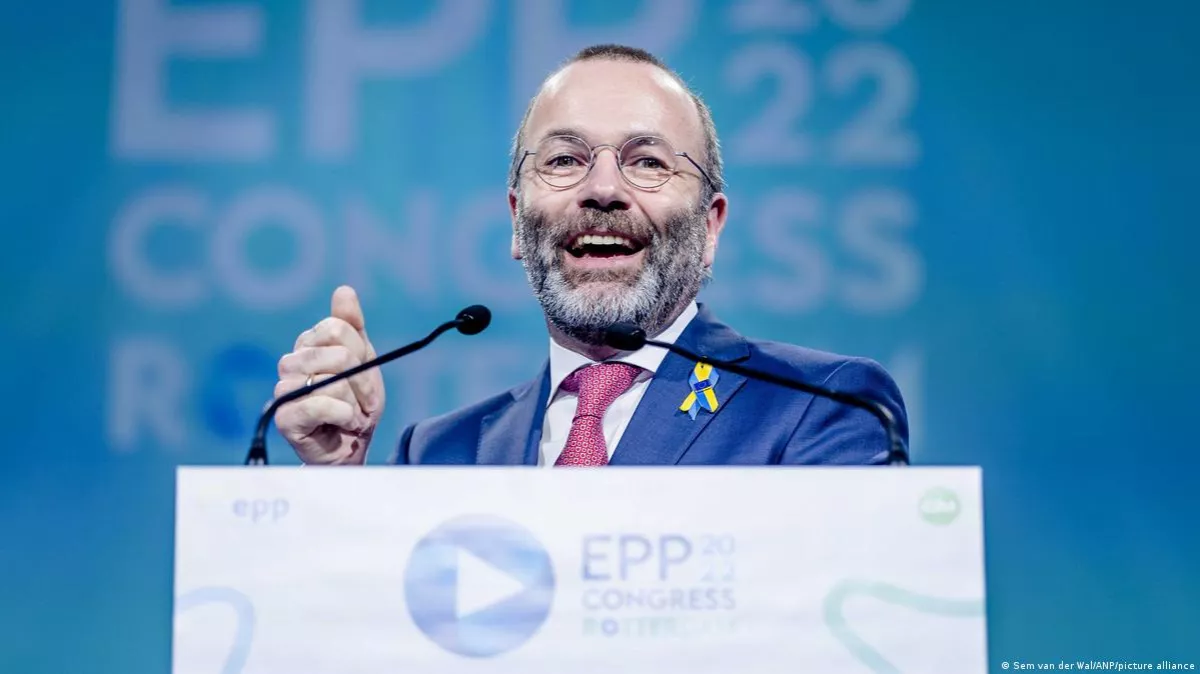
That is because the same views are openly expressed by Ursula’s party colleague, Manfred Weber, the head of the so-called European People’s Party group in the European Parliament. This is a key figure: the leader of the largest faction plays a decisive role in securing the appointment of the President of the European Commission and in backing her political line. At one point, Weber even sought the post himself and, as part of his campaign, travelled not just anywhere but to Greece, where he declared: “Türkiye will never become a member of the European Union.”
After such a display of ideological orthodoxy, this figure — then little known beyond the corridors of EU bureaucracy — did not become head of the EU’s executive branch, but instead secured another influential position. As we can see, a xenophobic — if not outright racist — mindset remains one of the ideological pillars of the pseudo-liberal establishment.
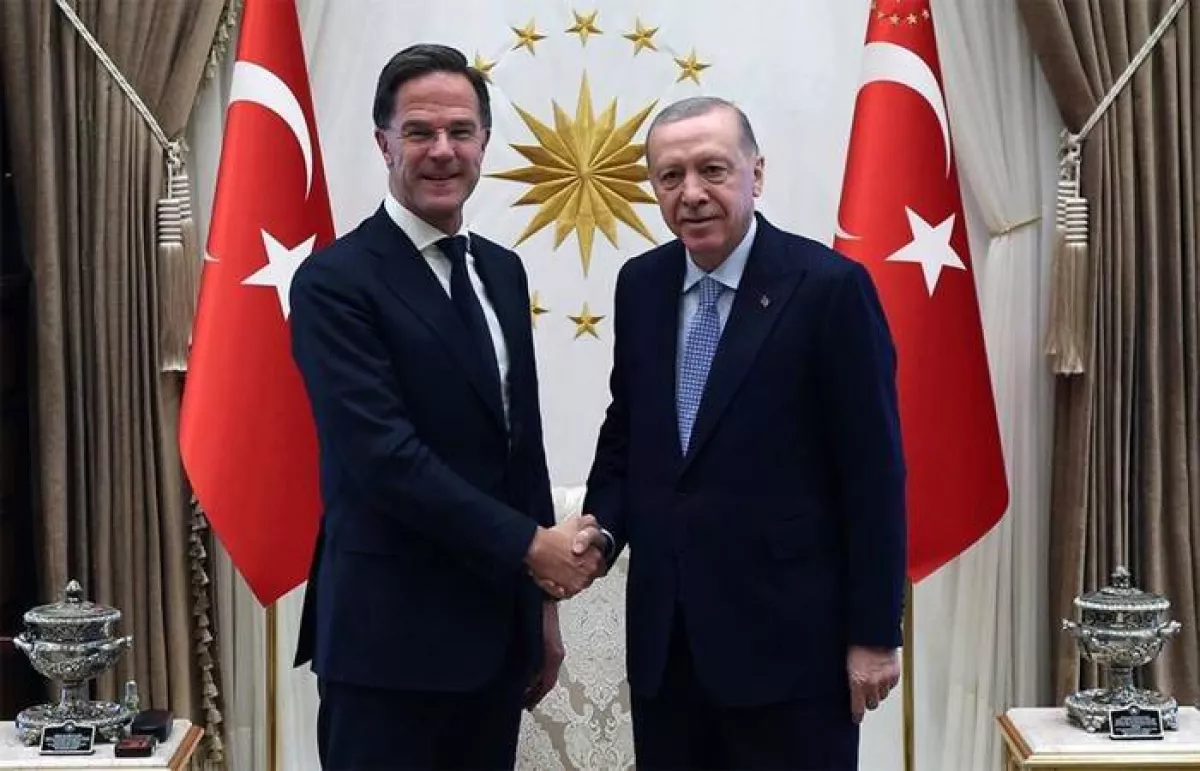
The latest outburst from the EU’s top leadership is particularly notable against the backdrop of the visit by NATO Secretary General Mark Rutte to Ankara shortly thereafter. On April 21-22, he sought to secure the support of Recep Tayyip Erdoğan in helping reconcile European leaders with U.S. President Donald Trump at the North Atlantic Alliance summit in Ankara on July 7–8. Indeed, unlike Euro-liberal leaders — whom Trump holds in little regard — Erdoğan enjoys a level of respect in the White House. The American president has consistently described the Turkish leader as a “close and respected friend.”
In other words, the irrationality of anti-Turkish sentiment becomes especially evident given Europe’s acute need for assistance, even from Erdoğan personally, on a key issue. Yet this is only the tip of the iceberg. Such bias extends into more fundamental areas, as illustrated by another example. After reviewing the work of Turkish aviation and missile companies, Rutte stated that he had witnessed a “revolution in the defence industry,” adding that NATO “has much to learn.”
However, Türkiye— a NATO member — is excluded from participation in EU defence projects, particularly the flagship SAFE (Security Action for Europe) programme promoted by von der Leyen. This contradiction — the EU’s professed concern for security on the brink of war, combined with the sidelining of one of the few capable partners in military modernisation — prompted a measured response from the Turkish leader. According to Erdoğan, “excluding non-EU NATO allies from defence initiatives does not serve the common goal. We expect greater responsibility from the European pillar [of NATO] and the removal of these barriers.”
Yet Brussels lacks both the political will and a coherent strategic vision in the military sphere. European leaders are hesitant either to remain fully committed to NATO or to leave it and build new structures of their own. Under such conditions, meaningful cooperation with Türkiye appears even less likely.
EU undermined Trump’s calls to preserve Western hegemony
From the very outset of its confrontation with Russia, the EU’s military assertiveness rested on the assumption that the United States would, if necessary, resolve — by military means — the political crisis that the European Union itself had helped create, or at the very least shield its European partners.
Over the past decade, this approach has increasingly frustrated the White House. Already during his first presidential term, Donald Trump made it clear that the strategic priority should shift toward confronting China as the principal global rival of the “collective West.” This implied the need to wind down the conflict in Eastern Europe with Russia. However, within the European Union — led by figures who are ideological opposites of Trump — such a policy met with resistance. This was all the more so as Euro-liberal elites had, by that point, made significant political and economic investments in the confrontation with Russia, driven by both material interests and expanding geopolitical ambitions.
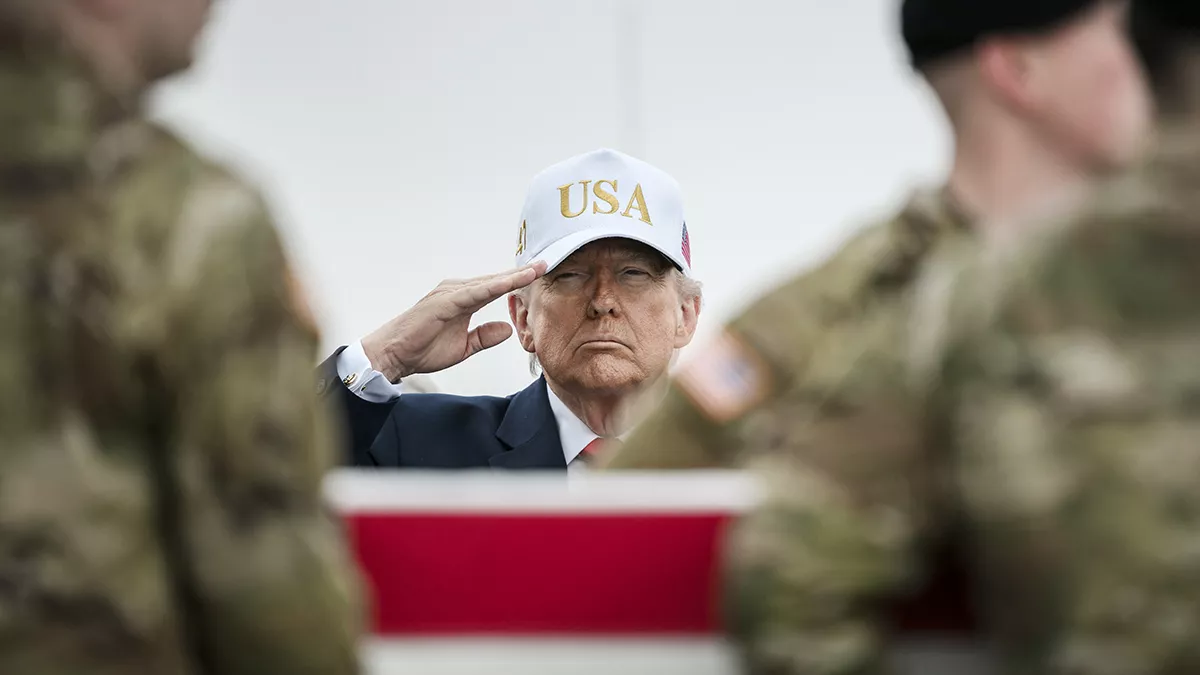
In other words, the Euro-liberal establishment has derailed Trump’s plans to preserve the global dominance of the West. The American leader has framed his dissatisfaction with the short-sighted and self-serving actions of European partners in the more prosaic language of financial criticism of the transatlantic partnership. However, this should not be taken at face value: at last year’s summit in The Hague, a decision was made to increase defence spending to 5% of GDP by 2035, and in 2024, NATO countries already accounted for 55% of global military expenditure — $1.506 trillion.
In other words, the money is already flowing in abundance, with NATO countries largely funnelling these funds into the American defence industry. Yet Trump remains dissatisfied, because the issue from the outset was not merely — or even primarily — about money, but about priorities and the strategic short-sightedness of the Euro-liberal establishment, which is paving the way for the decline of the collective West.
It is precisely for this reason that Trump is now raising the possibility of a U.S. withdrawal from NATO. In his view, the alliance — having admitted numerous countries with minimal or even negative military potential — has itself become a burden, hindering Washington’s ability to build more efficient coalitions and partnerships.
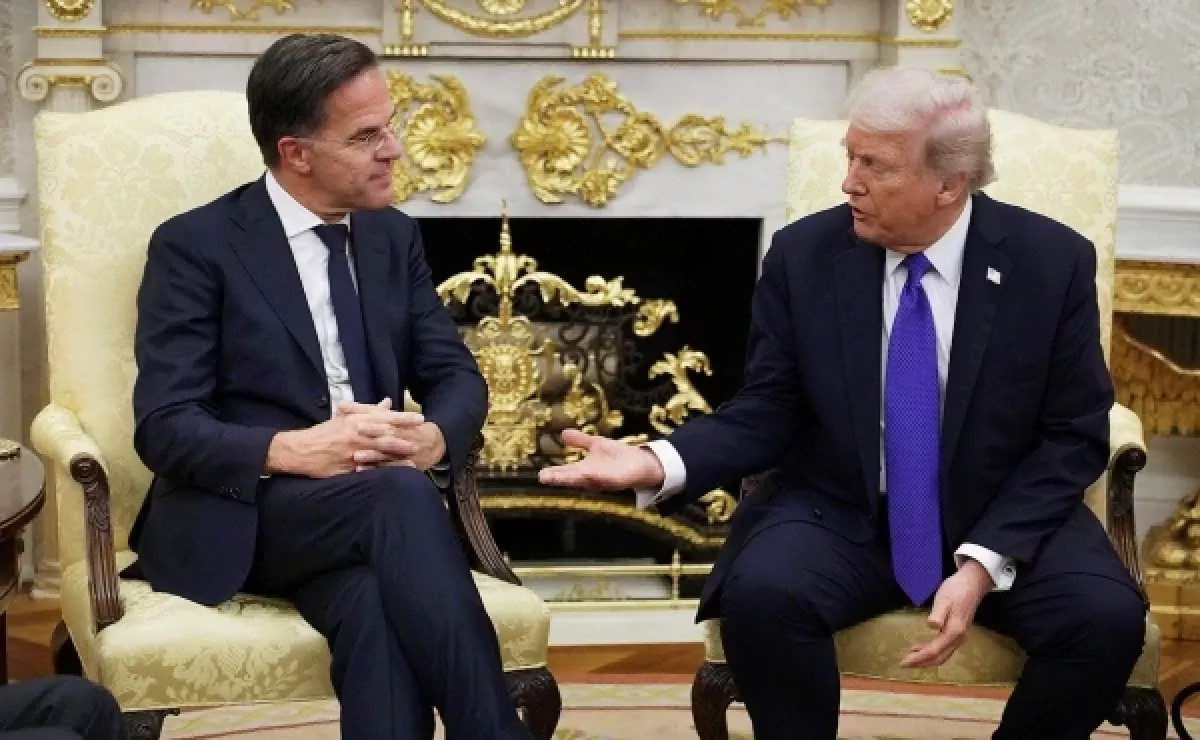
Because of this, tensions between the United States and its European NATO allies have proven difficult to ease. A recent meeting between the NATO Secretary General and the U.S. President, as some media outlets reported, “turned into a stream of insults” from Donald Trump, who allegedly referred to NATO as a “paper tiger.” In reality, there were indeed reasons for such harsh characterisations — and if earlier Europeans were seen as sabotaging plans to pivot toward confrontation with China as the global giant, more recently they have not even dared to go to war alongside the United States and Israel against Iran. For this reason, the U.S. President is serious when he speaks about a possible withdrawal from NATO.
Every man for himself
Almost all European military initiatives, when examined closely, turn out not to be strategic undertakings but reactive measures driven by American actions. At the recent informal EU summit, discussions reportedly included preparations for the first simulation of the activation of Article 42(7) of the Treaty on European Union, which concerns collective defence. Prior to the NATO crisis, EU members barely even referred to it.
According to Bloomberg, EU war-entry simulation exercises are expected to be carried out as early as May. The focus is said to be on testing communication systems and decision-making procedures. However, this initiative appears highly questionable, since the EU fundamentally lacks coordinated mechanisms for conducting military operations. It should be recalled that the Union was originally designed as a framework for pragmatic economic integration, to which Euro-liberal elites later added an ideological superstructure that gradually accumulated geopolitical embellishments. At its core, however, the bloc still does not possess independent military-political instruments.
While von der Leyen and her team speak about building such capabilities, what is currently visible is more a drive to allocate opaque defence budgets than to formulate coherent strategic plans. In this context, the ongoing “simulations” appear to be little more than a performance aimed at Donald Trump — a message that “we can do it ourselves.”
The theatrical nature of these exercises is understood even within the EU itself, which is why member states are simultaneously seeking alternative solutions in the event of conflict by building parallel alliances and arrangements. As The Wall Street Journal recently reported, within NATO, the United Kingdom, Canada, and major EU countries are discussing a so-called “European NATO.” This would imply NATO without the United States — either de facto or de jure — where European members would assume all core functions.
At the same time, several European countries that previously accepted U.S. leadership in military affairs are now aspiring to take on that role themselves, a development that risks reviving intra-European rivalry. Among them are Poland, Germany, and France — states with historical traditions not only of wars with Russia, but also with each other.
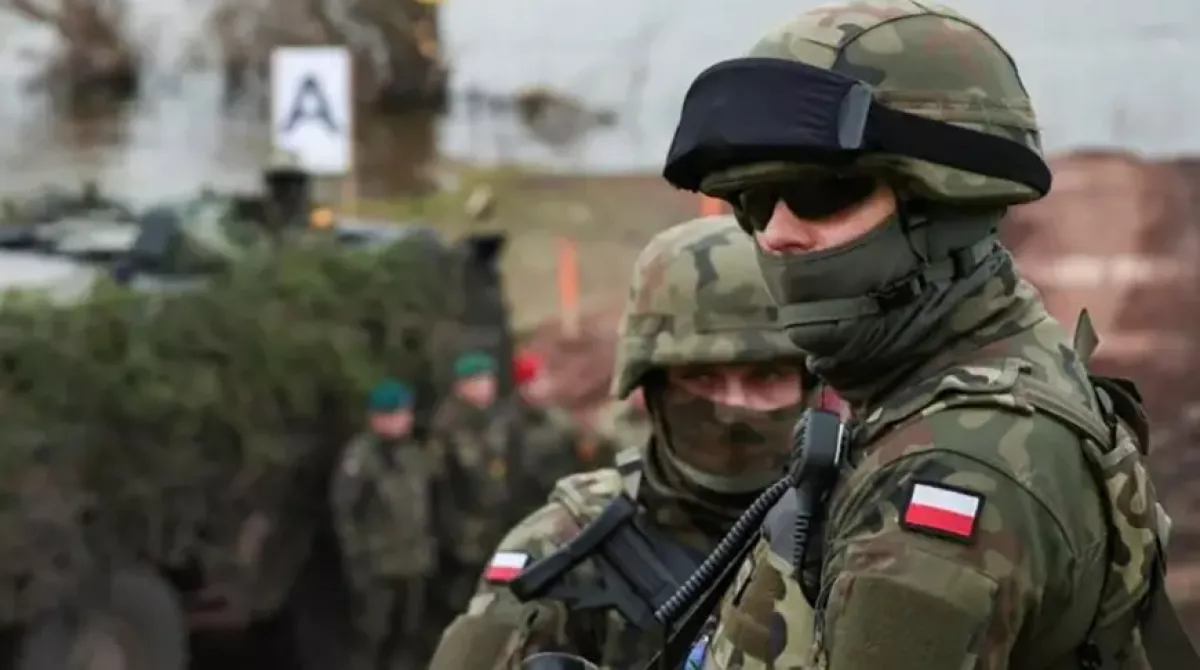
Poland was the first to outline its ambitions, having already begun in the late 2010s to build up the largest ground forces and the most powerful and expensive armoured formations on the continent. Warsaw lacks sufficient resources; its military strength is being developed through EU funding and loans, while the economy is struggling to withstand the pressure — this year has seen a new record in unemployment, with the number of registered unemployed approaching one million. A significant part of this build-up is being financed through debt and borrowing: Warsaw is rushing to outpace Germany.
Germany, in turn, has also begun to turn its artillery towards the East. Last Wednesday, the first-ever German military strategy was unveiled, according to which the size of the Bundeswehr is to increase to 460,000 personnel by the mid-2030s. Of these, 260,000 will be active-duty soldiers, compared to 186,400 at present. Russia has been declared the main security threat.
France, meanwhile, appealing to Polish ambitions and sympathies (given that even in their national anthem the Poles sing about Bonaparte), is seeking to outmanoeuvre the Germans and is expected to soon declare its own ambitions regarding Russia through unprecedented exercises simulating the use of nuclear weapons against Russia and Belarus.
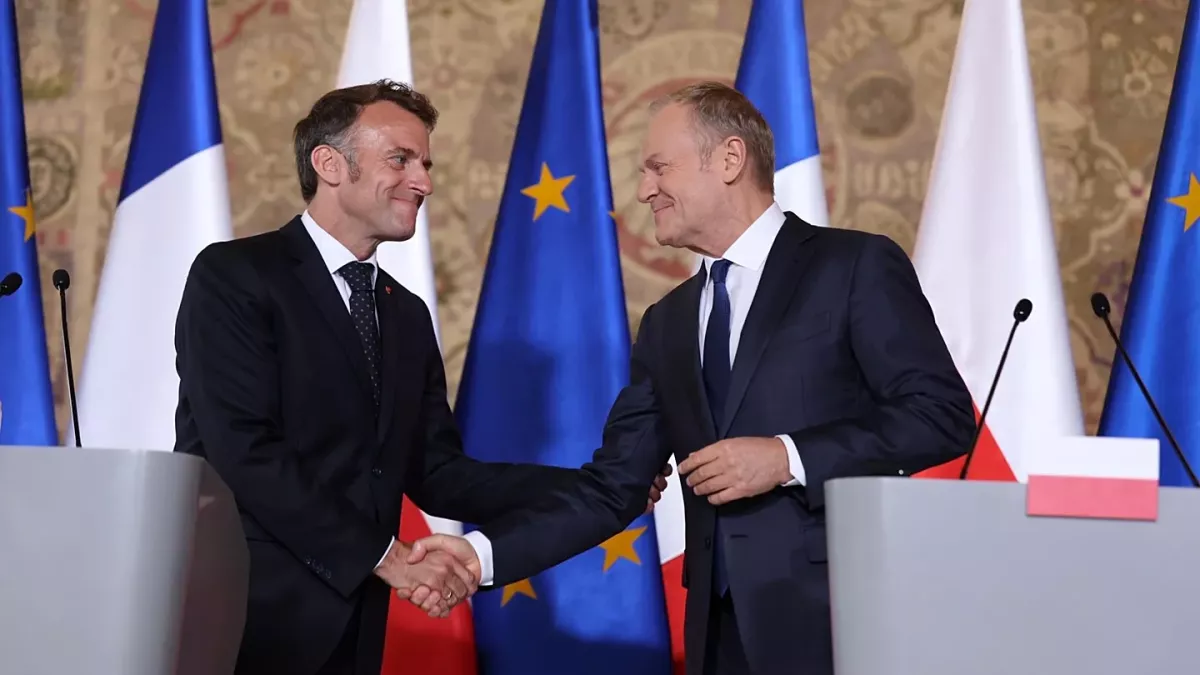
These plans were discussed at the beginning of last week in Gdańsk by French President Emmanuel Macron and Polish Prime Minister Donald Tusk. Formally, the exercises are expected to take place under the auspices of NATO, but in reality they reportedly point to the creation of a separate French-led coalition involving Warsaw.
According to sources in the Polish government cited by the press, participants in the coalition are fully aware of this shift: “A key aspect of these plans is that the emerging Polish–French military unit will, in a sense, operate outside NATO bureaucracy. The development of common procedures will allow defence decisions to be taken much more quickly. The scenarios of Polish–French exercises will serve as additional action plans in the event of a Russian attack, and they will not be activated only after lengthy deliberations under Article 5 of the NATO Treaty.”
In their view, the French are convinced that Poland will possess one of the largest armies in Europe by the mid-2030s, and they aim to contribute “know-how and weapons that Poland does not currently have” — namely nuclear capabilities. In exchange, Macron is reportedly seeking to secure nuclear power plant projects in Poland and Polish defence contracts for French industry.
In the end, one can only add that all these plans are ultimately fraught with the risk of confrontation between these very countries themselves. Moreover, they are built on sand. It could hardly be otherwise: the Euro-liberal establishment is becoming increasingly detached from its own societies. Most governments in Europe today are minority governments that do not closely align their policies with public sentiment and instead put forward often questionable schemes rather than well-considered projects.
For example, it is unclear how Berlin intends to expand its army. Despite all efforts, Germans, aware of the prospects of war, are not joining the military — over the course of a year, only 3,600 personnel were added to the armed forces. There is already talk of introducing conscription and raising the age limit for reservists from 65 to 70. This could lead to electoral upheavals — the “Alternative for Germany” opposes the war, and with a modest additional gain in votes could effectively change the political regime.
The situation with European rearmament is also far from stable — for instance, Berlin is expected to withdraw at the end of the month from the Franco-German-Spanish 6th-generation fighter jet programme FCAS, which would cause it to collapse. But most importantly, the militarisation process has already slipped out of NATO’s control, and the EU has failed to take it over. As a result, the current defence planning objectively leads to the disintegration of the “collective West,” as its implementation is accelerating outside NATO and the EU, and instead of strengthening these structures, militarisation is tearing them apart.
All this, of course, only increases the risk posed by adventurous attempts by certain countries — particularly in the South Caucasus — to jump onto the last carriage of “Euro-integration.”







 editor@caliber.az
 +994 55 444-88-98
 Азербайджан, Баку, ул. Низами, 203, Af Business House, 5-й этаж