










The frozen apple of discord Is the Arctic becoming a geopolitical hub?
Recently, the Arctic has been rapidly and steadily emerging as a centre of geopolitical competition, reflected in the growing interest of major powers in the region. In particular, Canadian authorities recently announced an allocation of CAD 35 billion (approximately $25.7 billion) for the modernisation of their Arctic military infrastructure. Prime Minister Mark Carney stated that the funds will be used to upgrade facilities in the Northwest Territories, Nunavut, and Yukon, as well as the airbase at Goose Bay.
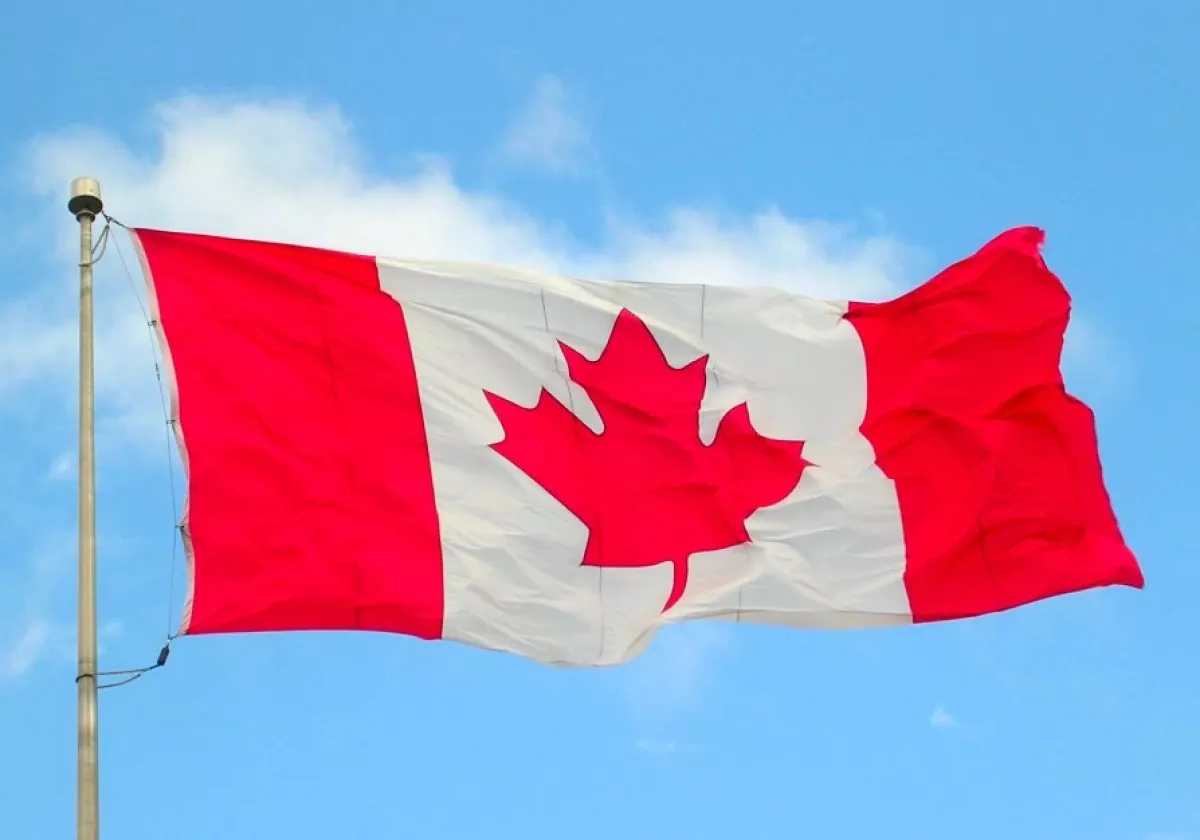
This decision by the Canadian government appears logical, given that, following NATO’s expansion with the accession of Sweden and Finland in 2024, Canada updated its Arctic strategy to increase its military presence and strengthen cooperation with allies in the region. At that time, then-Canadian Foreign Minister Mélanie Joly stated that Ottawa and its allies needed “more eyes and ears” in the Arctic in light of Russia’s and China’s activities in the region.
In other words, the Canadian official signalled that Canada’s concerns are linked to the growing Russian military presence and China’s interest in Arctic routes, which Ottawa views as a threat to national security and sovereignty. Simply put, Canada intends to strengthen its own positions to respond effectively to any potential developments in the Arctic.
It is also worth noting that, in addition to Canada, the Arctic Council includes Denmark (covering Greenland and the Faroe Islands), Finland, Iceland, Norway, Russia, Sweden, and the United States. Thirteen other countries, including the United Kingdom, France, China, and India, participate in the Council as observer states.
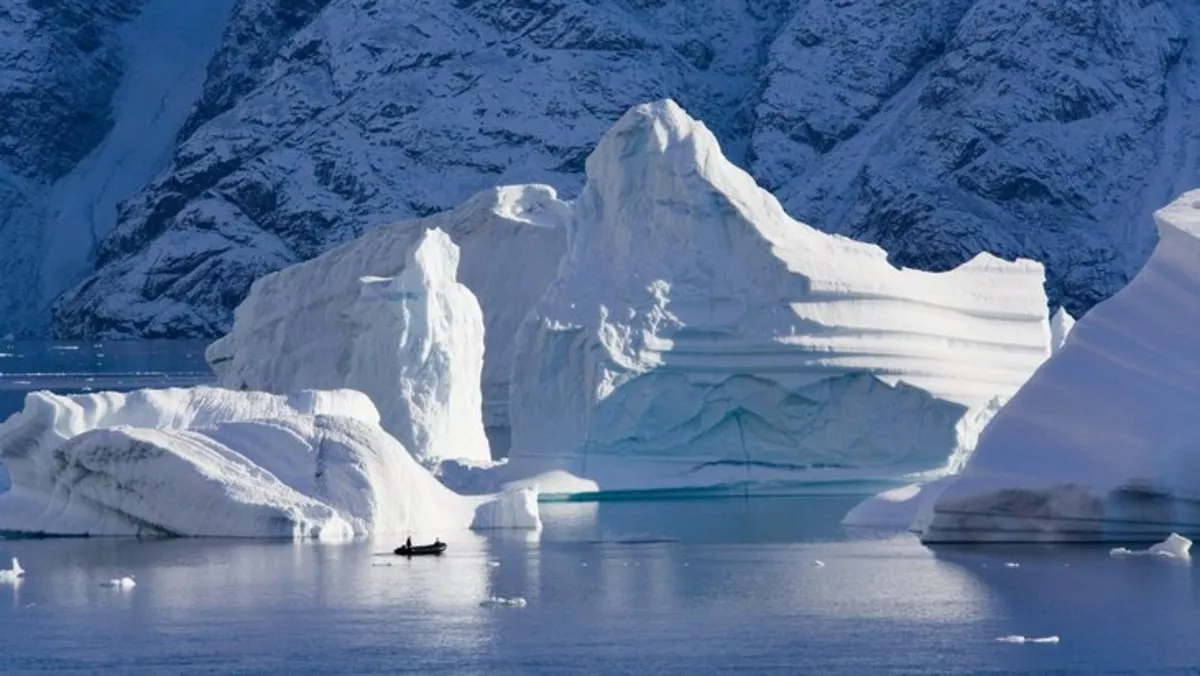
So, what exactly drives the enormous interest of the world’s major powers—six of which are nuclear-armed—in the “kingdom of ice and cold”? The primary factor is that the Arctic is estimated to hold up to 22% of the world’s undiscovered hydrocarbons: 13% oil, 30% natural gas, and 20% condensates.
In addition, the region contains around 10% of global nickel reserves, roughly 19% of platinum-group metals, significant amounts of cobalt, gold, and silver, as well as deposits of diamonds and rare-earth elements. These are colossal resources for the global economy, capable of providing a raw material base for future development.
The second key factor driving intense attention to the Arctic lies in transport and logistics. In today’s world, shaken by military conflicts across the globe, these issues are high on the agenda of many states. As Arctic ice melts, previously costly routes are becoming viable transport corridors, capable of significantly reducing shipping times between Asia and Europe.
Together, these two factors fuel the Arctic race, as countries seek to secure a presence in the region to control its resources and dominate strategically important maritime routes.
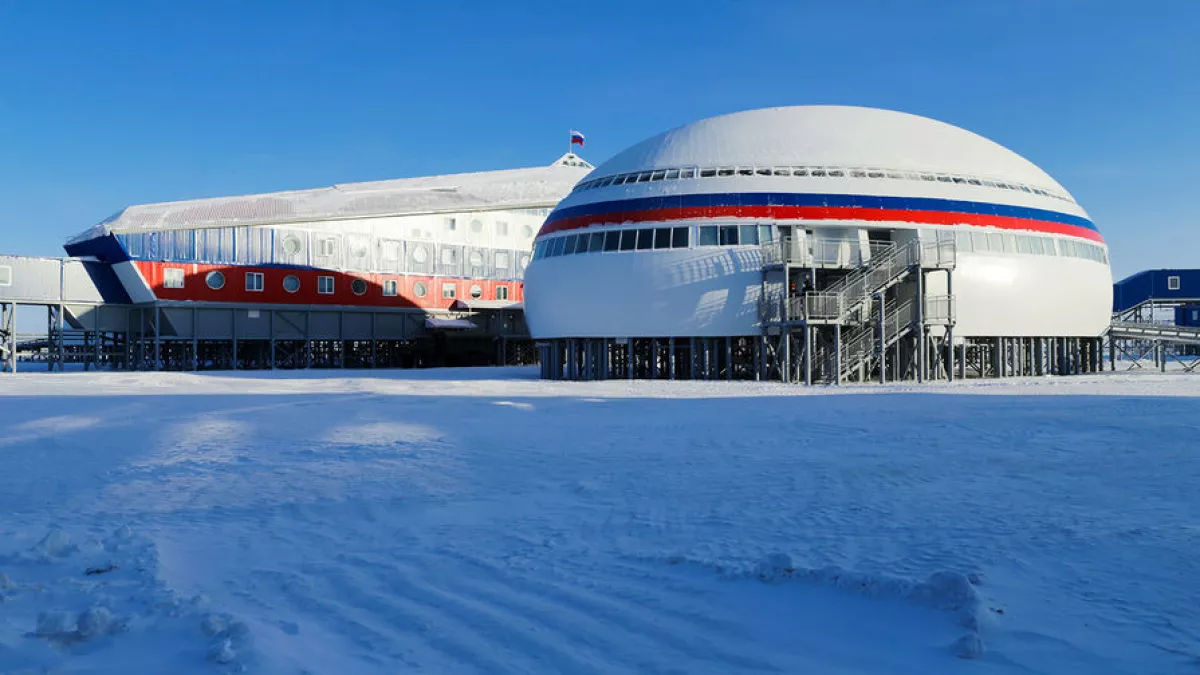
For example, Russia, widely regarded as the key Arctic power—holding more than half of the Arctic Ocean coastline—is actively developing its Arctic fleet. Moscow also maintains military bases in the region, such as the “Arkticheskiy Trilistnik” (Franz Josef Land), “Severny Klever” (Novosibirsk Islands), the Kotelny Island base, and “Polyarnaya Zvezda” (Wrangel Island), which provide air defence, control over the Northern Sea Route, and fully self-sufficient operations. In addition, Russian polar research stations, such as “Omega” on Alexandra Land, are operational in the region.
China, meanwhile, is promoting its Polar Silk Road concept and expanding its icebreaker fleet to ensure an independent presence in Arctic waters. India is also rapidly increasing its Arctic footprint for geopolitical and other strategic purposes. As early as 2008, New Delhi established and operates its research station Himadri in the international settlement of Ny-Ålesund on the Svalbard archipelago (Norway).
All of these actions create direct competition in the region and raise serious concerns for the authorities of Canada, which maintains its own Arctic bases, including Alert and the radio-technical intelligence station on Ellesmere Island—the northernmost permanently inhabited location in the world—and is determined to prevent rival powers from strengthening their positions in the Arctic.
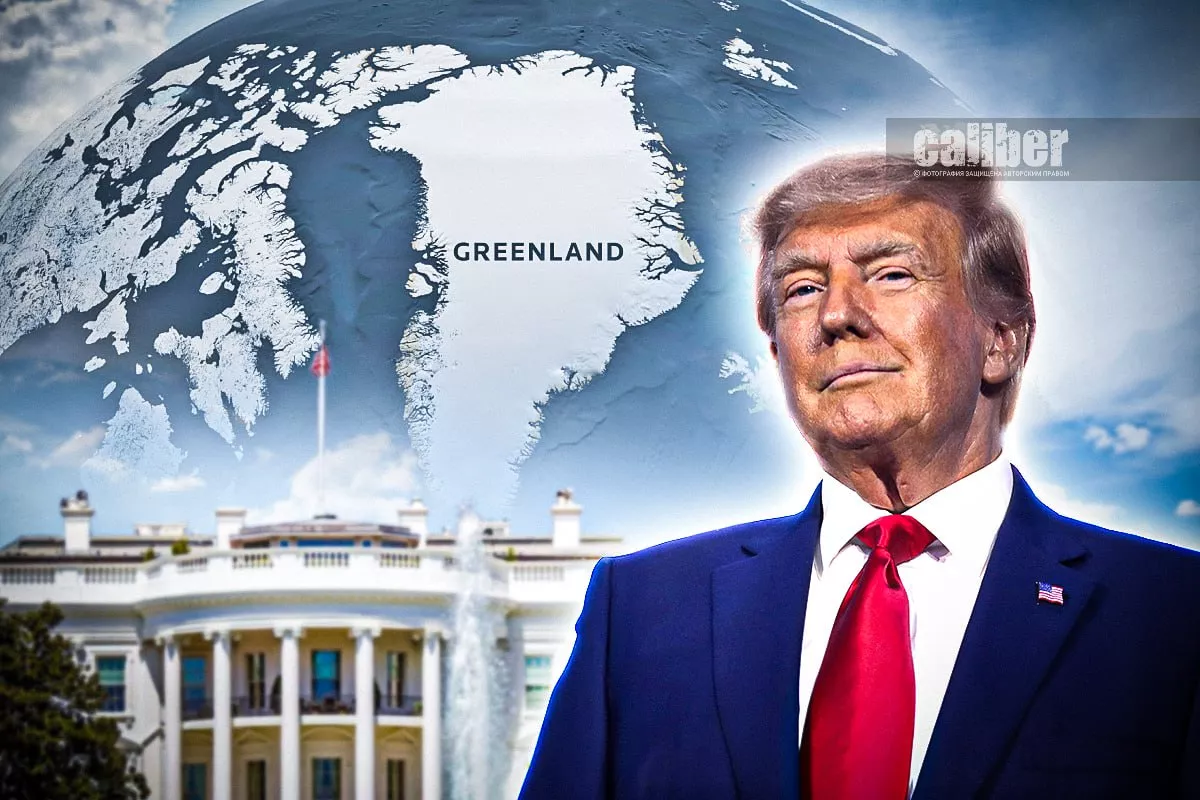
Canada’s recent Arctic decision may also be a response to statements made by President Donald Trump—the first concerning Greenland, and the second expressing concern over Canada’s vulnerability in the Arctic and dissatisfaction with Ottawa’s defence spending.
In this context, it seems the Carney government intends to demonstrate to the occupant of the Oval Office that Canada is capable of independently ensuring Arctic security. As The New York Times notes, Carney is not the first Canadian prime minister to conceive grand plans for enhancing security and asserting Canada’s sovereignty over the vast—but largely uninhabited—Arctic region. However, his proposal is more comprehensive and ambitious than previous efforts.
From this, one can reasonably conclude that the current Canadian Arctic military buildup serves as a message both to the United States and to NATO partners: Canada is ready to take responsibility for Arctic security amid increased activity by Russia, China, and India in the region.
At the same time, given that Washington’s and Ottawa’s interests align in containing major actors such as Moscow, Beijing, and New Delhi, it cannot be ruled out that the U.S. may have deliberately nudged Canada toward this new military-political initiative, effectively mobilising the country for billions in defence investment.







 editor@caliber.az
 +994 55 444-88-98
 Азербайджан, Баку, ул. Низами, 203, Af Business House, 5-й этаж