










North Korea’s challenge East Asia on the brink of a nuclear race
Against the backdrop of global turbulence, marked by wars in various parts of the world, North Korea remains a persistent source of tension in East Asia, with its authorities periodically raising the level of strain in the region.
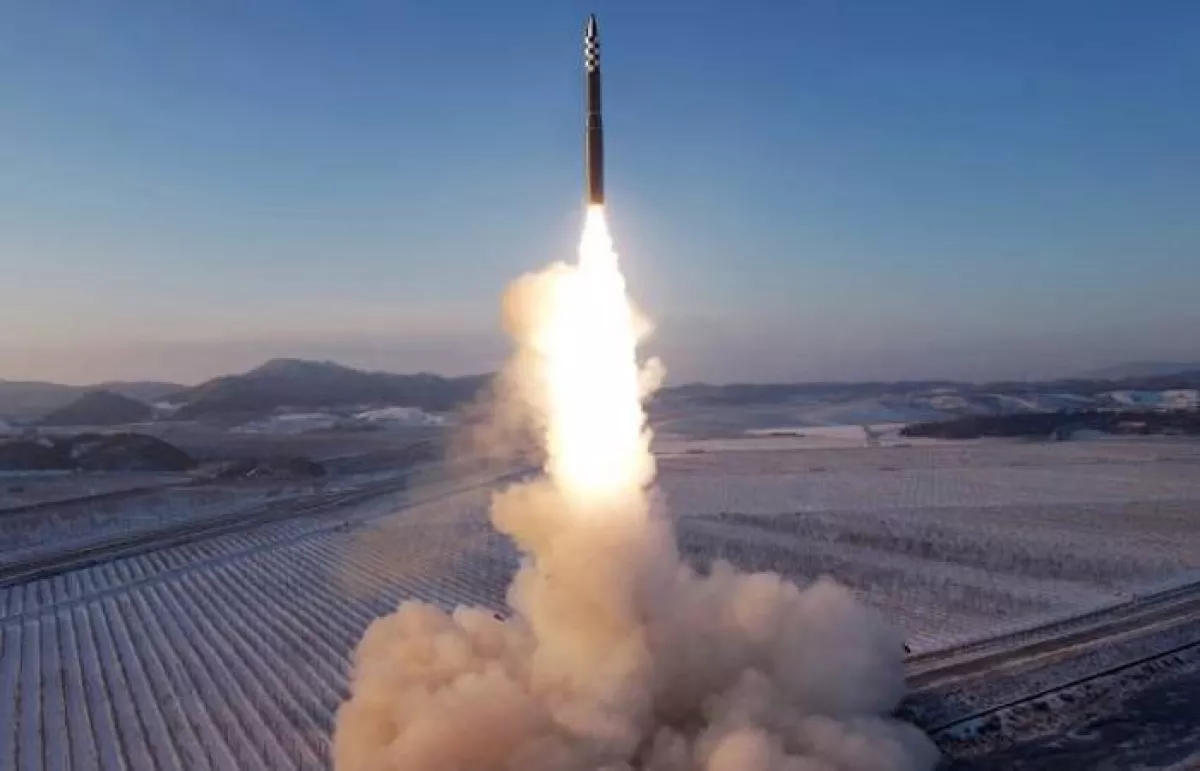
Recently, the North Korean government once again reminded neighbouring countries of its presence in East Asia by launching another missile toward Japan, marking the third such incident since January 27. Notably, this occurs against the backdrop of statements by North Korean leader Kim Jong Un, which are steeped in militaristic rhetoric. In particular, in February, during a military parade held after the 9th Congress of the Workers’ Party, he announced the country’s intention to develop more powerful intercontinental ballistic missiles and strike systems incorporating artificial intelligence and unmanned aerial vehicles.
“Our party is firmly determined to continue expanding and strengthening our national nuclear capabilities and to fully leverage our status as a nuclear state. We will focus on projects to increase the quantity of nuclear weapons and to expand our nuclear means,” he said.
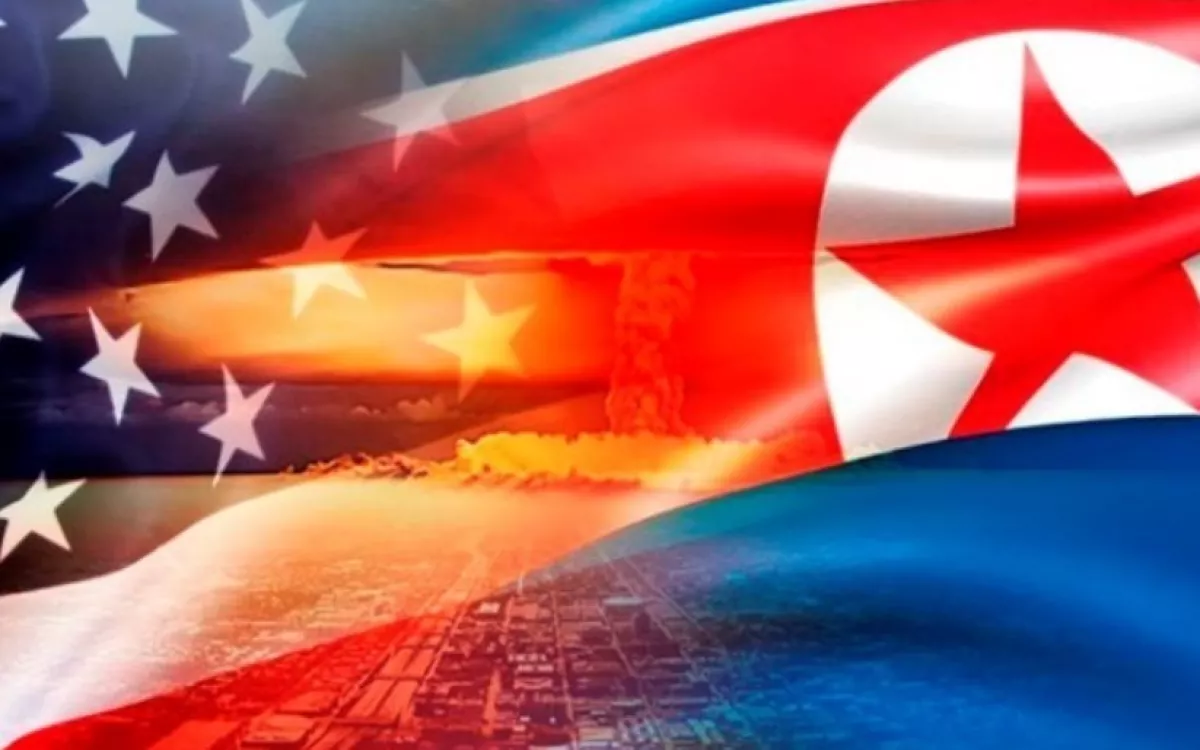
In his speech, the chairman of the Central Committee of the Workers’ Party of North Korea did not overlook the country’s perennial opponents—the United States and South Korea.
“Pyongyang could establish relations with Washington if the U.S. officially recognizes us as a nuclear state and abandons its hostile policies, respecting the current status of our country,” the North Korean leader stated, emphasizing at the same time that “if the United States of America does not break free from its former habitual approach toward us and continues to take a confrontational stance, we will consistently provide proportionate responses. There are sufficient means and methods for this.”
Following this audacious statement directed at Washington, even harsher remarks were made toward Seoul. Calling South Korea “the most hostile enemy,” Kim Jong Un ruled out the possibility of negotiations. “Pyongyang may take action if Seoul behaves atrociously,” he said, adding that in such a case “a complete collapse of South Korea cannot be ruled out.”
Firstly, North Korea is particularly concerned about the annual joint military exercises conducted by the United States and the Republic of Korea, which it characterises as a “rehearsal for invasion” and traditionally accompanied by missile launches. Put simply, these actions by the North Korean authorities are a response to what they perceive as aggressive moves by the U.S. in the region, demonstrate that the country’s military doctrine continues to evolve, and signal that North Korean missiles are fully capable of striking distant targets—not only on the territory of key American allies in East Asia, such as Japan and South Korea, but also on U.S. soil itself.
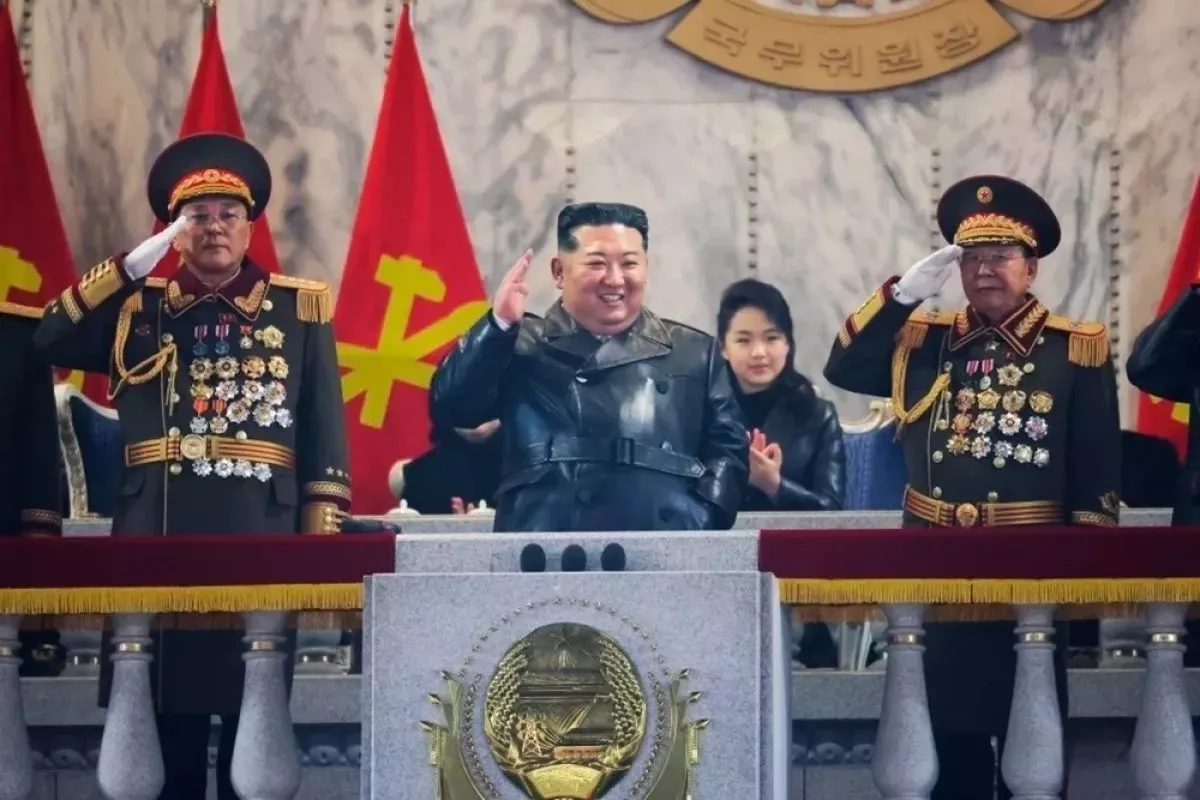
Secondly, it is possible that such demonstrations by Pyongyang are aimed at a domestic audience, intended to maintain the cult of a strong and determined leader. Notably, in North Korea, there is officially proclaimed absolute support for Kim Jong Un among the people, reinforced by ideology, powerful propaganda, and strict control. However, since the country operates under a totalitarian system and any dissent is harshly suppressed, the likelihood of openly expressing dissatisfaction with government policy is virtually zero. For this reason, it can be assumed that Kim Jong Un is showing the citizens the strength of the current regime, relying on military and technological power.
At the same time, from a geopolitical perspective, Pyongyang’s ballistic missile launches and the declared strengthening of its nuclear potential create global risks in East Asia, forcing other regional countries—Japan and South Korea—to enter the arms race, including the nuclear one. For example, the authorities of the Land of the Rising Sun have unmistakably begun to consider the development of nuclear weapons, despite the fact that the country suffered atomic bombings during the Second World War, maintains a non-nuclear stance, and was among the first to sign the Treaty on the Non-Proliferation of Nuclear Weapons (NPT).
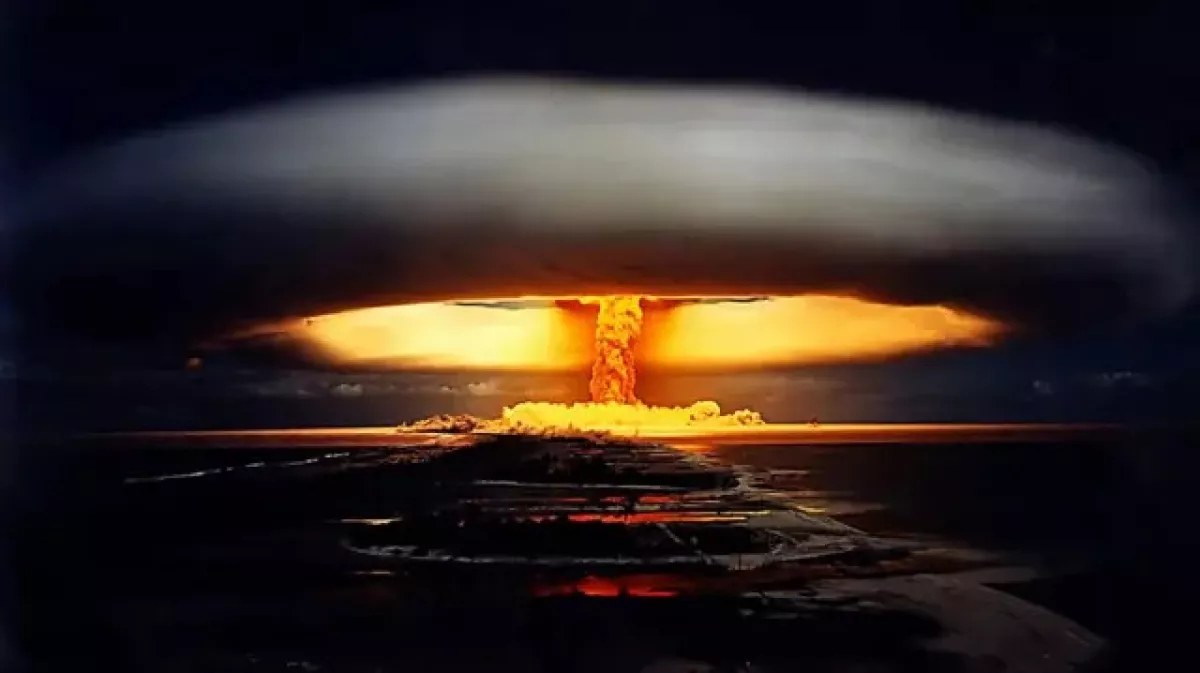
The discussion of this issue within Japanese political circles has become particularly relevant since the end of 2025, triggered both by the increased frequency of ballistic missile launches from North Korea and by concerns about the country’s security guarantees under the existing alliance with the U.S., in light of Trump’s statement that the security treaty between the two countries is unfair, as the agreement obliges the United States to defend Japan but does not impose reciprocal obligations on Tokyo.
In South Korea, there have also long been discussions regarding the deployment of American nuclear weapons or the development of its own. As early as March 2023, Seoul’s mayor, Oh Se-hoon, stated that the country should consider developing its own nuclear weapons, emphasising that it cannot be bound by the goal of denuclearisation.
However, talking about Japan or South Korea developing nuclear weapons would be premature for the following reasons. First, both countries are signatories to the NPT, and violating it would result in serious reputational damage. Furthermore, Washington is firmly opposed to Seoul and Tokyo possessing atomic bombs, as this could trigger a chain nuclear reaction across the Asian region.
In conclusion, it can be stated that North Korea will continue to use its “nuclear arsenal” as a means of deterrence, intimidation, and dominance in East Asia.







 editor@caliber.az
 +994 55 444-88-98
 Азербайджан, Баку, ул. Низами, 203, Af Business House, 5-й этаж