










Map of national memory Azerbaijan restores historical toponyms
Historical memory and national identity are inseparably linked. Memory, by shaping our understanding of the past and uniting generations through shared values, symbols, and experiences, lays the foundation for identity. It defines the uniqueness of a nation’s culture, language, and place in history, serving as a key mechanism for cohesion and self-awareness.
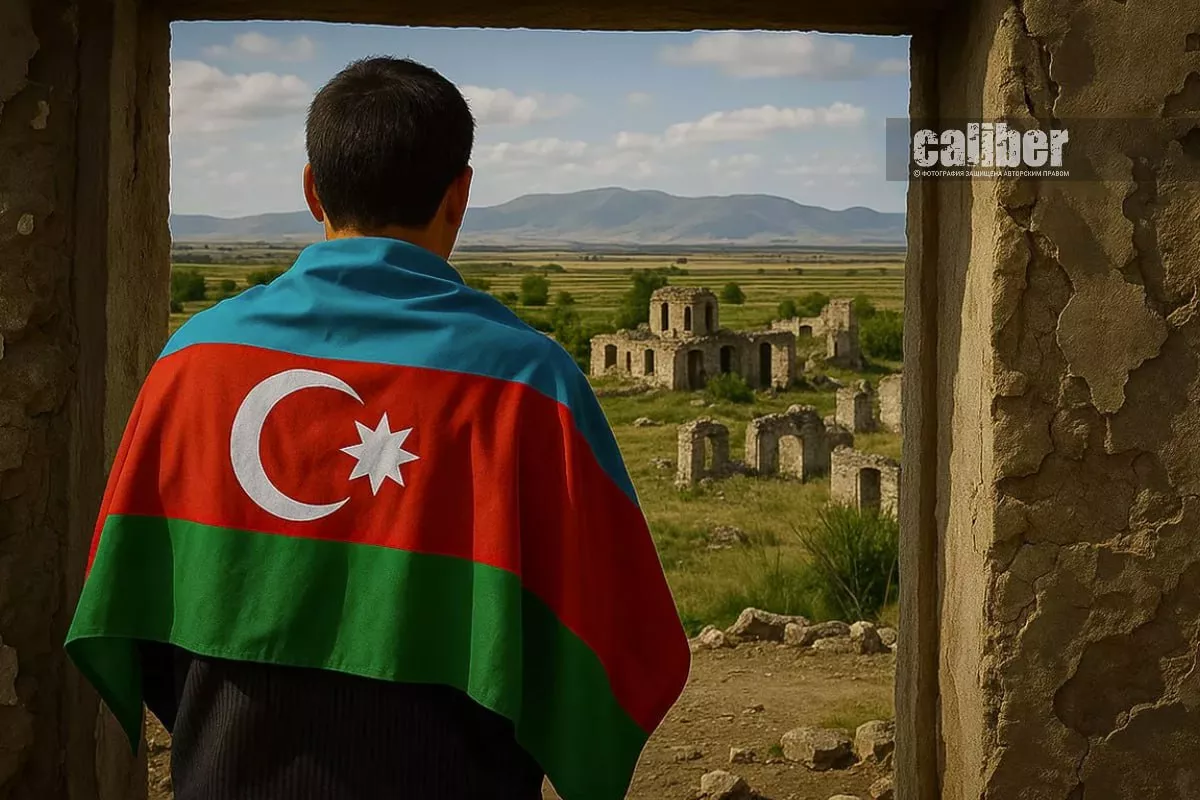
Toponymy plays a far from secondary role in this context, as the names of settlements, cities, and geographical features are not merely words on a map. They reflect cultural and political processes of different eras, and the restoration of historical names is always part of a broader effort to reclaim national identity.
In Azerbaijan, consistent work continues in this direction. A recent example is the discussion at the meeting of the Toponymic Commission under the Milli Majlis (parliament) regarding the renaming of several villages in the Guba district: the settlement of Vladimirovka will be renamed Elbir, Alekseyevka — Chinarli, and Timiryazev — Bahrali.
At first glance, such decisions may appear purely administrative or symbolic. In reality, however, they carry a much deeper political and historical significance, especially today, against the backdrop of a rapidly changing geopolitical situation both globally and in the South Caucasus.

Recent events in the region further highlight the relevance of such measures. The incident involving Iranian drones attacking the territory of the Nakhchivan Autonomous Republic of Azerbaijan demonstrated how sensitive regional security remains and how crucial it is for the state to consistently strengthen elements of its political and historical sovereignty.
In this context, it should be noted that many of the names that appeared across the territory of modern Azerbaijan in the 19th–20th centuries reflected the realities of the Russian Empire and the subsequent Soviet period. They were often linked either to the names of Russian officials, public figures, or ideological personalities of that era. In an independent state, retaining such names inevitably opens the door to political interpretations and speculation.
At the same time, it is important to understand that renaming settlements is not an act of denying history. On the contrary, it is a way to highlight the correct historical context and restore on the country’s map names that reflect local cultural traditions, geography, and language. The name Chinarli, for example, evokes the traditional image of the çinar tree in Azerbaijani culture — a symbol of strength, resilience, and longevity. Elbir and Bahrali, likewise, are rooted in local toponymic traditions and reflect the historical and cultural specificity of the region.
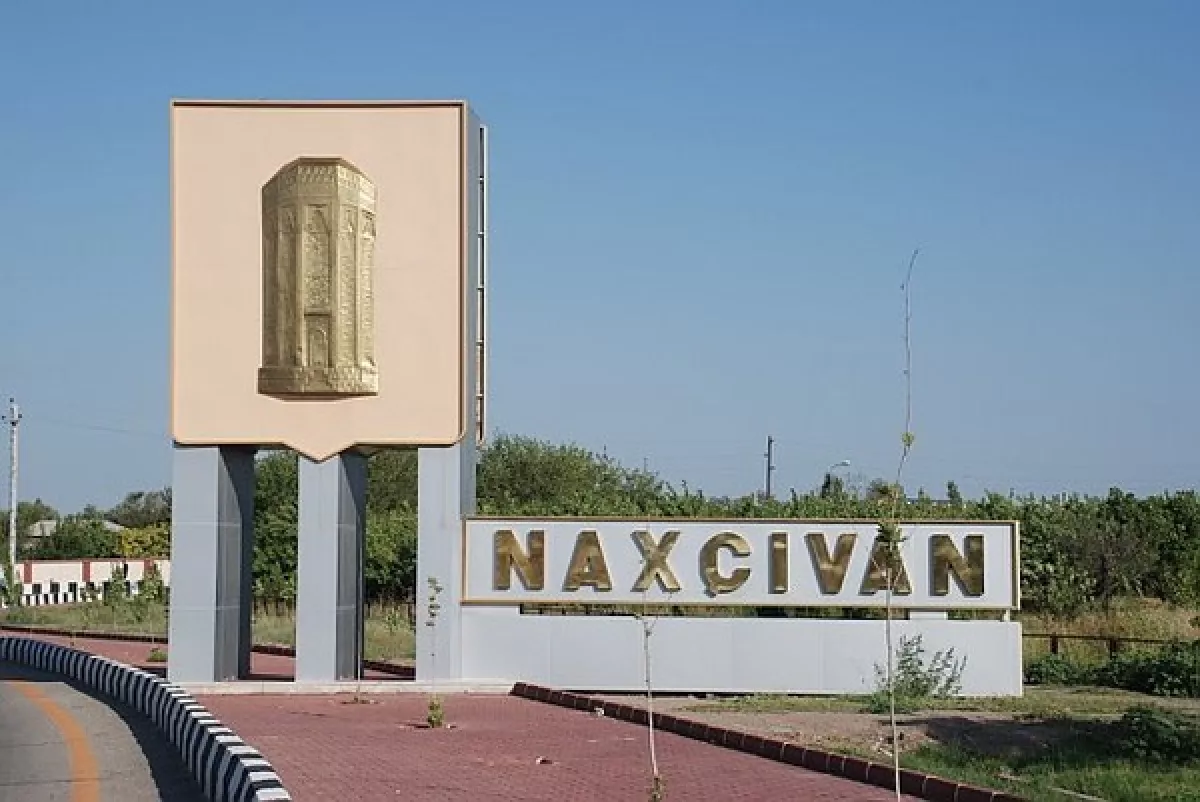
What makes these decisions particularly significant is that they are taken systematically and consistently, forming part of a broader state policy aimed at strengthening both the symbolic and legal sovereignty of the country. A notable example of this is the recent amendment to the Constitution of the Nakhchivan Autonomous Republic: references to the Moscow Treaty of March 16, 1921 and the Treaty of Kars of October 13, 1921, were removed from the preamble of the Fundamental Law.
These documents played a role in shaping the political geography of the South Caucasus following the collapse of the Russian Empire and the events of the early 20th century. However, they were products of a specific historical era. Modern Azerbaijan builds its statehood on the principles of international law and its own Constitution, rather than on century-old agreements. The removal of these references from the preamble of Nakhchivan’s Constitution underscores precisely this point.
Viewed together — the constitutional amendments and the renaming of settlements — it becomes clear that these are two elements of the same process, which can be described as the dismantling of imperial and Soviet remnants within the political and symbolic space.
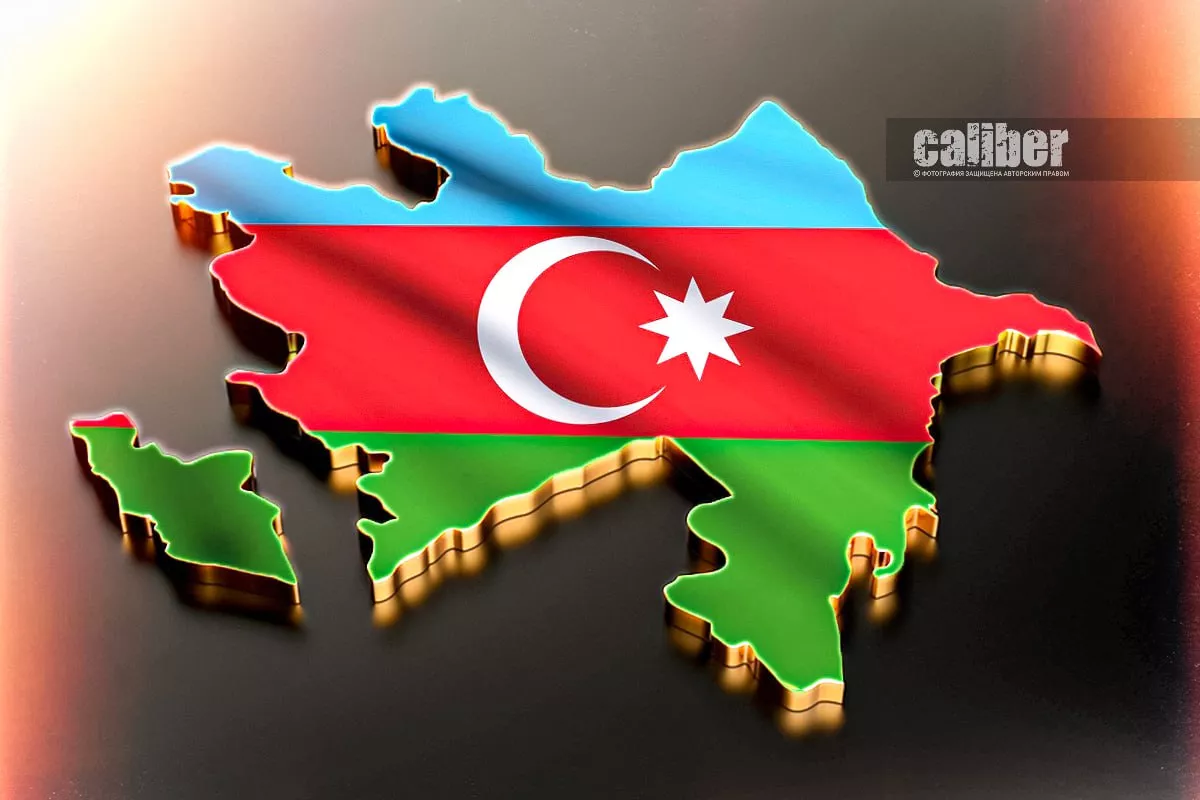
These measures carry particular significance because any historical formulas, outdated legal constructs, or even geographic names can become tools for foreign-policy interpretations. International history offers numerous examples where such details were used to assert political claims or construct narratives of “historical rights.” This is why many states, in strengthening their independence, pay close attention to the symbolic space — from street names to the wording of constitutional documents.
In this respect, Azerbaijan acts consistently and in line with global practice. The restoration of historical toponyms and amendments to legislative acts are part of the natural process of reinforcing national sovereignty. They demonstrate that the Azerbaijani state not only defends its territory but also systematically builds its own historical and symbolic space, creating a resilient architecture of national memory that makes any attempts at political manipulation of the country’s history and geography impossible.







 editor@caliber.az
 +994 55 444-88-98
 Азербайджан, Баку, ул. Низами, 203, Af Business House, 5-й этаж