










Azerbaijan’s strong position in new EU dialogue Analysis by Serhey Bohdan
On March 11, the President of the European Union Council, António Costa, arrived in Baku on an official visit. The European Union has finally acknowledged the reality that all realistic options for securing alternative energy supplies involve cooperation with Azerbaijan. For many years, European leaders tried to deny this.
This was facilitated by the damaging political environment created over three decades of Euro-liberal attacks on Azerbaijan and intrigues with Armenian nationalists. The visit of the EU’s top representative draws a line under this unenviable legacy.
To achieve this, Baku pursued its course without yielding to the ideological dictates or geopolitical pressure of Euro-liberals. Ultimately, the new international situation highlighted the strategic foresight of Azerbaijan’s position and facilitated the launch of a renewed dialogue between Baku and Brussels.
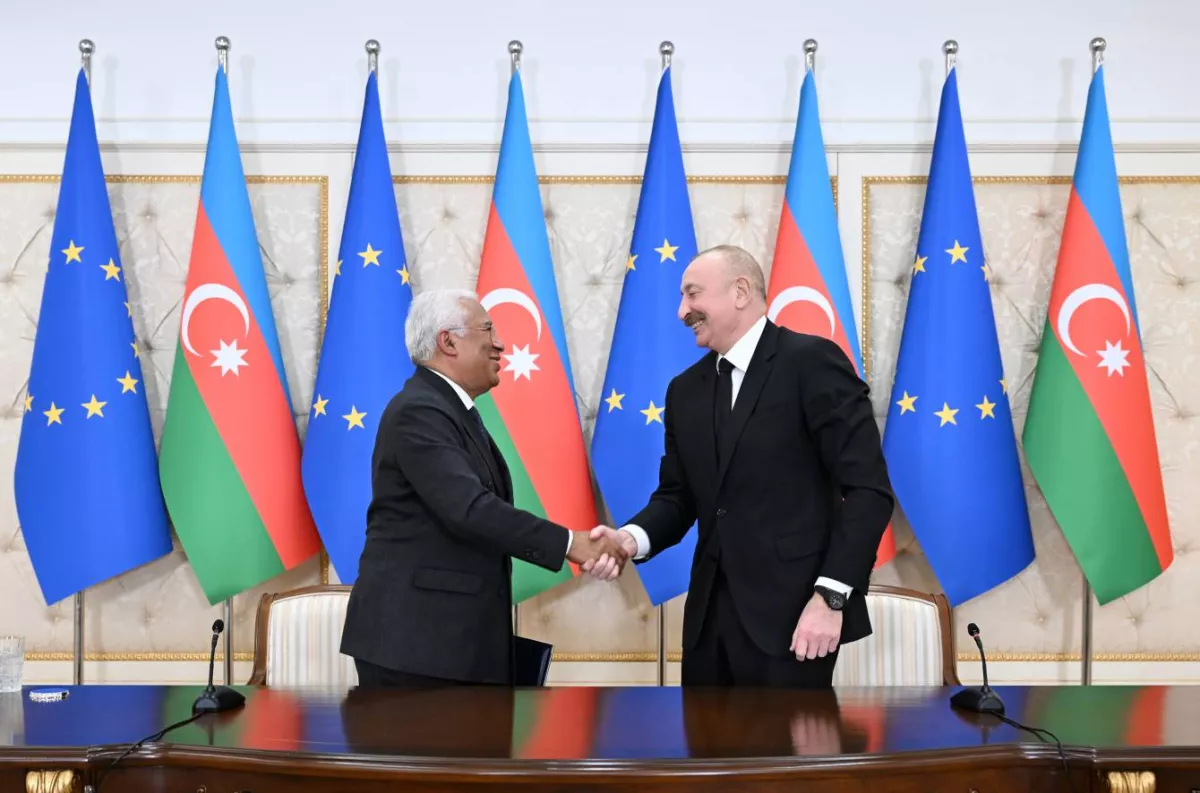
The visit to Baku as a Walk to Canossa
Azerbaijan has long been working to shift its relations with the European Union toward pragmatic cooperation, freeing them from the ideological burden imposed by shortsighted politicians since the early 1990s.
In Baku, even during the time of Heydar Aliyev, the focus was on two simple things. First, on basic geopolitical calculation. No matter how much the Euro-liberal establishment, in its post–Cold War euphoria, denied the obvious—the unacceptability and impossibility of imposing political norms on other countries—and no matter how many absurd expansionist projects it pursued, reality would eventually assert itself. It became clear that the most crucial physically possible routes for transporting substantial volumes of energy—and even “green energy”—as well as for continental transit, run through the South Caucasus, and that Azerbaijan is an indispensable central partner for any such projects. Already by the mid-1990s, the Azerbaijani leadership began constructing a westward pipeline network.
Yes, liberals always told us magical tales about the “invisible hand of the market,” but no major economic project can be implemented without political will, no matter how financially beneficial it may be. Just look at the dismal situation with China’s pipeline development with Russia, which is intended to supply oil and gas far more securely and cheaply than maritime routes.
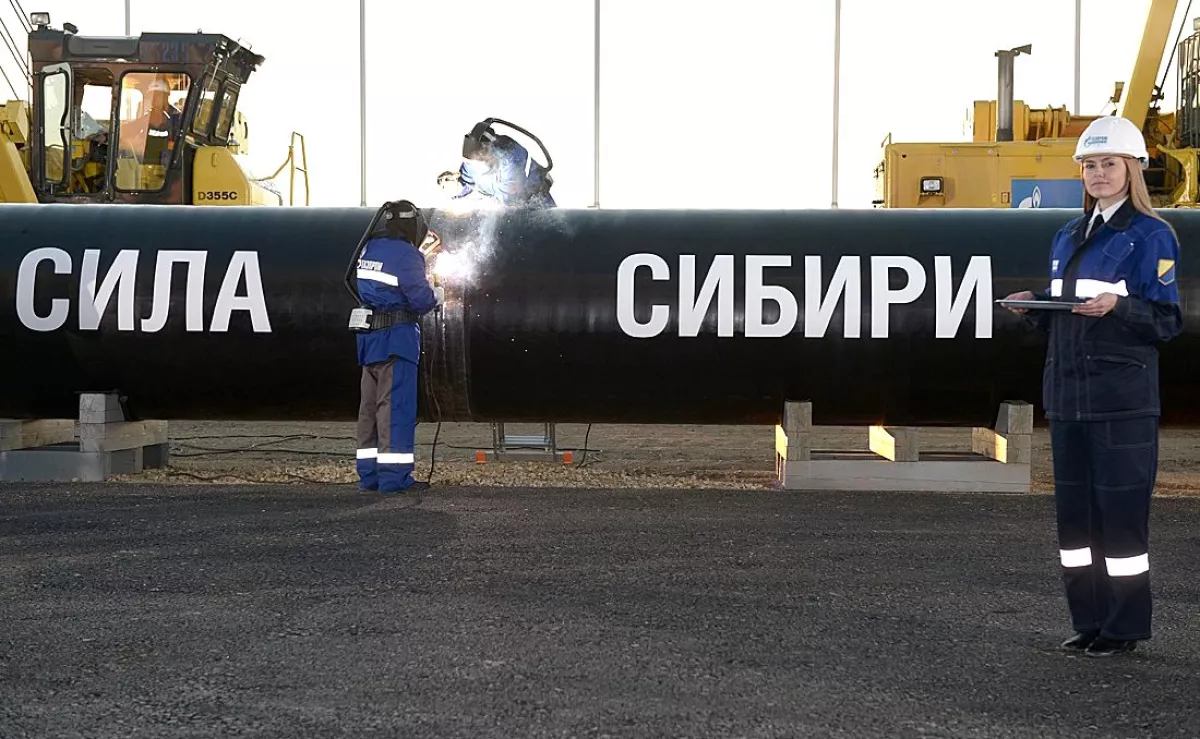
The collective West is even threatening to block the latter! The logic behind pipeline construction seems obvious, yet after the long-delayed launch of the Power of Siberia-1 pipeline in 2019 (initiated back in Yeltsin’s time!), neither the Russians nor the Chinese have advanced further in this direction, despite war and sanctions. This comparison highlights the scale of the Azerbaijani leadership’s efforts in an even more complex situation.
Second, in developing stable relations with Europe, Baku wisely focused early on creating a political-economic foundation rather than following the “cargo cults” of post-Soviet liberals and nationalists. These groups attempted to cosy up to the West, ideologically repainted (former CPSU members!), establishing insane and often dangerous institutions in their countries and turning their states into mere transit zones. Azerbaijan quickly suppressed these tendencies and concentrated on real work—building an economic base geared toward sober, pragmatic cooperation with the West (as well as other international partners).
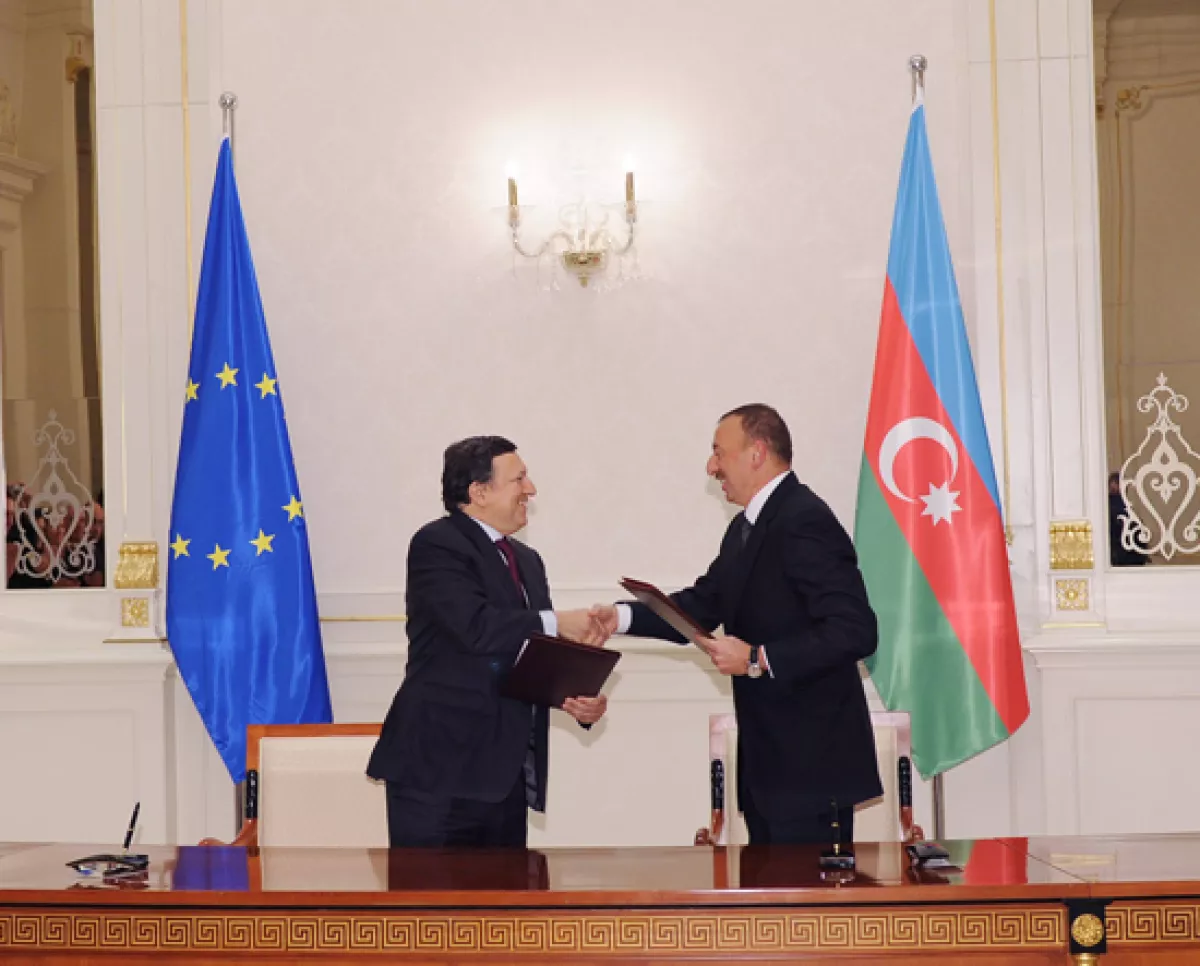
It should be noted that there has never been any idyll in the energy segment of Azerbaijan–EU relations. Yes, President Aliyev signed the Joint Declaration on the Southern Gas Corridor, intended to provide an alternative to Russian gas for the EU, with the President of the European Commission back in 2011. Yet it was Baku—and Ankara alongside it—that actually ensured the expansion of supplies along this route toward Europe, which showed little urgency to invest in the project itself.
Baku had to secure funding and exert diplomatic effort independently. This was undertaken by the country’s leadership because the strategic logic of the project was clear, especially in light of the growing rifts between the EU and Russia that had emerged since the early 2010s.
A particularly important role in this was played by the Trans-Anatolian Gas Pipeline (TANAP), which could form the backbone of the EU’s gas supply system via Türkiye. It was launched in 2019 thanks to the efforts of Azerbaijan and Türkiye, with the participation of Georgia.
By that time, Georgia had already faced the first serious attempts by the West to exert pressure on it. Yet it was precisely the government of the Georgian Dream that facilitated a real solution to the EU’s emerging energy problems, in contrast to its liberal predecessors, who preferred to focus on fiery “pro-European” and anti-Russian rhetoric rather than practical results.

Only once the main contours of this new infrastructure network had been established—in 2022, after cutting ties with Russia—did the European Union finally begin to consider alternatives and sign a genuine strategic energy partnership with Azerbaijan.
This facilitated Baku’s access to the European market. By last year, Azerbaijani natural gas was already reaching 14 countries, and today that number has grown to 16, ten of which are EU states. In January, Germany and Austria joined the list, marking a shift from quantity to quality. Whereas until recently gas from Azerbaijan had been mainly a diversification measure for some Balkan and Eastern European countries, it has now become a matter of survival for segments of the German economy that bear responsibility for the EU as a whole.
Under a ten-year contract with the German state-owned energy company SEFE (Securing Energy for Europe GmbH), Azerbaijan will gradually increase gas deliveries to Germany to 1.5 billion cubic meters per year. Berlin had long hoped to replace lost Russian gas through other means—counting, in particular, on a “super deal” with Qatar—but those attempts failed.
Baku now holds unique tools with regard to Europe’s energy future. This is why, ahead of his visit, António Costa called Azerbaijan “a partner of strategic importance to the EU,” noting that energy cooperation “is crucial for our efforts to diversify our energy supplies and strengthen our energy security.”
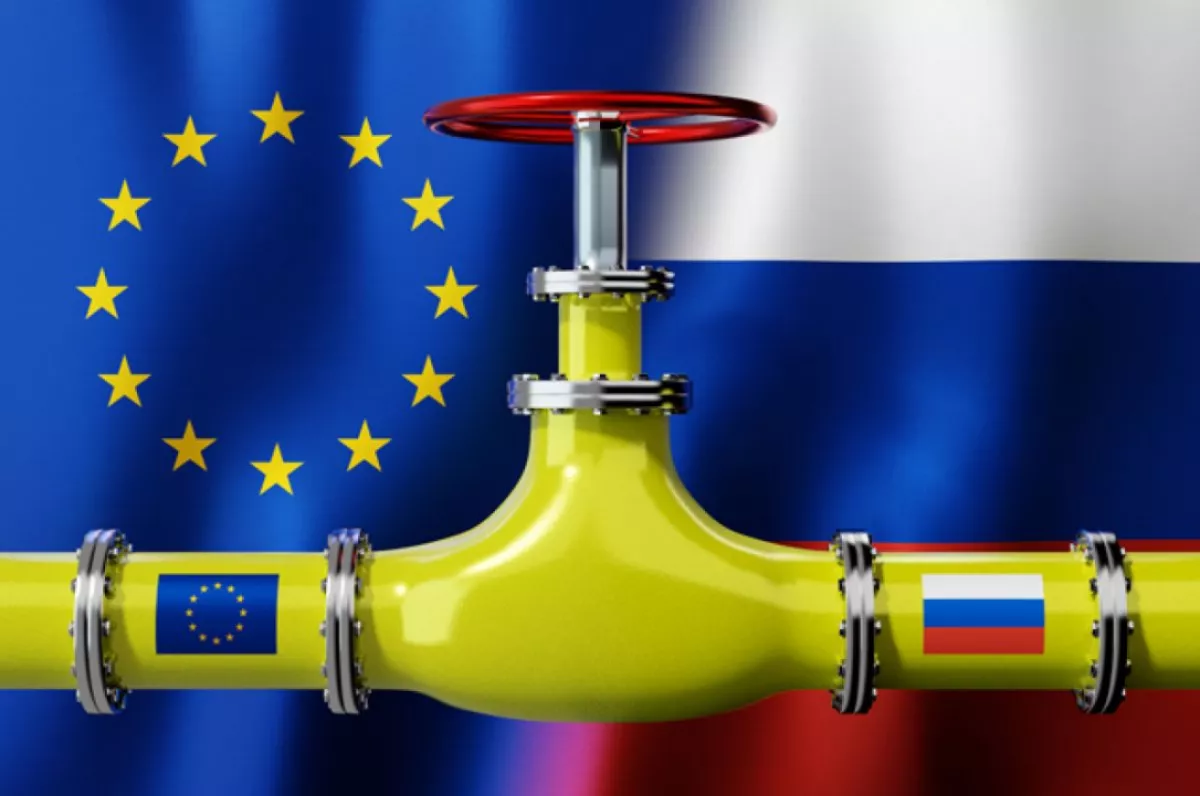
Indeed, after the EU Council’s decision at the end of 2025 to phase out Russian LNG by the end of 2026 and pipeline gas by September 2027, rapprochement with Azerbaijan became a question of survival for the EU and Europe’s major industrial powers—an issue that needed to be resolved urgently. The subsequent war waged by Israel and the United States against Iran only heightened the urgency. With disruptions to Middle Eastern energy supplies, Europe no longer had even a minimal transitional period to secure alternative energy sources.
This context helps explain the significance of the recent visit. It took place because the Azerbaijani government had, for years, pursued a strategy of building the necessary foundations and waiting strategically for the inevitable—an outcome that had long seemed unlikely. That strategy has now paid off, forcing the EU establishment to abandon its previously failed approach.
Azerbaijan offers solutions to Europe’s pressing challenges
This is evident in several notable details. Most striking is the invitation extended by the President of the European Council to the President of Azerbaijan to visit the EU headquarters in the near future: “I'm looking forward to hosting you in Brussels in the coming months.”
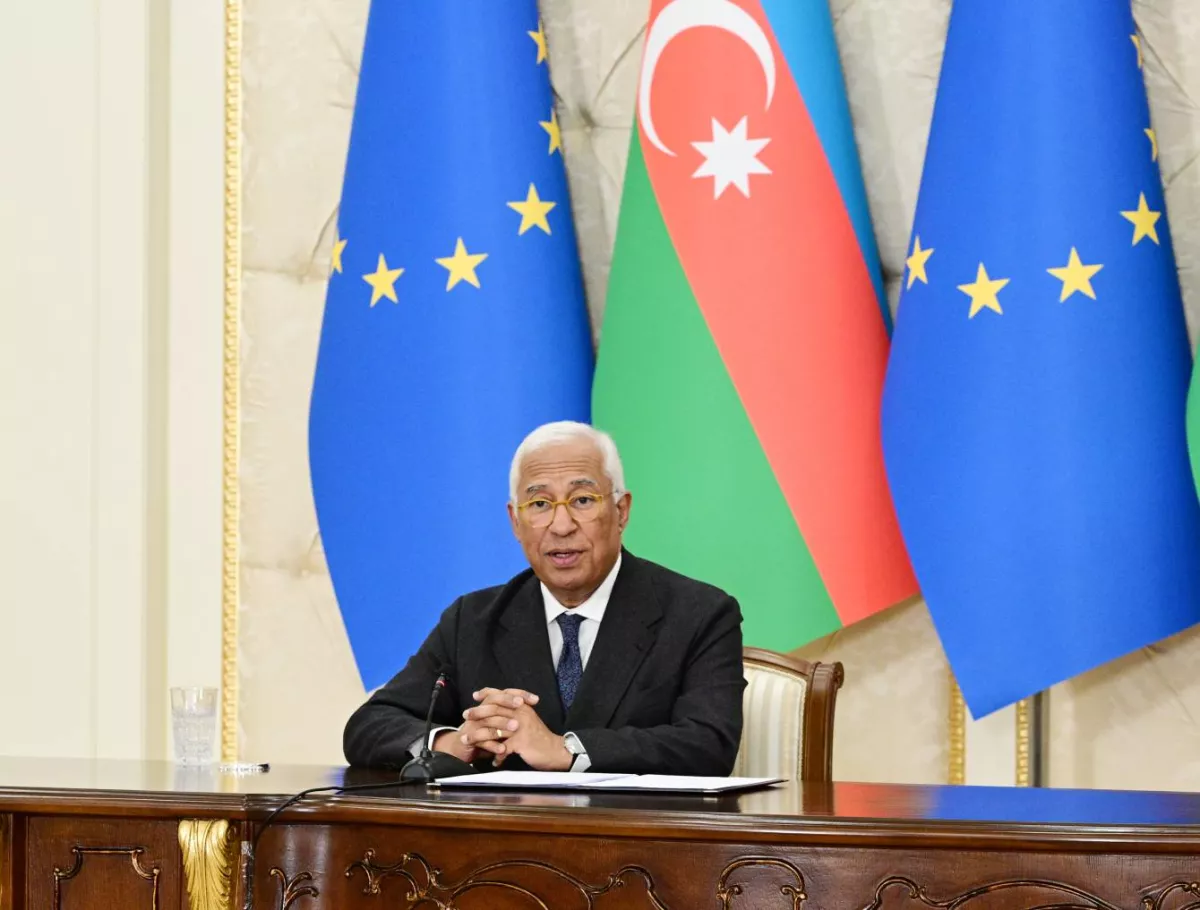
Such a swift and insistent diplomatic invitation signals the EU leadership’s acute interest in strengthening ties with Azerbaijan. Security cooperation is also on the agenda, marking another significant shift—especially given that the EU still maintains a deployed intelligence mission on Armenia’s borders with Azerbaijan, which, as Armenian media proudly reported, conducted its 8,000th patrol just last Wednesday.
The shift, of course, began with energy, and even before António Costa’s visit, it was clear that substantial changes in bilateral relations were imminent.
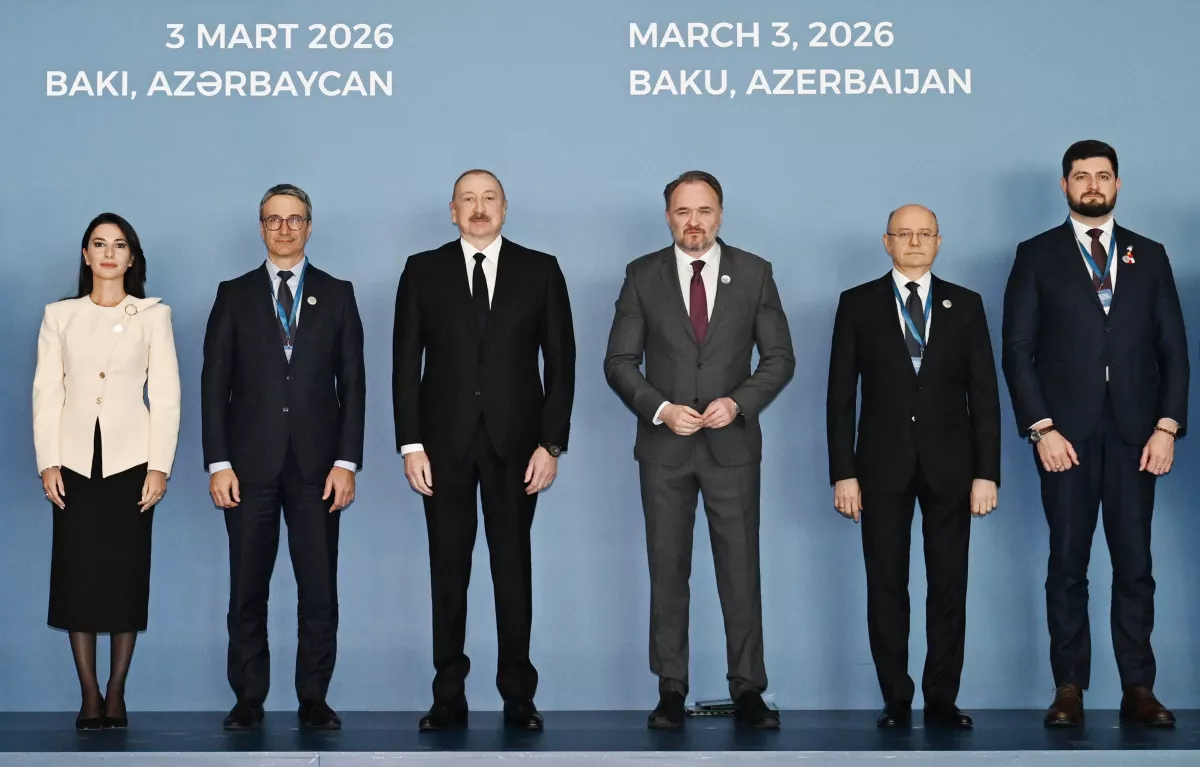
A week before Costa’s arrival, the 12th Ministerial Meeting of the Southern Gas Corridor Advisory Council and the 4th Ministerial Meeting of the Green Energy Advisory Council were held, with Azerbaijani Minister of Energy Parviz Shahbazov and EU Commissioner for Energy and Housing Dan Jørgensen in attendance.
In other words, Azerbaijan is helping the EU not only navigate the broader energy crisis but also overcome the deadlock that had stalled its “green energy” ambitions. It is now clear that, however ambitious EU plans to generate renewable energy across the continent may be, wind and solar projects in many locations remain problematic. In contrast, such energy can be produced more reliably and cost-effectively in the South Caucasus and Central Asia, then delivered through the Caspian and Azerbaijan to the EU.
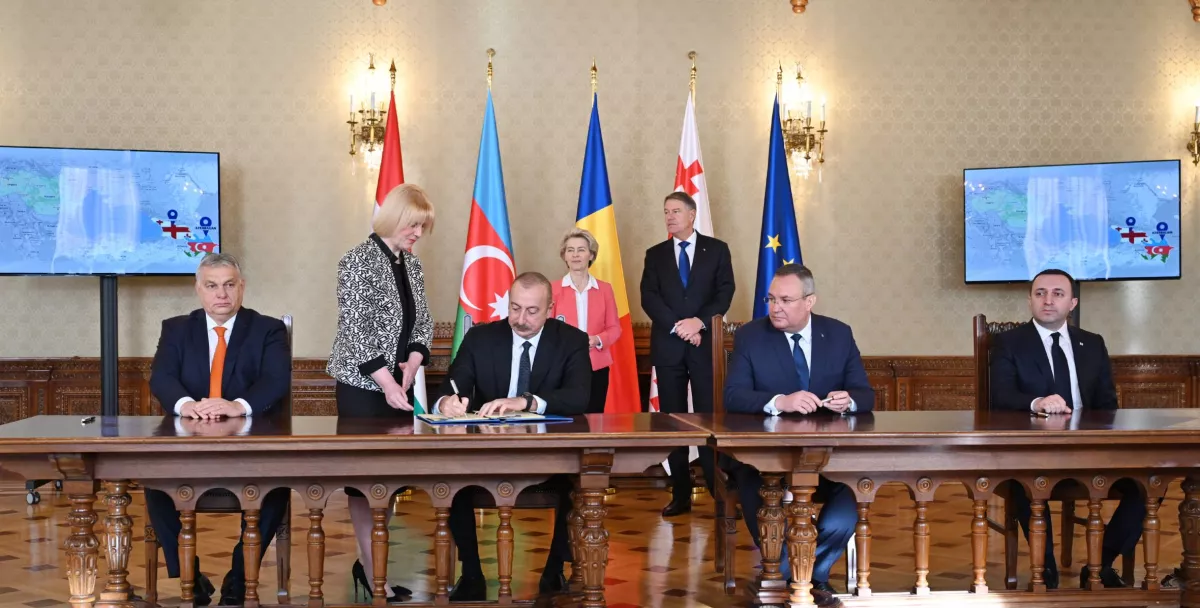
In 2022, Azerbaijan signed a Strategic Partnership Agreement on the Development and Transmission of Green Energy with Georgia, Romania, and Hungary, laying the foundation for the Caspian–Black Sea–Europe Green Energy Corridor. Its first phase is scheduled to launch by the end of this decade. By late last year, the Green Corridor was designated an EU “project of mutual interest,” opening the door to significant EU funding. In the long term, the corridor could be extended beyond the Caspian and scaled up many times over.
Notably, at COP29, Azerbaijan, Kazakhstan, and Uzbekistan signed an agreement on the transit of electricity generated from renewable sources in Central Asian countries through Azerbaijan to Europe.
Long-term prospects
Another area where collaboration is already showing substantial changes is transit. Following the EU’s effective disengagement from Russia and Iran, Azerbaijan has assumed a key role in connecting Europe with much of Asia. After the recent escalation in the Red Sea and the Strait of Hormuz, the country’s position has become even more strategic, as maritime routes between Europe and Asia through the Middle East have been disrupted. Azerbaijan, along with Georgia, represents an indispensable link in the Middle Corridor (the Trans-Caspian International Transport Route, TITR), which connects Europe and East Asia along the shortest possible path—today’s alternative being the far longer, medieval-style route around Africa.

In 2021, cargo traffic along the TITR amounted to one million tons. By 2024, it had already reached 4.5 million tons (figures for last year have yet to be published). According to former Kazakh Transport Minister Marat Karabayev, speaking before the escalation in the Middle East, by 2027 the route’s cargo turnover is expected to exceed ten million tons. The recent agreements between Baku and Brussels in January on deepening cooperation under the EU’s “Global Gateway” initiative and the Interregional Connectivity Agenda are expected to give the Middle Corridor a further boost.
Global trends indicate that the Caspian region’s role in international trade will continue to grow. Consider the facts: Iran is unlikely to re-enter global trade in the foreseeable future, and relations between the West and Russia remain at a stalemate that could persist for a long time. Russia continues its actions, while EU leadership maintains a consensus on the need for continued strong support for Ukraine.
On March 11, Ukrainska Pravda reported insider information about negotiations between the Ukrainian government and the EU, in which Kyiv requested support for another year and a half to two years. The EU intends to fund the Ukrainian government with tens of billions of euros in the near future. This will occur bypassing Hungary and Slovakia, indicating that the EU liberal establishment is prepared to break its own rules and risk internal divisions to support Kyiv. Given the lack of notable progress toward a peaceful settlement, and the fact that political power in many EU countries will only transition to a new opposition in a few years, it is reasonable to expect that the Russia–Ukraine war will continue for at least another two years.
At the same time, the governments of several Eastern European countries are effectively dismantling the remnants of transport infrastructure that crosses their territories, nullifying decades of efforts to connect the economies of the former USSR with Western Europe. In other words, even if political leadership in Western Europe changes, rebuilding links with Russia will be extremely difficult, as the widening gap between the EU and Russia has become a long-term strategic, geopolitical, and geo-economic reality likely to persist for the next thirty years.
As for infrastructure south of Azerbaijan, it is rapidly being destroyed and fragmented, and restoring it would also require decades of monumental effort in peacetime conditions.
This makes it all the more crucial to support efforts that preserve international connectivity and transit routes. In this context, long-term cooperation between Azerbaijan and the European Union is virtually guaranteed. This rapprochement is not a fleeting, opportunistic move in the style of carpe diem; rather, it is the result of sustained economic and political efforts by the Azerbaijani government, shaped by profound shifts in the geopolitics and geo-economics of the Eurasian continent as well as in global affairs.
Finally, it is important to note that, despite the growing alignment with the EU, this represents only one vector of Azerbaijan’s foreign policy. It is balanced by other recent strategic achievements: the Washington Summit in August last year, which solidified a new framework of relations with the United States, including cooperation on the Zangezur Corridor, and last year’s Declaration on Comprehensive Strategic Cooperation with China.
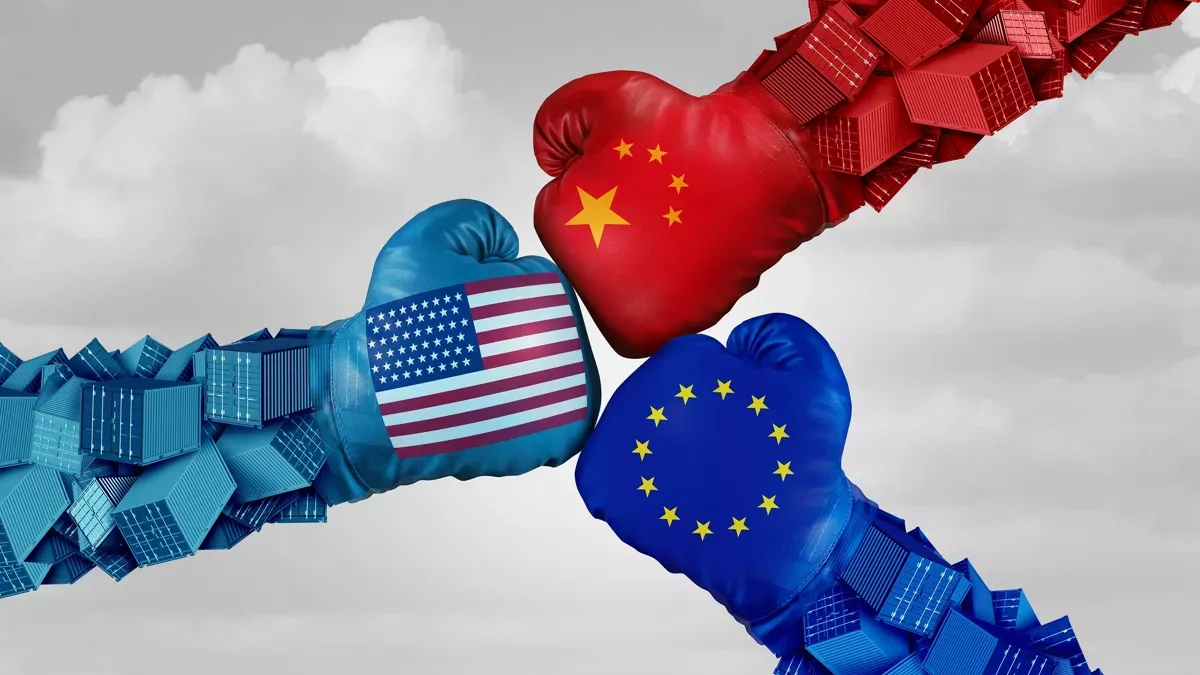
Rivalry with the United States and China is also prompting the EU to move quickly to avoid a situation where it might have to purchase Azerbaijani gas or Central Asian transit services through an American intermediary. Naturally, it also makes sense for Azerbaijan to diversify its cooperation on these projects—for example, complementing the so-called “Trump Route for International Peace and Prosperity” with a railway modernisation project in Nakhchivan supported by the EU.
Baku follows a comprehensive, multi-vector approach to foreign relations. This is especially important today, as external actors’ interests in the South Caucasus—particularly in light of Azerbaijan’s growing strategic role—have risen to levels not seen in the past eighty years. At the same time, the associated risks have increased just as sharply.
Addressing these challenges requires further strengthening of the Azerbaijani state and its institutions, including security structures, despite the successes achieved in the settlement with Armenia. In today’s world, torn apart by imperialist rivalries, the road to peace and prosperity, unfortunately, demands such guarantees.







 editor@caliber.az
 +994 55 444-88-98
 Азербайджан, Баку, ул. Низами, 203, Af Business House, 5-й этаж