










Iran’s opposition: between dreams of change and harsh reality Analysis by Shereshevskiy
The authorities of the United States and Israel are calling on Iranians to stay at home and not participate in protests while the regime’s forces are being destroyed. Bombs are falling on cities, warehouses, and government buildings are burning, and the attacking forces are advising the population to avoid casualties. Meanwhile, on Iranian opposition channels, discussions are underway about further plans to overthrow the regime and seize power.
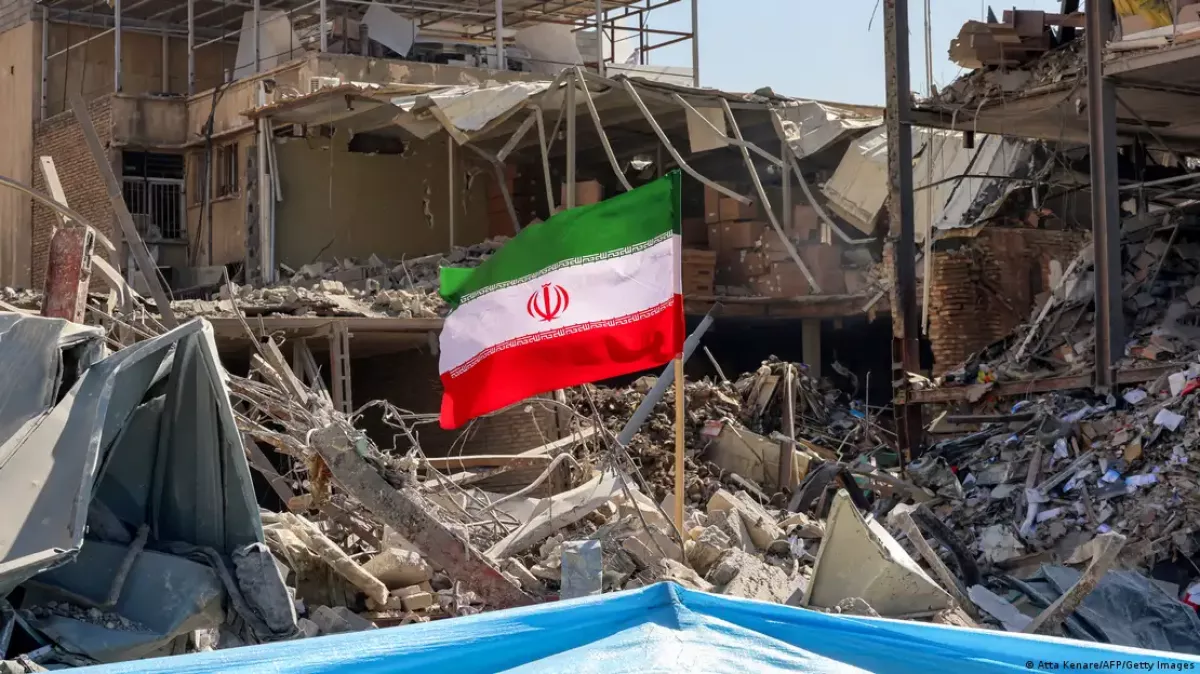
Most Iran specialists agree on the general balance between supporters and opponents of the regime. Around 70–80 per cent of the population are against it, while 20–30 per cent support it. This can be seen, for example, in voting patterns during presidential elections. The problem for Iran’s current rulers lies in their unpopularity. The Supreme Leader, the Islamic Revolutionary Guard Corps (IRGC) — the power structure on which he relies — as well as the faction of regime officials close to them, the principlists, are supported by only a minority of Iranians.
The principlists, or conservatives, advocate a hard-line foreign policy toward the United States and Israel and tighter control within the country. The reformists form another faction of the bureaucratic apparatus — they support liberalisation within Iran and a softening of relations with the West. These two groups of officials compete with each other.
When the Supreme Leader allows a candidate from the reformist faction to run in elections, that candidate usually wins. In order to ensure the election of a conservative (principlist) president — a hard-liner and protégé of Ali Khamenei, Ebrahim Raisi — in 2021, the country’s leadership, that is, the Supreme Leader, had to remove about 600 candidates from the race, including all the more prominent figures.
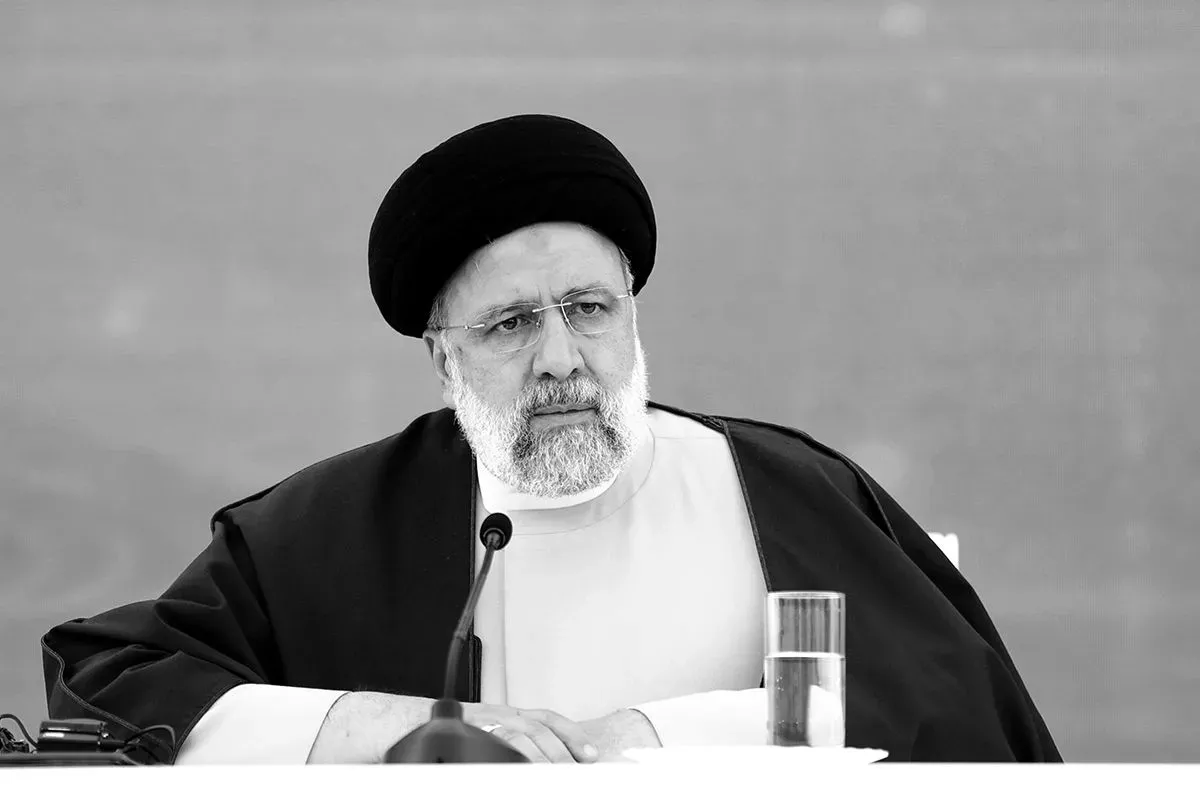
After Raisi’s death, early elections were held and were won by a representative of the reformist faction, Masoud Pezeshkian, as this time, some reformists were allowed to participate in the vote, which ultimately led to their victory.
However, the Iranian president is little more than a figure overseeing the government’s economic bloc and providing logistical support for the Supreme Leader. The latter holds absolute power.
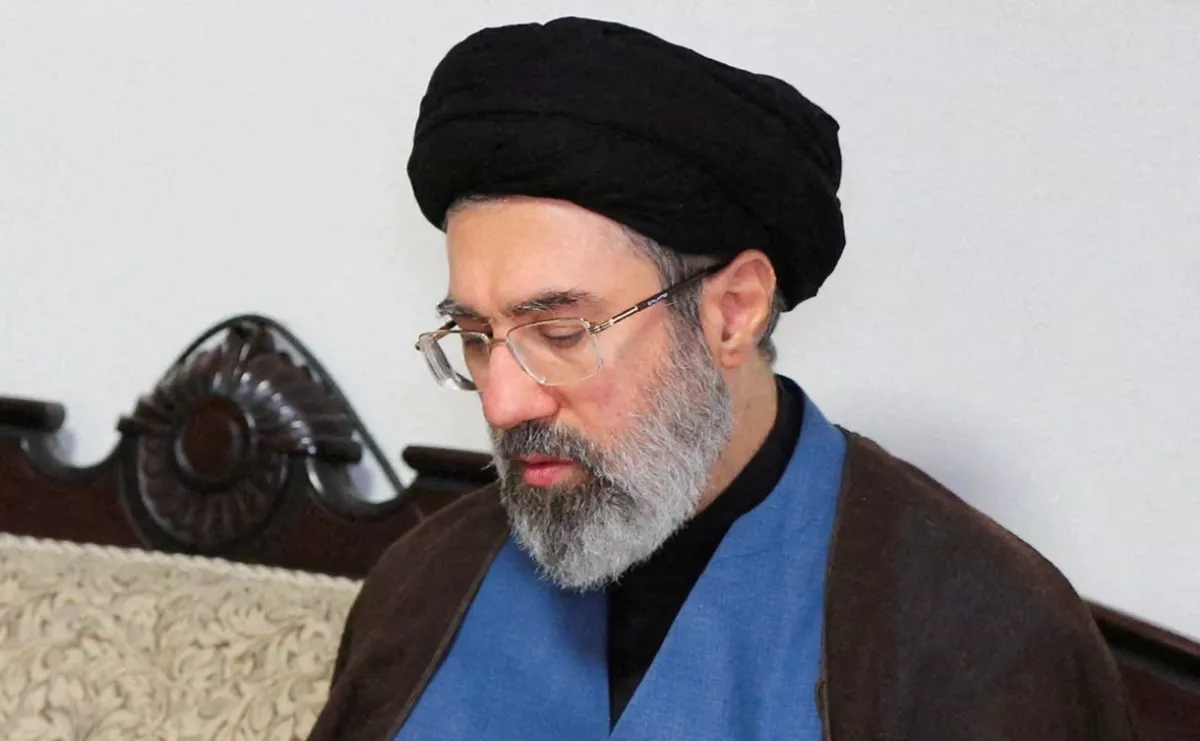
After an Israeli strike eliminated the previous Supreme Leader, his son Mojtaba Khamenei was reportedly chosen to replace him through an unclear procedure, according to Iranian state media. He avoids appearing in public. Observers are even debating whether he is alive or dead, and if the latter is true, then who is actually governing the country.
Overall, the reformists are currently very weak. They have lost a number of positions within the regime’s bureaucratic apparatus. Unlike Pezeshkian, several representatives of the Reformist Front launched sharp criticism of Iran’s leadership after the shootings during the protests on January 9–10. As a result, they were arrested.
The principlists and forces close to them, by contrast, control the government, make harsh statements toward the United States and Israel, and have promised to shoot participants in the protests. However, it is difficult to say who exactly is currently governing the country. It is obvious that it is the top leadership of the IRGC, but the question remains: who specifically?
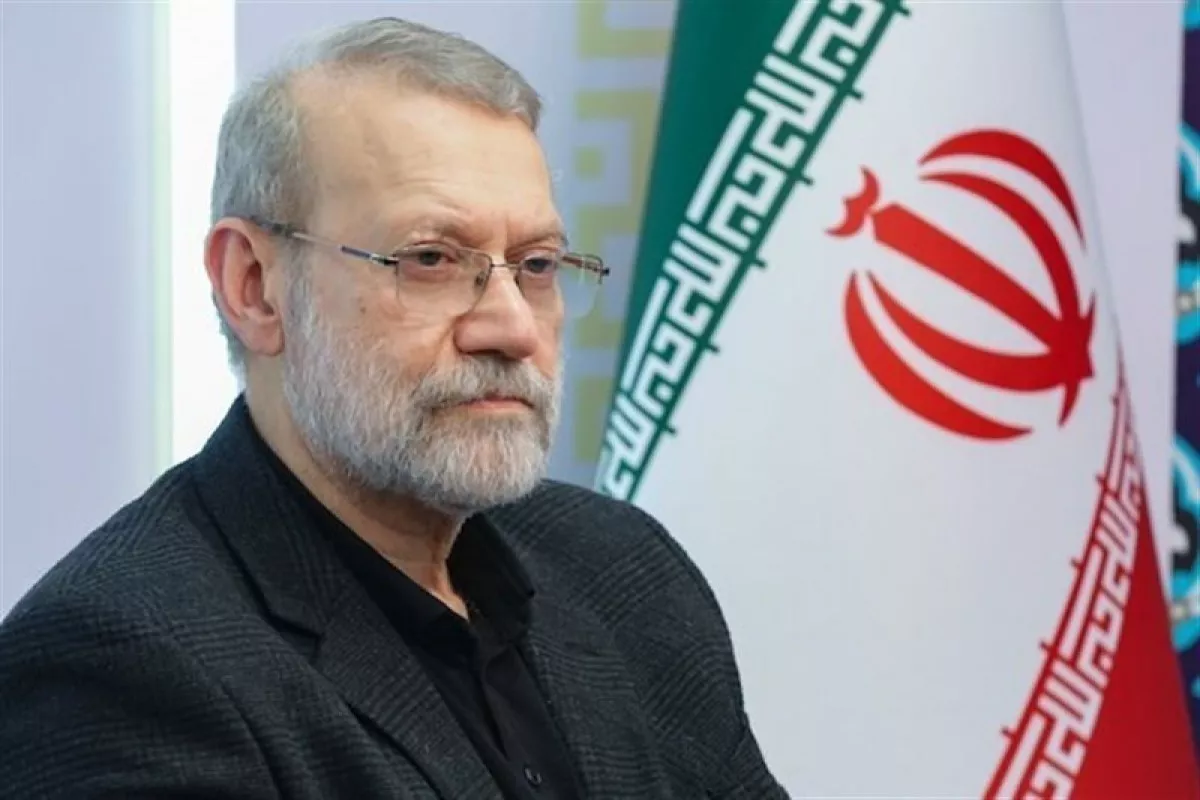
The name Ali Larijani, the chairman of the Supreme National Security Council (SNSC) — a body that unites all of the country’s security structures — is sometimes mentioned. In the past, Larijani was regarded more as a pragmatist and a centrist, but today he is demonstrating a hard-line position.
The monarchists are perhaps the only current within the opposition that today has significant influence on Iranian society. Crowds of protesters often chant the name of Crown Prince Reza Pahlavi (who currently lives in the United States). Although far from all protesters support the restoration of the shah’s regime, even some Iranians with left-wing views have moved toward this position. Until now, the monarchists have not had strong underground structures in Iran; their influence has been mostly ideological, largely due to satellite television broadcasting, where they operate popular channels.
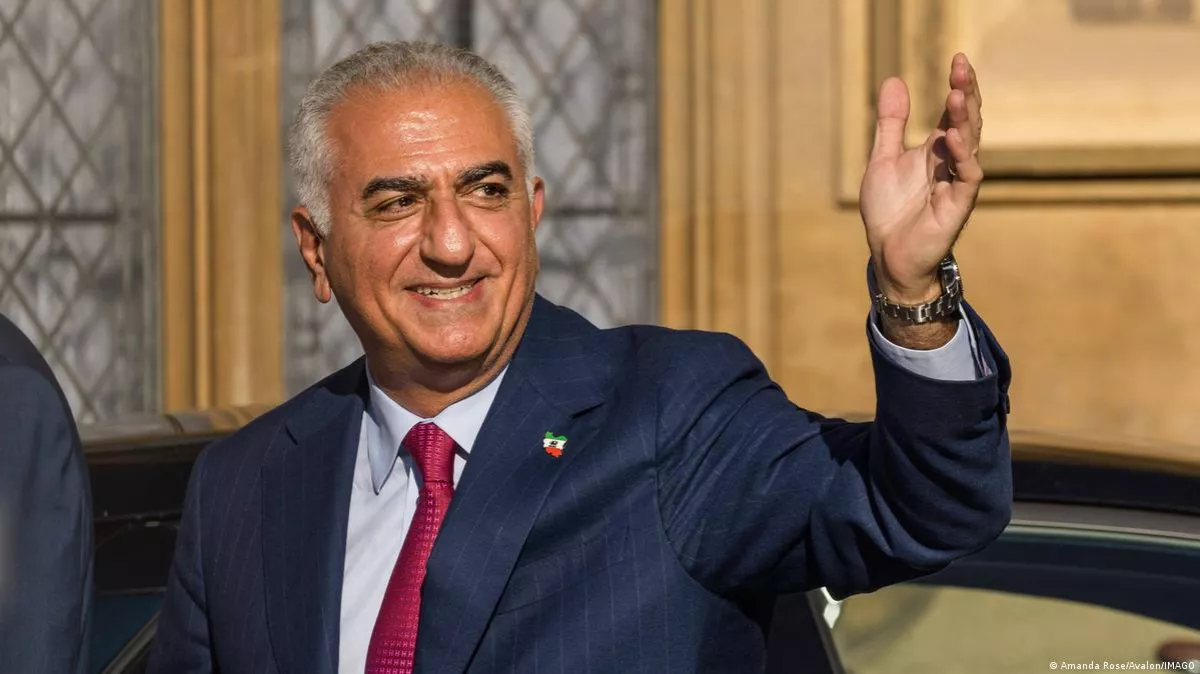
The opposition could achieve victory with the support of external intervention. Crown Prince Reza Pahlavi supported Israeli attacks against Iran’s regime in 2025 during the 12-day war, and this did not trouble most protesters in the slightest: millions of Iranians chanted the prince’s name during the protests in January 2026.
The crowds were shot at by special police forces and Basij militia members; as a result, thousands of protesters were killed, which clearly did not increase sympathy for the ruling regime in Iran. Its hopes that strikes by an external enemy — the American-Israeli coalition — would cause Iranians to rally around the flag did not come true.
Thousands of Iranians celebrated in the streets after the death of Supreme Leader Ali Khamenei. At the same time, the authorities did manage to organise rallies of mourning, although it should be remembered that the crowds at such events are often made up of state employees.
Monarchists say that they have a certain number of organised supporters inside Iran who, next time, will take to the streets no longer empty-handed. They speak of small cells, some of whose members may be armed.
According to them, some of these groups have already been ordered to attack the Basij forces — pro-government militias who are usually the ones who shoot at protesters. They claim that they will come out at the call of Reza Pahlavi, together with other Iranians, when the moment of truth arrives and such a call is made.
They also hope to act under the cover of Israeli drones, which would destroy the forces of the Iranian Basij, the police, and other loyalists.
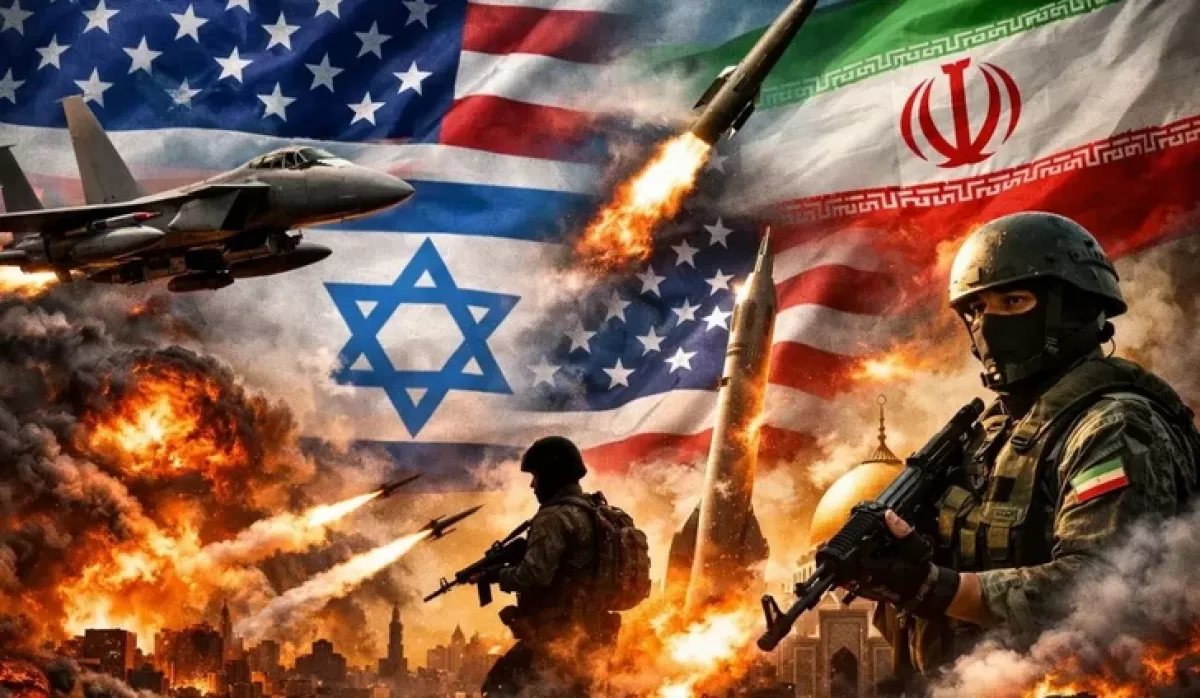
At present, American-Israeli aircraft are destroying the headquarters of the IRGC and the Basij, and even regime patrols on the streets of Tehran are being subjected to intensive air strikes, forcing them to hide under bridges or in underground shelters. The monarchists also hope that by the time an uprising begins, the power institutions of the Islamic Republic will already have been weakened by American-Israeli strikes.
Iranian left-wing groups and some other forces that advocate bourgeois-democratic values (in the modern world these are practically the same thing) are not enthusiastic about such a scenario. However, they are not influential in Iran, and their opinion is unlikely to affect anything.
How realistic are the monarchists’ plans? In principle, this is a repetition of the Libyan and Syrian scenarios: external forces attack the loyalists, while opposition forces act under this umbrella. In Libya and Syria, this approach led to the victory of the armed opposition. The difference is that in Iran, an armed opposition is not yet visible, and even where it exists — in Iranian Kurdistan and Sistan and Baluchistan — it remains small in number.
Will the monarchists be able to organise serious armed forces underground? Anything is possible, but so far, no one has seen these groups in action, and it is not even known whether they actually exist or if this is merely fiction.
Another plan is connected with the possibility of eliminating the regime through an invasion. Six Kurdish parties linked to influential armed Kurdish groups outside Iran have formed an alliance to fight the Islamic Republic with the goal of overthrowing it. The Kurds have made contradictory statements: at times they claim that some of their forces are already inside Iran, while at other times they say they do not intend to participate in such an operation.
Iranian monarchists view this project negatively and are urging Donald Trump not to rely on Kurdish separatists, to preserve Iran’s territorial integrity, and instead to support the monarchists. However, it is still unclear what the monarchists themselves are capable of and whether they possess any serious capacity to conduct military operations.







 editor@caliber.az
 +994 55 444-88-98
 Азербайджан, Баку, ул. Низами, 203, Af Business House, 5-й этаж