










Arctic calculation What EU membership could bring to Iceland
Severe geopolitical turbulence and economic uncertainty amid the rapid transformation of the world order are forcing even the most stubborn European countries to seek shelter under the “EU umbrella,” and Iceland could very well become one of them.
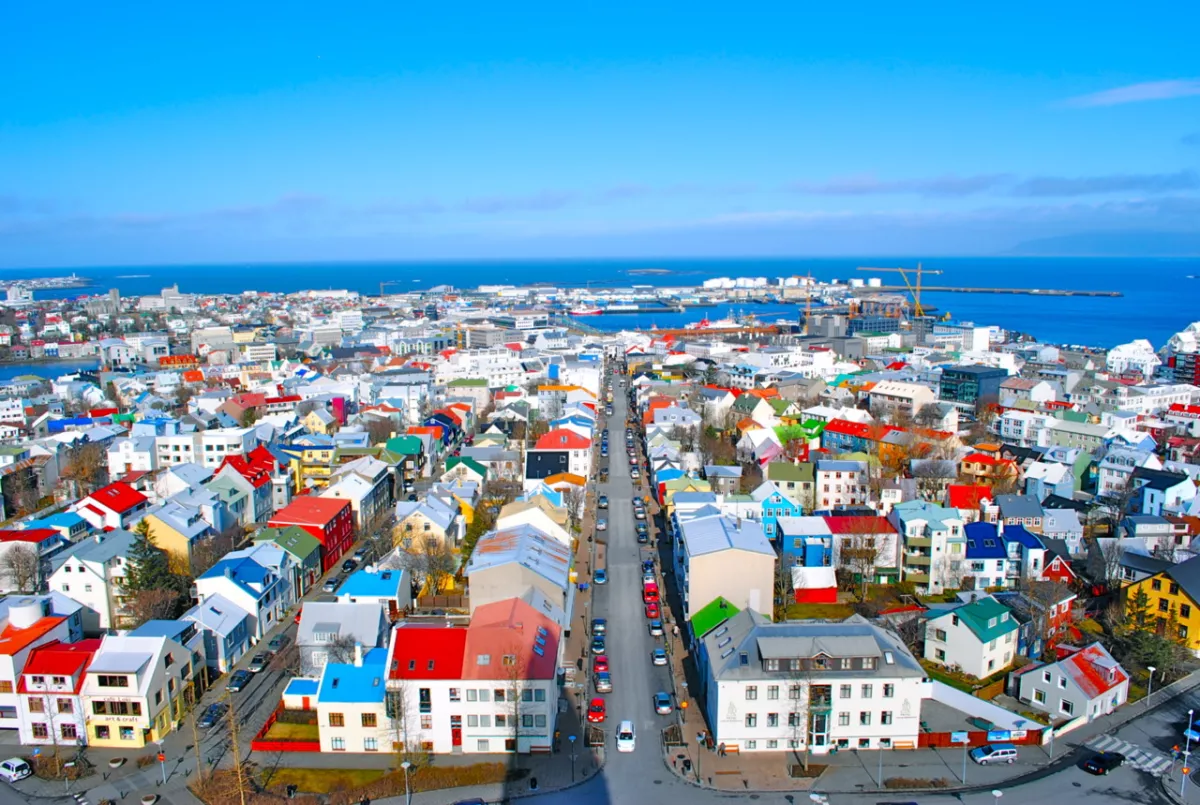
According to Iceland’s Minister for Foreign Affairs, Þorgerður Katrín Gunnarsdóttir, Icelanders will vote in a referendum on August 29 on the following question: “Should negotiations on joining the European Union be resumed?” The decision has been welcomed by the European Commission. “Iceland is a close and valued partner of the EU,” said Commission spokesperson Markus Lammert. “Our cooperation is already strong and wide-ranging and we look forward to continuing and further strengthening our close cooperation with the Icelandic authorities.”
To begin with, Iceland applied for EU membership in 2009 in the wake of the global financial crisis, which severely shook the economy of this North Atlantic island state. However, in 2015, Reykjavík decided to suspend the negotiations and withdrew from the process. This decision by the authorities was largely driven by economic considerations, particularly those related to one of the country’s most profitable sectors—fisheries.
Iceland’s economy rests on three main pillars: high-tech fisheries (accounting for about 40 per cent of export revenues), tourism, and energy-intensive industries, primarily aluminium smelting. If the country were to join the European Union, control over Iceland’s fishery resources would, under the bloc’s Common Fisheries Policy (CFP), shift to Brussels. This prospect became the main obstacle to the country’s accession to the EU.
In addition, between 2013 and 2015, the country was governed by centre-right forces—the Progressive Party (Iceland) and the Independence Party (Iceland)—which were openly opposed to EU membership. The authorities were also unwilling to abandon the Icelandic króna and place the country under the monetary policy framework of the Eurozone.
At the same time, a majority of Icelanders did not support European integration, believing that the country had successfully overcome the Global Financial Crisis of 2008 on its own. As a result, in March 2015, the authorities of the “land of fire and ice” officially withdrew the country’s application to join the EU, and the negotiations were completely halted. Iceland remained outside the union but continued cooperation through the European Economic Area (EEA) and the Schengen Agreement.
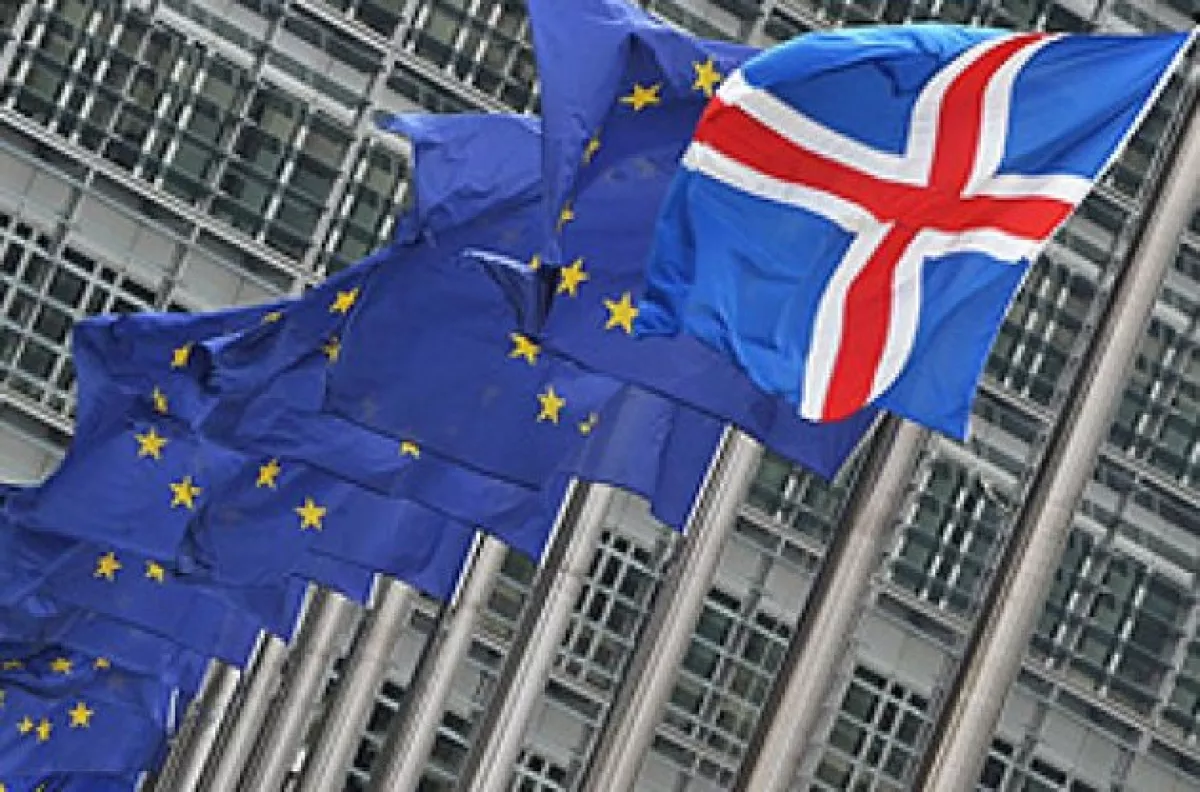
Today, this island nation appears to be taking a more pragmatic approach to the matter of EU membership, which raises a reasonable question: what advantages and disadvantages could membership in the European Union bring to Iceland?
It is particularly noteworthy that in 2025, the country’s authorities announced their intention to begin negotiations on a defence partnership with the EU. At the time, the President of the European Commission, Ursula von der Leyen, noted that “we will cooperate more closely on hybrid threat response, civil protection and secure communications.”
For her part, the Prime Minister of the island state, Kristrún Mjöll Frostadóttir, emphasised that “this is very important for us to show that we can have cooperation on critical infrastructure, civil protection, any sort of dual-use defence investment and this also includes hybrid and cyber threats.”
Firstly, equally significant is the fact that such cooperation would allow Iceland to gain access to the SAFE project, under which approximately €150 billion ($174.8 billion) per year is invested in security and defence initiatives.
Secondly, the issue of European integration has returned to the forefront of Iceland’s foreign policy agenda due to the complex geopolitical situation in the world. In the current economic and political environment, the country is likely seeking to minimise the risks posed by trade barriers introduced by major partners, including the United States.
Full membership in the European Union would provide Reykjavík with broader access to EU markets, which would be beneficial from the perspective of exporting energy resources. In addition, Iceland would gain representation in key EU institutions such as the European Commission and the European Parliament, enabling the country to play a more active role in shaping common European policies.
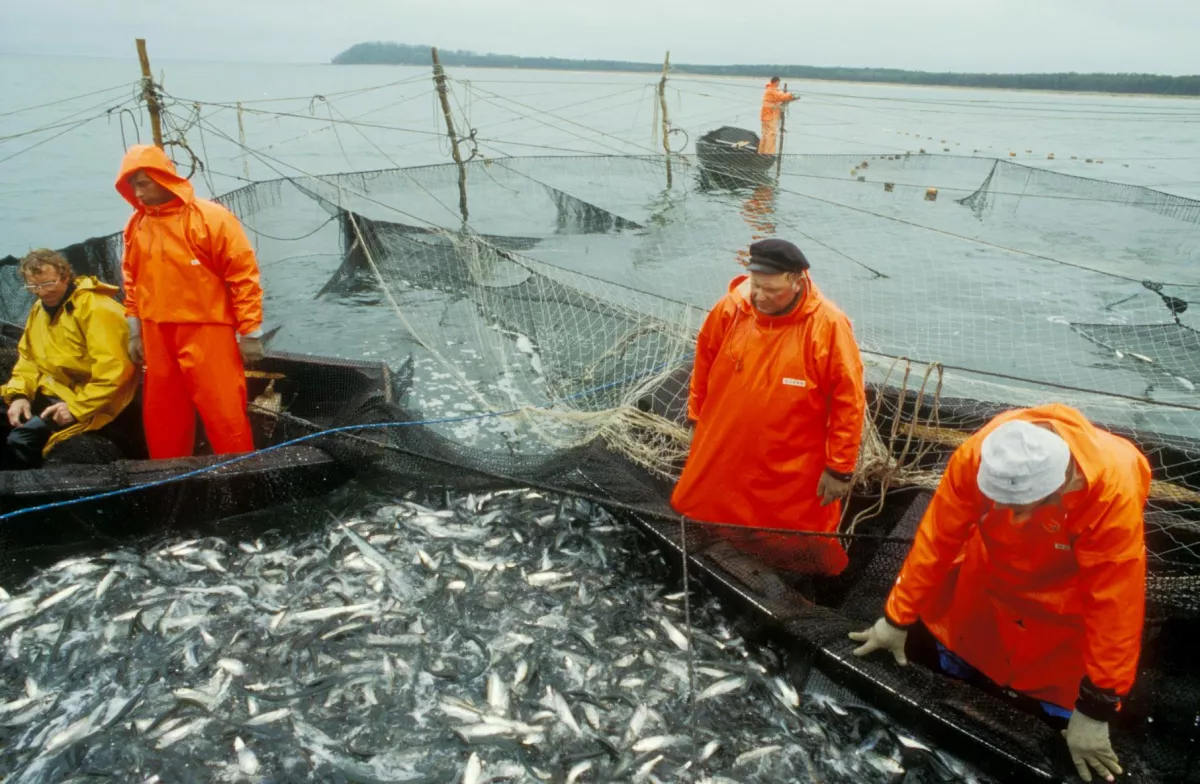
As for the downsides, the issue of fishery resources once again comes to the forefront. As already noted, the country’s membership in the European Union would inevitably limit its control over these resources. Whether the Icelandic authorities will be able to negotiate certain preferences—such as retaining national control over their fishing zone—remains an open question.
At the same time, they must take into account that public support for EU membership in Iceland is gradually increasing. This is evidenced by a survey conducted in June 2025 by the research company Maskína, according to which just over 54 per cent of respondents supported joining the union. Moreover, the majority of them believe that their families would enjoy a higher standard of living as part of the European Union.
As for the European Union itself, acquiring a member state such as Iceland would be beneficial for the bloc economically, strategically, and geopolitically. Given that the “land of fire and ice” occupies an important geographic position between Europe and North America, cooperation with and influence over this island nation would strengthen the EU’s presence in the North Atlantic and the Arctic, regions where powers such as Russia and China are increasingly active.
Moreover, Iceland possesses enormous renewable energy potential, which is particularly important for Brussels in the context of the transition to green energy and efforts to ensure long-term energy security.
Thus, based on the above, it can be argued that the issue of Iceland’s accession to the European Union is unlikely to be shelved for long. However, it will require considerable diplomatic skill from Reykjavík to reach a compromise over the well-known “fisheries problem.”







 editor@caliber.az
 +994 55 444-88-98
 Азербайджан, Баку, ул. Низами, 203, Af Business House, 5-й этаж