










Transit and energy matter more than sanctions Georgia’s role in Europe’s energy security
The European Union has backed away from its sanction threats against Georgia and excluded the Georgian oil terminal of Kulevi from the 20th package of anti-Russian sanctions. In connection with this decision, the EU Special Envoy for Sanctions, David O'Sullivan, sent a letter to Georgian Foreign Minister Maka Bochorishvili.
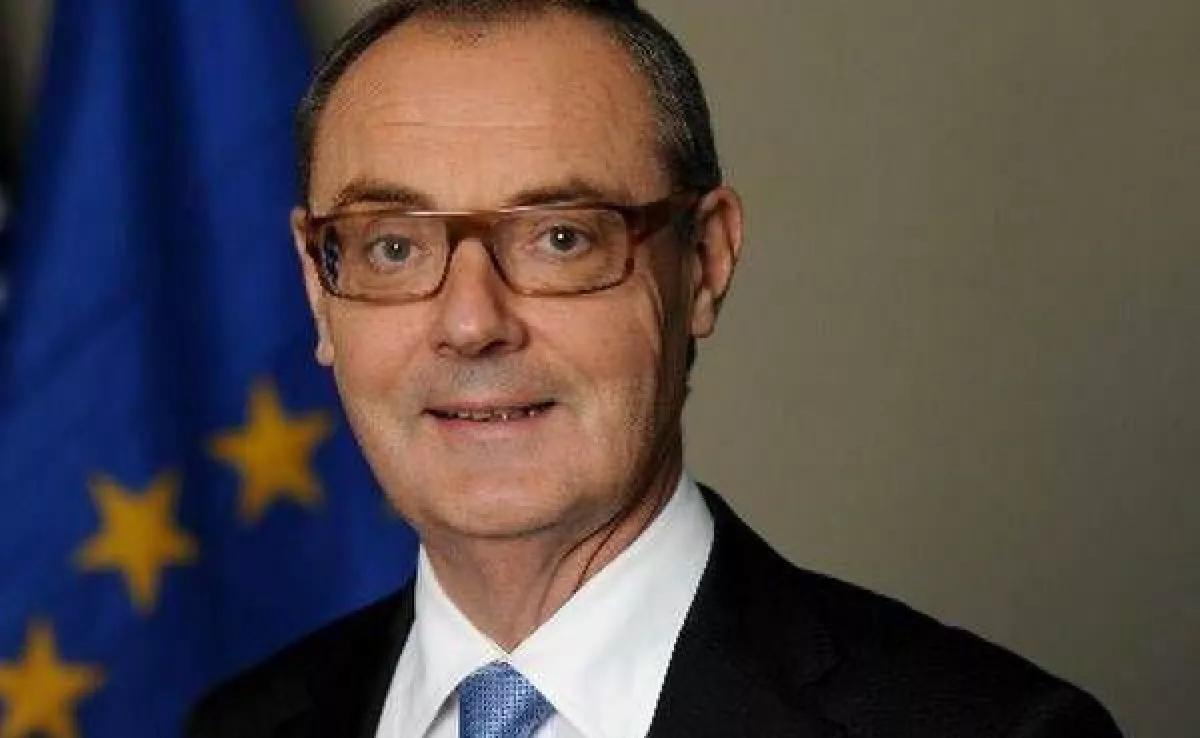
“The Kulevi Port located in Georgia was initially proposed for possible inclusion in the 20th sanctions package due to its role in the maritime transport of Russian oil and port calls by Shadow Fleet tankers.
This initial position has been reassessed following the positive commitments that your authorities and the port operator have taken.I welcome your commitment that Georgia will not allow EU-sanctioned vessels to enter its ports or receive services and SOCAR’s commitments that it will conduct its activities in strict compliance with relevant EU sanctions, including by respecting the price cap and EU’s imports bans on Russian crude oil and of refined products made from such oil. These commitments have been critical for our review of the situation and ultimately led to the non-inclusion of the Kulevi port in our 20th sanctions package. The EU is monitoring closely the movements of the Shadow Fleet and will continue to do so,” David O'Sullivan noted.
The EU’s information about the exclusion of the Kulevi port from the 20th package of anti-Russian sanctions was also commented on by the Speaker of the Georgian Parliament, Shalva Papuashvili. He once again emphasised what he described as the unfairness and bias of European diplomats toward Georgia, particularly Germany’s ambassador Peter Fischer. In late February 2026, the diplomat stated that the document on sanctions against Russia allegedly contained a package of evidence indicating that sanctions were being circumvented through Kulevi.
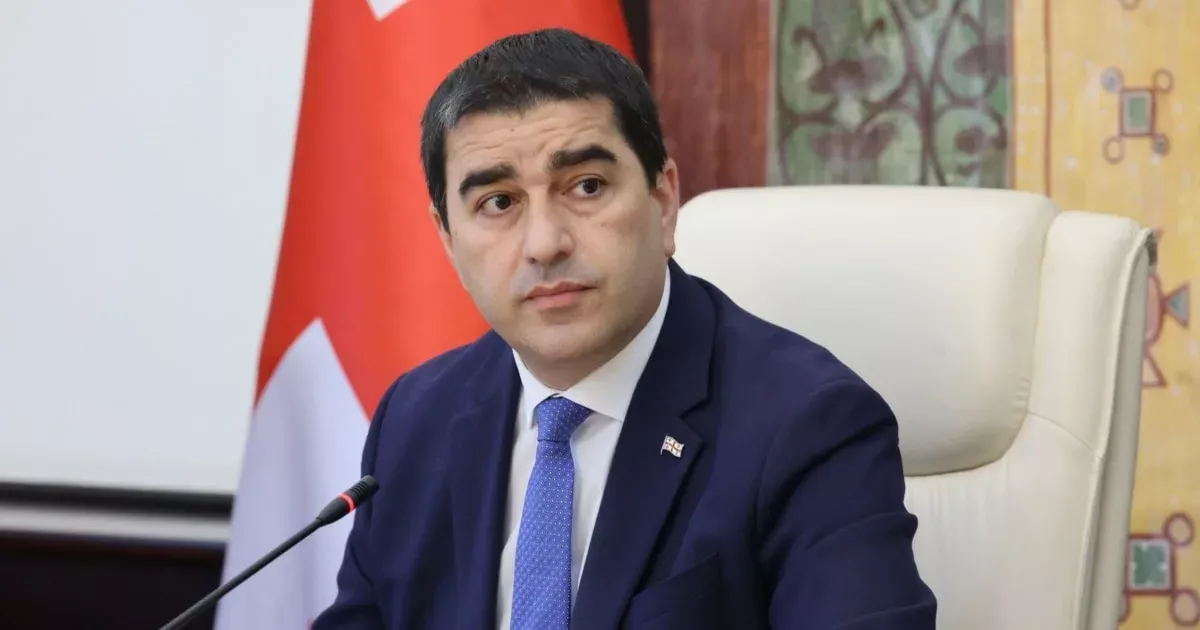
“Universally recognized German honesty, in such cases, implies an apology. But in Mr. Peter's case, it seems permissible first to manipulate with lies, and then to fail to notice the truth. The rules-based international order has been violated, but what has honesty done wrong?!” Shalva Papuashvili wrote.
The EU’s refusal to impose sanctions on the Kulevi port has become quite symbolic. Although Brussels’ previous demands toward the Georgian authorities—effectively requiring a renunciation of national sovereignty—remain in place, the sanctions that the EU actually introduces are largely propagandistic in nature and have little real impact.
Georgian Prime Minister Irakli Kobakhidze commented rather ironically on such a European sanction as the “cancellation of visa-free travel.” According to him, just as former President Mikheil Saakashvili opened the same facility five times, the European Union has acted in a similar way by “canceling the same visa regime for diplomatic passports five times.”
At the same time, Kobakhidze described his country’s current course as the correct one (which, he noted, is confirmed by the double-digit growth rates of the Georgian economy). He also criticised the EU’s course, which, in his words, is leading the bloc toward economic stagnation.
“We have the right course; the course must be corrected by the European Union. I don’t know where the European bureaucracy is taking the EU. We are talking, among other things, about the economy: in 2008, the EU’s share of the global economy was 30%, now it has fallen to 17.5%. The data for 2025 will be even lower,” Kobakhidze stated.
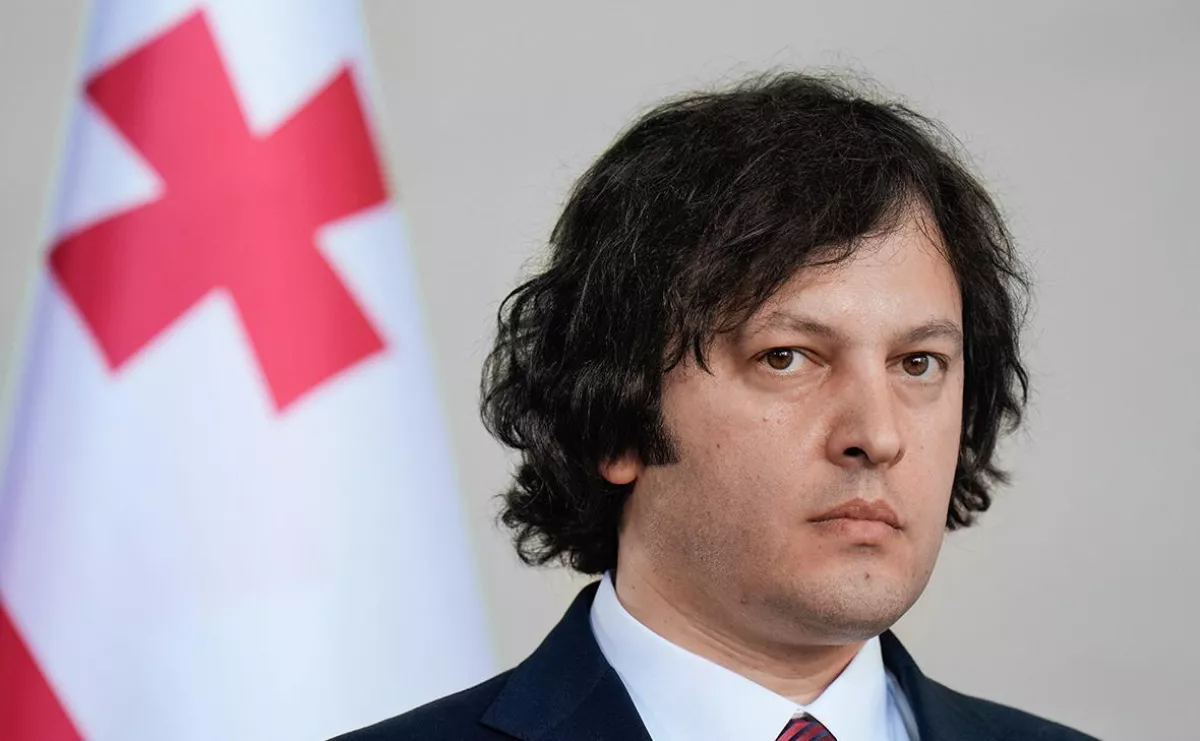
According to Irakli Kobakhidze, the European bureaucracy must adjust its course in order to avoid the problems it is artificially creating for the entire EU.
One of the reasons why the EU’s share of the global economy is declining, as is well known, is Europe’s dependence on imported energy resources, the supply of which is closely linked to geopolitics. The war in Ukraine has led to a sharp reduction in oil and gas imports from Russia. The current conflict around Iran is already affecting the EU’s energy supplies from the Persian Gulf. Under these circumstances, the role of energy resources from the Caspian basin for Europe is rapidly increasing — something that European officials themselves have already noted.
Thus, EU Commissioner for Energy Dan Jørgensen stated that Azerbaijani gas is extremely important for Europe while speaking in Baku at a press conference following the 12th ministerial meeting of the Southern Gas Corridor (SGC) Advisory Council and the 4th ministerial meeting within the framework of the Green Energy Advisory Council, which were held in early March 2026.
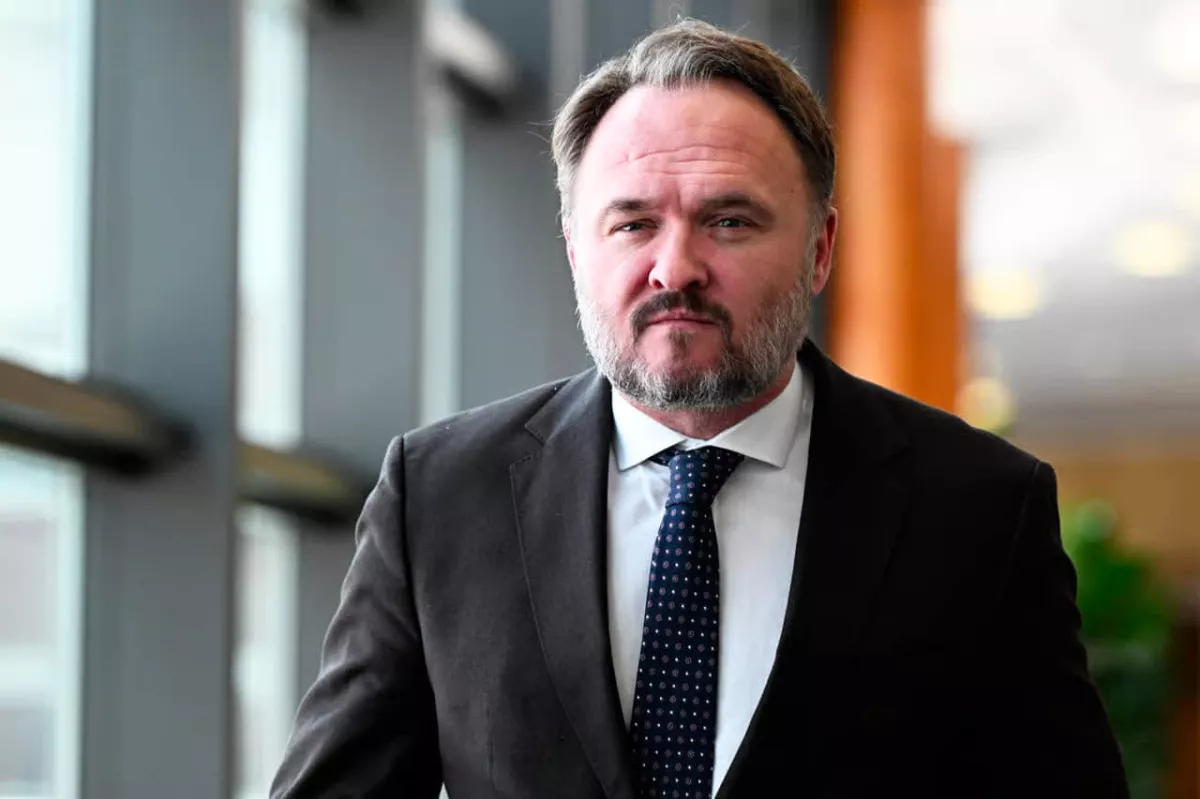
“In 2022, we imported 45% of the gas consumed in Europe from Russia. We were very dependent. Therefore, we began phasing out this dependence. As of today, we import probably around 10%. But even 10% is still too much. We do not want to import a single molecule of Russian energy resources. That is why we decided to impose a ban on the import of Russian gas, which is now enshrined in legislation and is coming into effect, gradually freeing us from the last remnants of dependence. In such a situation, in such a troubled world, we value our friends even more. And it is absolutely clear that the gas we can receive from Azerbaijan is extremely important for us. We are very pleased with this cooperation,” Dan Jørgensen emphasised.
However, if the transit services of Russia are not used, Azerbaijani oil and natural gas can currently reach Europe only through Georgia. Under such circumstances, it would be complete madness from the standpoint of EU interests to “block” this route themselves by organising “revolutions” or a “second front” in Georgia.
Sanctions by the EU against Georgian infrastructure facilities involved in the transit of energy resources, such as the Kulevi oil terminal, also appear illogical and contrary to European economic interests.
By Vladimir Tskhvediani, Georgia, exclusively for Caliber.Az







 editor@caliber.az
 +994 55 444-88-98
 Азербайджан, Баку, ул. Низами, 203, Af Business House, 5-й этаж