










Baku and Beijing riding a wave of investment growth Review by Khazar Akhundov
China and Azerbaijan, whose trade turnover continues to grow dynamically, are today building relations at the level of a strategic partnership. The two countries are focused on expanding investment cooperation, including the implementation of joint business initiatives in sectors such as manufacturing, green energy, transport, and IT.
The prospects for expanding business ties between Baku and Beijing were outlined during a briefing held recently by China’s ambassador to Azerbaijan. This topic was also discussed a few days ago during the panel session “China and Global Governance Initiative,” organised as part of the 13th Global Baku Forum.
Cooperation between the Republic of Azerbaijan and the People’s Republic of China (PRC) in various formats has, in recent years, evolved into a strategic partnership aimed at expanding trade and economic ties. As China’s largest trading partner in the South Caucasus region, Azerbaijan has for many years accounted for more than half of the region’s total trade turnover with the PRC.
In particular, according to the results of 2024, the two countries increased their trade by 21%, reaching $3.7 billion. This momentum, according to statistics cited during a briefing by China’s Ambassador to Azerbaijan, Lu Mei, grew even more noticeably last year: “Bilateral trade turnover between China and Azerbaijan reached $4.87 billion in 2025, an increase of 30.2% compared to the previous year, breaking a record for the third consecutive year.”
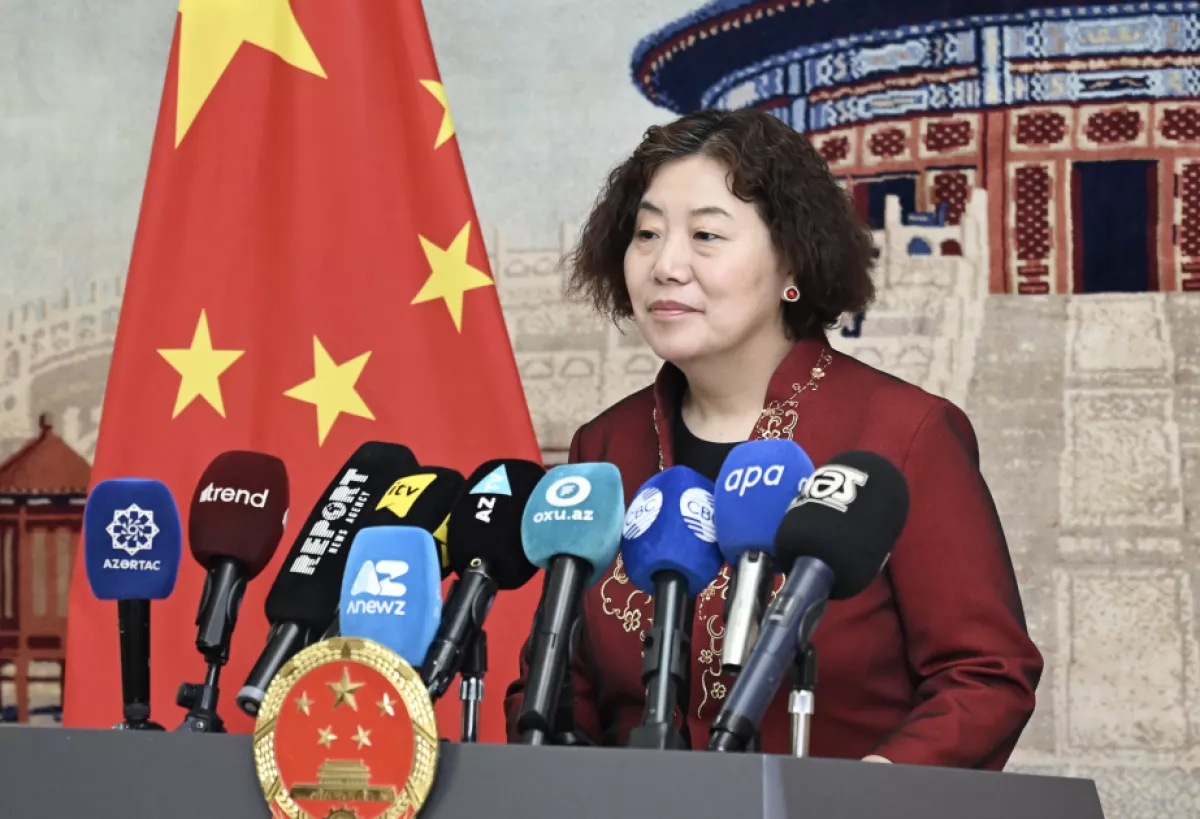
According to the Chinese ambassador, in January 2026, trade turnover between the two countries amounted to nearly $420 million, making China the third-largest trading partner of Azerbaijan for the first time. According to data from the Azerbaijani State Customs Committee, Azerbaijan–China trade turnover in January of this year exceeded $417.846 million, marking a 10.1% increase, while exports of Azerbaijani products to China during the reporting month grew 9.2 times.
Notably, in recent years, Azerbaijan has significantly increased the number of trade and business missions, taken part in leading Chinese exhibitions, and sought partners through the Invest in Azerbaijan platform. In addition, through trade and wine houses, the country has been promoting domestic products on the vast Chinese market. All these efforts are helping to expand the supply of Azerbaijani non-oil products to the large and promising market of China.
Not only is trade between the two countries growing rapidly, but the quality and level of practical business cooperation have also improved significantly. “Chinese companies are actively implementing projects in Azerbaijan in areas such as green energy, automotive manufacturing, information and communication technologies, as well as the production of construction materials,” added Lu Mei. “Pragmatic and mutually beneficial cooperation between China and Azerbaijan has enormous potential and broad opportunities for further development and modernisation.”
One example is the partnership between Baku and Beijing in constructing energy-generating facilities based on renewable sources in Azerbaijan. A case in point is the Khizi-Absheron Wind Power Plant, commissioned on January 8, 2026, with a capacity of 240 MW, for which the general contractor was the Chinese company PowerChina Huadong Engineering Co., Ltd. “This is the largest wind energy project in the South Caucasus, expected to provide electricity to more than 300,000 households and reduce annual carbon dioxide emissions by 400,000 tonnes, making a significant contribution to the sustainable development of Azerbaijan and the entire region,” the Chinese diploma noted.
Last year, several Chinese companies signed agreements with Azerbaijan to implement five new renewable energy projects, including solar and wind power plants, with a total installed capacity of 1,570 MW. Investors from China are active participants in these initiatives, providing equipment and know-how used in the construction of the 160 MW solar power plant in Fuzuli and the Khizi-Absheron Wind Power Plant.
The Chinese company Sichuan Sunsync Photovoltaic Technology also plans to transfer technology soon and co-finance a solar panel manufacturing facility in the Alat Special Economic Zone, with the possibility of exporting part of the production. Another potential partner for introducing battery energy storage systems (BESS) in Azerbaijan could be Chinese companies China Southern Power Grid International (Hong Kong) Co., Ltd and PowerChina Huadong Engineering Corporation Limited.
Together with Chinese partners, Azerbaijan is also exploring prospects for constructing offshore wind farms and installing photovoltaic panels in water reservoirs across the country.
Currently, around 370 companies with Chinese capital are registered in Azerbaijan, and Chinese investment in the country’s economy has reached $950 million. A key aspect of this cooperation is seen as attracting Chinese know-how and capital to Azerbaijan’s non-oil sector, high-tech and innovation industries, industrial and agricultural digitalisation, as well as wastewater treatment, recycling, and water resource management optimisation.
Additionally, in the Aghdam Industrial Park, a private Chinese investor is launching the Fujiai Azerbaijan plant for the production of elevators and escalators using Chinese components.
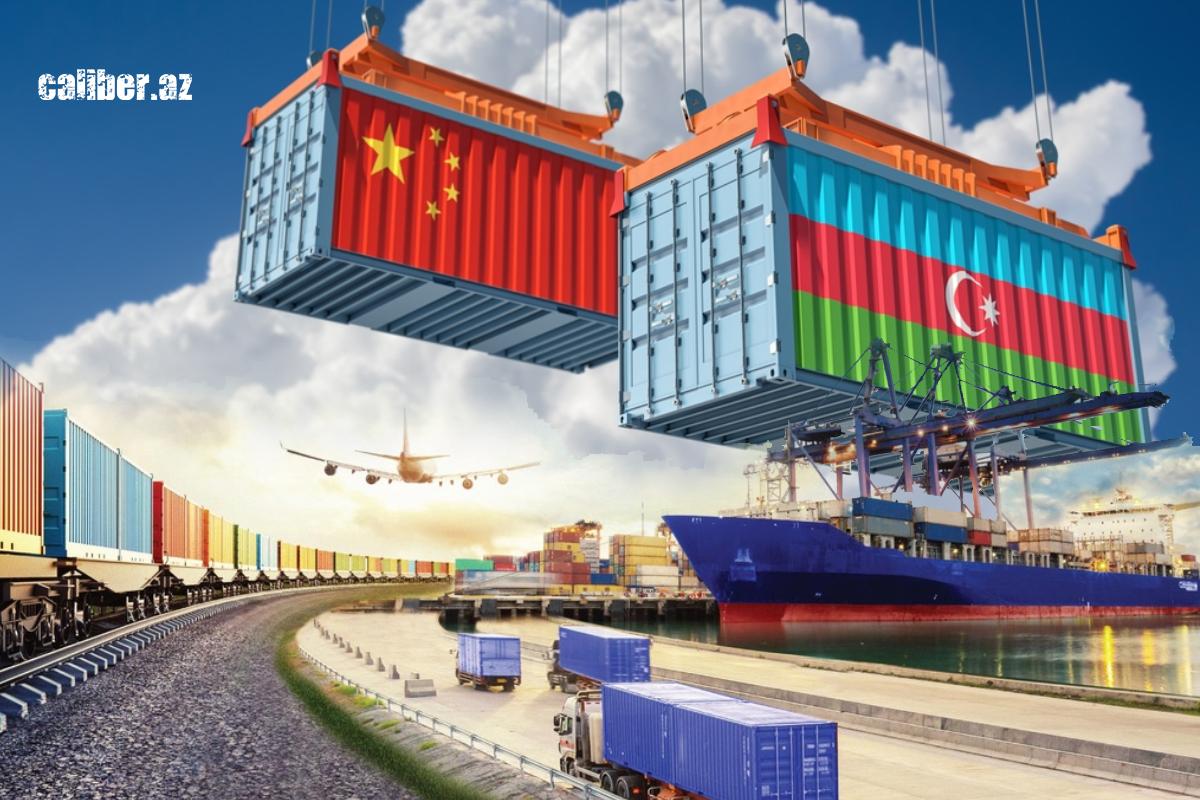
“China is ready to share with Azerbaijan the opportunities of Chinese modernisation and advanced technologies in high-tech industries and information technology,” said Lu Mei during the briefing, emphasising Beijing’s readiness to support the development of artificial intelligence (AI) and the scientific-innovation sector in Azerbaijan.
According to the diplomat, China holds a leading position globally in research, development, and practical application of technologies in AI, biomedicine, biopharmaceuticals, robotics, and quantum technologies. “Azerbaijan is also placing great emphasis on developing its AI ecosystem and digital economy,” Lu Mei added. “We are confident that your country will continue to strengthen cooperation in this field, and China is ready to provide comprehensive support for the development of innovation and high technology.”
Joint projects in infrastructure development, logistics digitalisation, and the introduction of green solutions in the transport sector have proven highly productive. In particular, in cooperation with the Chinese company BYD Company Limited, the enterprise Electrify Azerbaijan was established, focusing on the large-scale assembly of electric buses in the Sumgayit Industrial Park.
Another major initiative in urban transport could involve Chinese companies participating in the development of the Baku Metro and the construction of 10 new stations by 2030. In November last year, the Ministry of Finance held meetings with representatives of the China Export & Credit Insurance Corporation (Sinosure) and the China Road and Bridge Corporation (CRBC). Discussions focused on the involvement of Chinese specialised organisations in shaping a modern transport system for Baku and its suburbs. Representatives of Sinosure and CRBC expressed interest in participating in these projects, as well as in cooperation in engineering, construction, and technical and financial support for transport initiatives.
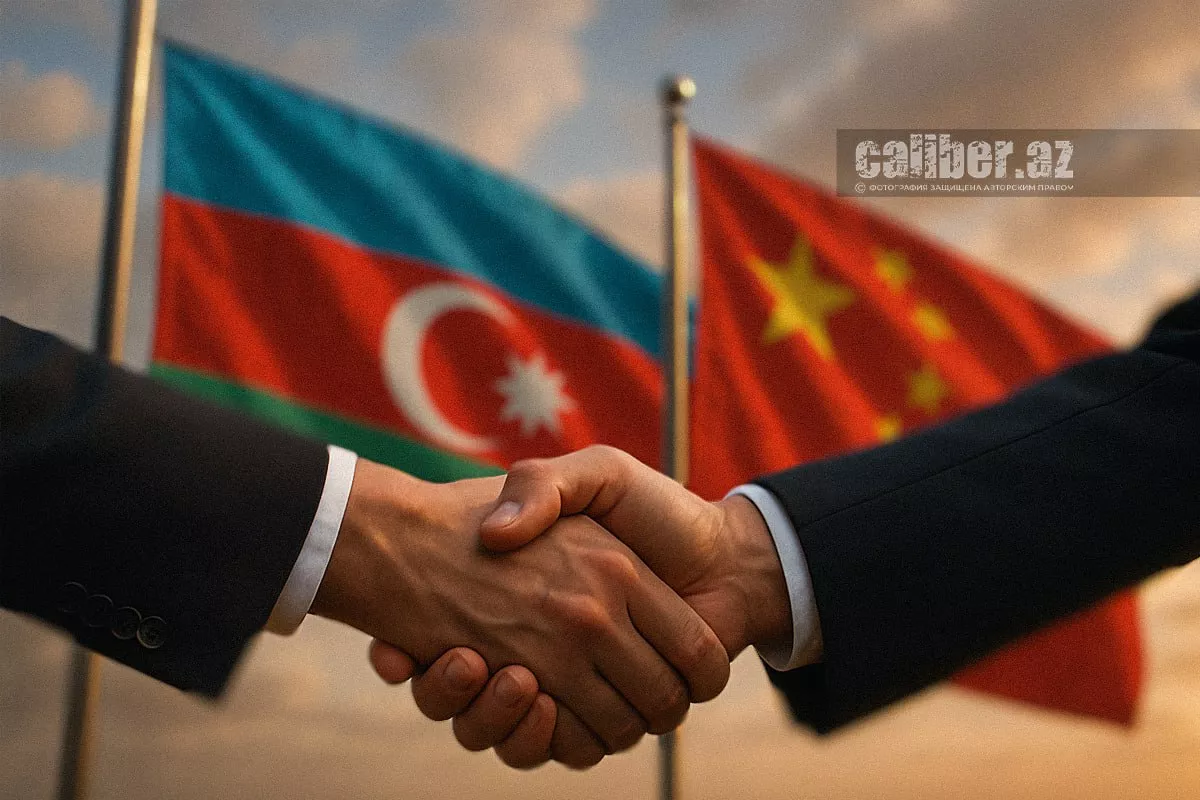
Cooperation within the framework of China’s Belt and Road Initiative and the joint implementation of projects along the Middle Corridor also appear highly promising.
“The Middle Corridor is an important instrument for strengthening economic, trade, and investment integration in the region. Connecting Central Asia with the South Caucasus, this corridor plays a crucial role in the trade and transit of goods between China, Turkey, and Europe in both directions,” said Azerbaijan’s Minister of Economy, Mikayil Jabbarov, speaking at the panel “China and Global Governance Initiative,” held as part of the 13th Global Baku Forum.
Since 2019, Baku and Beijing have been steadily expanding the transit of goods along the Trans-Caspian International Transport Route (TITR). In 2025 alone, more than 470 multimodal rail block trains were transported from Xi’an, Beijing, Shenzhen, Jinhua, and Yiwu via the TITR. Today, approximately 40% of goods arriving at the Baku International Sea Trade Port are of Chinese origin.
In 2026, the intensity of traffic along the TITR has increased even further, with transit times reduced from roughly 23 days to 11 days. According to World Bank forecasts, cargo volumes along the Middle Corridor are expected to reach 11 million tonnes by 2030, with container capacity increasing to 865,000 tonnes by 2040, driven primarily by Chinese transit.







 editor@caliber.az
 +994 55 444-88-98
 Азербайджан, Баку, ул. Низами, 203, Af Business House, 5-й этаж