










Iran’s oil trap How rising energy prices are reshaping the war
The price of Brent crude oil rose to nearly $120 per barrel (though it later dropped to around $100 and below). At present, the surge in the price of black gold is turning into an important military and political factor that strengthens Tehran.
The war between the American–Israeli coalition on one side and Iran on the other resembles a contest between two forces not only against each other, but also against time itself. The key question is: who will reach the finish line first?
The American–Israeli coalition is destroying Iranian defence enterprises and military command centres. It is eliminating Iran’s top leadership one by one. The Supreme Leader, Ali Khamenei, has been killed, along with ministers from key security agencies, senior military officers, and intelligence officials. The coalition is counting on the possibility that even if it fails to destroy the regime of the Islamic Republic — the main political rival of the United States and Israel in the Middle East — it will at least remove hardline supporters, intimidate the upper echelons of Iran’s ruling class, and push them toward accepting American demands.
The United States demands that Iran completely abandon its uranium enrichment programmes — even enrichment at the civilian level of 3–5 per cent. Tehran is being offered the option of purchasing enriched uranium abroad for the development of civilian nuclear energy. The United States and Israel say they will not allow a hostile Iran to acquire the capability to produce nuclear weapons. The demands also include halting the development of ballistic missiles — potential delivery systems for nuclear weapons — and handing over to the United States Iran’s stockpiles of uranium enriched to 60 per cent (which is close to weapons-grade).
However, the plans of the American leadership go much further. The National Energy Dominance Council, under the administration of President Donald Trump, has made an important statement. Responding to a journalist’s question about whether the U.S. leadership is concerned about rising oil prices during the war, the council’s director, Jarrod Agen, said that the goal of the United States is to establish control over Iranian oil.
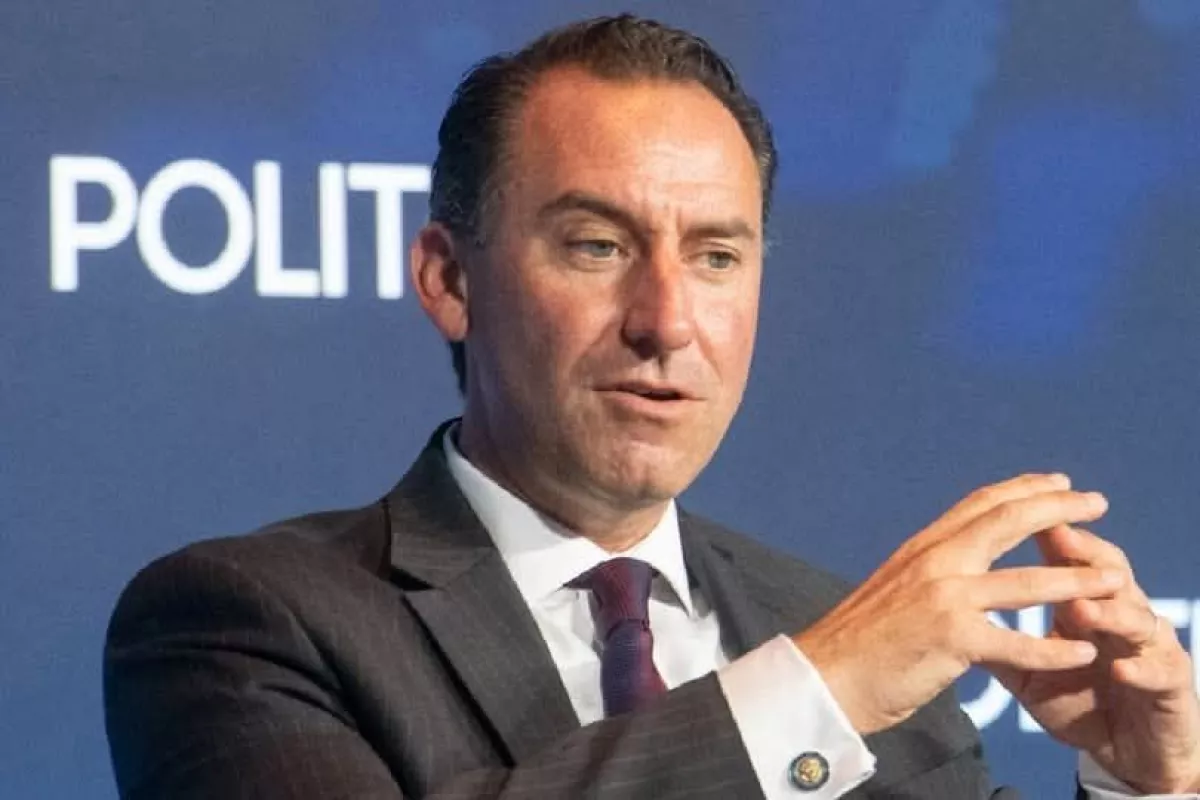
“Ultimately, we're not going to have to worry about these issues in the Strait of Hormuz because we're going to get all of the oil out of the hands of terrorists,” Agen said.
The United States seeks to repeat what it views as its success in Venezuela. It managed to capture the country’s president and install figures loyal to the United States who were prepared to carry out Washington’s demands. However, the American–Israeli plan is encountering resistance from the Iranian regime, which has its own survival strategy and is currently implementing it, with no intention of submitting to Washington.
Tehran has been carrying out strikes on the territories of neighbouring countries. It has already attacked 12 states using drones and ballistic missiles, with most of the strikes targeting Muslim countries. Even Qatar and Oman were affected, despite having acted as mediators in negotiations between the United States and Iran. Drones were launched toward Azerbaijan and missiles toward Türkiye, even though neither country had taken part in the conflict. At the same time, Iran has effectively blocked the Strait of Hormuz with missile strikes — the narrow chokepoint through which roughly a quarter of global oil trade passes.
All these actions by Tehran have been described as a “madman strategy,” yet there is a certain logic behind them. The goal is to provoke a reaction from the countries of the Persian Gulf — wealthy oil monarchies that possess a degree of influence over the administration of President Donald Trump — and force them to pressure the U.S. president into scaling back the war. According to Bloomberg, such pressure is already being exerted, though it has not yet produced results.
At the same time, by blocking the Strait of Hormuz and striking oil refineries in Saudi Arabia as well as energy facilities in Qatar, Iran is seeking to drive up global oil prices. This could trigger a global economic recession, not to mention the powerful political impact of rising fuel prices in the United States — an extremely sensitive issue for American society.
All of this increases pressure on Donald Trump from big business, the leadership of the Republican Party, and ordinary voters, pushing him toward ending the military confrontation with Iran.
Within the United States itself, more than half of Americans oppose a war with Iran, while only 44 per cent support it. The threat of defeat in the midterm elections, the fears of major corporations about a new stock market crisis and recession, and pressure from fellow party members — all of this ultimately works in favour of the Iranian regime.
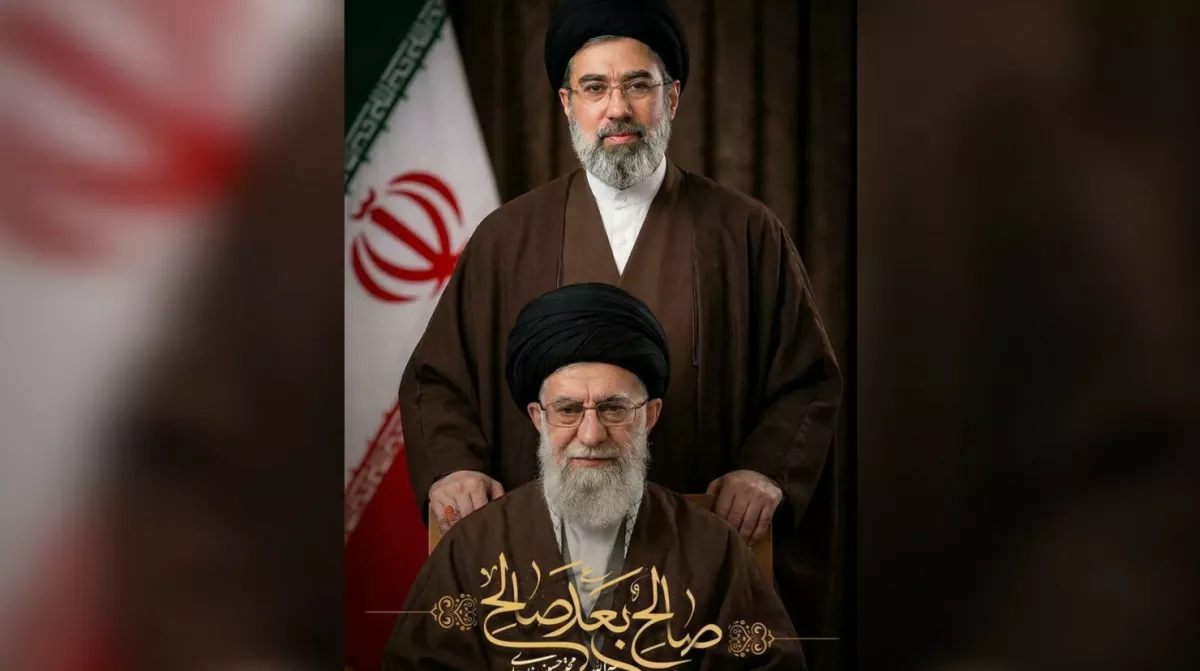
By choosing as Supreme Leader the son of the late former Supreme Leader — Mojtaba Khamenei — a politician known for his uncompromisingly hardline stance toward the United States and Israel, the leadership of the Iranian regime is demonstrating firmness to its adversaries.
The leadership of the Islamic Revolutionary Guard Corps (IRGC) — a political, military, and economic corporation that effectively controls Iran, from the security apparatus to the management of the country’s largest state and private companies — has no intention, for now, of backing down or repeating the Venezuelan scenario. And it may well succeed in holding on to power.
Within the Israeli leadership, discussions have already emerged suggesting that the operation against Iran may last no more than four to five weeks and that its participants should be satisfied with less ambitious goals than the complete elimination of the regime. This would mean that Israel and the United States would declare victory, stating that they had destroyed Iran’s nuclear and missile potential and severely weakened the regime. Whether the voters of Donald Trump and Benjamin Netanyahu would believe such claims is another question.
So does the situation ultimately favour the Iranian regime, whose primary objective is physical survival and the cessation of American–Israeli bombardments? Not entirely. The plans of the United States and Israel may involve pauses, delaying the war, and then launching new strikes aimed at eliminating Iran’s leadership and destroying the country’s system of governance. Over time, this could yield results, especially given the recurring mass protests in Iran involving multiple social classes and ethnic groups.
Another card that the American–Israeli coalition has not yet played is the possibility of a Kurdish offensive against Iran from neighbouring Iraq, where the Kurds maintain an autonomous government. However, the coalition has increasingly little time left to conduct a ground operation.
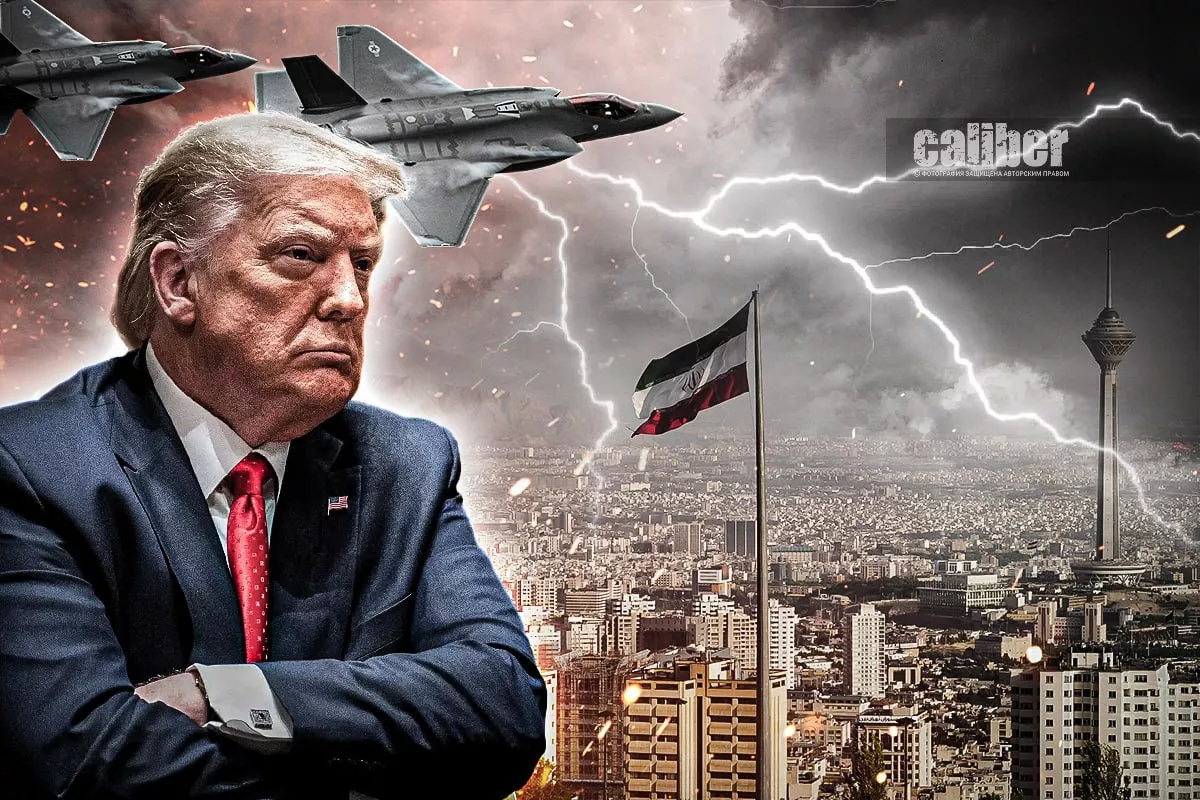
Meanwhile, Donald Trump said in an interview with CBS News that the war would soon end: “I think the war is very complete, pretty much. They have no navy, no communications, they’ve got no Air Force.”
This desire by the U.S. president to bring the war to an end is linked to the threat of an economic crisis — the rapid rise in oil prices caused by the blockade of the Strait of Hormuz.







 editor@caliber.az
 +994 55 444-88-98
 Азербайджан, Баку, ул. Низами, 203, Af Business House, 5-й этаж