










Will the Cuban apple finally ripen? Americans set their sights on the Island of Freedom
"Cuba also wants to make a deal, and I think we will pretty soon either make a deal or do whatever we have to do," U.S. President Donald Trump said to reporters on Air Force One. "We're talking to Cuba, but we're going to do Iran before Cuba."
This statement seems quite logical and reflects the White House’s reluctance to be distracted by “secondary” issues while the main battle with Iran continues. Following this line of reasoning, the Cuban leadership, on the other hand, should aim to negotiate and reach an agreement with Trump now, because at this very moment—while the American president’s attention is focused on Iran—the Cuban leadership has a hypothetical chance to secure the best possible terms for themselves.
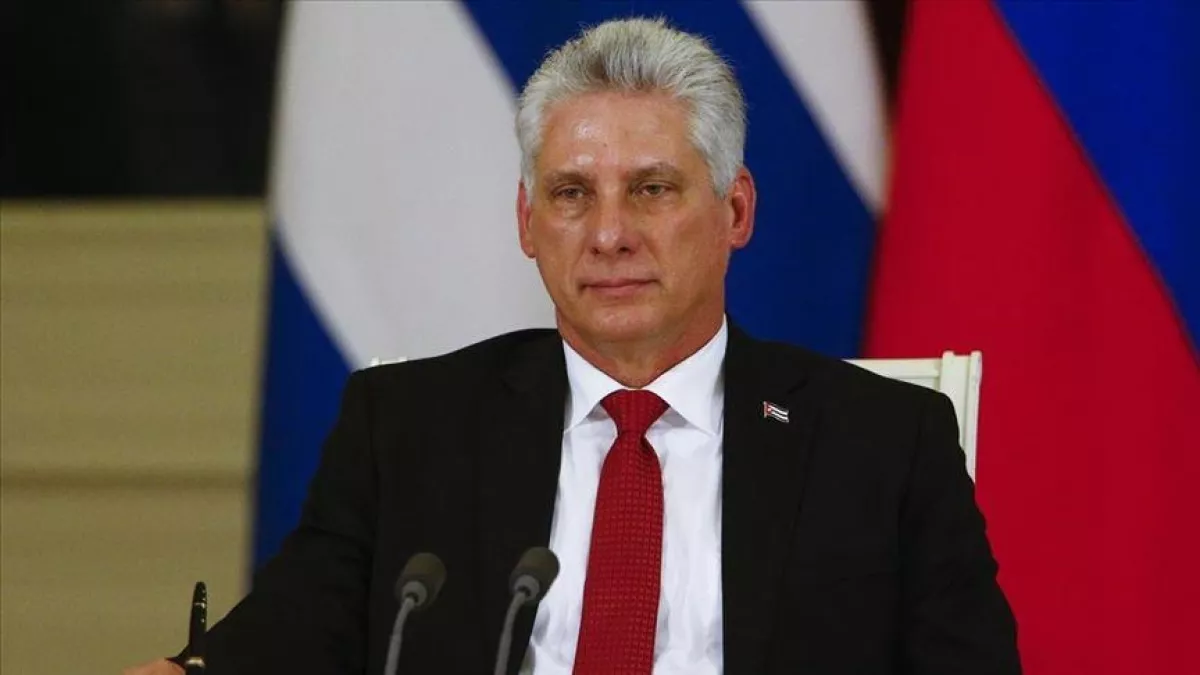
Therefore, it is not at all surprising that Cuban President Miguel Díaz-Canel announced the start of negotiations with the United States. According to him, this process is aimed at finding solutions to bilateral disagreements “through dialogue” and is currently in its “first phase.”
However, behind the façade of these somewhat contradictory statements lies the fact that informal talks between Washington and Havana have been ongoing for quite some time—practically since the United States imposed a fuel embargo on the Island of Freedom, which itself became possible following the American military operation in Venezuela and the capture of that country’s president, Nicolás Maduro. At present, it seems that both sides are ready to legitimise these negotiations, with the only question being the timing of such formalisation. As noted earlier, Havana is clearly eager to move quickly in this matter.
In this context, it should be noted that the Cuban leader’s statement was preceded by a kind of goodwill gesture from Cuba, aimed at accelerating the conclusion of a “deal”: the release of 51 prisoners arrested during the anti-government protests of 2021. Addressing the topic of negotiations, Díaz-Canel emphasised that the purpose of the contacts is to assess “the willingness of both sides to take concrete actions for the benefit of the peoples of both countries,” as well as to identify possible areas of cooperation, always based on the principle of respect for Cuba’s sovereignty.
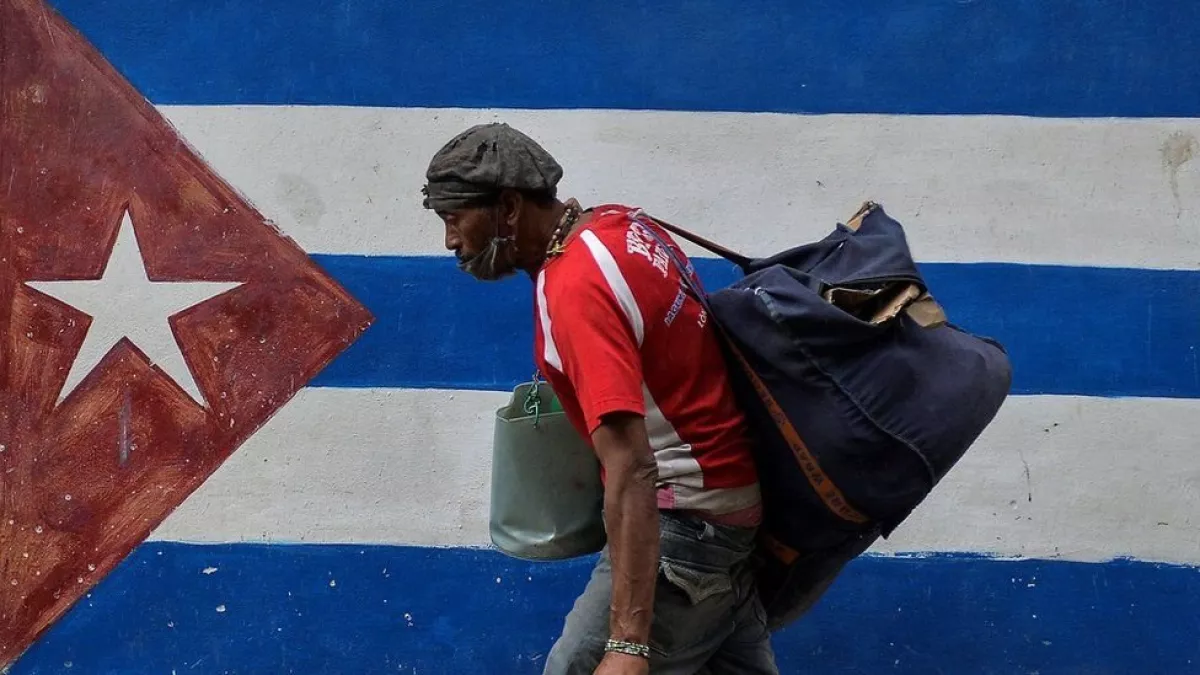
At the same time, it does not appear that the White House is ready to cooperate with the Cuban communists. Returning to Trump’s logic, it should be noted that he seems not to be aiming at liberalising the regime in Cuba or establishing, on the island, a favourable framework for American capital. Rather, the goal appears to be the complete dismantling of the political system of the Island of Freedom. Trump’s team seems to believe that the will and determination of the American nation have finally converged to eliminate the “communist contagion” just 150 kilometres from the U.S. coast.
In this sense, the struggle is truly uncompromising. One might say that the Cuban leadership still has the factor of time on its side—if it were not for the severe domestic situation. Public discontent is growing rapidly as economic conditions worsen. Fuel shortages, leading to widespread power outages and food scarcity, have prompted residents of the city of Morón to stage protests and attack the headquarters of the ruling Communist Party. The depth of the crisis engulfing the country is openly acknowledged by President Díaz-Canel. “The consequences are enormous,” he said, detailing the problems in transportation, communications, and healthcare.
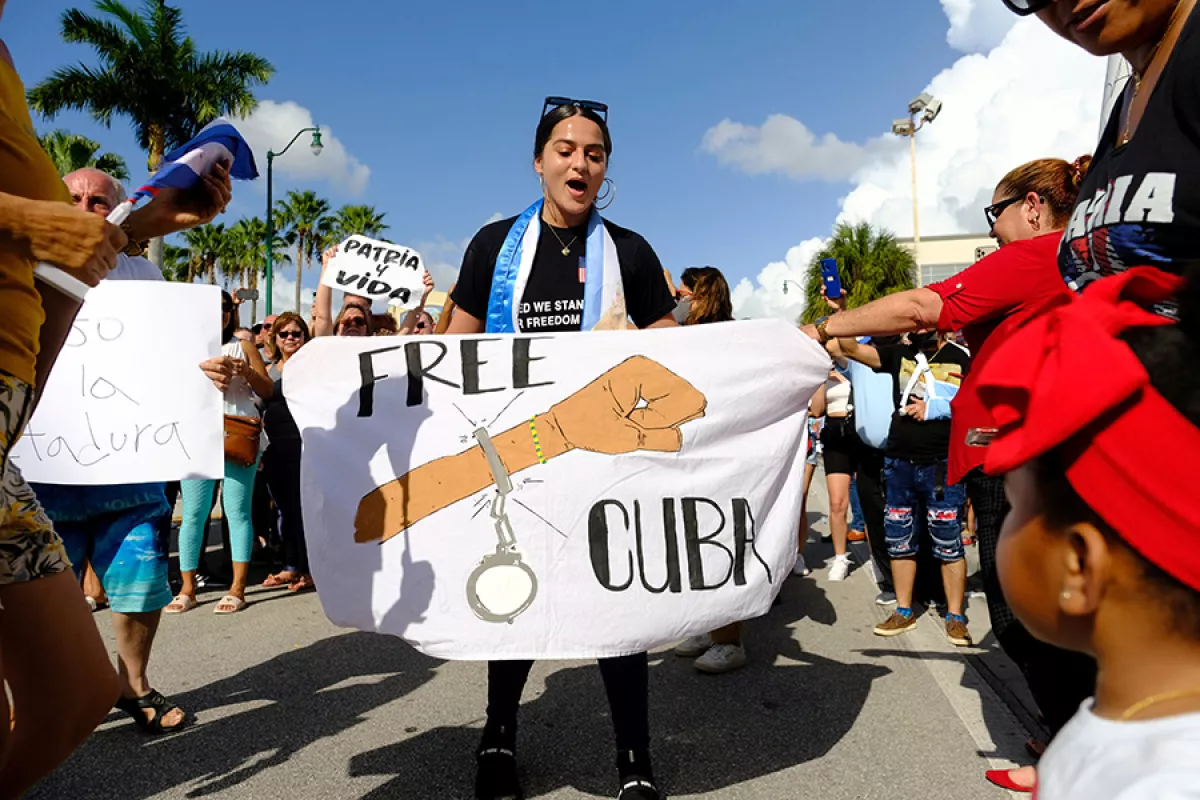
In these circumstances, time seems to be working in favour of the Americans, for whom it is advantageous to refrain from a military operation and simply wait until unrest in Cuban cities intensifies, forcing the Communist Party to raise its hands in surrender. At the same time, Trump has suggested that Washington could carry out “either a friendly or an unfriendly takeover” in Cuba.
Yet life is full of nuances and surprises, and it is often these very factors that provide a way out in seemingly hopeless situations—especially when the outcome of the U.S. and Israeli military operation against Iran still does not appear entirely certain. In the Middle East, the interests of major players have clashed, and the result of this war will inevitably affect the fate of the Western Hemisphere as well.







 editor@caliber.az
 +994 55 444-88-98
 Азербайджан, Баку, ул. Низами, 203, Af Business House, 5-й этаж