










Europe’s atomic frenzy EU bets on small modular reactors
The increasingly complex geopolitical landscape is prompting the European Union to take decisive measures to strengthen its security across multiple sectors, including the energy industry.
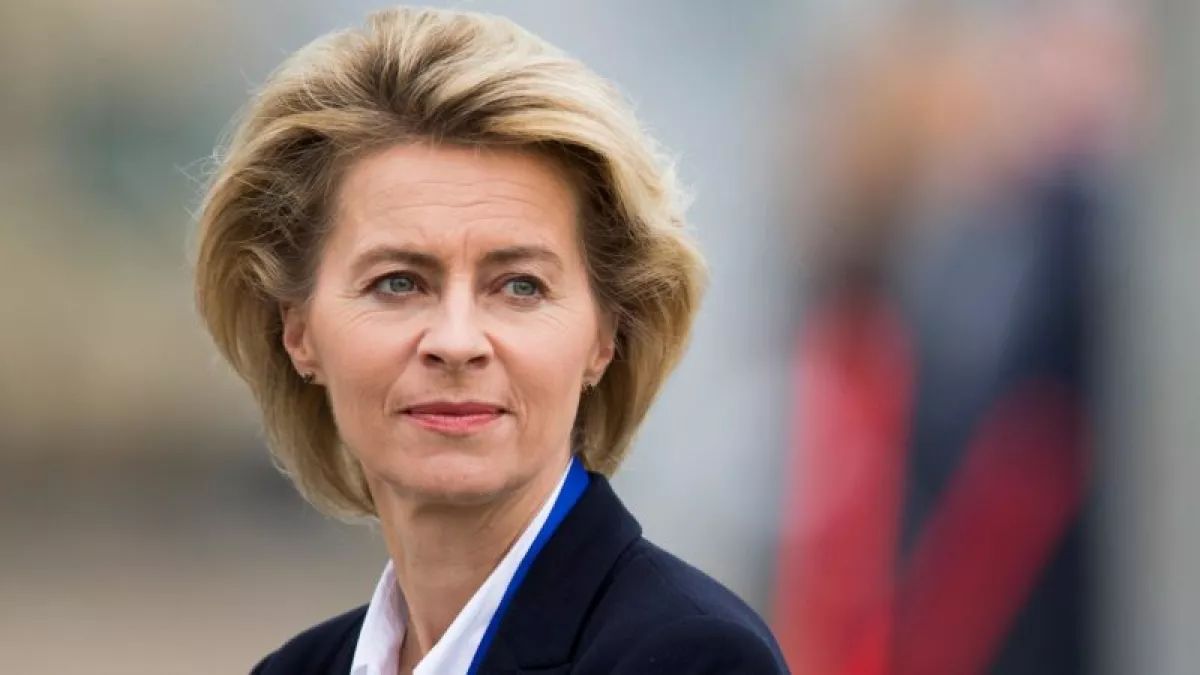
This is evidenced, in particular, by statements from European Commission President Ursula von der Leyen, made at the second World Nuclear Energy Summit in Paris, regarding the new strategy for the deployment of small modular reactors (SMRs) in Europe by the early 2030s.
The EC head outlined three comprehensive measures for implementing the strategy, noting that “First, we need simple rules. We will create regulatory sandboxes so that companies can test innovative technology. And we will work with Member States so that rules are aligned across borders. The logic is clear. When it is safe to deploy, it must be simple to deploy – all across Europe.” She also emphasised the need to mobilise investments, highlighting that, for this purpose, the European Commission is establishing a €200 million ($231 million) guarantee to support private investments in innovative nuclear technologies.
“The nuclear tech race is on. But we know that Europe has everything it needs to lead. We have half a million highly skilled workers in nuclear – far more than the US and China. We lead global innovation in modular reactors. And now we have the ambition to move at speed and scale for Europe to be a global hub of next-generation nuclear energy,” von der Leyen said, emphasising that a return to nuclear energy will allow the European Union to correct a previous strategic mistake—its voluntary abandonment of this technology in the past.
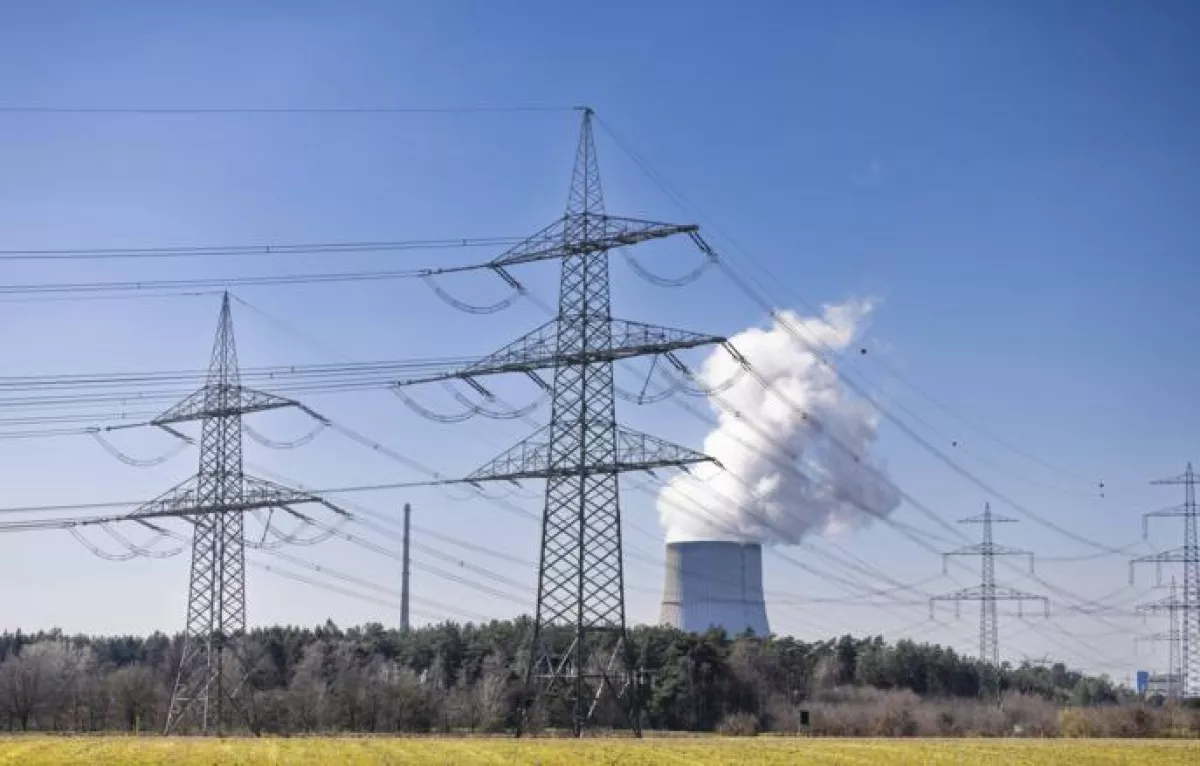
Several years ago, a number of European countries expressed their intention to reduce nuclear energy. For example, under pressure from the EU, Lithuania shut down the Ignalina Nuclear Power Plant in 2010, while Germany—after the Fukushima-1 accident—decided to gradually phase out nuclear power and, in April 202,3 closed its last three nuclear plants: Isar-2, Emsland, and Neckarwestheim-2.
However, European countries did not have a unified strategy for abandoning nuclear power, and their positions on this issue varied. For instance, France continues to rely on nuclear energy and is actively building new reactors.
Today, the European Union has once again begun to reconsider a return to nuclear power. In particular, the Polish authorities have announced their intention to build nuclear power plants and have revived discussions about the creation of their own nuclear weapons. Earlier, Sweden and the Netherlands also declared plans to expand nuclear energy generation.
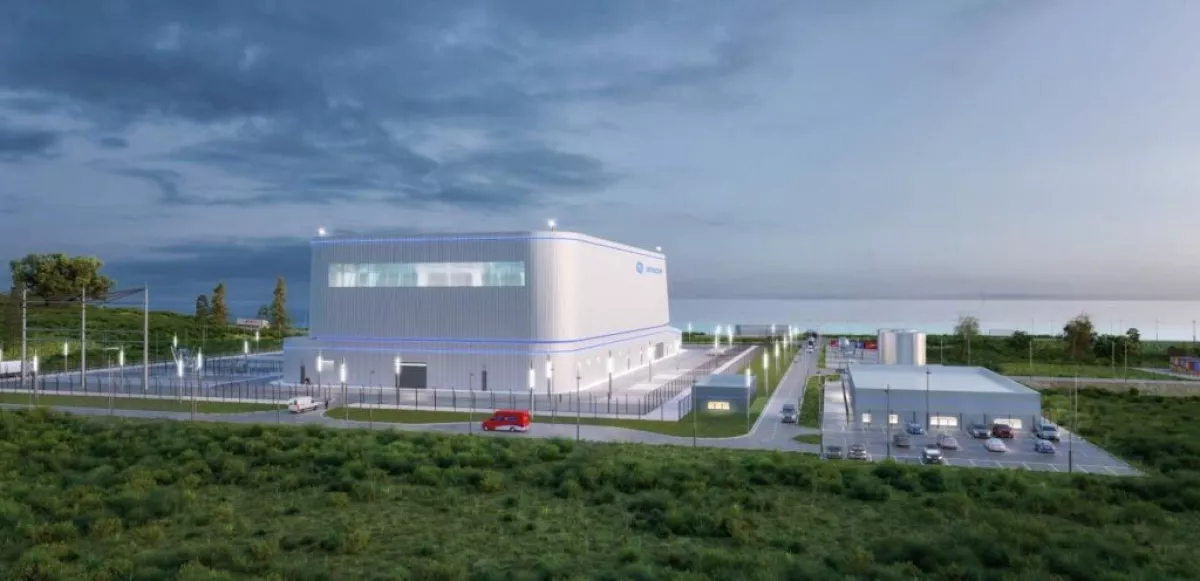
In addition, the British group Rolls-Royce is actively developing projects for small modular reactors designed to produce clean energy and optimise electricity costs, and it also plans to build small modular power plants in the Czech Republic. Nuclear initiatives are also being actively promoted in other countries—for example, in Estonia, where the BWRX-300 small modular reactor of the American-Japanese company GE Hitachi will be constructed.
Such a surge of nuclear interest in Europe is driven by a number of geopolitical factors, including the ongoing Russian-Ukrainian war and the current Middle Eastern crisis, which has taken the form of a prolonged military confrontation. Together, these developments have effectively triggered an oil, gas, and broader energy crisis across the world in general and in Europe in particular.
On the other hand, the introduction of small modular reactors in EU countries is partly linked to the updated U.S. National Security Strategy, which clearly outlines the key principles of Washington’s domestic and foreign policy for the coming years.
The key point here is that both strategies are technologically interconnected, since the issue of energy supply is viewed as an element of national security for both the EU and the United States. According to this concept, the United States seeks to export its nuclear technologies to its allies, while the European Union aims to strengthen its own energy security by reducing dependence on traditional suppliers such as Russia and China, which is rapidly developing its nuclear industry—something that is not in the interests of either Brussels or Washington.
Apparently, this is precisely why Washington is assisting the EU in building reactors, and most SMR projects in Europe are being developed in cooperation with American companies, such as NuScale.
This is quite logical, as the U.S. National Security Strategy emphasises the need to maintain technological leadership in nuclear energy—in simple terms, to compete with Russian and Chinese companies in the global market. Whether the West will be able to accomplish this task is a question for experts.
Another important point is that Europe is currently sharply increasing its weapons production, which requires enormous amounts of energy. In this context, analysts’ assertions that SMRs could well become the energy base for the new military and technological infrastructure of Western countries appear highly relevant. In other words, they could be actively used for military-strategic purposes. This is also confirmed by the fact that the Pentagon is already considering the use of small reactors for military bases.
Thus, it is quite possible that, in the medium term, the United States and the European Union could create an alternative Western market for nuclear technologies in order to minimise Russia’s influence and limit China’s growing technological pressure in the region and worldwide.







 editor@caliber.az
 +994 55 444-88-98
 Азербайджан, Баку, ул. Низами, 203, Af Business House, 5-й этаж