










A grand tour Mark Carney’s manoeuvres
Canadian Prime Minister Mark Carney has concluded his diplomatic tour of three Indo-Pacific countries — India, Australia, and Japan. The scale and duration of the journey (10 days) suggest that the series of bilateral meetings was guided by a far more ambitious vision.
Indeed, back in January at the World Economic Forum in Davos, Carney delivered a keynote speech that many analysts are already calling the foundation of his foreign policy doctrine. The Canadian leader stated that the familiar “rules-based order” is not merely deteriorating but has effectively ceased to exist, as major powers increasingly use the economy, trade, and technological supply chains as instruments of pressure. In this context, he emphasised, “middle powers” — which certainly include Canada, India, Australia, and Japan — must act together, or else risk being mere objects of geopolitics. His formula quickly became a catchphrase: if such countries “are not at the table, they will end up on the menu.” This logic underpinned Carney’s Indo-Pacific tour.
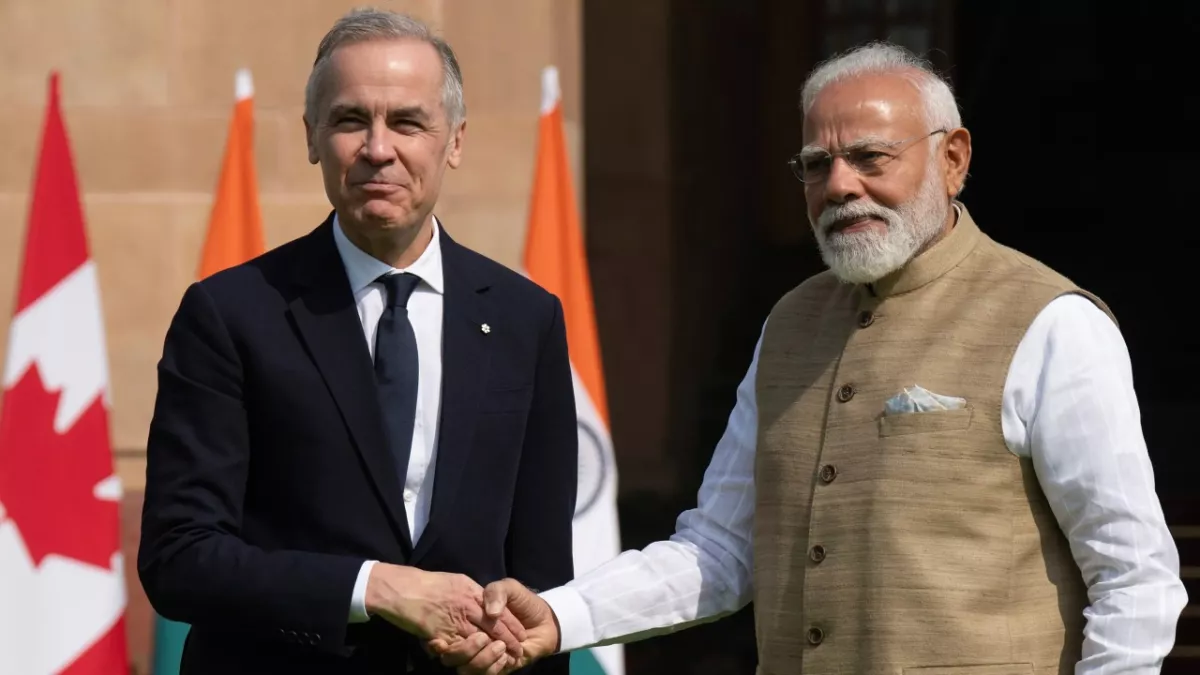
The very fact of the Canadian Prime Minister’s visit to India sent a strong signal, given the strained relations between the two countries over the 2023 assassination of Sikh activist Hardeep Singh Nijjar in Canada, for which Ottawa has accused Indian authorities. Nevertheless, Canada aims to strengthen ties with one of the world’s fastest-growing economies and a key player in the Indo-Pacific region. A central outcome of the visit was a major package of economic agreements, including a $2.6 billion contract between Canadian company Cameco and India’s Department of Atomic Energy for the supply of uranium for the country’s nuclear power sector. Ottawa and New Delhi also agreed to deepen cooperation in critical minerals, clean energy, technology, and education.
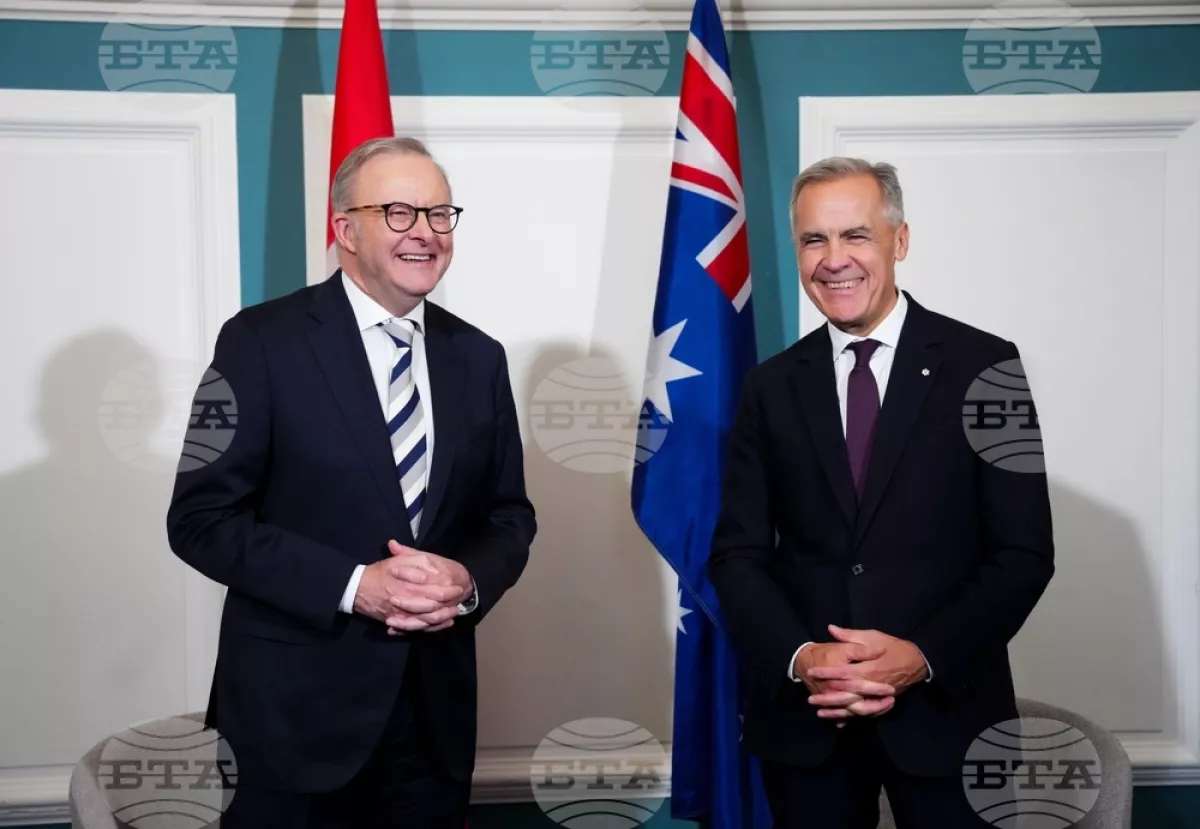
The next stop was Australia, where Carney, speaking in parliament, called on like-minded countries to pursue closer collaboration. In Canberra, the two sides agreed to expand cooperation in critical minerals, technology, and investment, as well as to strengthen supply chains, particularly in light of China’s growing influence on the global strategic resources market.
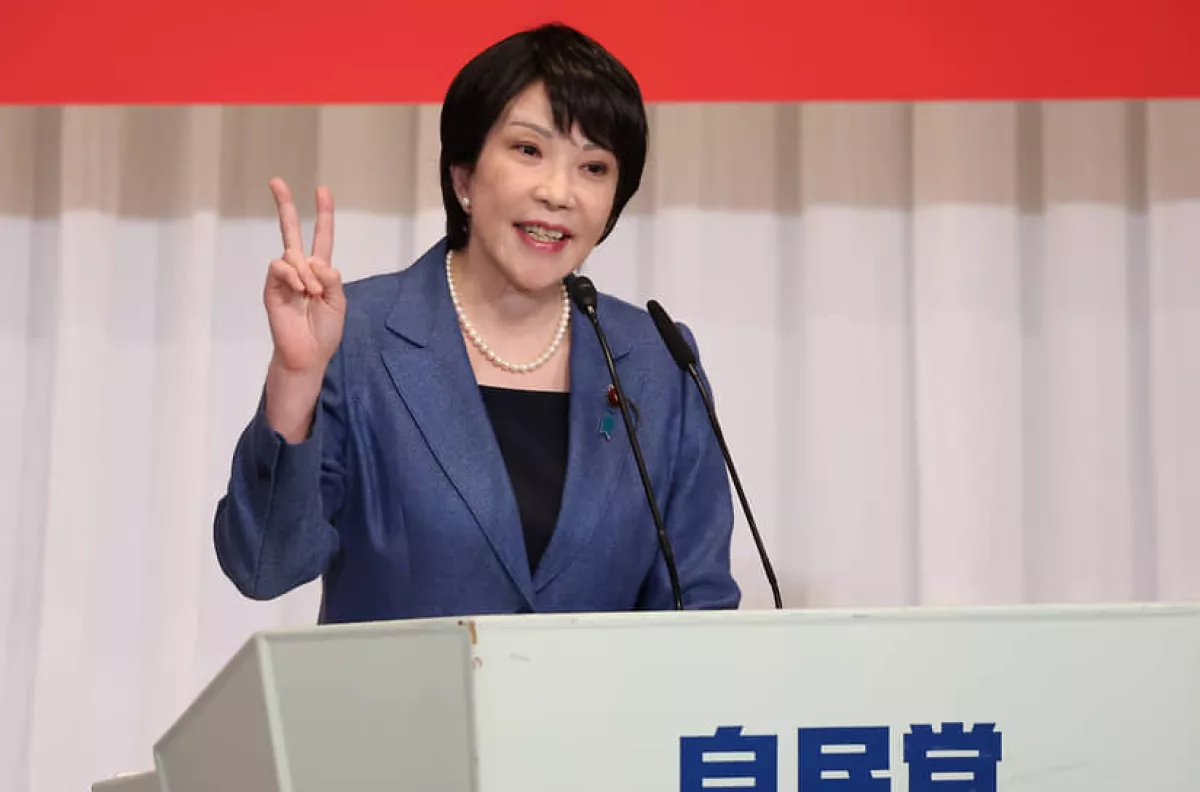
The final stop of the trip was Tokyo, where Carney held talks with Japanese Prime Minister Sanae Takaichi and signed a comprehensive strategic partnership agreement. The document outlines cooperation in energy and high technology, as well as the launch of new dialogues on economic and cybersecurity issues. Special attention is given to diversifying energy and critical mineral supplies—particularly in light of tensions in the Middle East and disruptions in oil shipments through the Strait of Hormuz. Carney also emphasised that Canada and Japan aim to strengthen not only economic but also defence ties, ranging from technology exchanges to expanded joint exercises.
In summary, it can be concluded that Carney is attempting to create a platform for coordination among “middle powers,” where economic, technological, educational, and defence cooperation serves as a tool to enhance the global autonomy of Canada and its partners. At the core of the initiative is a pragmatic goal: to reduce dependence on decisions made by the United States and China, strengthen supply chain resilience, enhance security, and expand influence in the region.
The global press has largely praised the tour. Journalists and analysts highlighted the concreteness and pragmatism of the agreements reached, which establish real platforms for long-term cooperation. Many experts noted that Carney was able to demonstrate an independent foreign policy and Canada’s capacity to play an active role in the region.
At the same time, some scepticism exists among experts. Critics point out that “middle powers” remain economically and militarily dependent on the superpowers, and the coordination of their actions may be limited. Some analysts also note that the differing strategic alignments of the participants—Japan’s close ties to the U.S. versus India’s multi-vector approach—could complicate joint efforts.
Nevertheless, Carney’s initiative raises an important question about the role of “middle powers” and sets the tone for future geopolitical dynamics, opening space for Canada to manoeuvre independently on the global stage.







 editor@caliber.az
 +994 55 444-88-98
 Азербайджан, Баку, ул. Низами, 203, Af Business House, 5-й этаж